The Ultimate Cake Recipe Guide: How to Bake a Perfect Homemade Cake from Scratch
Are you searching for the one foolproof cake recipe that delivers a moist, fluffy, and incredibly delicious homemade cake every single time? You have landed in exactly the right place. This comprehensive cake recipe guide is designed for bakers of all skill levels—from complete beginners to seasoned home cooks—across the globe. Whether you need an easy cake recipe for a birthday celebration, a classic vanilla cake recipe for a weekend treat, or the ultimate moist chocolate cake recipe to impress your guests, we have got you covered. In this article, you will discover the essential simple cake ingredients, step-by-step instructions, proven cake baking tips, and answers to the most frequently asked questions. By the end, you will master the art of baking a perfect homemade cake that rivals any professional bakery. Let us preheat that oven and dive right in!

A perfectly baked homemade cake using our classic cake recipe — moist, fluffy, and ready for any celebration.
📋 Table of Contents
- Essential Ingredients for the Perfect Cake Recipe
- Step-by-Step Instructions: How to Make a Cake from Scratch
- Pro Cake Baking Tips & Common Mistakes to Avoid
- Popular Cake Recipe Variations: Vanilla & Chocolate
- Butter Cake vs. Sponge Cake: A Quick Comparison
- Serving, Storage & Make-Ahead Tips
- Future Trends in Home Cake Baking
- Frequently Asked Questions (FAQ)
- Conclusion & Final Thoughts
1. Essential Ingredients for the Perfect Cake Recipe
Every great cake recipe begins with understanding your ingredients. Using the right simple cake ingredients at the correct temperature makes the difference between a dense, dry result and a moist cake recipe that melts in your mouth. Here is a breakdown of what you need for a classic homemade cake:
| Ingredient | Quantity (Standard) | Purpose in the Cake Recipe |
|---|---|---|
| All-Purpose Flour | 2 ½ cups (315 g) | Provides structure and body to the cake |
| Granulated Sugar | 1 ¾ cups (350 g) | Sweetens and tenderizes the crumb |
| Unsalted Butter | 1 cup (227 g), softened | Adds richness, moisture, and flavor |
| Large Eggs | 4, at room temperature | Bind ingredients and create a tender texture |
| Whole Milk | 1 cup (240 ml), room temp | Hydrates the batter for a moist cake recipe |
| Baking Powder | 2 ½ teaspoons | Leavening agent for rise and fluffiness |
| Vanilla Extract | 2 teaspoons | Signature flavor for a classic vanilla cake recipe |
| Salt | ½ teaspoon | Balances sweetness and enhances flavor |
💡 Pro Tip: Always bring your butter, eggs, and milk to room temperature before starting. This ensures proper emulsification, which is the secret behind every successful easy cake recipe. Cold ingredients do not blend well and can result in a heavy, dense cake.
:max_bytes(150000):strip_icc()/17481-simple-white-cake-ddmfs-3244-4x3-step-01-fa37ca03cdcc4b078afa2c1a0a961650.jpg "Simple Cake Ingredients for a Homemade Cake Recipe")
All the simple cake ingredients you need — quality basics lead to an outstanding homemade cake.
2. Step-by-Step Instructions: How to Make a Cake from Scratch
Learning how to make a cake from scratch is easier than you might think. Follow these detailed steps for a guaranteed result with this easy cake recipe for beginners. Each stage matters, so take your time and enjoy the process.
Step 1: Preheat and Prepare Your Pans (5 minutes)
Preheat your oven to 350°F (175°C). Grease two 9-inch round cake pans with butter or non-stick spray, then line the bottoms with parchment paper. Lightly dust the sides with flour and tap out any excess. This simple preparation ensures your homemade cake releases cleanly after baking.
Step 2: Cream the Butter and Sugar (4-5 minutes)
In a large mixing bowl, beat the softened butter and granulated sugar together using an electric mixer on medium-high speed. Continue for 4 to 5 minutes until the mixture becomes pale, light, and fluffy. This step incorporates air, which is essential for a moist cake recipe with a tender crumb.
Step 3: Add Eggs One at a Time (3 minutes)
Crack the room-temperature eggs into a small bowl. Add them to the butter-sugar mixture one at a time, beating well after each addition. This gradual method is a critical cake baking tip — it prevents the batter from curdling and ensures a smooth, cohesive mixture. Scrape down the sides of the bowl as needed.
Step 4: Alternate Dry and Wet Ingredients (5 minutes)
In a separate bowl, whisk together the flour, baking powder, and salt. With the mixer on low speed, add the dry ingredients to the butter mixture in three additions, alternating with the milk in two additions (start and end with flour). Do not overmix — stop as soon as the flour streaks disappear. Overmixing develops gluten and can turn your easy cake recipe tough.
Step 5: Pour, Smooth, and Bake (30-35 minutes)
Divide the batter evenly between the prepared pans. Smooth the tops with a spatula. Bake in the preheated oven for 30 to 35 minutes, or until a toothpick inserted into the center comes out clean with just a few moist crumbs. The aroma filling your kitchen signals that your classic cake recipe is nearly ready.
Step 6: Cool Completely Before Frosting (1 hour)
Let the cakes cool in the pans on a wire rack for 10 minutes. Then, invert them onto the rack, remove the parchment paper, and let them cool completely — at least 45 to 60 minutes. Frosting a warm cake is a common mistake; the frosting will melt and slide off. Patience here rewards you with a stunning homemade cake.
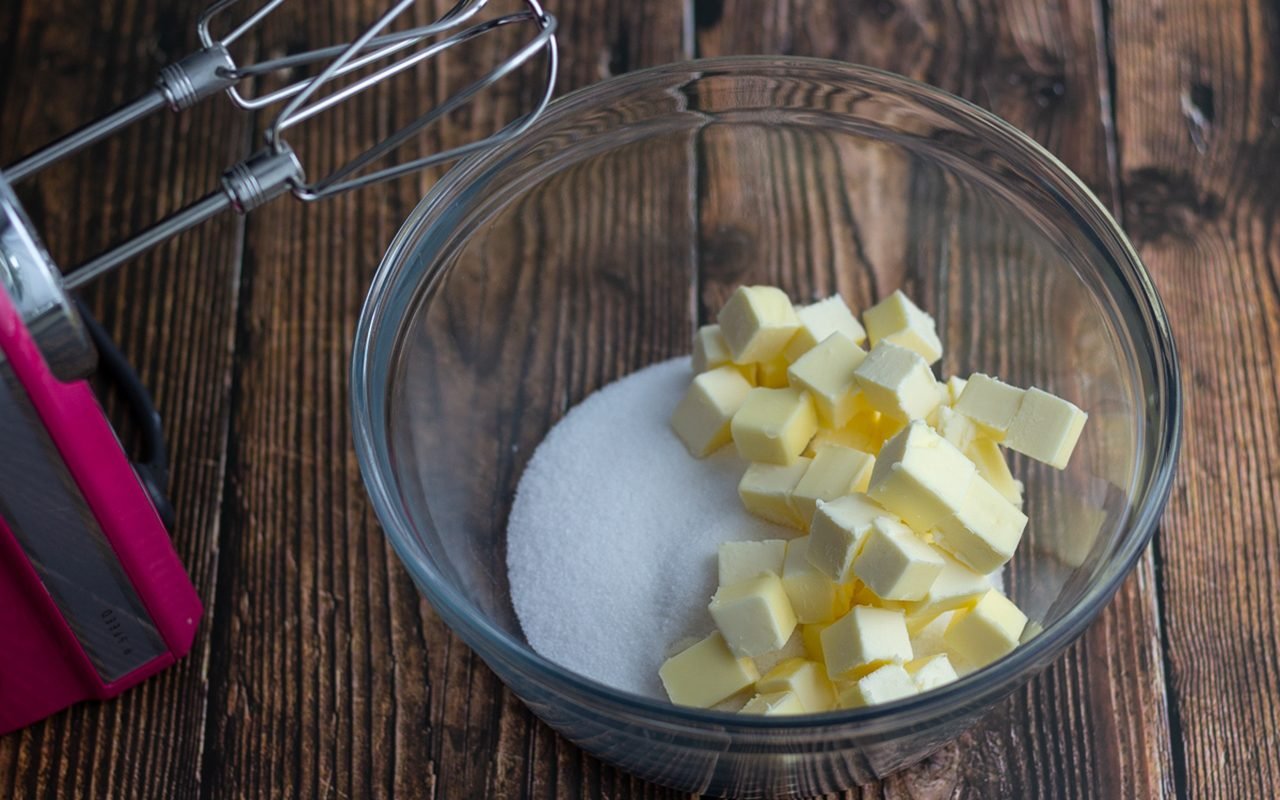
Creaming butter and sugar properly is a cornerstone technique for any successful cake recipe.
3. Pro Cake Baking Tips & Common Mistakes to Avoid
Even with a reliable cake recipe, small missteps can affect the final result. Here are expert cake baking tips gathered from professional bakers worldwide, along with pitfalls to watch out for:
- Weigh Your Ingredients: For the most accurate simple homemade cake recipe, use a kitchen scale. Cups can vary significantly; 1 cup of flour can weigh anywhere from 120 g to 150 g depending on how you scoop. Aim for 125 g per cup.
- Do Not Open the Oven Door Early: Opening the oven during the first 20 minutes of baking can cause the cake to sink in the middle. Trust the process and use the oven light instead.
- Use Room Temperature Ingredients: As highlighted earlier, this is non-negotiable for a moist cake recipe. Cold eggs can cause the batter to seize.
- Invest in Quality Pans: Light-colored aluminum pans distribute heat evenly. Dark pans can over-brown the edges before the center sets.
- Test for Doneness Correctly: Insert a toothpick into the center, not the edge. A few moist crumbs are fine; wet batter means it needs more time.
⚠️ Common Mistake Alert: Overmixing the batter after adding flour is the number one reason a cake recipe turns out dense or rubbery. Mix only until just combined — 15 to 20 seconds on low speed is usually enough.
"Baking is both an art and a science. A great cake recipe is not just a list of ingredients — it is a roadmap. Follow it precisely the first time, then make it your own."
— Professional Pastry Chef, Global Baking Institute
4. Popular Cake Recipe Variations: Vanilla & Chocolate
Once you master the base cake recipe, the possibilities are endless. Here are two globally beloved variations that use the same foundational techniques:
Classic Vanilla Cake Recipe
The vanilla cake recipe above is a timeless crowd-pleaser. For an extra layer of flavor, add the seeds from one vanilla bean pod along with the extract. This classic cake recipe pairs beautifully with buttercream, fresh berries, or a simple dusting of powdered sugar. It is the ideal best cake recipe for celebrations including birthdays, anniversaries, and weddings.
Moist Chocolate Cake Recipe at Home
To transform this into a moist chocolate cake recipe at home, replace ½ cup (60 g) of the flour with unsweetened cocoa powder. Add 1 teaspoon of instant espresso powder to deepen the chocolate flavor — it will not taste like coffee, just richer chocolate. Reduce the milk slightly to ¾ cup (180 ml) and add ¼ cup (60 ml) of hot water at the end for an incredibly moist crumb. This chocolate cake recipe is a guaranteed hit for any chocolate lover.

Transform the base cake recipe into a decadent moist chocolate cake with just a few simple swaps.
5. Butter Cake vs. Sponge Cake: A Quick Comparison
Not all cake recipe types are created equal. Understanding the difference helps you choose the right one for your occasion. Below is a comparison of two popular styles:
| Feature | Butter Cake (Our Recipe) | Sponge Cake |
|---|---|---|
| Main Fat Source | Butter (creamed with sugar) | Eggs (whipped for volume) |
| Texture | Dense, moist, tender crumb | Light, airy, springy |
| Best For | Layer cakes, celebration cakes | Roll cakes, layered desserts |
| Difficulty Level | Beginner-friendly | Intermediate |
| Shelf Life | 3-4 days at room temp | 1-2 days (dries out faster) |
For most home bakers, a butter cake recipe is the most forgiving and versatile choice. It stays moist longer and holds up well under frosting, making it the best cake recipe for celebrations around the world.
6. Serving, Storage & Make-Ahead Tips
Your homemade cake deserves to be enjoyed at its best. Follow these guidelines to serve and store it properly:
- Serving: For clean slices, use a serrated knife and wipe it clean between cuts. Serve at room temperature for the best flavor and texture.
- Room Temperature Storage: Store a frosted cake under a cake dome at room temperature for up to 3 days. If your kitchen is warm, refrigerate it instead.
- Refrigeration: A frosted cake can be refrigerated for up to 5 days. Let it sit at room temperature for 30 minutes before serving to soften the frosting.
- Freezing: Unfrosted cake layers freeze beautifully. Wrap them tightly in plastic wrap and foil, then freeze for up to 3 months. Thaw overnight in the refrigerator before frosting.
💡 Make-Ahead Tip: Bake your cake layers a day or two in advance. Wrap them well and store at room temperature. Freshly baked cakes are actually easier to frost after resting for several hours — the crumb sets and produces fewer crumbs during frosting.

The reward: a beautifully textured, moist cake slice that proves this cake recipe works every time.
7. Future Trends in Home Cake Baking
The world of cake recipe development is evolving rapidly. As we look toward the future, several trends are shaping how home bakers approach this beloved dessert globally:
- Health-Conscious Adaptations: More bakers are experimenting with reduced-sugar cake recipes, using natural sweeteners like dates, maple syrup, or monk fruit. Whole-grain flours and nut-based alternatives are also on the rise.
- Plant-Based Cake Recipes: The demand for egg-free and dairy-free homemade cake options continues to grow. Aquafaba, flax eggs, and oat milk are becoming pantry staples for vegan easy cake recipes.
- Global Flavor Fusions: Bakers are incorporating ingredients like matcha, saffron, ube, and tahini into traditional classic cake recipes, creating exciting cross-cultural desserts.
- Technology Integration: Smart ovens, precision scales with Bluetooth connectivity, and AI-powered cake recipe apps are making foolproof baking accessible to everyone. These innovations align with broader digital transformation goals worldwide.
- Sustainability Focus: Locally sourced simple cake ingredients, reduced food waste, and eco-friendly packaging for gifting cakes are becoming priorities for conscious bakers.
8. Frequently Asked Questions (FAQ)
Q1: Why did my cake sink in the middle?
A sunken cake usually results from underbaking, opening the oven door too early, or using expired baking powder. Always test with a toothpick and ensure your leavening agents are fresh — baking powder loses potency after about 6 months. Following a trusted cake recipe precisely minimizes this risk.
Q2: Can I use salted butter instead of unsalted for this cake recipe?
Yes, but reduce the added salt in the cake recipe by half. Unsalted butter gives you more control over the sodium level, which is why most professional homemade cake recipes call for it. If salted butter is all you have, your cake will still turn out delicious.
Q3: How do I make this an easy cake recipe for beginners with no mixer?
You can absolutely make this easy cake recipe for beginners by hand. Use a sturdy whisk and plenty of elbow grease for the creaming step — it will take about 7-8 minutes by hand versus 4-5 with a mixer. The result is just as rewarding and gives you a true feel for the batter.
Q4: What is the secret to a moist cake recipe that stays fresh for days?
The secret lies in three factors: using room-temperature ingredients, not overbaking, and incorporating a liquid fat like butter. Additionally, brushing the cooled cake layers with a simple syrup (equal parts sugar and water, boiled and cooled) adds extra moisture. This technique is used in many professional cake recipes.
Q5: Can I turn this into a gluten-free cake recipe?
Yes. Substitute the all-purpose flour with a high-quality gluten-free flour blend that contains xanthan gum. Measure by weight for best results — 315 grams of gluten-free flour replaces the 2 ½ cups. The texture will be slightly different but still delicious with this easy cake recipe.
Q6: How far in advance can I bake this cake for a celebration?
You can bake the cake layers up to 3 months ahead and freeze them. Thaw overnight in the fridge, then frost the day before or the morning of your event. This make-ahead approach makes this the best cake recipe for celebrations — less stress and perfect results.
Q7: What frosting pairs best with this classic cake recipe?
American buttercream, Swiss meringue buttercream, and cream cheese frosting all pair beautifully with this classic cake recipe. For a vanilla cake, try a raspberry buttercream; for the chocolate variation, a dark chocolate ganache is divine. The versatility of this base cake recipe is one of its greatest strengths.
9. Conclusion & Final Thoughts
Mastering a reliable cake recipe is one of the most rewarding skills any home cook can develop. With this comprehensive guide, you now have everything you need — the essential simple cake ingredients, foolproof step-by-step instructions, expert cake baking tips, and creative variations — to bake a stunning homemade cake that delights family and friends across any occasion. Whether you choose the timeless vanilla cake recipe or the indulgent moist chocolate cake recipe at home, the principles remain the same: quality ingredients, proper technique, and a little bit of love. We invite you to preheat your oven, gather your ingredients, and experience the joy of baking from scratch. Your perfect cake awaits.
🍰 Ready to Bake Your Perfect Cake?
Bookmark this cake recipe guide, share it with a fellow baking enthusiast, and tag us in your creations! For more easy cake recipes and baking inspiration, subscribe to our newsletter below.
⬆ Back to Recipe📧 Subscribe for weekly baking tips & exclusive cake recipes