The Ultimate Moist Cake Recipe: How to Bake a Perfectly Tender Cake Every Time
Published by The Baking Kitchen | Baking & Desserts | 12 min read
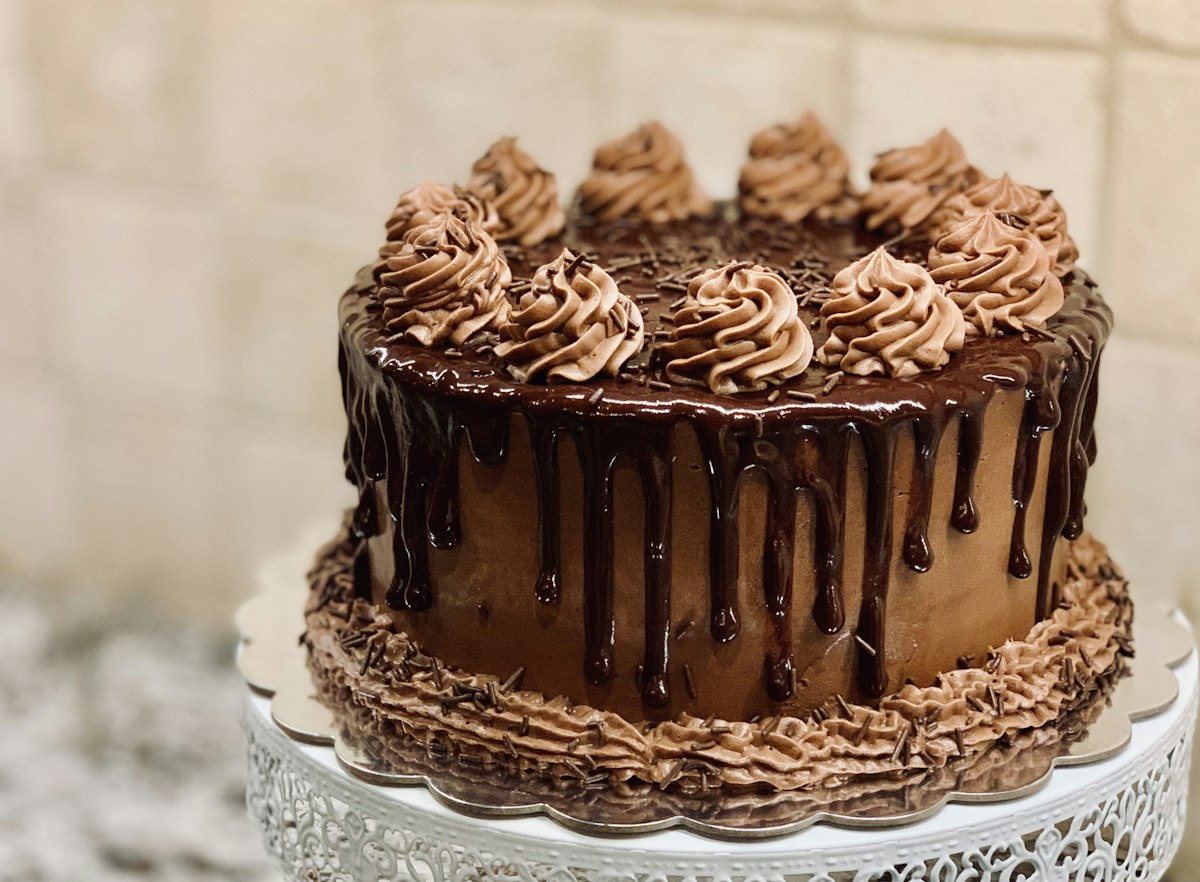
A perfectly baked moist cake with rich ganache glaze - the benchmark for every home baker.
If you have ever sliced into a cake only to find it dry, crumbly, and disappointing, you are not alone. Achieving a truly moist cake recipe is one of the most sought-after skills in home baking — and for good reason. According to a 2023 survey by the American Bakers Association, over 67% of home bakers rank "moistness" as the single most important quality in a cake.
In this comprehensive guide, you will discover exactly what makes a cake moist, which ingredients matter most, and how to master every step — from mixing batter to storing your finished creation. Whether you are baking a homemade moist chocolate cake, a classic moist vanilla sponge, or experimenting with easy moist cake recipes from scratch, the principles here apply universally.
By the end of this article, you will have a complete, proven recipe plus expert tips that guarantee a soft and moist cake every time you bake. Let us get started.
Table of Contents
- The Science Behind a Moist Cake
- Key Ingredients That Create Moisture
- The Ultimate Moist Cake Recipe (Step-by-Step)
- Pro Tips for an Extra Moist Cake
- Popular Moist Cake Variations Around the World
- Moist vs. Dry Cake: What Makes the Difference?
- How to Store Your Moist Cake
- Troubleshooting: Why Is My Cake Dry?
- Future Trends in Cake Baking
- FAQ
- Conclusion & Call to Action
1. The Science Behind a Moist Cake
Understanding why cakes become moist — or dry — starts with chemistry. A cake is essentially a network of proteins (from eggs and flour) and starch granules held together by fat and liquid. When you bake it, heat causes these structures to set while moisture either becomes trapped inside or evaporates away.
The key players are hygroscopic ingredients — those that attract and hold onto water molecules. Sugar, honey, brown sugar, and buttermilk are prime examples. The more of these you incorporate correctly, the longer your moist homemade cake will stay tender.
Research published in the Journal of Food Science (2022) found that cakes baked with oil instead of butter retained up to 22% more moisture over a 72-hour period. This is because oil stays liquid at room temperature, while butter solidifies and pulls moisture with it.
Additionally, overbaking is the single largest cause of dry cake. Even 5 extra minutes in the oven at the wrong temperature can push internal cake temperature past 210°F (99°C), causing excess steam to escape and leaving the crumb dry and tough.
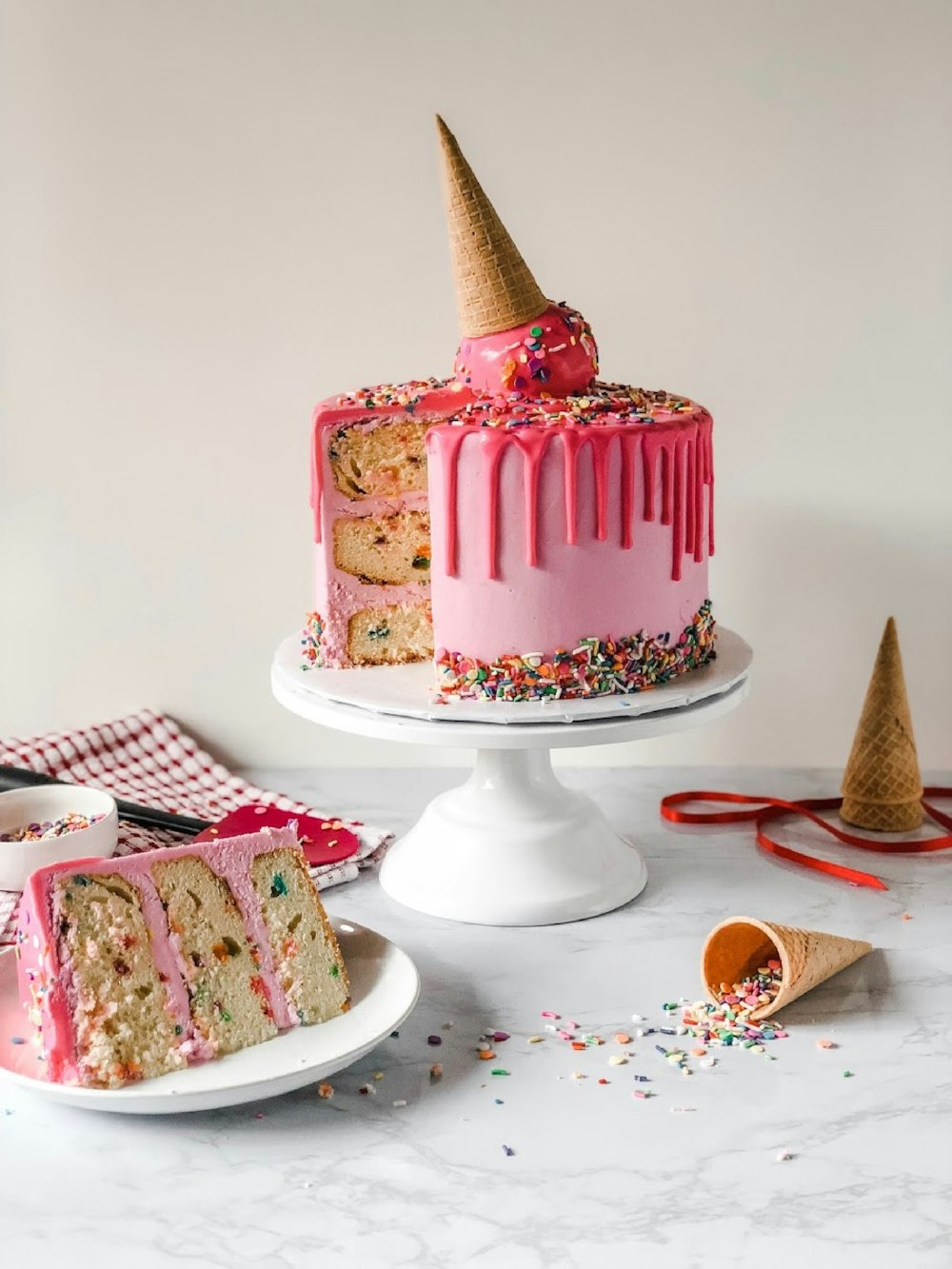
The right batter consistency is critical for achieving a soft, moist cake texture.
2. Key Ingredients That Create Moisture
Every best moist cake recipe relies on a carefully selected set of moisture-retaining ingredients. Here is a breakdown of what each one does and why you should not skip it.
Fats: Oil vs. Butter
Vegetable oil, canola oil, or melted coconut oil coat the flour proteins more evenly than solid butter, resulting in a more tender, moist crumb. Many professional bakers use a combination of both: butter for flavor, oil for moisture retention.
Sugar: The Moisture Magnet
Brown sugar contains molasses, making it more hygroscopic than white sugar. Substituting even 50% of your white sugar with brown sugar can noticeably improve moistness. Honey and maple syrup are even more powerful moisture-retaining sweeteners.
Dairy: Buttermilk and Sour Cream
Buttermilk is a secret weapon in moist cake baking. Its acidity breaks down gluten strands, resulting in a tender texture. It also reacts with baking soda to create lift without making the cake tough. Sour cream adds both fat and acidity, contributing to an incredibly soft, dense crumb.
Eggs: Structure and Richness
Eggs provide structure, richness, and moisture. Using room-temperature eggs allows them to emulsify better with the fat, trapping air more effectively and contributing to a finer, more uniform crumb.
Hot Water or Hot Coffee
Adding hot liquid — especially hot brewed coffee in chocolate cake — blooms the cocoa powder and activates the leavening agents more effectively. It creates a loose batter that bakes into an exceptionally moist chocolate cake recipe.
Pro Tip: The Oil Swap
Replace half of your butter with a neutral vegetable oil in any cake recipe. You will immediately notice a moister, longer-lasting texture without sacrificing flavor. This simple swap is used by professional pastry chefs worldwide.
3. The Ultimate Moist Cake Recipe (Step-by-Step)
This is the best moist cake recipe from scratch — a foolproof formula that works for home bakers at every skill level. It produces a rich, tender chocolate layer cake that stays moist for up to 5 days at room temperature.
Ingredients (Makes one 9-inch two-layer cake)
Dry Ingredients:
- 1 3/4 cups (220g) all-purpose flour
- 2 cups (400g) granulated sugar (or 1 cup white + 1 cup brown for extra moisture)
- 3/4 cup (75g) unsweetened cocoa powder (Dutch-process preferred)
- 2 tsp baking soda
- 1 tsp baking powder
- 1 tsp fine sea salt
Wet Ingredients:
- 2 large eggs at room temperature
- 1 cup (240ml) buttermilk at room temperature
- 1 cup (240ml) strong brewed coffee (hot) or hot water
- 1/2 cup (120ml) vegetable oil
- 2 tsp pure vanilla extract
- 1/2 cup (120g) full-fat sour cream
Step-by-Step Instructions
- Preheat your oven to 350°F (175°C). Grease two 9-inch round cake pans and line the bottoms with parchment paper. This prevents sticking and ensures even release.
- Combine dry ingredients: In a large bowl, whisk together flour, sugar, cocoa powder, baking soda, baking powder, and salt until uniform. Lumps in cocoa must be broken up completely.
- Mix wet ingredients separately: In another bowl, whisk the eggs, buttermilk, oil, vanilla extract, and sour cream until smooth and fully combined.
- Combine wet and dry: Pour the wet mixture into the dry ingredients. Stir gently with a spatula — do not overmix. Stop as soon as you see no dry flour streaks.
- Add hot coffee: Carefully stir in the hot coffee. The batter will be thin and pourable — this is correct and is what creates the exceptionally moist texture.
- Divide and bake: Divide the batter evenly between the two prepared pans. Bake for 30 to 35 minutes, or until a toothpick inserted in the center comes out with just a few moist crumbs (not wet batter).
- Cool in pans: Let cakes cool in the pans for 15 minutes before inverting onto a wire rack. This resting time allows the internal structure to firm up without losing moisture.
- Frost and serve: Once completely cool (at least 1 hour), frost with your choice of chocolate ganache, cream cheese frosting, or buttercream. Enjoy your perfectly moist homemade cake!
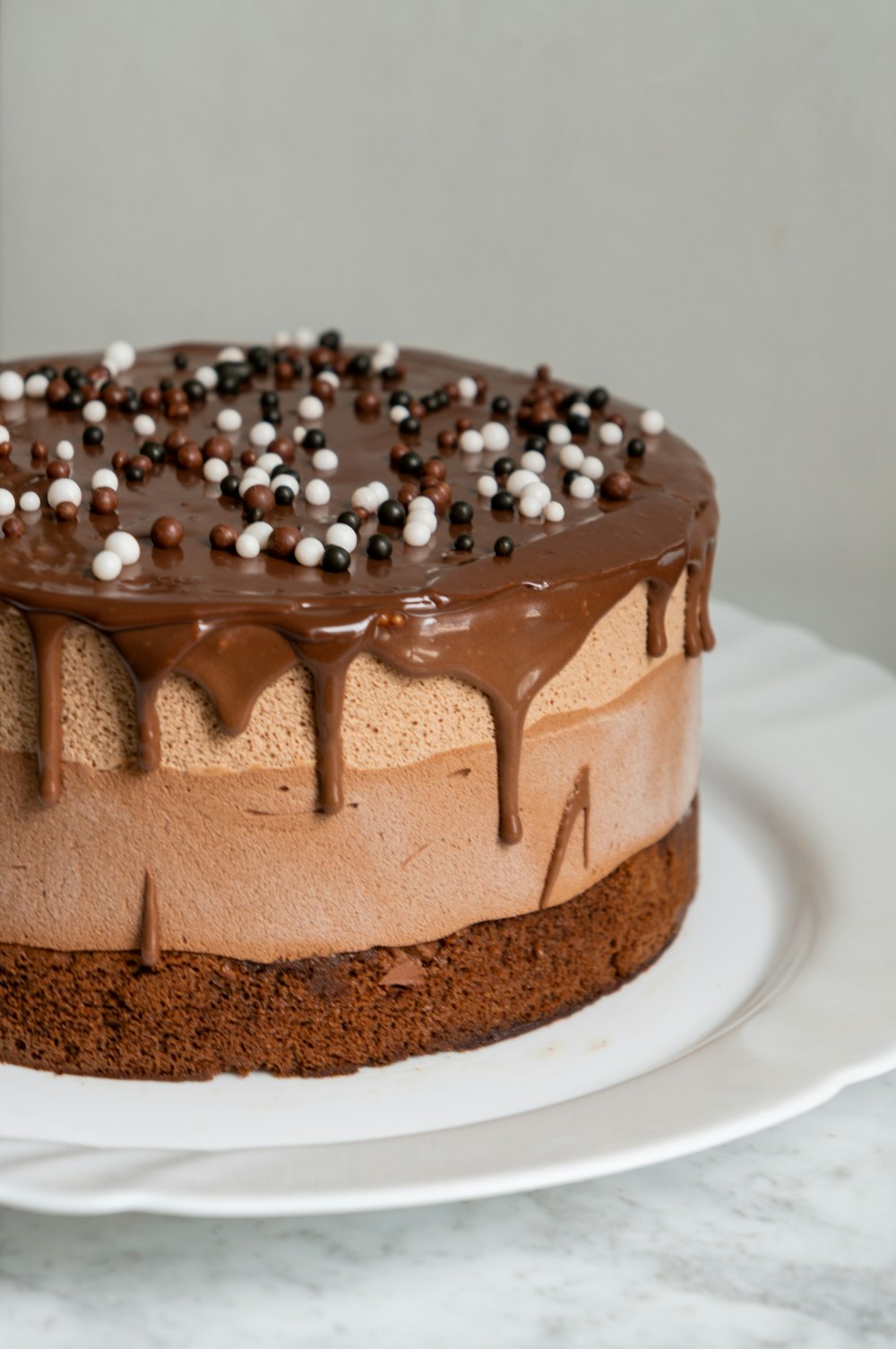
The finished moist chocolate layer cake — rich, tender, and ready to impress at any occasion.
4. Pro Tips for an Extra Moist Cake
Knowing the recipe is only half the battle. These expert techniques are what separate a good cake from a truly exceptional moist cake that people will remember.
- Do not overmix: Overmixing develops excess gluten, making the crumb chewy and tough rather than tender. Mix only until just combined.
- Use room-temperature ingredients: Cold butter or cold eggs do not emulsify properly. Allow all dairy and eggs to sit at room temperature for at least 30 minutes before baking.
- Measure flour correctly: Spoon flour into the measuring cup and level it off with a knife. Never scoop directly from the bag — this packs in 20-30% extra flour, leading to a dry cake.
- Use a toothpick test — but not too strictly: Pull the cake from the oven when the toothpick has a few moist crumbs. A completely clean toothpick means your cake may already be slightly overbaked.
- Simple syrup soak: Brush warm cake layers with a simple syrup (equal parts sugar and water, boiled 1 minute) immediately after baking. This adds an extra layer of moisture that professional bakeries use on every cake.
- Wrap while warm: Once cooled to just warm (not hot), wrap unfrosted cake layers tightly in plastic wrap. This traps steam and keeps the crumb irresistibly moist.
- Bake at a lower temperature: Try reducing oven temperature by 25°F (15°C) and baking for slightly longer. A lower temperature allows the cake to bake more evenly and retain moisture better.
- Check your oven calibration: Most home ovens run 15-25°F hotter than displayed. Use an oven thermometer to verify the real temperature — this single step can transform your baking results immediately.
"A moist cake is not an accident — it is the result of understanding ingredients, respecting technique, and trusting the process. Every great baker has learned that patience in the oven pays off on the plate."
— Rose Levy Beranbaum, Author of The Cake Bible
5. Popular Moist Cake Variations Around the World
The love for a moist, tender cake spans every culture. Here are some of the most celebrated regional variations you can try using the same core principles from this guide.
Tres Leches Cake (Mexico and Latin America)
Perhaps the most famously moist cake in the world, tres leches (three milks) is a sponge cake soaked in a mixture of evaporated milk, condensed milk, and heavy cream after baking. The result is an impossibly moist, creamy cake that literally drips with richness.
Japanese Cotton Cheesecake (Japan)
This incredibly light yet moist cake uses cream cheese, butter, eggs, and milk folded together with a meringue for a pillowy, cloud-like texture. It jiggles when shaken and has a perfectly soft, moist interior that has become a global sensation.
Basque Burnt Cheesecake (Spain)
Originally from the Basque Country in northern Spain, this intentionally burnt-top cheesecake has a custard-like, ultra-moist center. Its high cream-to-egg ratio creates a texture unlike any other cake in the world.
Sticky Toffee Pudding (United Kingdom)
A British classic, this dense, ultra-moist sponge made with finely chopped dates and drenched in warm toffee sauce is served hot and has been a staple of British dessert culture for over 50 years.
Olive Oil Cake (Mediterranean)
Popular across Italy, Greece, and Spain, this simple cake uses olive oil instead of butter, resulting in an exceptionally moist, dense crumb with a subtle fruity flavor that pairs beautifully with citrus zest.
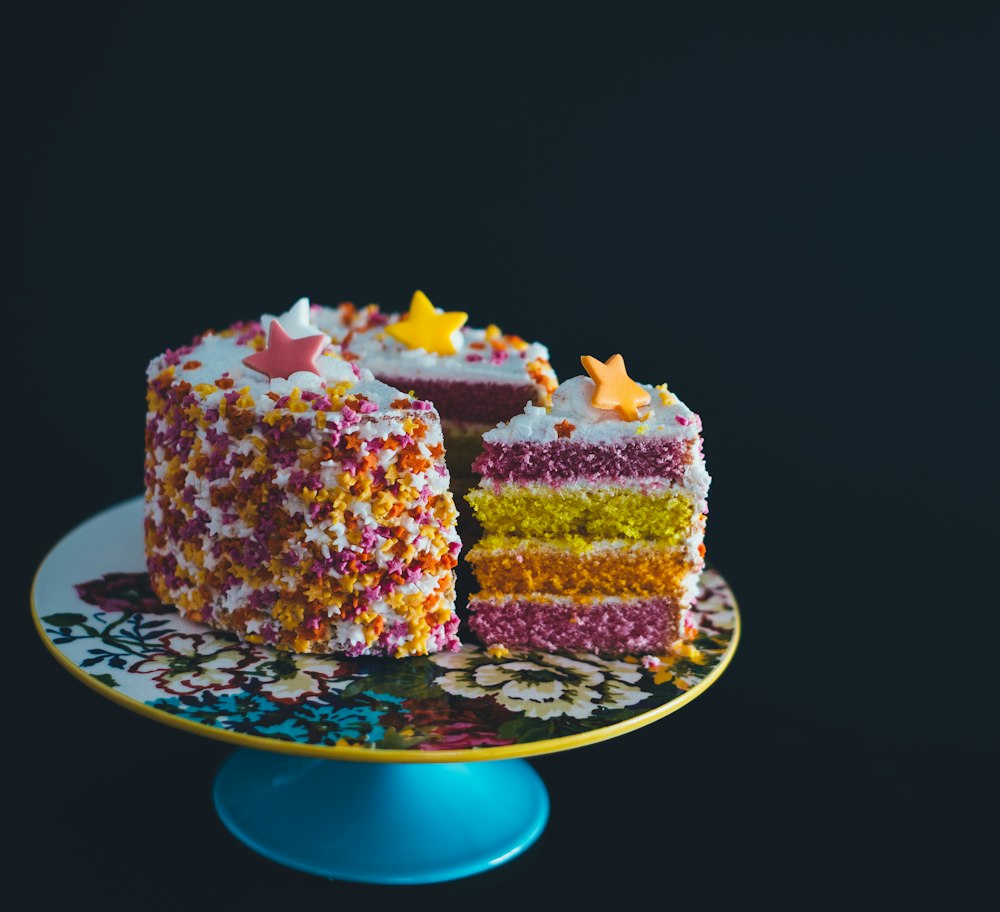
Tres Leches — widely considered the world's most moist cake, soaked in three types of milk.
6. Moist vs. Dry Cake: What Makes the Difference?
Understanding exactly what separates a moist cake from a dry one allows you to diagnose and fix baking problems quickly. The table below compares the key factors side by side.
| Factor | Moist Cake | Dry Cake |
|---|---|---|
| Fat Type | Vegetable oil or oil + butter combo | Butter only |
| Sugar Type | Brown sugar, honey, or maple syrup | White sugar only |
| Dairy | Buttermilk, sour cream, yogurt | Regular milk or water |
| Baking Time | Pulled at right moment (moist crumbs on toothpick) | Overbaked (clean toothpick or beyond) |
| Flour Ratio | Correctly measured (spoon & level) | Too much flour (scooped directly) |
| Mixing | Mixed until just combined | Overmixed (excess gluten development) |
| Post-Bake Handling | Wrapped warm, syrup-soaked if desired | Left unwrapped, dries out quickly |
7. How to Store Your Moist Cake
Even the most perfectly baked moist cake will dry out rapidly if stored incorrectly. Follow these guidelines to keep your cake fresh and tender for as long as possible.
At Room Temperature (Unfrosted)
Wrap individual layers tightly in two layers of plastic wrap, then a layer of aluminum foil. Store at cool room temperature for up to 3 days. Avoid the refrigerator at this stage — it dries out unfrosted cake dramatically.
At Room Temperature (Frosted)
A frosted cake can be kept under a cake dome or covered tightly for 4 to 5 days at room temperature (below 70°F / 21°C). The frosting acts as a moisture seal. For cream cheese or whipped cream frostings, refrigerate within 2 hours.
Freezing Cake Layers
Cake layers freeze beautifully for up to 3 months. Wrap completely cooled layers in plastic wrap twice, then place in a zip-lock freezer bag. Thaw overnight in the refrigerator, then bring to room temperature before frosting — the layers will be just as moist as the day you baked them.
Important Note: The Refrigerator Enemy
Refrigerating a plain sponge or chocolate cake without proper wrapping is one of the most common mistakes home bakers make. The cold, dry air of a refrigerator pulls moisture from the cake within hours. Always wrap thoroughly, or keep at room temperature in an airtight container.
8. Troubleshooting: Why Is My Cake Dry?
If your cake came out dry despite your best efforts, one or more of the following issues is likely the cause. Here is how you diagnose and fix each problem for your next bake.
- Overbaked: Your oven runs hot, or you left it in too long. Solution: Use an oven thermometer and check the cake 5 minutes before the stated time.
- Too much flour: Packing flour adds up to 25% more than needed. Solution: Always use the spoon-and-level technique when measuring.
- Not enough fat: Fat coats gluten strands and adds richness. Solution: Add an extra tablespoon of oil or replace part of the butter with oil.
- Wrong oven type: Convection ovens run 25°F hotter and bake faster than conventional ovens. Solution: Reduce temperature and check for doneness earlier.
- Using low-fat substitutes: Replacing full-fat dairy with low-fat alternatives dramatically reduces moisture. Solution: Use the full-fat versions as specified in the recipe.
- Old baking powder or soda: Leavening agents lose potency over time, causing poor rise and a dense, dry crumb. Solution: Test your baking powder (it should bubble vigorously in hot water) and replace annually.
9. Future Trends in Moist Cake Baking
The art of baking a perfectly moist cake continues to evolve. As food science advances and global culinary cultures cross-pollinate, exciting new developments are shaping how we bake at home and professionally.
Plant-Based Moist Cakes
The global vegan food market — valued at over $26.1 billion in 2023 — is driving massive innovation in egg-free and dairy-free moist cake recipes. Aquafaba (chickpea water), flax eggs, and oat milk are proving surprisingly effective at replicating the moisture and structure of traditional cakes.
Functional Ingredient Cakes
Health-conscious bakers are incorporating ingredients like avocado oil, zucchini, sweet potato, and Greek yogurt to create cakes that are both incredibly moist and nutritionally superior. These "hidden vegetable" cakes are gaining enormous popularity globally.
Precision Baking with Smart Ovens
Smart ovens with built-in humidity control — such as steam-inject ovens — are making their way into home kitchens. These appliances allow precise moisture management during baking, virtually guaranteeing a moist result every time. The global smart kitchen appliance market is projected to reach $43.1 billion by 2027.
Global Flavor Fusion Cakes
Inspired by initiatives like Saudi Arabia's Vision 2030 — which promotes cultural exchange and culinary tourism — bakers worldwide are incorporating exotic spices, flavors, and techniques from diverse cultures. Miso chocolate cake, tahini-swirl banana cake, and cardamom-rose olive oil cake are just a few examples of this exciting fusion trend.
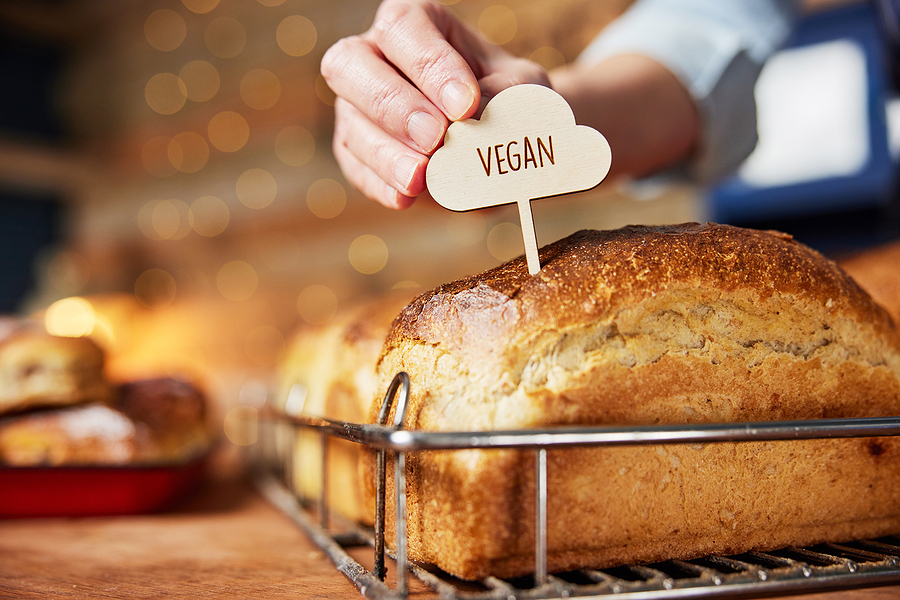
Plant-based moist cakes are one of the fastest-growing trends in global home baking.
10. Frequently Asked Questions About Moist Cake Recipes
Q1: What is the most important ingredient for a moist cake?
The most critical ingredient for a moist cake is fat — specifically oil. Vegetable or canola oil remains liquid at room temperature, unlike butter which solidifies. This keeps the crumb soft and tender long after baking. Buttermilk and sour cream are also powerful moisture contributors thanks to their fat content and acidity.
Q2: How do I make a box cake mix more moist?
To make a box cake mix more moist, try these upgrades: replace water with buttermilk, add an extra egg yolk, substitute the oil with melted butter for richer flavor, and add 2 tablespoons of sour cream or full-fat Greek yogurt. These simple swaps elevate a box mix to taste homemade.
Q3: Why does my cake always come out dry even when I follow the recipe?
The most common culprits are: (1) an oven running hotter than its display indicates, (2) too much flour from improper measuring, and (3) overbaking. Invest in an inexpensive oven thermometer, spoon your flour into the measuring cup rather than scooping, and start checking for doneness 5-7 minutes before the recipe's stated baking time.
Q4: Can I make a moist cake without eggs?
Yes! For a moist egg-free cake, you can replace each egg with: 1/4 cup unsweetened applesauce, 1/4 cup full-fat Greek yogurt, or 1 tablespoon ground flaxseed mixed with 3 tablespoons water (let sit 5 minutes before using). These alternatives maintain moisture and structure effectively in most cake recipes.
Q5: How long does a moist cake stay fresh?
A properly stored moist cake will stay fresh for 4-5 days at room temperature when kept in an airtight container or under a cake dome. Unfrosted layers wrapped tightly in plastic wrap stay moist for up to 3 days. Frozen cake layers remain moist and fresh for up to 3 months.
Q6: Does buttermilk really make a cake more moist?
Absolutely. Buttermilk adds moisture through its liquid content, tenderizes the crumb through its natural acidity (which breaks down gluten), and reacts with baking soda to produce excellent lift. If you do not have buttermilk, make a quick substitute: add 1 tablespoon of white vinegar or lemon juice to 1 cup of regular milk and let stand for 5 minutes.
Q7: What is a simple syrup soak and how does it work?
A simple syrup soak is a liquid sugar solution brushed onto freshly baked cake layers to boost and lock in moisture. Make it by dissolving equal parts sugar and water over medium heat (1/2 cup each), then cool slightly. Brush it over warm cake layers using a pastry brush immediately after removing from the oven. Professional bakeries use this technique on almost every cake they produce.
Q8: Can I use coffee in a cake recipe even if I do not like coffee flavor?
Yes! Hot coffee in a chocolate cake recipe does not actually taste like coffee in the finished product. Instead, it intensifies and deepens the chocolate flavor dramatically. Even those who dislike coffee overwhelmingly prefer the taste of chocolate cake made with coffee over those made with water. Use the same volume of hot water if you are truly opposed to coffee, but try it at least once — you will likely be converted.
Conclusion: Your Path to the Perfect Moist Cake
Baking a truly moist cake is no longer a mystery. You now understand the science, the key ingredients, and every technique professional bakers use to achieve tender, rich, irresistible results. From choosing oil over butter and brown sugar over white, to using buttermilk, measuring flour correctly, and resisting the urge to overbake — every detail counts.
Whether you are making this moist chocolate cake recipe from scratch for a birthday, a special celebration, or simply because you crave something extraordinary on a quiet afternoon, the principles you learned here will serve you every single time you step into the kitchen.
Remember: great baking is built on understanding, not guesswork. Apply these techniques consistently, and you will never serve a dry cake again. The only thing left to do is preheat your oven and get started.
Ready to Bake the Most Moist Cake of Your Life?
Try this recipe today and share your result in the comments below! Tell us what variation you made, what tip made the biggest difference for you, and upload a photo of your creation. We would love to see it.