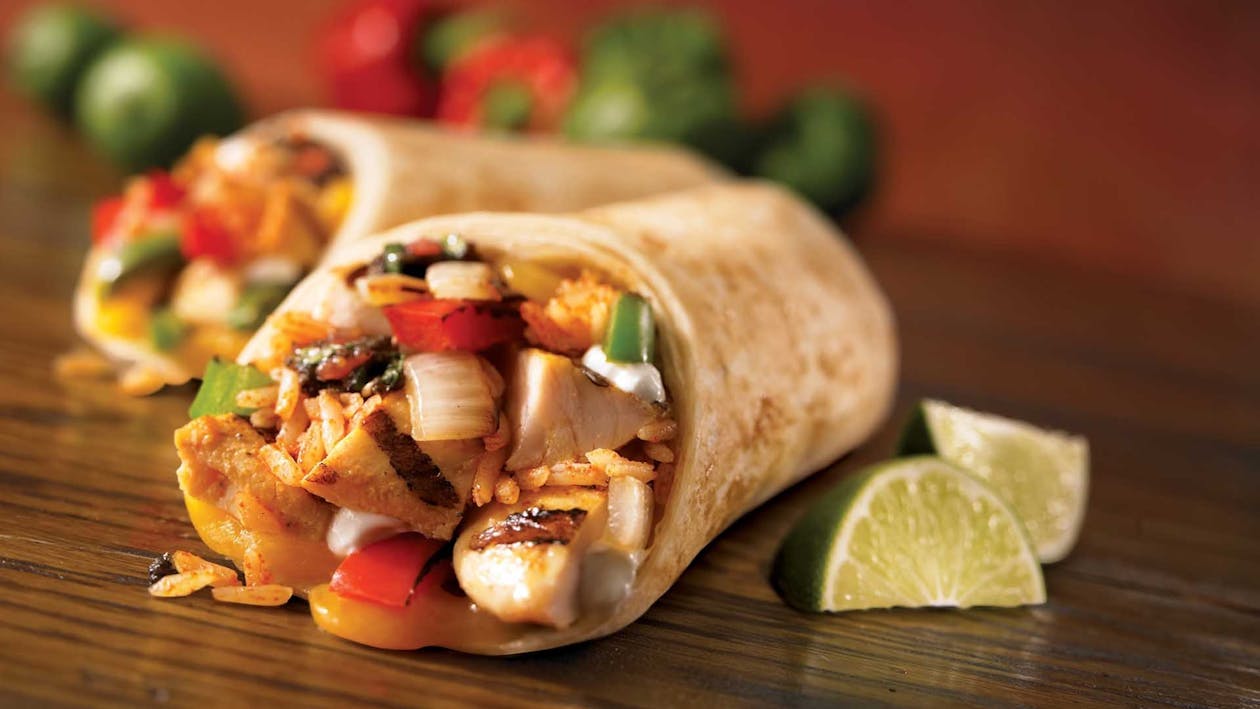
The Ultimate Guide to Authentic Mexican Enchiladas: History, Salsa, and Secrets
Authentic Mexican enchiladas are far more than just a rolled tortilla drowned in cheese. This iconic dish is a cornerstone of Mexican culinary identity, with roots stretching back to the Aztec Empire. Whether you are craving the complex mole of Oaxaca or the simple street-style enchiladas verdes, understanding the regional variations is key. In this comprehensive guide, you will learn not only how to master the perfect homemade enchilada sauce but also the cultural context that makes every bite a journey. Did you know that over 70% of "enchilada" recipes searched online are Americanized Tex-Mex versions? We are here to reclaim the tradition, guiding you through the chile-selection process, the art of frying the tortilla, and the essential fresh toppings that define a true comida mexicana.
📋 Table of Contents
- 📜 The Ancient History of Enchiladas
- 🌶️ Anatomy of an Authentic Enchilada
- 🗺️ Regional Enchilada Types Across Mexico
- ✅ Key Features of a Perfect Enchilada
- 🥣 The Soul of the Dish: Mastering the Sauce
- 📊 Comparison: Enchiladas vs. Enfrijoladas vs. Entomatadas
- 🚀 Future Trends in Global Mexican Cuisine
- ❓ Frequently Asked Questions (FAQ)
- 🏁 Conclusion & Final Tips
📜 The Ancient History of Authentic Mexican Enchiladas
When you bite into an enchilada, you are tasting history. The word "enchilada" literally means "seasoned with chile." The practice of rolling tortillas dates back to the pre-Columbian era. The first documented reference comes from the Florentine Codex, where Spanish conquistadors described the Aztec custom of serving corn tortillas dipped in chile sauce—though these were often filled with local lake fish or turkey rather than modern proteins.
The evolution from a simple corn masa base to a complex national dish mirrors the history of Mexico itself. The introduction of pork, beef, and cheese by the Spanish in the 16th century transformed the dish into the enchilada mexicana we recognize today. By the time of the Mexican Revolution, street vendors had popularized the dish, serving it as a cheap, filling, and deeply flavorful meal for the working class. Understanding this history helps you appreciate why an authentic enchilada sauce relies solely on dried chiles rather than tomato paste or flour.
Before using pre-ground corn flour, remember that the nixtamalization process (soaking corn in lime) was invented by ancient Mesoamericans. If you can source fresh masa for your tortillas, the flavor difference is astronomical.
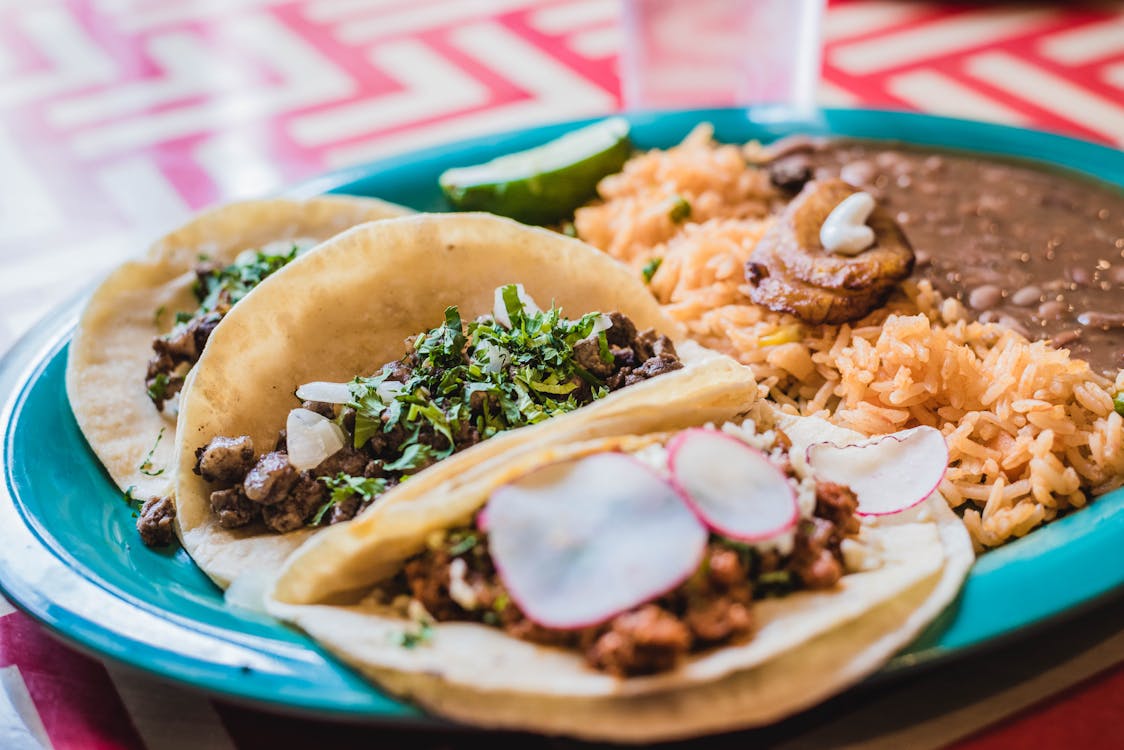
🌶️ Anatomy of an Authentic Enchilada: Three Essential Layers
To master the art of the enchilada, you must break it down into its three non-negotiable components. Skipping steps—like not frying the tortilla—is the primary reason homemade enchiladas turn into a soggy casserole. Here is the structural hierarchy you must respect:
- The Tortilla (The Vehicle): You must use nixtamalized corn tortillas. Flour tortillas are strictly Tex-Mex. The tortilla needs to be lightly fried in oil to seal it against the sauce.
- The Sauce (The Soul): This is not a bottled condiment. It is a slow-simmered blend of rehydrated dried chiles, garlic, and spices. The most common varieties use chile guajillo or chile ancho.
- The Filling (The Heart): Authentic versions often prioritize simplicity: shredded chicken, fresh cheese (queso fresco), or even just diced potatoes (enchiladas de papa).
🗺️ Regional Enchilada Types Across Mexico
Mexico is a federation of culinary states. Asking for "just enchiladas" is like asking for "just pasta" in Italy. You need to specify the region. Here are the four heavyweights you should know to impress any Mexican chef.
1. Enchiladas Potosinas (San Luis Potosí)
Perhaps the most visually stunning variety, the chile is mixed directly into the masa dough, turning the tortilla a deep brick-red before it is even fried. They are usually filled with crumbled cheese and diced onion, bathed in a mild guajillo broth. If you want a feast for the eyes and the stomach, this is your destination.
2. Enchiladas Suizas (Swiss-Style)
A happy accident of cultural fusion. "Suizas" refers to the Swiss influence on dairy. These are typically green (enchiladas verdes) made with tomatillo sauce, smothered in cream and melted cheese, then gratinated in the oven. The tang of the tomatillo cutting through the rich dairy creates a perfect balance that has made this one of the most globally exported versions.
3. Enchiladas de Mole (Oaxaca/Puebla)
This is the pinnacle of complexity. Instead of a simple chile sauce, these are drenched in mole poblano or mole negro—sauces that contain upwards of 30 ingredients, including chocolate, nuts, and dried fruit. The flavor is deep, smoky, and slightly sweet. These enchiladas are a celebration dish, often reserved for weddings or major holidays.
"The enchilada is not just food; it is a form of resistance. Every chile we grind, every tortilla we roll, connects us to a lineage that colonization tried to erase."
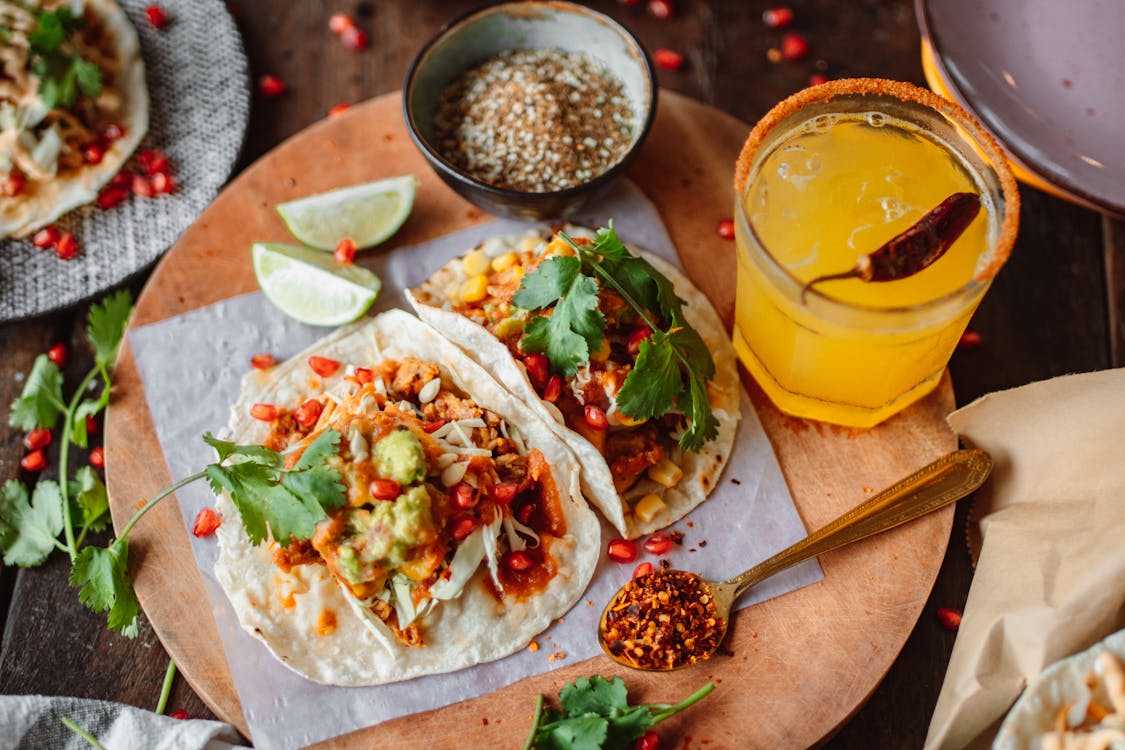
✅ 5 Key Features of a Perfect Authentic Enchilada
How do you distinguish a tourist trap plate from the real deal? Use this checklist the next time you sit down at a Mexican restaurant or cook at home. These criteria are what judges look for in traditional Mexican cooking competitions.
- Defined Tortilla Texture: The tortilla should have a slight chew and a visible "película" (film) from the frying oil. It should not dissolve into mush when cut with a fork.
- Generative Sauce Coverage: The sauce must be abundant but not watery. It should coat the tortilla entirely but pool slightly on the plate, waiting for a warm tortilla to mop it up.
- Minimalist Filling: You are tasting the corn and the chile, not just the chicken. The filling should be a supporting actor, not the lead. Overstuffed burrito-style rolls are a giveaway of Tex-Mex influence.
- Fresh Garnish (El Toque Final): Authentic plating requires a cooling element: a drizzle of Mexican crema, crumbled queso fresco, thin raw onion rings, and fresh cilantro. Without these, the dish is incomplete.
- No Flour or Tomato Paste: Check the ingredient list on a restaurant's menu if possible. Thickening a sauce with flour is a shortcut that destroys the bright, vegetal nature of the chile.
Do not simply dip a raw corn tortilla into sauce. Raw masa is like a sponge. You must lightly fry each tortilla in hot oil for about 10-15 seconds per side to create a hydrophobic barrier. This is the single most important step for maintaining structural integrity in your Mexican enchilada recipe.
🥣 The Soul of the Dish: Mastering the Enchilada Sauce
If you remove the sauce, you just have a taco. The soul of the enchilada lies in the chile. The global market has made dried Mexican chiles widely available, so there is no excuse for using powder. You are looking for a deep, bright red color with a slightly smoky, earthy aroma. Below is a breakdown of the ultimate chile combinations for the perfect authentic enchilada sauce.
Pro Ratio for Beginners: Combine 10 Guajillo chiles with 2 Ancho chiles and 1 Árbol. Simmer them in water until plump, then blend with garlic, a pinch of cumin, and salt. Strain the liquid through a fine sieve to remove the skins. This creates a sauce with a silky texture that rivals any restaurant in Mexico City.
📊 Visual Comparison: Enchiladas vs. Enfrijoladas vs. Entomatadas
In the world of "drowned tortilla" dishes, the enchilada has two siblings that are often confused. The distinction lies purely in the sauce. If you are menu reading in Cancun or CDMX, this table will save you from ordering the wrong dish.
| Feature | Enchilada | Enfrijolada | Entomatada |
|---|---|---|---|
| Base Ingredient | Dried Chiles | Black or Pinto Beans | Fresh Tomatoes |
| Texture | Smooth & Spicy | Creamy & Earthy | Light & Acidic |
| Common Garnish | Crema, Queso Fresco | Avocado, Chorizo | Sour Cream, Parsley |
🚀 Future Trends: The Globalization of Authentic Mexican Enchiladas
The global appetite for authentic Mexican cuisine is exploding. According to a 2024 report by Technomic, consumer demand for "heritage dishes" has risen by 45% in the European and Asian markets. The enchilada is no longer just a staple in the American Southwest; it is becoming a canvas for global chefs.
We are seeing a "New Latin" wave where chefs in Tokyo are pairing enchiladas verdes with wasabi-infused crema, while restaurants in London focus on heirloom corn varietals imported directly from Oaxaca. This focus on ingredient sourcing aligns perfectly with global sustainability trends (Vision 2030). The future of the enchilada is hyper-regional. Consumers are educating themselves, searching for long-tail keywords like "blue corn enchilada recipe" or "vegan jackfruit enchiladas with cashew crema." The line is blurring between street food and fine dining, proving that the humble rolled tortilla has a permanent seat at the world's table.
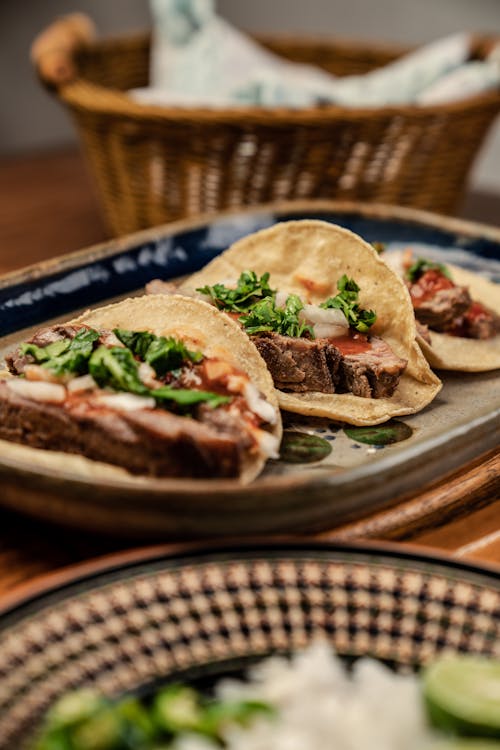
❓ Frequently Asked Questions (FAQ) About Enchiladas
What makes an enchilada "authentic"?
An authentic enchilada is defined by the use of nixtamalized corn tortillas, a sauce made from rehydrated whole dried chiles (never just chili powder), and fresh garnishes. It does not rely on canned soup or pre-shredded yellow cheese blends typical of Tex-Mex cuisine.
Why do my enchiladas turn soggy?
Sogginess occurs when you skip the "pass-the-oil" step. You must quickly fry the corn tortilla in hot oil (about 15 seconds per side) before dipping it in the sauce. This creates a fat barrier that prevents the liquid from soaking into the masa too quickly.
What is the difference between Enchiladas Rojas and Verdes?
The color is the flavor map. Rojas (Red) are made with dried red chiles like Guajillo or Ancho, offering a smoky, deep flavor. Verdes (Green) are made with fresh tomatillos, serranos, and cilantro, providing a bright, acidic, and tangy kick.
Can I make authentic enchiladas vegan?
Absolutely. Many traditional Mexican fillings are naturally plant-based, like enchiladas de papa (potato) or enchiladas de frijol (bean). Substitute the crema with cashew cream and the cheese with crumbled tofu. The chile sauce itself is naturally vegan.
What cheese is traditionally used on enchiladas?
Genuine Mexican enchiladas use queso fresco (a fresh, crumbly, slightly salty cow's milk cheese) or queso cotija (an aged, parmesan-like grating cheese). Melting cheeses like Oaxaca or Chihuahua are used for Suizas, but never generic shredded "Mexican blend" from a bag.
🏁 Conclusion: Your Journey to the Perfect Enchilada
Mastering the authentic Mexican enchilada is a labor of love that connects you to thousands of years of tradition. It is a dish that demands respect for the ingredients: the corn, the chile, and the technique. By now, you understand that the secret isn't a complex list of expensive spices, but patience—allowing chiles to rehydrate, toasting tortillas, and letting the flavors meld. Whether you are cooking for a family dinner or exploring the street markets of Puebla, remember that the best enchilada is the one prepared with the love of a home kitchen, not a factory assembly line.
We encourage you to step away from the jarred sauces and pre-shredded cheese. Embrace the tangy rustle of fried corn masa and the bright punch of a fresh salsa verde. The next time you search for a Mexican enchilada recipe, let it be a guide to culture, not just sustenance.
🍽️ Ready to Taste the Authentic Difference?
Don't just read about it—experience it. Save this guide for your next cooking adventure, and share it with a friend who still thinks enchiladas come from a can.
Have a specific question? Comment below or tag us on social media with your #MyAuthenticEnchilada creation. ¡Buen provecho!
🏷️ Tags: Authentic Mexican Food Enchilada Sauce Recipe Homemade Tortillas Mexican Cuisine Guide Enchiladas Verdes Chile Guajillo Traditional Mole
This blog is a culinary guide for educational purposes. Nutritional statistics may vary based on specific ingredient sourcing. Always check for chile allergies.
© 2024 The Global Mexican Kitchen. All rights reserved.