The Ultimate Pantry Staple Meals Guide: Cook Delicious, Budget-Friendly Dishes Anytime
Did you know that the average household wastes nearly 30% of the food it purchases each year? That staggering statistic from the USDA translates to roughly $1,500 per family thrown straight into the trash. Yet hidden within your kitchen cabinets lies an untapped goldmine: pantry staple meals that can transform those overlooked cans, bags, and boxes into restaurant-worthy dishes. Whether you are facing a busy weeknight, a tight budget, or simply want to reduce food waste, mastering pantry meal ideas is a life skill that pays dividends. In this comprehensive guide, you will learn exactly how to cook with pantry ingredients, build a rock-solid pantry foundation, and whip up easy meals with pantry staples only — all while saving time, money, and stress.
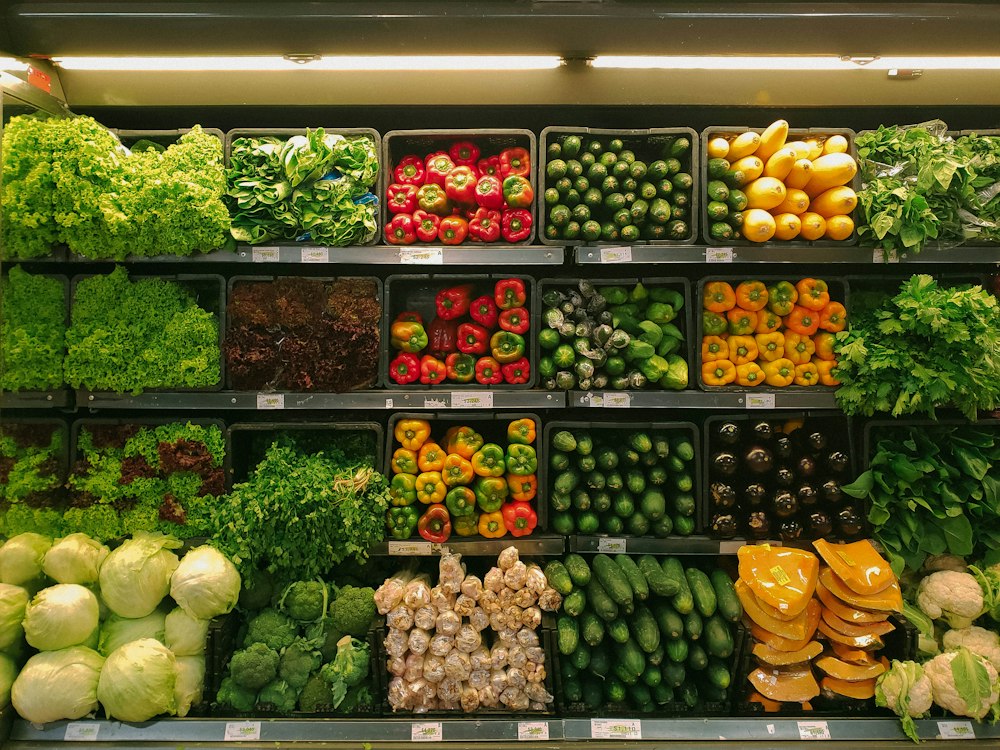
A well-stocked pantry is the secret weapon behind effortless, budget-friendly cooking.
📋 Table of Contents
- What Are Pantry Staple Meals?
- How to Build a Meal-Ready Pantry
- 50 Essential Pantry Staples for Everyday Cooking
- 10 Quick Pantry Staple Meal Ideas
- Benefits of Cooking with Pantry Staples
- Pantry Cooking vs. Fresh-Only Cooking: A Comparison
- Global Pantry Meal Traditions
- Future Trends in Pantry Cooking
- Frequently Asked Questions (FAQ)
- Conclusion & Next Steps
What Are Pantry Staple Meals?
Pantry staple meals are dishes prepared primarily — and sometimes entirely — from shelf-stable, non-perishable ingredients stored in your pantry, cupboards, or freezer. These are the go-to pantry recipes you can rely on when the refrigerator looks bare, when payday is still a week away, or when you simply do not have the energy for a grocery run. Think creamy pasta with canned tuna, hearty bean chili, aromatic coconut curry with rice, or a perfectly spiced shakshuka made from canned tomatoes and eggs.
The beauty of cooking with pantry staples lies in its flexibility. Unlike rigid recipes that demand exact fresh ingredients, pantry cooking encourages improvisation. You learn to substitute, adapt, and create. A can of chickpeas can become a curry, a salad, a soup thickener, or even a crunchy roasted snack. According to a 2023 survey by the Food Marketing Institute, 68% of home cooks reported relying more heavily on pantry ingredients than they did five years ago — a trend accelerated by global supply chain disruptions and rising food prices.
💡 Key Insight: Pantry staple meals are not about deprivation or "making do." They are about strategic stocking, culinary creativity, and the confidence that a satisfying meal is always within reach — no last-minute store trips required.
How to Build a Meal-Ready Pantry: A Step-by-Step Approach
Building a pantry that supports healthy pantry staple meal planning is not about buying everything at once. It is a gradual, intentional process. Follow these four steps to create a pantry that works for you and your cooking style.
Step 1: Audit Your Current Inventory
Before buying a single new item, pull everything out of your cabinets. Check expiration dates, group similar items together, and take stock. You will likely discover forgotten treasures — that bag of lentils, the can of coconut milk, the half-used box of pasta. Make a list of what you actually have and use before it expires.
Step 2: Categorize by Function
Organize your shelf-stable food meals by category rather than by brand or purchase date. Create zones for grains, proteins, vegetables, sauces, and baking supplies. This functional organization makes meal planning intuitive — when you can see all your protein options at a glance, deciding between tuna patties and lentil soup becomes effortless.
Step 3: Fill the Gaps Strategically
Identify what is missing. Most pantries lack variety in one of three areas: proteins (canned fish, beans, lentils), flavor boosters (spices, broths, condiments), or vegetables (canned tomatoes, jarred peppers, frozen greens). Prioritize filling the gap that limits your meal options the most.
Step 4: Implement a Rotation System
Use the "first in, first out" method. Place newer items behind older ones. Every three months, do a mini-audit and plan meals around items approaching their best-by dates. This simple habit dramatically reduces waste and keeps your pantry dinner ideas fresh and relevant.
A functional pantry organization system saves time and reduces decision fatigue during meal prep.
50 Essential Pantry Staples for Everyday Cooking
Here is a comprehensive list of ingredients that form the backbone of countless easy meals with pantry staples only. Use this checklist to audit your own kitchen.
| Category | Staple Items | Meal Potential |
|---|---|---|
| Grains & Pasta | Rice, pasta, quinoa, oats, couscous, polenta, breadcrumbs | Base for bowls, casseroles, soups, and bakes |
| Canned Proteins | Tuna, salmon, sardines, chicken, chickpeas, black beans, lentils | Curries, salads, patties, stews, pasta toppings |
| Canned Vegetables | Diced tomatoes, tomato paste, corn, peas, green beans, artichokes | Sauces, sides, soups, and skillet meals |
| Flavor Builders | Onions, garlic, broth cubes, soy sauce, vinegar, olive oil, spices | Transform bland ingredients into vibrant dishes |
| Dairy & Alternatives | Powdered milk, canned coconut milk, shelf-stable cream | Creamy sauces, curries, and baking |
| Nuts & Seeds | Peanut butter, almonds, sesame seeds, sunflower seeds | Crunch, protein boost, and sauce bases |
| Sweeteners & Baking | Sugar, honey, flour, baking powder, vanilla extract | Quick breads, pancakes, and emergency desserts |
💡 Pro Tip: Start with 15–20 items from this list that match your family's taste preferences. Gradually expand your pantry as you discover which pantry meal ideas you enjoy making most. A well-curated pantry of 40–50 items can produce over 200 different meal combinations.
10 Quick Pantry Staple Meal Ideas You Can Make Tonight
These quick pantry meals require minimal fresh ingredients and come together in under 30 minutes. Each one has been tested in real kitchens and approved by busy families worldwide.
- One-Pot Tuna Tomato Pasta: Sauté garlic in olive oil, add canned diced tomatoes, a can of tuna, and cooked pasta. Top with breadcrumbs toasted in butter. Ready in 20 minutes.
- Coconut Chickpea Curry: Simmer canned chickpeas with coconut milk, curry powder, and canned spinach. Serve over rice. Ready in 15 minutes.
- Black Bean and Corn Tacos: Warm canned black beans with canned corn and taco seasoning. Spoon into tortillas with any fresh toppings available. Ready in 10 minutes.
- Sardine Rice Bowl: Flake canned sardines over warm rice. Drizzle with soy sauce, a touch of sesame oil, and sprinkle with crushed seaweed or sesame seeds. Ready in 10 minutes.
- Lentil Soup with Canned Vegetables: Combine canned lentils, canned carrots, diced tomatoes, vegetable broth, and cumin. Simmer for 15 minutes. Ready in 20 minutes.
- Peanut Noodles: Toss cooked spaghetti with a sauce made from peanut butter, soy sauce, a splash of vinegar, and a pinch of chili flakes. Ready in 12 minutes.
- Polenta with Canned Mushroom Ragout: Cook quick polenta and top with sautéed canned mushrooms, garlic, and a splash of cream or coconut milk. Ready in 15 minutes.
- Pantry Shakshuka: Simmer canned tomatoes with cumin and paprika. Crack eggs directly into the sauce, cover, and cook until eggs are set. Ready in 15 minutes.
- Salmon Patties: Mix canned salmon with breadcrumbs, an egg (or flax egg), and seasonings. Pan-fry until golden. Ready in 15 minutes.
- Oatmeal Energy Bowl: Cook rolled oats with powdered milk or water. Top with peanut butter, a drizzle of honey, and any nuts or seeds on hand. Ready in 8 minutes.
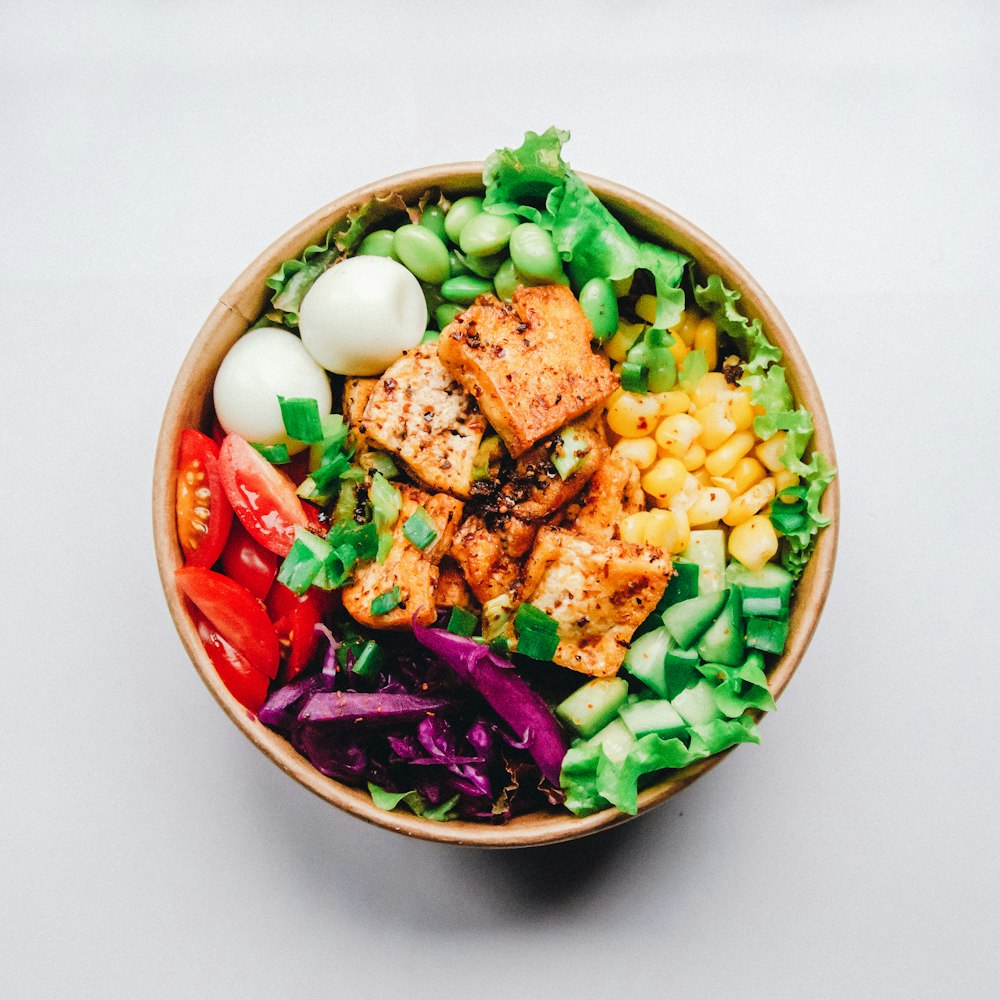
A vibrant coconut chickpea curry made entirely from pantry ingredients — proof that convenience does not mean compromising on flavor.
Benefits of Mastering Pantry Staple Cooking
Why should you invest time in learning how to cook with pantry ingredients? The advantages extend far beyond convenience. Here are the most compelling reasons backed by research and real-world experience.
- Significant Cost Savings: The average budget pantry cooking meal costs 40–60% less than a meal built from fresh ingredients alone. Canned beans, for example, cost roughly $0.80 per can versus $3–5 for an equivalent amount of fresh meat protein. Over a year, families who cook primarily from their pantry report saving between $800 and $1,200 on groceries.
- Dramatically Reduced Food Waste: Shelf-stable ingredients last months or even years. Unlike fresh produce that spoils within days, your non-perishable food recipes ingredients are ready whenever you are. The Natural Resources Defense Council reports that pantry-focused households waste 22% less food than average.
- Emergency Preparedness: A well-stocked pantry means you are ready for unexpected situations — snowstorms, illness, job loss, or global supply chain disruptions. The CDC recommends maintaining at least a 3-day supply of non-perishable food; pantry cooking takes that recommendation from survival to satisfaction.
- Time Efficiency: Quick pantry meals eliminate the need for frequent grocery trips. The average American spends 41 minutes per grocery trip (Statista, 2024). Reducing trips by even one per week frees up over 35 hours annually.
- Nutritional Control: Contrary to popular belief, pantry cooking can be exceptionally healthy. Canned vegetables retain most of their nutrients, beans are packed with fiber and protein, and whole grains provide sustained energy. You control the salt, sugar, and fat levels — something restaurant meals and processed foods do not offer.
- Culinary Creativity Boost: Constraints breed creativity. When you cook with limited ingredients, you develop a deeper understanding of flavor combinations and cooking techniques. Many chefs credit pantry cooking as the foundation of their improvisational skills.
"The most reliable path to consistent home cooking is not more recipes — it is a well-stocked pantry. When the ingredients are already there, the decision to cook becomes effortless."
— Mark Bittman, Food Writer and Author of How to Cook Everything
Pantry Cooking vs. Fresh-Only Cooking: A Head-to-Head Comparison
Is one approach objectively better? The truth is that the best home cooks blend both. But understanding the trade-offs helps you make smarter decisions for budget-friendly pantry recipes for beginners and beyond.
| Factor | Pantry-Based Cooking | Fresh-Only Cooking |
|---|---|---|
| Average Cost per Meal | $2.50 – $4.00 | $6.00 – $10.00 |
| Shelf Life of Ingredients | 6 months – 5+ years | 2 – 14 days |
| Preparation Time | 10 – 25 minutes | 25 – 60+ minutes |
| Food Waste Risk | Very Low (under 5%) | High (up to 30%) |
| Nutritional Variety | Moderate to High (with planning) | Very High (seasonal diversity) |
| Skill Level Required | Beginner-Friendly | Intermediate to Advanced |
| Reliance on Shopping Frequency | Low (monthly or less) | High (2–3 times per week) |
Global Pantry Meal Traditions: Inspiration from Around the World
Every culture has its own version of pantry staple meals — dishes born from necessity that became beloved national treasures. Exploring these global traditions expands your pantry meal ideas repertoire and introduces new flavor profiles to your kitchen.
Italy: Pasta Aglio e Olio
Perhaps the most famous easy meal with pantry staples only, this Roman classic requires just spaghetti, garlic, olive oil, chili flakes, and optionally parsley. It proves that five humble ingredients, treated with respect, can produce a dish worthy of any dinner table. Italians have relied on this dish for centuries during lean times — and it remains a comfort food icon today.
India: Dal and Rice
Across the Indian subcontinent, split lentils (dal) combined with rice form the backbone of daily nutrition. With turmeric, cumin, and a splash of oil, a bag of lentils transforms into a protein-rich, deeply satisfying meal. Budget pantry cooking does not get more nourishing than this — a single cup of dry lentils yields four generous servings at roughly $0.30 per serving.
Mexico: Sopa de Fideo
This toasted noodle soup, made with thin pasta, canned tomatoes, and broth, is a staple of Mexican home kitchens. It is fast, comforting, and endlessly adaptable — add canned beans, a dollop of crema, or a sprinkle of cheese. Mexican non-perishable food recipes like this one have fed generations with warmth and flavor.
Japan: Miso Soup with Rice
A tub of miso paste, dried wakame seaweed, and a pot of rice form the emergency meal trifecta in Japanese households. Miso paste keeps for months in the refrigerator, and with hot water and a few pantry additions, you have a nourishing soup in under five minutes. This is pantry organization for meals at its most elegant and efficient.
Middle East: Mujadara
Lentils, rice, and caramelized onions come together in this Levantine classic. With cumin, salt, and olive oil, it is a complete protein dish that has sustained communities for millennia. The ingredients are entirely shelf-stable, making it a perfect emergency pantry meal that tastes like a deliberate culinary choice.
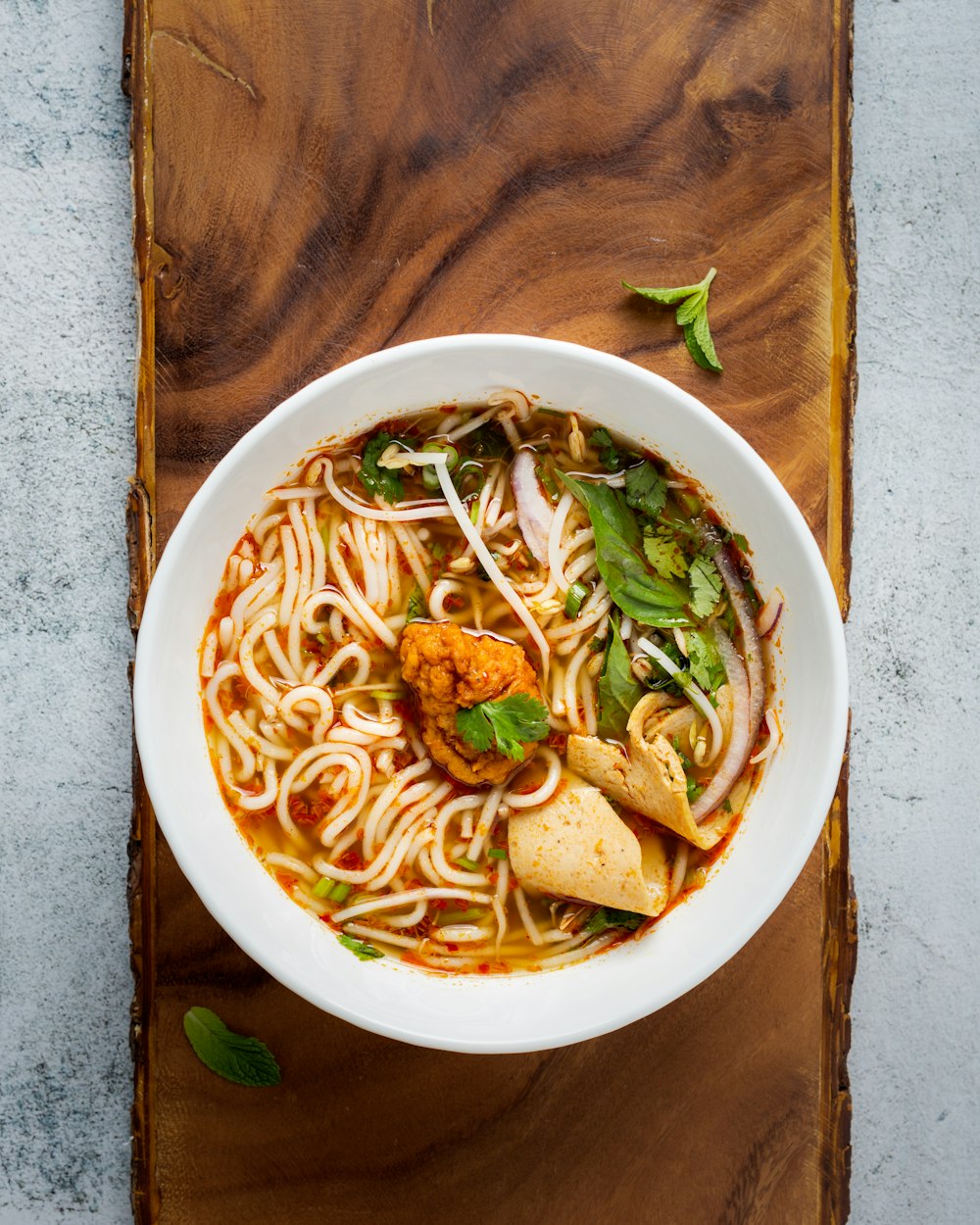
From Italian pasta to Indian dal, every culture offers delicious pantry-based dishes that stand the test of time.
Future Trends in Pantry Cooking: What Lies Ahead
The way we think about pantry staple meals is evolving rapidly. Several converging trends are reshaping how families stock, cook, and eat from their pantries worldwide.
Smart Pantry Technology
AI-powered kitchen devices and apps now track your inventory in real time. Smart containers measure what remains and automatically add items to digital shopping lists. Companies like Samsung and LG have unveiled refrigerators with internal cameras and AI that suggests pantry dinner ideas based on what you actually have. By 2030, industry analysts project that 35% of urban households will use some form of smart pantry management.
Climate-Resilient Pantry Planning
As climate change disrupts fresh food supply chains, resilient pantry meal ideas are gaining attention from policymakers and families alike. The United Nations Food and Agriculture Organization now emphasizes shelf-stable food systems as a buffer against climate volatility. Expect to see government-backed pantry planning guides and community food storage initiatives expand globally.
Premium Shelf-Stable Products
The stigma around canned and jarred foods is evaporating. Artisanal brands now offer restaurant-quality sauces, imported jarred vegetables, and gourmet canned seafood. The global shelf-stable food market is projected to reach $3.2 trillion by 2028 (Grand View Research), driven by demand for convenience without compromise. Healthy pantry staple meal planning has never been more accessible or more delicious.
Vision 2030 and Food Security
Several nations have incorporated food security into their long-term strategic plans. Saudi Arabia's Vision 2030, for instance, prioritizes food storage infrastructure and domestic food production capacity. Similar initiatives worldwide are normalizing emergency pantry meals as part of responsible household management — not as a sign of crisis, but as a marker of preparedness and self-sufficiency.
💡 Looking Ahead: The pantry of 2030 will be connected, climate-smart, and stocked with products our grandparents would not recognize — but the core principle remains unchanged. A well-stocked pantry means freedom, security, and the ability to nourish your family under any circumstances.
The modern pantry blends traditional wisdom with smart organization for maximum efficiency and minimal waste.
Frequently Asked Questions About Pantry Staple Meals
1. What exactly qualifies as a "pantry staple meal"?
A pantry staple meal is any dish where at least 70% of the ingredients come from shelf-stable, non-perishable sources. This includes canned goods, dried grains, jarred sauces, frozen vegetables, and long-lasting condiments. The remaining 30% may include fresh items like eggs, onions, or garlic. The defining characteristic is that the meal can be prepared without an emergency trip to the grocery store — you already have everything you need at home.
2. Are pantry staple meals healthy, or are they full of preservatives?
This is one of the most common misconceptions about cooking with pantry staples. Many shelf-stable foods are minimally processed — think dried beans, whole grains, canned vegetables (which are often preserved at peak freshness), and frozen produce. The key is to read labels and choose options with short ingredient lists. Canned beans, tuna, tomatoes, and frozen vegetables are nutritional powerhouses. A healthy pantry staple meal plan can easily meet or exceed nutritional guidelines when built around whole-food ingredients.
3. How long can I store pantry staples before they go bad?
Storage times vary by item. Canned goods typically last 2–5 years when stored in a cool, dry place. Dried grains and pasta last 1–2 years. Spices lose potency after 6–12 months but remain safe to consume. Always check "best by" dates, but understand these indicate quality rather than safety. The USDA confirms that properly stored canned goods remain safe indefinitely, though texture and flavor may gradually decline. For optimal pantry organization for meals, rotate stock quarterly.
4. What are the best pantry staples for beginners on a tight budget?
For budget-friendly pantry recipes for beginners, start with these affordable workhorses: rice, dried lentils, canned chickpeas, canned diced tomatoes, pasta, rolled oats, peanut butter, canned tuna, eggs, onions, garlic, olive oil, salt, pepper, cumin, and paprika. With just these 15 items (total investment roughly $30–40), you can prepare at least 20 different meals. Build from there as your confidence — and budget — grows.
5. Can I really make dinner without any fresh ingredients at all?
Absolutely. Easy meals with pantry staples only are entirely possible. Think pasta with canned tomato sauce and tuna, rice and beans with spices, or a coconut curry made with canned vegetables. The result may lack the bright crunch of a fresh salad, but it will be hot, satisfying, and nutritionally complete. Many families keep a stash of emergency pantry meals precisely for situations where fresh shopping is impossible — and find them delicious enough to make part of the regular rotation.
6. How do I add flavor to pantry meals so they do not taste bland?
Flavor is the secret weapon of great pantry meal ideas. Invest in a solid spice collection (cumin, paprika, chili flakes, garlic powder, dried herbs), keep soy sauce and vinegar on hand, and do not underestimate the power of caramelized onions. Acid (lemon juice from a bottle, vinegar) brightens heavy dishes. Umami boosters like tomato paste, soy sauce, and nutritional yeast add depth. Toast your spices in oil before adding liquids — this single technique transforms quick pantry meals from flat to fantastic.
7. Is it more expensive to stock a pantry than to buy fresh weekly?
The initial investment can feel significant — perhaps $100–150 to build a solid foundation. However, budget pantry cooking saves money in the medium and long term. Per-meal costs drop by 40–60% compared to fresh-only cooking. Additionally, you eliminate impulse purchases, reduce food waste, and cut transportation costs from extra grocery trips. Most families recoup their pantry investment within 6–8 weeks and begin saving money thereafter.
8. How do I transition my family to eating more pantry-based meals?
Start gradually. Replace one or two dinners per week with pantry dinner ideas that resemble familiar favorites. A tuna pasta bake, black bean tacos, or creamy rice pudding for dessert are excellent entry points. Involve family members in choosing recipes and stocking the pantry. When everyone has input, resistance drops. Over 4–6 weeks, increase the frequency. Most families find that pantry staple meals for busy families become eagerly anticipated — especially once everyone realizes dinner is reliably on the table in under 30 minutes.
Conclusion: Your Pantry, Your Power
Mastering pantry staple meals is about far more than convenience. It is about reclaiming control over your food budget, reducing waste, and building a buffer against life's uncertainties. It is about the quiet confidence of knowing that, no matter what the day brings, a warm, nourishing meal is always within reach. From easy meals with pantry staples only to globally inspired dishes that rival restaurant fare, your pantry holds unlimited potential — waiting for you to unlock it.
The strategies, lists, and pantry meal ideas in this guide give you a complete roadmap. Start small. Audit your cabinets. Fill one gap at a time. Cook one pantry dinner this week and see how it feels. Before long, you will join the millions of home cooks worldwide who have discovered that the secret to stress-free, budget-friendly, delicious cooking was sitting in their cupboards all along.
Your journey to confident, creative pantry cooking starts today. Open those cabinets, take inventory, and cook something wonderful. You already have everything you need.
🍲 Ready to Transform Your Pantry into a Meal Powerhouse?
Download our free Pantry Staple Meals Checklist and start cooking delicious, budget-friendly dishes tonight. No fancy equipment, no expensive ingredients — just real food from your own kitchen cabinets.
Join 25,000+ home cooks who have already transformed their kitchens.