How to Make Homemade Mozzarella Cheese: The Complete Beginner's Guide

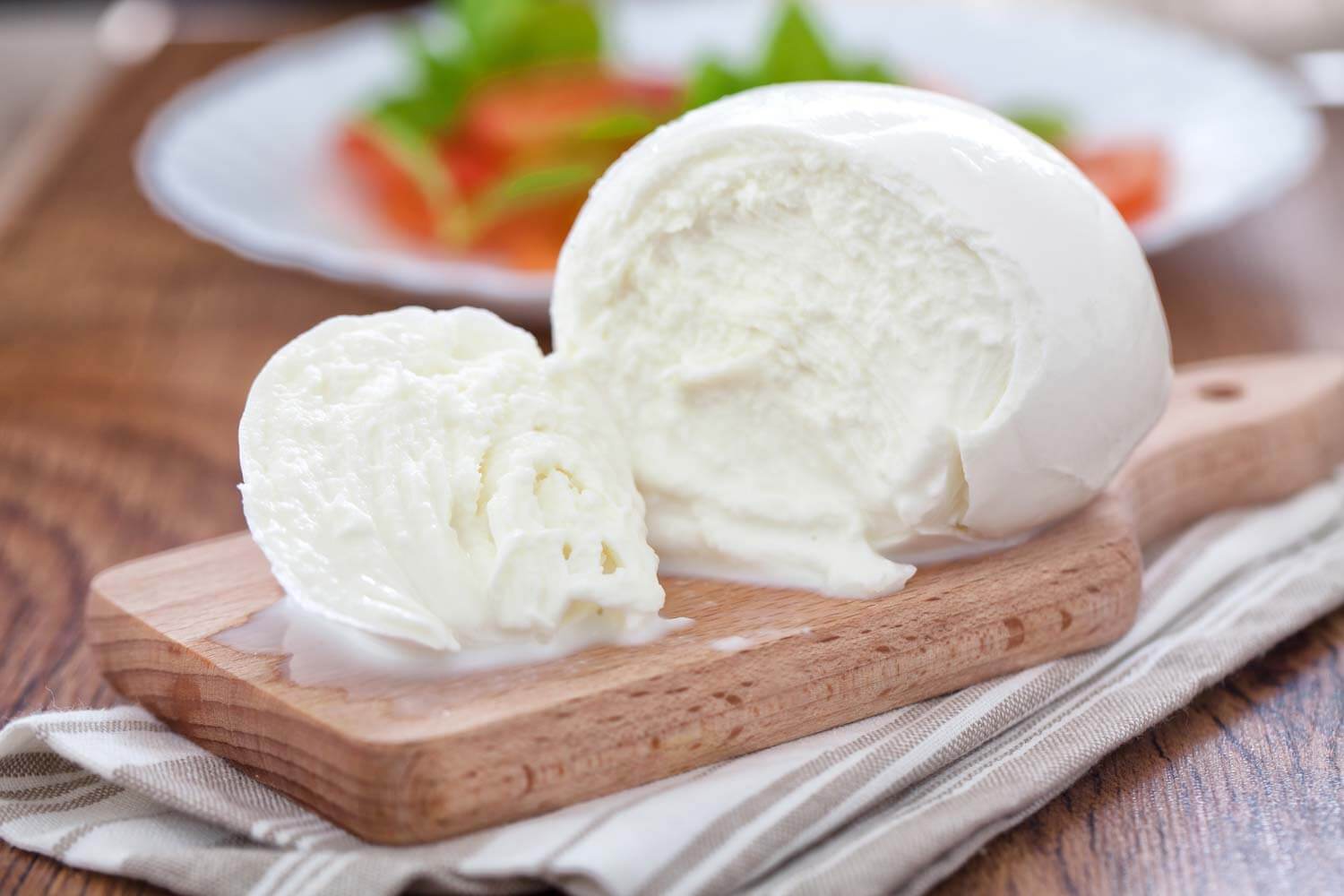
Fresh homemade mozzarella cheese balls—ready in just 30 minutes with simple ingredients.
Imagine pulling a warm, glossy ball of homemade mozzarella cheese from a bowl of hot water, stretching it gently until it becomes smooth and elastic, then slicing into it to reveal that signature milky, tender crumb. Now imagine doing all of this in your own kitchen—in just 30 minutes. Sounds ambitious? It is not only achievable but surprisingly simple. Whether you are a complete beginner or an experienced home cook looking to expand your repertoire, learning how to make mozzarella at home is one of the most rewarding culinary skills you can acquire. With just four core ingredients—milk, citric acid, rennet, and salt—you can transform an ordinary gallon of milk into a stunning ball of fresh mozzarella cheese that outperforms anything you will find in the supermarket dairy aisle. In this comprehensive guide, we will walk through every step of the DIY mozzarella cheese process, troubleshoot common pitfalls, compare milk types, and explore creative ways to use your fresh creation.
📋 Table of Contents
- What Is Mozzarella Cheese?
- Why Make Mozzarella at Home? 7 Compelling Reasons
- Essential Ingredients for Homemade Mozzarella
- Equipment You Will Need
- Step-by-Step 30-Minute Mozzarella Recipe
- Troubleshooting Common Mozzarella Problems
- Comparing Milk Types for Mozzarella Making
- Creative Ways to Use Your Homemade Mozzarella
- Storage and Shelf Life Tips
- Future Trends in Home Cheesemaking
- Frequently Asked Questions
What Is Mozzarella Cheese?
Mozzarella cheese is a traditional Italian pasta filata (stretched-curd) cheese originating from southern Italy, specifically the Campania region. The name "mozzarella" derives from the Italian verb mozzare, meaning "to cut off," referring to the hand-cutting process used to shape individual balls of cheese from the stretched curd mass. Unlike aged cheeses that require months of affinage, fresh mozzarella is meant to be consumed within days of production, prized for its delicate, milky flavor and characteristic elastic, slightly springy texture.
There are two primary types of mozzarella you should know about. Fresh mozzarella (mozzarella fresca) is made from whole cow's milk or, in its most prestigious form, water buffalo milk—the latter producing the revered Mozzarella di Bufala Campana, which holds Protected Designation of Origin (PDO) status under European Union law. Low-moisture mozzarella, the type commonly shredded on pizzas in the United States, undergoes additional drying and aging, resulting in a firmer texture and longer shelf life. When making homemade mozzarella cheese, you are replicating the fresh style—soft, moist, and ready to enjoy immediately.
💡 Did You Know? Authentic Mozzarella di Bufala Campana has been produced in Italy since the 12th century. Today, Italy produces over 300,000 tons of mozzarella annually, making it one of the country's most economically significant cheeses. The global mozzarella market was valued at approximately $31.5 billion in 2023 and is projected to reach $42 billion by 2030.
Why Make Mozzarella at Home? 7 Compelling Reasons
You might wonder whether homemade mozzarella cheese is worth the effort when store-bought options are readily available. The answer, as thousands of home cheesemakers have discovered, is a resounding yes. Here are seven reasons why making mozzarella at home is a game-changer for your kitchen:
- Unmatched Freshness: Fresh mozzarella cheese made at home can be on your plate within 30 minutes of starting. Commercially produced fresh mozzarella, even the best brands, is typically 3–7 days old by the time it reaches your refrigerator. That difference in freshness translates directly to superior flavor and texture.
- Cost Savings: A gallon of quality whole milk costs approximately $4–$6 and yields about 1 pound (450 grams) of fresh mozzarella. Compare this to artisanal fresh mozzarella, which retails for $12–$18 per pound. The savings add up quickly—especially if you make mozzarella regularly.
- Ingredient Control: When you make mozzarella from scratch, you know exactly what goes into it: milk, citric acid, rennet, and salt. No preservatives, anti-caking agents, modified food starches, or artificial additives that sometimes appear in commercial low-moisture mozzarella.
- Customizable Flavor: Homemade mozzarella becomes a canvas for creativity. You can fold in fresh herbs like basil or oregano, add cracked black pepper, incorporate roasted garlic, or even mix in sun-dried tomatoes directly into the curd during stretching. Try finding that at your local grocery store.
- Dietary Adaptability: Making mozzarella at home allows you to choose your milk source—organic, grass-fed, raw (where legally available), goat's milk, or even lactose-free milk—giving you complete control over the nutritional profile of your cheese.
- Theatrical Kitchen Experience: There is something genuinely magical about watching milk transform into curds and then stretching those curds into a shiny, smooth ball of cheese. It is a show-stopping activity for dinner parties, family cooking sessions, or teaching children about where food comes from.
- Sustainability: Homemade cheese making reduces reliance on plastic-packaged dairy products and long-distance refrigerated transport. Plus, the leftover whey—a byproduct often discarded in industrial settings—can be used in bread making, smoothies, soups, and even as a nutrient-rich plant fertilizer.
"Making mozzarella at home is one of those rare culinary projects that delivers a result exponentially better than what you can buy—while costing less and taking less time than most people imagine. It is the ultimate gateway into the world of artisanal cheesemaking."
— Ricki Carroll, author of Home Cheese Making
The four essential ingredients for homemade mozzarella: milk, citric acid, rennet, and salt—simple pantry staples.
Essential Ingredients for Homemade Mozzarella
The ingredient list for homemade mozzarella cheese is remarkably short. However, the quality and specificity of each ingredient matter enormously. Substitutions or shortcuts can lead to disappointing results, so understanding the role of each component is crucial for success.
1. Milk: The Foundation of Great Mozzarella
The single most important ingredient in your homemade mozzarella is the milk. Not all milk performs equally, and your choice here can mean the difference between a beautifully stretchy ball of cheese and a crumbly, grainy disappointment. The best milk for making mozzarella cheese at home is whole cow's milk with a fat content of at least 3.25%. Look for milk that is not ultra-high temperature (UHT) pasteurized. UHT processing—common in shelf-stable milk products—denatures the proteins necessary for proper curd formation and stretching. Instead, choose vat-pasteurized or low-temperature pasteurized milk. If you have access to raw milk from a trusted source, it produces exceptional mozzarella, though it requires careful handling.
⚠️ Important Alert: Avoid any milk labeled "UHT" or "ultra-pasteurized." These high-heat treatments damage the casein proteins essential for curd stretching. Your mozzarella will not come together properly if you use UHT milk—this is the number one reason beginners' mozzarella fails.
2. Citric Acid: The Acidifier
Citric acid is what acidifies the milk, lowering its pH to the optimal range (approximately 5.2–5.4) for rennet activity and curd stretching. You can find food-grade citric acid in the canning section of most grocery stores, at health food stores, or online. It typically comes in powdered form and is inexpensive—a small 4-ounce bag will make dozens of batches of mozzarella. Do not substitute lemon juice or vinegar for citric acid in this recipe, as the acidity levels are inconsistent and will produce unreliable results. Citric acid provides precise, repeatable acidification every time.
3. Rennet: The Coagulant
Rennet is the enzyme that causes milk proteins to coagulate into curds. For homemade mozzarella, you have two primary options. Liquid animal rennet is the traditional choice and produces excellent results with a clean, neutral flavor. Vegetable (microbial) rennet is a plant-based alternative derived from mold cultures, suitable for vegetarians. Both are available online and at specialty cheese-making supply stores. For beginners, liquid rennet is easier to measure accurately than tablet forms. Dilute your rennet in cool, non-chlorinated water before adding it to the milk—chlorine can deactivate the enzymes.
4. Salt: The Flavor Enhancer
Cheese-making salt or non-iodized kosher salt is the final essential ingredient. Iodized table salt can impart a metallic off-flavor and may interfere with the culturing process in more complex cheese recipes. For mozzarella, salt is typically added during the stretching phase or dissolved into the whey for brining after shaping. The amount is adjustable to your taste, but a good starting point is approximately 1 to 1.5 teaspoons of salt per pound of finished cheese.
Equipment You Will Need
One of the beauties of making mozzarella cheese at home is that you do not need any specialized or expensive equipment. Chances are, you already own everything required. Here is the complete list:
- Large stainless steel pot (at least 6-quart capacity) — Do not use aluminum or cast iron, as reactive metals can affect the acidification process and impart off-flavors to your cheese.
- Digital thermometer — Accurate temperature control is critical. A probe-style instant-read digital thermometer is ideal. You will need to monitor temperatures at 55°F (13°C), 90°F (32°C), and 105°F (41°C) precisely.
- Long knife or curd cutter — For cutting the curd mass into uniform cubes. A standard chef's knife works perfectly.
- Slotted spoon — For lifting curds from the whey during the separation phase.
- Microwave-safe bowl — For the stretching step. A 1.5- to 2-quart glass or ceramic bowl works best.
- Heat-resistant gloves (optional but recommended) — The curd during stretching reaches approximately 135°F (57°C). Food-grade nitrile gloves worn over clean hands provide protection. Alternatively, you can use two sturdy wooden spoons for the initial stretching before using your hands.
- Cheesecloth or fine-mesh strainer — For draining curds if needed.
- Measuring spoons — For precise citric acid and rennet measurements.
Step-by-Step 30-Minute Homemade Mozzarella Recipe
This is the classic 30-minute mozzarella recipe that has introduced thousands of home cooks to the world of fresh cheese making. Read through all the steps before beginning—the process moves quickly once you start, and having everything pre-measured and ready (what chefs call mise en place) will ensure a smooth, enjoyable experience.
Ingredients (Makes Approximately 1 Pound / 450g)
- 1 gallon (3.8 liters) whole milk (not UHT pasteurized)
- 1½ teaspoons citric acid powder, dissolved in ¼ cup cool, non-chlorinated water
- ¼ teaspoon liquid rennet (or ¼ rennet tablet), dissolved in ¼ cup cool, non-chlorinated water
- 1–1½ teaspoons cheese salt or kosher salt (non-iodized)
Instructions
Step 1: Acidify the Milk
Pour the gallon of cold milk into your large stainless steel pot. Add the dissolved citric acid solution and stir thoroughly with a slotted spoon in an up-and-down motion for about 30 seconds. The milk will begin to thicken slightly as the pH drops—this is normal and desirable. Place the pot over medium heat and attach your digital thermometer to the side of the pot, ensuring the probe tip is submerged in the milk but not touching the bottom of the pot.
Step 2: Heat to 90°F (32°C)
Heat the milk slowly, stirring gently and continuously to ensure even temperature distribution. Target temperature: 90°F (32°C). This should take approximately 5–8 minutes. Do not rush this step with high heat—gradual warming produces better curd formation. You may notice the milk beginning to look slightly grainy or separated around the edges. That is the acid working.
Step 3: Add the Rennet
Once the milk reaches 90°F, remove the pot from the heat. Pour the dissolved rennet solution over the surface of the milk and stir using the same up-and-down motion for exactly 30 seconds. Then stop stirring completely. Cover the pot with a lid and let it sit undisturbed for 5 minutes. During this time, the rennet is coagulating the milk proteins into a solid curd mass. Do not agitate the pot—patience here is essential.

The stretching phase—where curd transforms into smooth, glossy mozzarella. Work quickly while the curd is hot for the best texture.
Step 4: Check for a Clean Break
After 5 minutes, remove the lid. You should see a solid white curd mass that has pulled away from the sides of the pot, floating in a clear yellowish liquid (the whey). Insert a clean finger or the tip of a knife into the curd at a 45-degree angle and lift gently. The curd should break cleanly—this is the "clean break" test. If the curd is still soft and milky, re-cover the pot and wait an additional 2–3 minutes.
Step 5: Cut the Curd
Using a long knife, cut the curd mass into a 1-inch (2.5 cm) grid pattern. Make parallel cuts in one direction, then rotate the pot 90 degrees and cut perpendicular lines, creating uniform cubes. Finally, angle your knife and cut diagonally through the curd to ensure all pieces are roughly equal in size. Uniform curd size ensures even heating in the next step.
Step 6: Heat the Curds to 105°F (41°C)
Return the pot to the stove over low heat. Gently stir the curds with your slotted spoon while they warm to 105°F (41°C). This step, which takes about 3–5 minutes, encourages the curds to expel whey and firm up. You will see the curds shrink slightly and the amount of visible whey increase. Avoid vigorous stirring, which can shatter the curds and cause yield loss.
Step 7: Drain the Curds
Remove the pot from the heat. Using your slotted spoon, carefully transfer the curds to a microwave-safe bowl, leaving the whey behind. (Save the whey! It is excellent for bread baking, smoothies, or soup stocks.) Gently press the curds with your spoon to expel additional whey, then pour off the excess liquid that accumulates in the bowl.
Step 8: Microwave and Stretch (The Magic Moment)
Microwave the curds on high for 60 seconds. Remove the bowl—careful, it will be hot—and fold the curd mass over itself a few times using a spoon. Drain off any additional whey. Microwave for another 30 seconds. At this point, the curd should reach approximately 135°F (57°C) internally. Sprinkle the salt over the curd. Now, wearing your heat-resistant gloves (or using two sturdy spoons), begin to stretch the curd like taffy. Pull it away from you, fold it back onto itself, and repeat. If the curd tears rather than stretches, it needs more heat—microwave in additional 15-second bursts. As you stretch, the curd transforms from a rough, grainy mass into a smooth, shiny, elastic ball. This is the hallmark of successful homemade mozzarella cheese.
💡 Pro Tip: Do not over-stretch! Three to five good stretches are usually sufficient. Overworking the curd can produce a tough, rubbery mozzarella. You want it smooth and supple, not over-kneaded like bread dough. If the curd becomes difficult to stretch, a quick 15-second microwave burst will restore its pliability.
Step 9: Shape and Cool
Once your mozzarella is smooth and glossy, shape it into a ball by tucking the edges underneath, creating surface tension across the top—similar to shaping a bread roll. For smaller servings, pinch off individual bocconcini-sized balls (about the size of a golf ball). Immediately plunge the shaped mozzarella into a bowl of ice water for 5 minutes. This rapid cooling sets the shape and gives the cheese its characteristic springy texture. After cooling, transfer to a container, cover with fresh cold water or whey, and refrigerate. Your homemade mozzarella cheese is ready to enjoy!
Troubleshooting Common Homemade Mozzarella Problems
Even experienced home cheesemakers encounter occasional challenges. Here are the most common troubleshooting homemade mozzarella cheese problems and how to fix them:
| Problem | Likely Cause | Solution |
|---|---|---|
| Curd won't form properly | UHT milk used; rennet expired; chlorine in water deactivated rennet | Switch to vat-pasteurized milk; check rennet expiration date; always use non-chlorinated (filtered or distilled) water to dilute rennet |
| Curd is crumbly and won't stretch | Curd not hot enough; pH too low (over-acidified); curd overheated and proteins denatured | Ensure curd reaches 135°F (57°C) before stretching; measure citric acid precisely; avoid heating curds above 145°F (63°C) |
| Mozzarella is tough and rubbery | Over-stretched during the kneading phase | Limit stretching to 3–5 folds; stop once the surface becomes smooth and glossy; less is more |
| Cheese tastes bland | Insufficient salt; low-quality milk | Increase salt to 1½ teaspoons per pound; use high-quality, fresh whole milk from a reputable dairy |
| Mozzarella has grainy texture | Acid added too quickly; curd cut too small; milk heated too rapidly | Dissolve citric acid fully before adding; cut curds into 1-inch cubes; heat milk gradually over medium heat |
Comparing Milk Types for Mozzarella Making
The type of milk you select has a profound impact on the flavor, texture, and yield of your homemade mozzarella cheese. Here is a detailed comparison of the most common milk options available to home cheesemakers:
| Milk Type | Fat Content | Yield (per gallon) | Flavor Profile | Stretch Quality | Best For |
|---|---|---|---|---|---|
| Whole Cow's Milk (Vat-Pasteurized) | 3.25–3.5% | 14–16 oz (400–450g) | Clean, milky, balanced | ⭐⭐⭐⭐⭐ | Everyday mozzarella; pizza; caprese salad |
| Raw Cow's Milk | 3.5–4.5% | 15–18 oz (425–510g) | Complex, grassy, terroir-driven | ⭐⭐⭐⭐⭐ | Artisanal cheese; special occasions |
| Goat's Milk | 3.5–4.0% | 12–14 oz (340–400g) | Tangy, slightly gamey, distinctive | ⭐⭐⭐ | Flavor experimentation; goat cheese lovers |
| Organic Whole Milk | 3.25–3.5% | 13–15 oz (370–425g) | Clean, slightly sweeter | ⭐⭐⭐⭐ | Organic-focused kitchens |
| UHT / Ultra-Pasteurized Milk | varies | Unreliable | N/A | ❌ Fails | Not recommended—proteins damaged |
The clear winner for beginners is vat-pasteurized whole cow's milk from a local dairy. It is widely available, affordable, and produces consistently excellent results. If you are looking to elevate your homemade mozzarella, seek out raw milk from a trusted farm—the depth of flavor is remarkable, and the yield is slightly higher due to the intact protein structure.

A classic Caprese salad—the perfect showcase for your fresh homemade mozzarella cheese.
Creative Ways to Use Your Homemade Mozzarella
Once you have mastered the art of making mozzarella cheese at home, a world of culinary possibilities opens up. Here are some of the best ways to showcase your fresh creation, drawing inspiration from kitchens across the globe:
Classic Italian Applications
- Insalata Caprese: The quintessential expression of fresh mozzarella. Layer thick slices of your homemade cheese with equally thick slices of ripe heirloom tomatoes and fresh basil leaves. Drizzle with extra-virgin olive oil, a touch of balsamic reduction, and a sprinkle of flaky sea salt. The quality of each ingredient matters enormously here—your homemade mozzarella will be the star.
- Pizza Margherita: Tear your mozzarella into rustic pieces and scatter them over a thin crust with San Marzano tomato sauce. The cheese melts into glorious pools of milky richness. For best results, pat the mozzarella dry with paper towels before using it on pizza to prevent a watery crust.
- Mozzarella in Carrozza: A beloved Neapolitan street food—essentially a fried mozzarella sandwich. Encase slices of your cheese between two pieces of crustless white bread, dip in beaten egg, and pan-fry in butter until golden and the cheese is molten.
Global Fusion Ideas
- Japanese-Inspired Mozzarella Gyoza: Wrap small pieces of mozzarella in gyoza wrappers with a shiso leaf and pan-fry until crispy. Serve with a soy-citrus dipping sauce for an unexpected fusion appetizer that delights dinner guests.
- Middle Eastern Fatteh with Mozzarella: Layer crispy pita chips with warm chickpeas, garlic yogurt, toasted pine nuts, and torn pieces of fresh mozzarella. The cheese adds a creamy, mild counterpoint to the tangy yogurt and crunchy pita.
- Mexican Street Corn-Style Mozzarella: Grill thick slabs of mozzarella until they develop char marks, then top with elote-style seasonings—chili powder, lime juice, crumbled cotija (or more mozzarella!), and fresh cilantro.
Storage and Shelf Life Tips
Fresh homemade mozzarella cheese is a perishable product without the preservatives found in commercial cheese. Proper storage is essential to maintain its quality and safety. Here is what you need to know:
- Refrigeration: Store your mozzarella submerged in fresh, cool water or reserved whey in an airtight container. Change the liquid daily to maintain freshness. Properly stored, homemade mozzarella will keep for 3–5 days in the refrigerator.
- Bringing to Room Temperature: Always remove mozzarella from the refrigerator 30–45 minutes before serving. Cold mutes the delicate milky flavor and firms the texture. Room-temperature mozzarella is softer, more flavorful, and far more enjoyable.
- Freezing: While possible, freezing fresh mozzarella is not ideal. The high moisture content causes ice crystals to form, which rupture the cheese's structure upon thawing, resulting in a crumbly, watery texture. If you must freeze it, vacuum-seal the cheese and use it within one month for cooked applications only (pizza, baked pasta).
- Signs of Spoilage: Discard your mozzarella if you notice a sour or unpleasant odor, visible mold growth, a slimy surface, or a pinkish discoloration. Fresh mozzarella should always smell clean and milky.
💡 Storage Tip: For the best flavor and texture, plan to make your mozzarella the same day you intend to serve it. Fresh mozzarella is at its absolute peak within the first 6–12 hours after production. If you are hosting a dinner party, schedule your cheese-making session for the early afternoon—the timing works perfectly.
Future Trends in Home Cheesemaking
The resurgence of interest in homemade cheese making is not a passing fad—it reflects a deeper cultural shift toward self-sufficiency, artisanal food production, and transparency in our food supply. Several emerging trends are shaping the future of home cheesemaking:
Technology-Enabled Cheesemaking
Smart kitchen devices are beginning to enter the cheesemaking space. Temperature-controlled induction cooktops with precise digital controls, pH meters designed for home use, and even smart thermometers that connect to smartphone apps are making the process more foolproof. In the coming years, we may see dedicated home cheesemaking appliances—similar to bread machines—that automate the heating, acidification, and coagulation steps while leaving the hands-on stretching to the user. This democratization of technology will make homemade mozzarella cheese accessible to an even wider audience.
Sustainability and Circular Food Systems
As awareness of food waste grows, the concept of whole-ingredient utilization is gaining traction. The whey left over from mozzarella production—rich in protein, minerals, and lactose—is increasingly valued rather than discarded. Home cooks are discovering whey's versatility in baking (it makes incredibly tender bread), fermenting (whey-based lacto-fermented vegetables), and even in cocktails (whey adds a silky texture to mixed drinks). This aligns with global sustainability goals that emphasize reducing food waste at all levels of production.
The Rise of Home Dairy Micro-Enterprises
In many parts of the world—from the United States to Australia to Southeast Asia—cottage food laws are evolving to permit the sale of certain homemade dairy products. This has given rise to a new class of micro-entrepreneurs who produce small-batch mozzarella, ricotta, and other fresh cheeses for local farmers' markets and direct-to-consumer sales. What begins as a hobby in a home kitchen can evolve into a viable business, supported by online platforms and community-supported agriculture (CSA) networks.
Plant-Based and Hybrid Alternatives
While traditional mozzarella relies on dairy milk, the explosive growth of plant-based eating has spurred innovation in the alternative cheese sector. Interestingly, many of the techniques used in homemade mozzarella production—acidification, controlled heating, stretching—are being adapted by food scientists to create plant-based cheeses with improved meltability and stretch. For the home cook, understanding the science behind traditional mozzarella provides a foundation for experimenting with hybrid or alternative approaches, should they choose to explore them.

Don't discard the whey! This protein-rich byproduct is a baker's secret weapon—use it in bread, pizza dough, or soups.
Frequently Asked Questions About Homemade Mozzarella Cheese
1. Can I make mozzarella cheese without rennet?
Technically, yes—but with significant caveats. Some traditional recipes use acidic substances like lemon juice or vinegar to coagulate milk, producing a cheese closer to paneer or queso blanco. However, true mozzarella's signature stretch comes from the specific enzymatic action of rennet on casein proteins. Without rennet, you cannot achieve the elastic, stretchy texture that defines mozzarella. For the best easy homemade mozzarella cheese recipe without rennet confusion, use rennet—it is the right tool for the job. Vegetable rennet is widely available online and suitable for vegetarians.
2. Why did my mozzarella turn out rubbery?
Rubbery mozzarella is almost always the result of over-stretching. When you work the curd too much during the stretching phase, the protein strands align too tightly, creating a dense, chewy texture. Limit your stretching to 3–5 gentle folds. The mozzarella should become smooth and glossy, not tough and resistant. Think of it like folding a delicate fabric—a few careful movements are all that is needed.
3. What is the best milk for making mozzarella cheese at home?
The best milk for making mozzarella cheese at home is whole cow's milk that has been vat-pasteurized (low-temperature pasteurized) rather than ultra-pasteurized. Look for local dairy brands that specify "vat-pasteurized" or "low-temp pasteurized" on the label. Raw milk, where legally available, produces exceptional results. Avoid any milk labeled "UHT" or "ultra-pasteurized"—these high-heat treatments irreversibly damage the proteins needed for curd formation and stretching.
4. How long does homemade mozzarella last?
Fresh homemade mozzarella cheese has a refrigerated shelf life of 3 to 5 days when stored submerged in water or whey in an airtight container. Change the storage liquid daily to maintain freshness. For the best quality, consume your mozzarella within 48 hours of making it. The cheese is at its absolute peak of flavor and texture within the first 12 hours.
5. Can I use goat's milk to make mozzarella?
Yes, you can make mozzarella with goat's milk, and the result has a distinctive tangy, slightly gamey flavor that many cheese enthusiasts adore. However, goat's milk mozzarella is notably more challenging to stretch than cow's milk mozzarella due to differences in the casein protein structure. The curd tends to be more delicate and may require gentler handling. For your first few attempts at homemade mozzarella, start with cow's milk to build confidence before experimenting with goat's milk.
6. Is making mozzarella at home cost-effective?
Absolutely. A gallon of quality whole milk costs approximately $4 to $6 and yields about 1 pound (450 grams) of fresh mozzarella. Artisanal fresh mozzarella from specialty stores typically costs $12 to $18 per pound. Factoring in the minimal cost of citric acid and rennet (pennies per batch), you can save 50–70% compared to store-bought equivalents while enjoying superior freshness. A family that consumes mozzarella weekly could save $400–$600 annually by making it at home.
7. Why do I need to use non-chlorinated water?
Chlorine is a powerful antimicrobial agent—and unfortunately, it does not discriminate between harmful bacteria and the delicate enzymes in rennet. Even trace amounts of chlorine in tap water can deactivate rennet, preventing proper curd formation. Always use filtered, distilled, or bottled spring water when dissolving your citric acid and rennet. This small detail is one of the most common overlooked factors in failed mozzarella attempts.
8. Can I double the recipe?
Doubling a mozzarella recipe is possible, but it requires careful attention to a few critical details. When working with 2 gallons of milk, you will need a larger pot (at least 10–12 quarts) to accommodate the increased volume. The heating times will be longer, and you may need to work in two batches during the microwave stretching phase, as most microwave-safe bowls cannot comfortably hold more than 1 pound of curd. For beginners, making two separate 1-gallon batches back-to-back is often more manageable than doubling all at once.
Conclusion: Your Homemade Mozzarella Journey Begins Now
Making homemade mozzarella cheese is far more than a kitchen project—it is a transformative experience that reconnects you with one of humanity's oldest and most cherished food traditions. In just 30 minutes, using four simple ingredients and basic equipment you already own, you can create something genuinely extraordinary: a ball of fresh, milky, tender mozzarella that carries the unmistakable signature of your hands and your kitchen. The skills you develop through this process—understanding acidification, coagulation, and protein stretching—will serve as a foundation for exploring the wider world of artisanal cheesemaking, from ricotta and paneer to more complex aged cheeses.
Remember that your first batch may not be perfect, and that is entirely normal. Even slightly imperfect homemade mozzarella tastes better than most store-bought alternatives. Each attempt teaches you something new about the behavior of milk, the importance of temperature, and the feel of properly stretched curd. With practice, the process becomes intuitive, and the results become consistently outstanding. So gather your ingredients, clear your counter, and give yourself the gift of fresh mozzarella made with your own hands. You will wonder why you did not start sooner.
🧀 Ready to Make Your Own Fresh Mozzarella?
Gather your ingredients, set aside 30 minutes, and experience the magic of transforming milk into cheese right in your own kitchen. Whether you are preparing for a family pizza night, a summer Caprese salad, or simply want to impress your friends, homemade mozzarella cheese is the ultimate culinary showstopper—and it is easier than you think.
Share your creations with us! Tag your photos with #HomemadeMozzarella and inspire others to start their cheesemaking journey.
🏷️ Tags / Labels
Homemade Mozzarella Cheese Making Italian Cooking 30-Minute Recipes DIY Food Beginner Cheese Homemade Dairy Fresh Mozzarella Kitchen Tutorials
Recommended Reading: More Cheese Making Guides · Italian Cooking Recipes · Homemade Dairy Projects · Beginner-Friendly Recipes · Kitchen Tips & Tricks
External Resources: New England Cheesemaking Supply Co. · Cultures for Health · Serious Eats Food Science