The Ultimate Chocolate Chip Cookie Recipe: Soft, Chewy, and Irresistibly Golden
Master the perfect chocolate chip cookie recipe with our foolproof guide. Discover the science behind chewy centers, crispy edges, and the ideal balance of chocolate in every bite. From classic soft-baked to innovative global variations, this comprehensive 2026 baking resource covers everything you need to know.
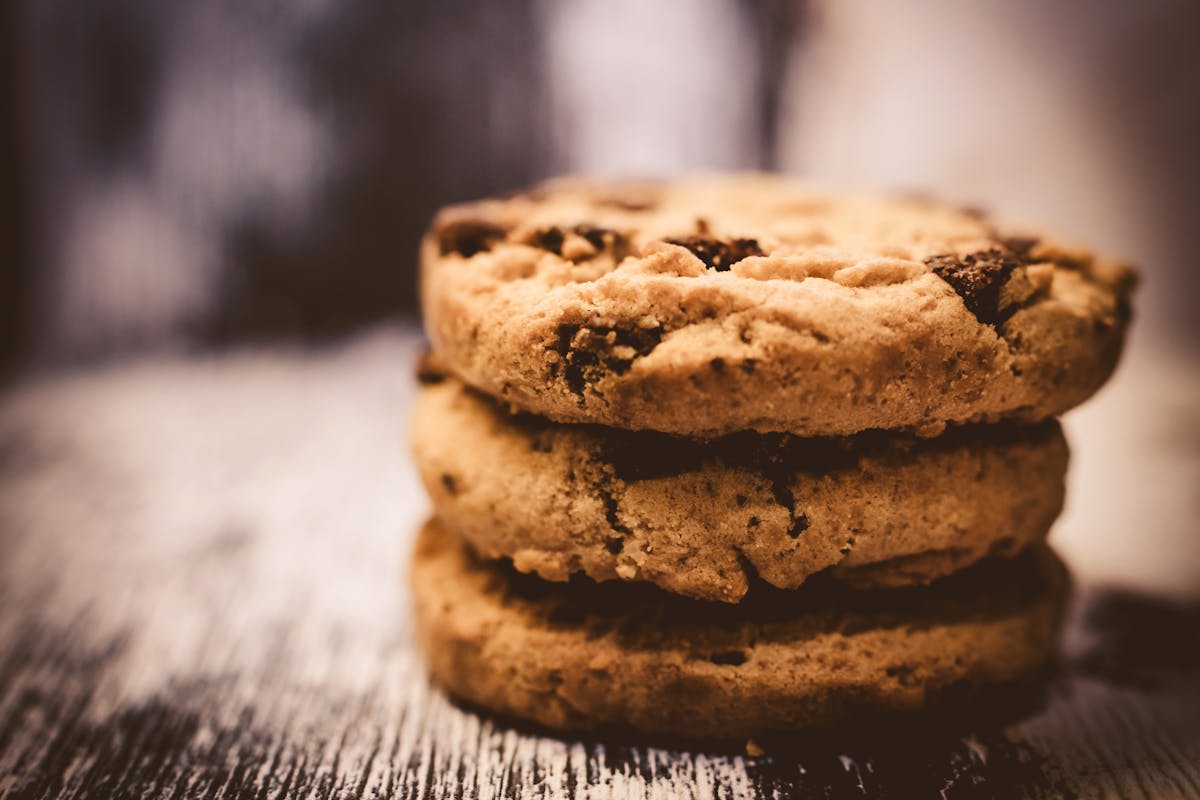
You know that moment when the warm aroma of butter and vanilla fills your kitchen? That is the promise of a perfect chocolate chip cookie recipe. In fact, over 7 billion chocolate chip cookies are consumed annually in the United States alone, but achieving that magical balance of a golden-brown edge and a soft, gooey center often feels elusive. You might have faced flat, greasy puddles or cakey, dry lumps. This is not just another list of ingredients; this is your definitive guide to mastering the science of cookie chemistry. We will explore why European-style butter dramatically changes your results, how resting the dough for 24 hours develops deep toffee notes, and the precise ratio of brown to white sugar required for that coveted chewy texture.
Whether you are a novice baker or a seasoned pro looking for the ultimate chewy chocolate chip cookies from scratch, you are about to unlock the secrets to consistency. We are going deep on ingredient temperatures, the exact mixing method that prevents gluten overdevelopment, and the visual cues that tell you exactly when to pull the tray from the oven. Forget the myths; let’s bake with precision.
📖 Table of Contents
The Science Behind a Chewy Chocolate Chip Cookie Recipe
Baking is a delicious chemistry experiment. If you want to stop baking inconsistent batches, you must understand what your ingredients are doing in the oven. The difference between a soft, cake-like cookie and our target—a chewy chocolate chip cookie—lies almost entirely in the ratio of moisture, fat, and sugar crystallization.
The Sugar Equation: Brown vs. White
Sugar is not just a sweetener; it is the architect of texture. White granulated sugar dissolves and melts during baking, creating spread and those crispy, lacy edges you love. Brown sugar, however, is hygroscopic—meaning it absorbs moisture from the air. Because brown sugar contains molasses, it adds acidity and moisture, keeping your cookies thick and soft for days. For the best chocolate chip cookie recipe, you need a higher ratio of brown sugar to white. We recommend a 3:1 ratio to lock in that chewiness without making the cookie too dense.
💡 Tip Box: Always pack your brown sugar firmly into the measuring cup. If a recipe calls for "1 cup packed brown sugar," you should be able to unmold it and have it hold its shape briefly. Loose sugar drastically reduces moisture content.
Butter Temperature and the Creaming Process
Your butter must be truly at room temperature—around 65°F to 67°F (18°C to 19°C). If it’s too cold, it won't form proper air pockets with the sugar, resulting in dense, flat cookies. If it’s melted or greasy, you’ve already lost the structure before flour even enters the bowl. When you cream butter and sugar together, you are mechanically forcing air into the fat matrix. This process should take a full 4 to 5 minutes on medium-high speed until the mixture is pale and fluffy. This air expansion is what initially lifts your cookies in the oven before the butter melts.
Ingredient Selection and Strategic Substitutions
Using the right chocolate chip cookie ingredients separates a good cookie from a legendary one. Every component, from the protein content of your flour to the cacao percentage of your chocolate, serves a specific structural or flavor purpose. Let’s break down the essentials.
- Flour: Use All-Purpose flour with a moderate protein content (10-12%). Bread flour can be used for extra chewiness (12-14% protein), but it risks toughness if overmixed.
- Chocolate: Avoid standard chips that contain stabilizers preventing a good melt. Use "chocolate chunks" or a chopped high-quality bar (60-70% cacao). The uneven shards create pockets of melted chocolate.
- Eggs: One large egg plus one extra egg yolk. The yolk adds emulsifiers (lecithin) and fat, contributing to a fudgy, tender crumb.
- Sea Salt: Flaky sea salt is non-negotiable. A sprinkle on top before baking cuts through the sweetness and activates the flavor receptors on your tongue.
- Vanilla: Pure extract, not imitation. Vanilla amplifies the buttery notes and the complexity of the chocolate.

The Ultimate Step-by-Step Chocolate Chip Cookie Recipe
This recipe has been tested rigorously to achieve a cookie that is crisp on the perimeter, chewy in the center, and packed with molten chocolate. Follow these weights precisely for the best results. A digital scale is your greatest tool for a homemade chocolate chip cookie recipe that looks professional.
Ingredients
- 226g (1 cup) unsalted butter, softened to cool room temperature
- 300g (1.5 cups) light brown sugar, packed
- 100g (0.5 cup) granulated white sugar
- 1 large whole egg + 1 large egg yolk
- 2 teaspoons pure vanilla extract
- 320g (2.5 cups) all-purpose flour, spooned and leveled
- 1 teaspoon baking soda
- 1.5 teaspoons cornstarch (the secret ingredient for softness)
- 1 teaspoon fine sea salt
- 300g (approx. 2 cups) semi-sweet chocolate chunks
Method
- Rest the Dough (Critical Step): In a stand mixer, cream butter and sugars for 5 minutes until light and fluffy. Add eggs and vanilla. In a separate bowl, whisk flour, baking soda, cornstarch, and salt. Mix dry into wet ingredients until just combined—do not overmix. Fold in chocolate chunks. Cover and refrigerate the dough for at least 24 hours, up to 72 hours. This allows the starches to break down and the dough to develop profound toffee notes.
- Scoop and Prep: After chilling, let the dough sit at room temperature for 20 minutes if it’s too hard to scoop. Scoop into 3-tablespoon sized mounds (about 50g each). Roll into tall, cylindrical balls rather than perfect spheres. Taller dough stacks melt slower, keeping the center thick.
- Baking: Preheat oven to 350°F (175°C). Place dough mounds on a parchment-lined baking sheet, spaced 3 inches apart. Sprinkle the tops with flaky sea salt. Bake for 11 to 13 minutes. The edges should be golden and set, but the center will look slightly underdone and puffy.
- The Slam Method: Remove the pan from the oven and immediately "slam" it against a heat-proof surface or the stovetop 2-3 times. This deflates the rising air, creating ripples and a dense, chewy texture.
🌿 Pro Tip: Don't ignore the cornstarch! It sounds unusual, but 1.5 teaspoons of cornstarch tenderizes the gluten in the flour, mimicking the texture of cake flour without sacrificing structure. This is the key to a soft-baked chocolate chip cookie recipe that stays fresh for days.
Global Baking: Variations on the Classic Cookie
While the Toll House method remains iconic, global palates have introduced exciting twists to the standard recipe. As baking communities in the UK, Australia, and across Asia experiment, the chocolate chip cookie recipe has evolved. Here are three global variations you can try today.

| Region | Flavor Profile | Key Ingredient Twist | Texture Goal |
|---|---|---|---|
| Japan | Matcha White Chocolate | 1 tbsp ceremonial matcha powder substituted for 1 tbsp flour | Soft & Cakey |
| France | Brown Butter & Fleur de Sel | Beurre noisette (browned butter) and bitter chocolate | Crispy & Lacy |
| Australia/NZ | Golden Syrup ANZAC | Swap white sugar for golden syrup; add toasted coconut | Extremely Chewy |
| Mexico | Spiced Cinnamon & Chili | Cinnamon stick infused butter; a pinch of chipotle powder | Soft with a kick |
Troubleshooting: Why Your Cookies Failed (And How to Fix Them)
Even the best chocolate chip cookie recipe can go wrong if the execution is off. If you are staring at a sheet pan of pancake-flat cookies right now, don't throw them out. Let’s diagnose your cookie problems based on appearance.
"Cookies are forgiving, but they are honest. They show you exactly what happened in the mixing bowl. A greasy cookie means your butter was too warm; a pale, puffy cookie means you used too much egg or flour. Listen to what your cookie is telling you."
— Sarah Kieffer, Creator of the Pan-Banging Cookie
Problem: The Cookie Spread Too Thin
This happens to almost every beginner. The culprit is almost always fat temperature. If you used melted butter or your room temperature butter was actually liquid (above 72°F), the dough heats up too fast in the oven. The butter leaks out before the structure sets. The fix: chill your dough balls for 15 minutes before baking. If the problem persists, add 2 tablespoons of extra flour to stabilize the fat in your dough.
Problem: Cakey, Puffy Texture
You are looking for chewy, but you got cake. This is a classic flour-to-fat imbalance. You likely "scooped" the flour directly from the bag with the measuring cup, compacting it and adding up to 30% more flour than the recipe intends. You need to "spoon and level" the flour. Additionally, using only white sugar and a whole extra egg will create a cakey structure. Replace one egg white with two tablespoons of milk to thin the protein structure next time.
Frequently Asked Questions: Mastering Your Chocolate Chip Cookie Recipe
Here are the most specific, data-driven answers to the questions bakers around the world ask most frequently.
Q: Why is resting the dough for 24 hours better?
Resting allows the flour proteins (gluten) to relax and the starches to break down into simple sugars. This results in better caramelization and a deeper toffee flavor. A 24-hour rest also hydrates the dry flour fully, preventing that raw-flour taste and ensuring a chewy center rather than a grainy one. Studies in food science show that enzymatic activity peaks at the 36-hour mark, making it the ideal "baking window."
Q: Can I freeze the cookie dough for later?
Absolutely. In fact, freezing preserves the dough at its peak. Scoop the dough into individual balls, freeze them solid on a tray (about 1 hour), then transfer them to a sealed bag. You can bake them directly from frozen; just add 3 to 5 minutes to the baking time. The texture is often superior because the fat stays cold, limiting spread.
Q: Why are my chocolate chip cookies not gooey?
Gooeyness depends on moisture and chocolate state. If you baked them too long (beyond golden edges), the moisture evaporates. Use an oven thermometer to ensure your actual temperature isn't higher than 350°F. Also, remove the cookies when the centers still look shiny and slightly under-baked; they will firm up as they cool.
Q: What is the best chocolate for melting pockets?
Avoid "baking chips" designed to hold their shape. You need a high-quality couverture chocolate bar (Valrhona, Callebaut, or Ghirardelli melting wafers) chopped into uneven chunks. The cocoa butter content in these bars is higher, creating fluid lava-like pockets once baked.
Q: How do I make my cookies perfectly round?
The "scoop and scrape" trick works wonders. Immediately after the cookies come out of the oven, use a large round cookie cutter (bigger than the cookie) to encircle the hot cookie and swirl it in a circular motion. This gently nudges the edges into a flawless circle before the cookie structure sets.
The Future of Baking: 2026 Cookie Trends and Sustainability
As we look toward the future of home baking, the chocolate chip cookie recipe continues to evolve. The biggest shift in 2026 revolves around sustainability and alternative flours. With climate change affecting wheat crops and cocoa bean supply chains, smart bakers are beginning to blend regenerative agriculture-sourced flours.
We see a rise in "blended flours"—combining 50% all-purpose flour with 50% freshly milled spelt or einkorn. These ancient grains require less water and fewer pesticides, and they introduce a nutty sweetness that complements dark chocolate beautifully. Furthermore, the era of single-origin chocolate is here. Bakers are moving beyond generic semi-sweet labels to traceable cacao from specific regions like Ghana or Ecuador, which highlight fruity or earthy notes in the dough.
In alignment with the global push toward greener kitchens, the "Vision 2030" for baking emphasizes waste reduction. The top pastry chefs now advocate for "whole-process baking," where you might use brown butter solids in the dough and repurpose vanilla pods into your sugar jar. It’s a holistic approach ensuring your best chocolate chip cookie recipe is not only delicious but responsible.
Dietary Modification Comparison
| Diet Type | Fat Replacement | Flour Replacement | Binding Agent |
|---|---|---|---|
| Classic | Unsalted Butter | All-Purpose Wheat Flour | Whole Eggs |
| Gluten-Free | Butter (or Coconut Oil) | 1-to-1 Gluten-Free Blend with Xanthan Gum | Eggs (or Flax Egg) |
| Vegan | High-Quality Vegan Butter Sticks | All-Purpose Flour | Flax Egg (1 tbsp flax + 2.5 tbsp water) |
Baking Your Masterpiece
We have journeyed through the chemistry of the perfect cookie, from the protein strands of the flour to the crystallization of the sugar. You now understand that the ultimate chocolate chip cookie recipe isn't about secret ingredients—it's about technique and patience. The 24-hour rest, the ratio of brown sugar to white, and the audacious slam of the pan against the counter are what separate an ordinary biscuit from a life-changing experience.
You have the tools. You know to watch for the golden edges and the slightly underdone center. Whether you are baking the classic version for a school bake sale, a matcha-infused version for a cultural festival, or a gluten-free batch for a friend, the principles remain the same. Trust your thermometer, use the scale, and always sprinkle that flaky sea salt on top. The kitchen is your lab, and the cookie is your delicious experiment. Happy baking!
Ready to Bake the Perfect Batch?
Save this recipe to your phone or print it out. Tag us in your baking photos using #UltimateCookie2026—we feature the best bakers every week!
📩 Subscribe to our newsletter for more exclusive baking science guides.
🏷️ Article Tags
Chocolate Chip Cookie Recipe Chewy Cookies Baking Science Soft-Baked Cookies Homemade Desserts Cookie Troubleshooting Global Cookie Variations