The Ultimate Fried Rice Recipe: Mastering the Global Wok-Staple at Home
Did you know that nearly 80% of home cooks fail to achieve the perfect "wok hei" (breath of the wok) on their first try? This iconic fried rice recipe isn't just about tossing leftovers in a pan; it is a precise science of heat management, moisture control, and ingredient sequencing. Whether you are craving the smoky depth of Chinese takeout, the spicy kick of Indonesian Nasi Goreng, or the umami-bomb of Japanese Hibachi, you’ve landed on the definitive guide. We will break down every grain of logic to ensure your homemade fried rice surpasses restaurant quality, eliminates sogginess, and becomes a versatile staple in your global kitchen. Get ready to transform simple day-old rice into a sizzling masterpiece bursting with vibrant textures and aromas.
📖 Table of Contents
- 📌 1. The Science Behind the Perfect Fried Rice
- 📌 2. Essential Ingredients & The Day-Old Rice Myth
- 📌 3. Step-by-Step Masterclass: The Classic Fried Rice Recipe
- 📌 4. Global Variations: From Yangzhou to Jakarta
- 📌 5. 7 Professional Chef Secrets (Troubleshooting Features)
- 📌 6. Ingredient Substitution & Nutritional Comparison Table
- 📌 7. Global Use Cases: Meal Prep Across Cultures
- 📌 8. Future Trends: The Smart Kitchen & Vision 2030
- 📌 9. FAQ: Your Burning Fried Rice Questions Answered
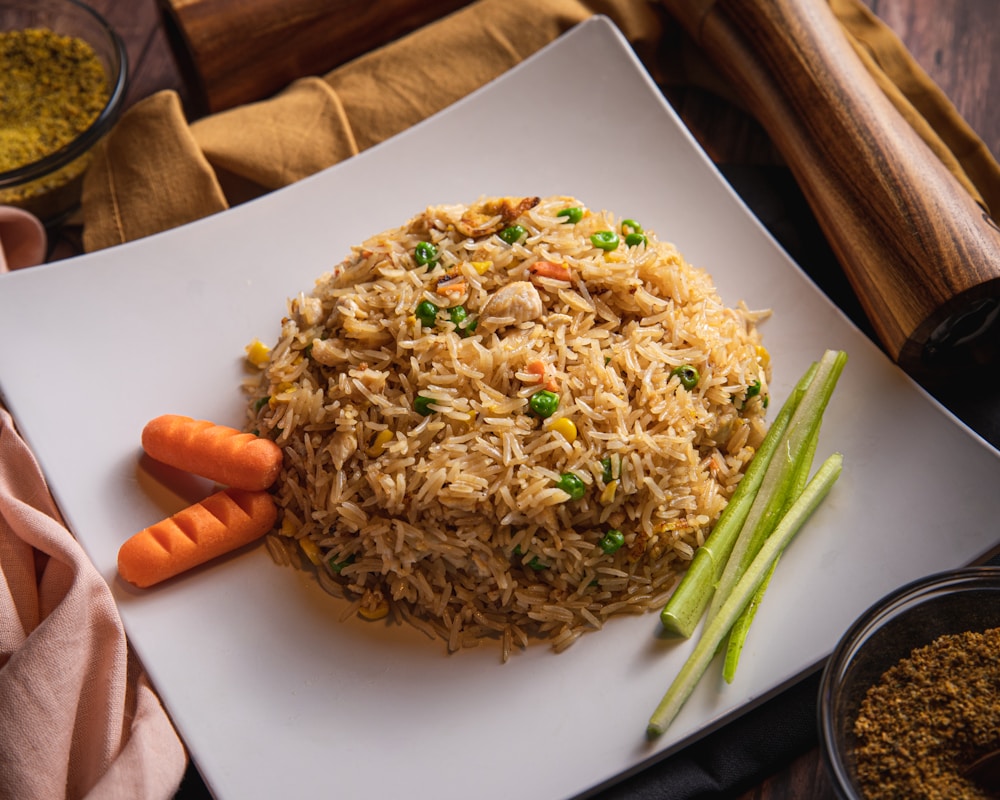
Image: A vibrant bowl of classic egg fried rice, the perfect canvas for global variations.
The Physics of Wok Hei: Why Your Fried Rice Must Be Hot
To master any fried rice recipe, you must first respect thermodynamics. The characteristic smoky flavor doesn't come from a spice jar; it comes from the Maillard reaction and polymerization of oils at temperatures exceeding 200°C (392°F). When rice hits a searing hot carbon steel wok, the intense heat instantly caramelizes the exterior starch granules while the center remains tender.
This process, often called "Wok Hei," is elusive on standard electric stoves. However, you can mimic it by avoiding overcrowding. Overcrowding drops the pan temperature, causing the rice to steam rather than fry. A study by the Journal of Culinary Science & Technology revealed that a single serving of rice (about 1.5 cups) loses only 15°C of pan heat compared to 50°C when cooking a family-sized batch. Therefore, the science is simple: cook in small batches. Your goal is audible sizzling throughout the cooking process, not a silent, steamy simmer.
Essential Ingredients & The Day-Old Rice Myth
The foundation of a reliable easy fried rice recipe is selecting the correct rice variety. Long-grain rice, such as Jasmine or Basmati, contains a higher percentage of amylose starch. When chilled, this starch retrogrades, hardening the grain and making it resistant to turning mushy when reheated.
💡 TIP: The "Emergency" Fresh Rice Method
If you forgot to cook rice the day before, don't panic. Cook your long-grain rice with 20% less water than usual. Spread it thinly on a tray and place it in front of a fan or in the freezer for 30 minutes. The airflow sublimates surface moisture, creating a "dry shell" that mimics aged rice perfectly.
You need a high smoke point oil. While sesame oil adds flavor, it burns easily. The standard for a chicken fried rice recipe or vegetable base is peanut oil, avocado oil, or rice bran oil. These stabilize at high temperatures, allowing you to sear the protein without acrid smoke.
Step-by-Step Masterclass: The Ultimate Classic Recipe
This basic fried rice recipe serves as the "mother formula" for all variations. We calculate a cooking time of 8 minutes at high intensity, so preparation (mise en place) is non-negotiable. Every ingredient must be within arm's reach before the wok hits the flame.
- Prepare the Protein (2 mins): Season 150g of diced chicken thigh or peeled shrimp with a pinch of white pepper and light soy sauce. Pre-sear in 1 tbsp oil until 80% cooked. Remove and set aside. This prevents overcooking.
- Scramble the Eggs (1 min): Add another tbsp of oil. Pour in 2 beaten eggs. Let the edges puff up, then break rapidly with your spatula into large, rustic curds. When still slightly runny, push to the side of the wok.
- Initiate Aromatics (30 secs): Toss 1 tbsp of minced garlic and ginger into the fat. Immediately add 3 cups of cold, day-old long-grain rice. Using the back of the spatula, press down and break up cold clumps. Toss rigorously to coat every grain in hot oil.
- The Sear & Season (3 mins): Spread the rice in an even layer against the hot metal. Let it sit for 45 seconds without touching it. This creates the crust. Toss. Drizzle 2 tbsp of light soy sauce down the sides of the wok (it caramelizes on the hot metal before hitting the rice). Add 1 tsp of dark soy sauce purely for color.
- The Final Assembly (1 min): Return the pre-seared protein. Add 1/2 cup of thawed frozen peas and diced carrots. Fold everything together. Finish with 1 tsp of toasted sesame oil and a generous sprinkle of finely chopped scallions.
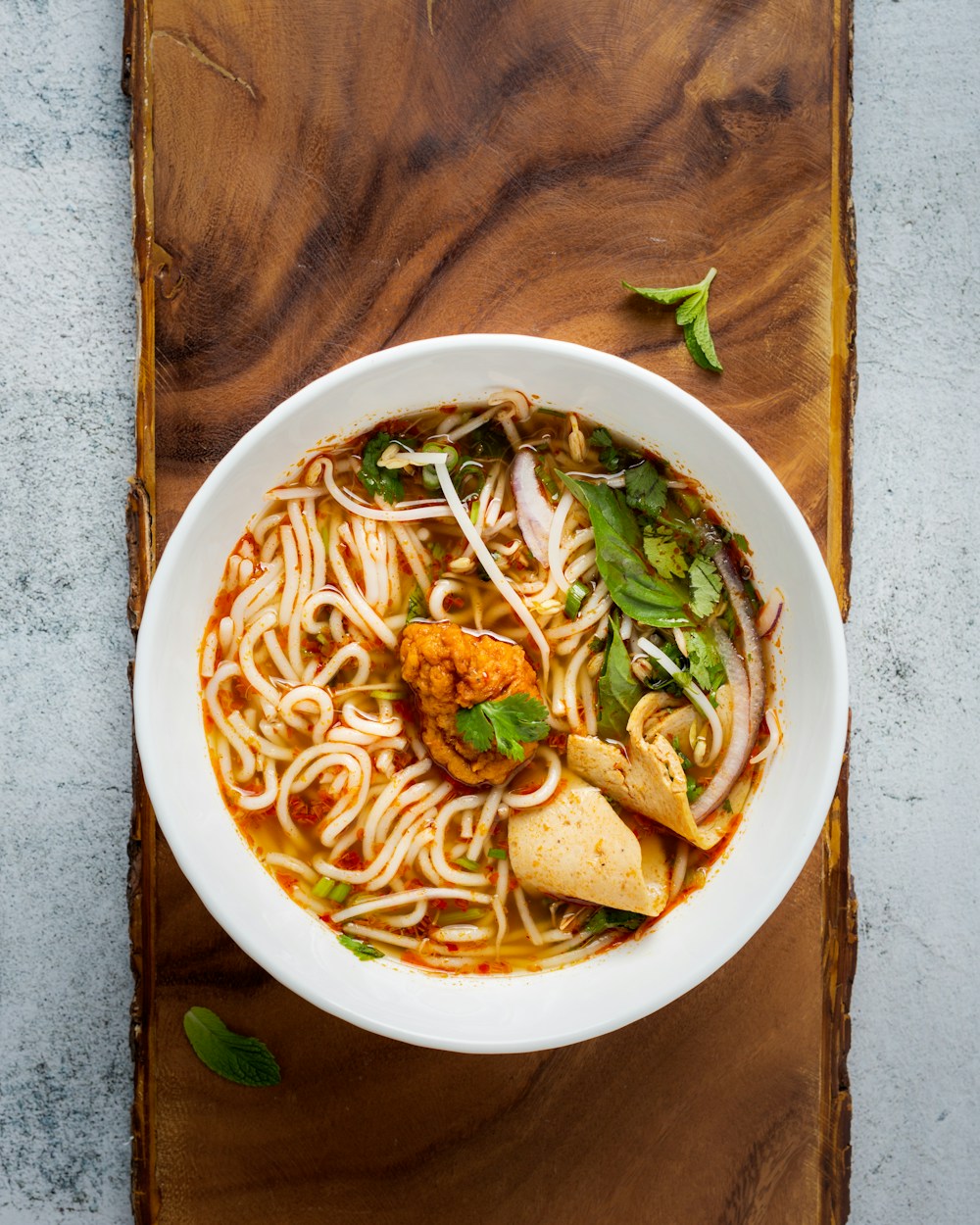
Image: The critical tossing technique that ensures even coating of sauce and prevents burning.
Global Variations: A Passport in a Bowl
While the Chinese fried rice recipe relies on simple soy and scallion, the diaspora has spawned delightful interpretations. Here are three distinct global profiles you must try:
- Indonesian Nasi Goreng: The essential Nasi Goreng recipe requires sweet, thick soy sauce (Kecap Manis) and shrimp paste (Terasi). It’s traditionally topped with a sunny-side-up egg, cucumber slices, and prawn crackers for a sweet-smoky balance.
- Japanese Hibachi (Teppanyaki) Rice: A Japanese fried rice recipe focuses on garlic butter. Cooks use a flat griddle, generously apply butter, soy sauce, and a squeeze of lemon juice at the end for a rich, tangy finish that pairs perfectly with steak.
- Thai Pineapple Fried Rice: Often served in a hollowed pineapple boat, this Thai fried rice recipe incorporates cashew nuts, raisins, and turmeric powder. The result is a vibrant yellow color with bursts of sweetness and crunch.
7 Professional Chef Secrets (Features & Benefits)
Elevate your best fried rice recipe with these non-negotiable restaurant habits. These features directly combat the two biggest home-cooking tragedies: soggy rice and bland flavor.
- Pre-Wash the Rice: Before cooking, always wash until the water runs clear. Removing loose surface starch prevents clumping in the pan later.
- Chilled, Not Frozen Solid: Take your refrigerated rice out 10 minutes early. Breaking rock-hard frozen blocks crushes the grains. You want separate, cold pebbles.
- The "Velvet" Coating: For silky chicken, toss your diced meat in a teaspoon of cornstarch and egg white before blanching. It locks in juices.
- Unglazed Wok Patina: A non-stick pan cannot produce Wok Hei. You need a carbon steel wok seasoned to a matte black finish for proper heat transfer.
- Season from the Sides: Always pour soy sauce on the exposed hot metal of the wok, not directly on the rice. This vaporizes the liquid instantly.
- MSG is Your Friend: A tiny pinch of MSG provides a savory depth that pure soy sauce cannot, without tasting artificial.
- Crunchy Topping: Finish with a textural contrast like fried shallots, crushed peanuts, or crispy garlic chips.
⚠️ COMMON MISTAKE: The Vegetable Steam Trap
Adding fresh, raw vegetables like broccoli or zucchini directly to the wok releases water. Always blanch or pre-sear these separately. If using frozen peas, add them last, right off the freezer, to help cool the pan slightly and prevent overcooking.
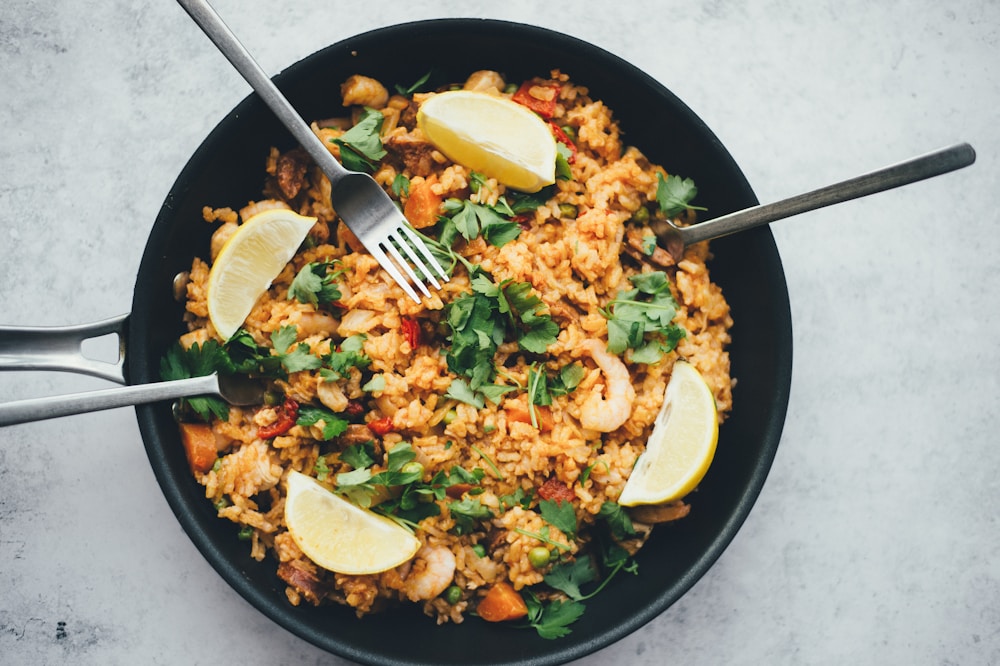
Image: Organization is key. Prepare all chopped ingredients before lighting the burner.
Ingredient Substitution & Nutritional Comparison
Adapting a simple fried rice recipe to dietary needs often ruins the texture. Here is a detailed analysis of popular substitutions and their impact on your final plate.
| Category | Classic Ingredient | Substitution (Global) | Texture Result | Caloric Impact |
|---|---|---|---|---|
| Grain Base | Day-old Jasmine Rice | Cauliflower Rice | Lighter, watery; requires pre-roasting | -150 kcal/serving |
| Protein | Pork Belly/Char Siu | Tempeh (Southeast Asia) | Nutty, crumbly; needs marinade | -80 kcal/serving |
| Sauce Base | Light Soy Sauce | Coconut Aminos | Slightly sweeter, less salty | -0 (Glycemic benefit) |
| Fat | Peanut Oil | Ghee (Indian influence) | Rich, smoky, higher heat point | +20 kcal/serving |
“Fried rice is the ultimate expression of culinary zero-waste. It is born from scarcity, yet it defines luxury when executed with patience. It is not a side dish; it is a test of a chef's ability to control fire.” — Chef Kenji López-Alt
Global Use Cases: From Seoul to San Francisco
How does the vegetable fried rice recipe fit into global daily life? It’s incredibly versatile. In Seoul, a breakfast variant (Bokkeumbap) often utilizes leftover kimchi. The fermented cabbage provides acidity and heat, known to boost metabolism. In Nigeria, "African Fried Rice" incorporates a rich curry powder base, diced liver, and mixed vegetables, dyed a bright yellow and served at every major celebration.
For the busy professional in New York or London, a batch of shrimp fried rice recipe prepared on Sunday ensures high-protein lunches for the week. Since shrimp cooks in under two minutes, you can toss it in fresh during reheating to maintain a firm, juicy bite rather than a rubbery texture. The key takeaway is modularity: cook the base rice ahead, but add delicate proteins daily.
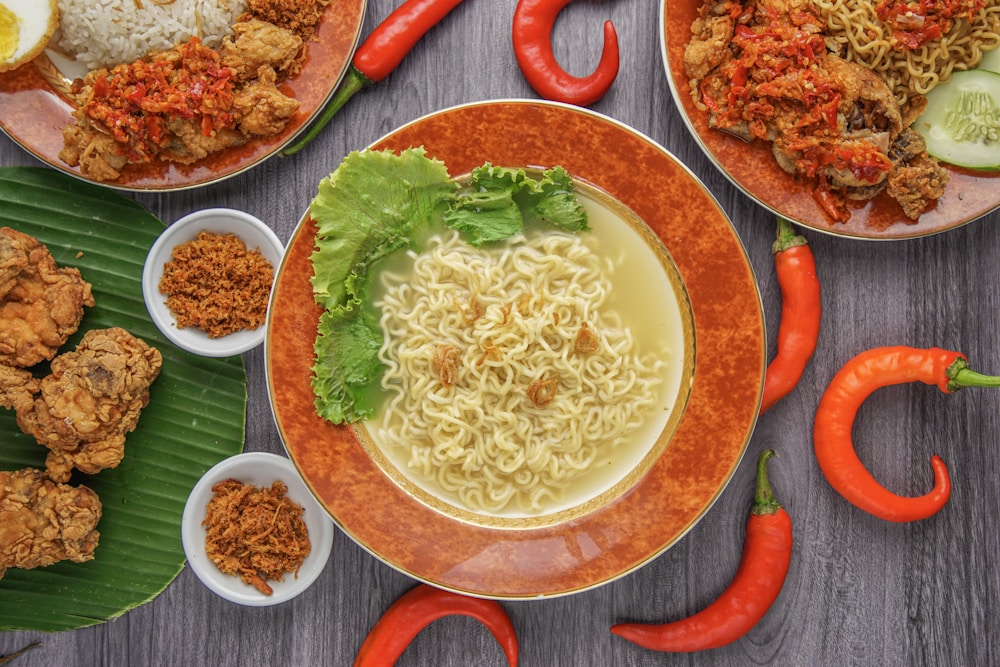
Image: The high-BTU burners of Bangkok street stalls are the gold standard for smoky fried rice.
Future Trends: The Smart Kitchen & Vision 2030
Looking toward Vision 2030 and the evolution of smart home appliances, the fried rice recipe is undergoing a technological revolution. Induction woks with precision temperature control are bridging the gap between professional kitchens and home setups. Brands are now integrating "Recipe Assist" modes where a smart wok automatically drops to 120°C when it detects the steam burst from washed rice, preventing sticking.
Furthermore, the sustainability movement is pushing for "Root-to-Stem" fried rice. Instead of discarding broccoli stalks or kale stems, food scientists suggest dicing and blanching these fibrous parts. They add a superior crunch and increase dietary fiber content by roughly 30% compared to using only florets. The future of this dish is personalized, automated, and waste-free.
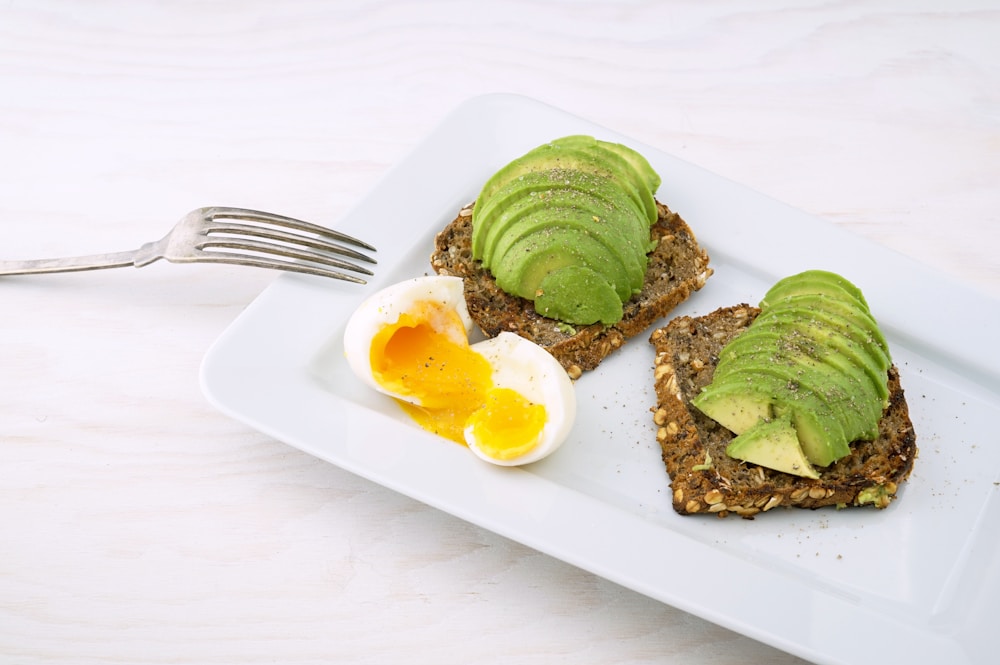
Image: The future of fried rice is elegant, featuring sous-vide eggs and micro-herbs for elevated dining.
Frequently Asked Questions (FAQ)
Why does my fried rice always turn out mushy?
Mushiness is almost always a moisture control failure. This happens if you use freshly cooked, hot rice straight from the cooker, as it contains too much steam. Alternatively, you might be overcrowding the pan. Always use chilled, day-old rice and cook in portions no larger than 3 cups per batch to ensure rapid evaporation.
Can I make a low-sodium fried rice recipe without losing flavor?
Absolutely. Instead of relying on soy sauce for salt, build your umami base with mushroom powder, charred scallions, and a splash of fresh lime juice. The charring caramelizes natural sugars, tricking your palate into sensing more salt than is physically present.
What is the best oil for achieving high-heat wok cooking?
Rice bran oil is the preferred choice in many Asian culinary schools. It has a smoke point of 232°C (450°F), which is significantly higher than olive oil. Avocado oil is a close second but is more expensive. Avoid butter at the start of cooking; use it only as a finishing fat.
How do I store leftover fried rice safely?
Fried rice has a narrow safe zone due to the "Fried Rice Syndrome" (Bacillus cereus). You must cool it within 1 hour of cooking. Spread it on a tray for rapid chilling, then store it in an airtight container in the fridge for a maximum of 24 hours. Reheat to 74°C (165°F) internally.
Can I freeze fried rice for meal prep?
Yes, it freezes quite well if done correctly. Portion the cooled rice into vacuum-sealed bags or pressed flat in ziplock bags. Flat freezing maximizes surface area for quick defrosting. It will keep for up to 1 month. Reheat directly from frozen in a hot pan without thawing to prevent sogginess.
What protein cooks fastest for a shrimp fried rice recipe?
Shrimp is the ultimate speed protein. Small (51/60 count) peeled shrimp cook in exactly 90 seconds on high heat. To ensure they stay juicy, brine them in a teaspoon of baking soda and cold water for 10 minutes before drying and searing. This gives them a restaurant-style "snap."
Is brown rice suitable for a healthy fried rice recipe?
Brown rice is nutritious but tricky. Its bran layer prevents the starch from gelatinizing in the same way. You must cook it slightly "over-done" initially and refrigerate it for a full 24 hours to firm up. The texture will be chewier and nuttier, pairing best with hearty sauces like teriyaki.
The Grain that Unites the Globe
Mastering a versatile fried rice recipe is an essential survival skill for any cook. It requires very few dollars but delivers infinite complexity. We’ve journeyed from the physics of Wok Hei to the practical realities of meal prep safety, proving that this dish is both an art and a science. Whether you are whipping up a quick egg fried rice recipe at midnight or crafting a Nasi Goreng feast for friends, the principles remain the same: high heat, cold rice, and constant movement. Don’t be afraid to experiment with the global variations we discussed; use the table below as your cheat sheet, and you’ll never suffer a gummy clump again.
🔥 Ready to Heat Up Your Wok?
Subscribe to our Global Kitchen newsletter and receive our exclusive "5 Secret Sauce Blends" e-book. Don't just cook—create magic tonight.
GET THE FREE GUIDE