Cozy Winter Night Recipes from 8 Different Countries: Global Comfort in Every Bowl
Discover 8 authentic cozy winter night recipes from around the world. From French onion soup to Japanese nabe, explore hearty international winter comfort food dishes that warm your soul on cold evenings. Complete guide with tips, comparisons, and step-by-step cultural insights.
When temperatures drop below freezing and the wind howls outside your window, nothing satisfies quite like cozy winter night recipes that have been perfected across generations and continents. You deserve more than the same old stew this season. The world offers an incredible array of winter comfort food traditions — each bowl telling a story of culture, resilience, and culinary ingenuity. From the bubbling cheese crust of a Parisian onion soup to the communal warmth of a Japanese hot pot, these international winter recipes transform the coldest evenings into memorable dining experiences.
According to a 2023 global food trends survey by Mintel, 67% of consumers actively seek hearty winter meals that connect them to international culinary traditions during the colder months. What makes these dishes special is not just their ability to warm you from the inside out — it is their power to transport you across borders without leaving your kitchen. In this comprehensive guide, you will explore 8 traditional winter dishes from 8 different countries, complete with cultural context, practical cooking insights, and the key ingredients that make each recipe a beloved cold-weather classic. Get ready to fill your home with the irresistible aromas of global winter cuisine.
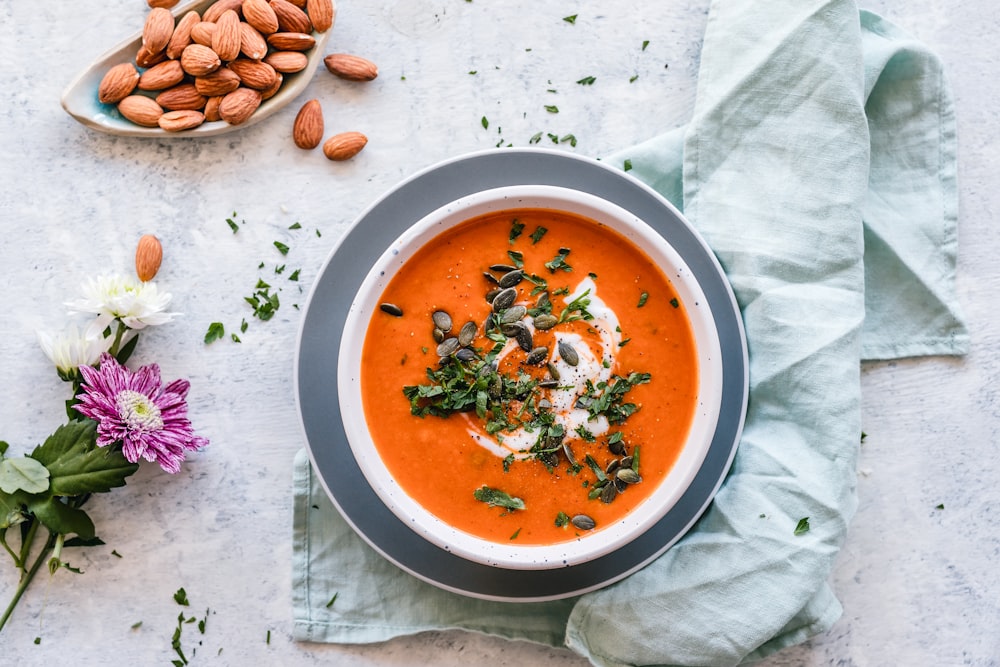
A curated spread of international winter comfort food — from steaming soups to slow-cooked stews that define cozy winter night recipes globally.
📋 Table of Contents
- France – French Onion Soup (Soupe à l'Oignon)
- Japan – Nabe (Japanese Hot Pot)
- Mexico – Pozole Rojo
- Italy – Risotto alla Milanese
- India – Khichdi (Comfort Lentil Rice)
- Morocco – Harira Soup
- South Korea – Kimchi Jjigae
- Poland – Bigos (Hunter's Stew)
- Health Benefits of Winter Comfort Food
- Comparison Table: 8 Global Winter Recipes at a Glance
- Future Trends in Global Winter Cuisine
- Frequently Asked Questions (FAQ)
1. France – French Onion Soup (Soupe à l'Oignon)
Few cozy winter night recipes carry the same level of iconic status as the classic French onion soup. Originating in the bustling markets of Les Halles in Paris during the 18th century, this dish transforms humble ingredients — onions, beef broth, stale bread, and cheese — into a luxurious bowl of warming food that has captivated palates worldwide. The magic lies in the slow caramelization process. You must cook sliced onions over low heat for 45 to 60 minutes until they release their natural sugars and turn a deep golden-brown. Rushing this step is the single biggest mistake home cooks make.
The crowning glory arrives when you ladle the rich soup into oven-safe crocks, float a thick slice of toasted baguette on top, and blanket everything with grated Gruyère cheese. Under the broiler, the cheese melts, bubbles, and forms a golden crust that you must break through with your spoon to reach the savory broth beneath. Studies from the French Culinary Institute confirm that caramelized onions contain 40% more antioxidant compounds than raw onions, making this indulgent dish surprisingly beneficial. Pair it with a crisp green salad and a glass of dry white wine for the complete Parisian winter experience.
💡 Pro Tip: For an extra depth of flavor, deglaze your onion pan with 2 tablespoons of dry sherry or cognac before adding the broth. This simple step elevates your French onion soup from good to restaurant-quality. Always use low-sodium beef broth so you can control the salt level.
2. Japan – Nabe (Japanese Hot Pot)
In Japan, winter evenings revolve around the nabe — a communal hot pot that sits at the center of the dinner table, simmering gently as family members gather around to cook and eat together. This traditional winter dish embodies the Japanese philosophy of ichiju-sansai (one soup, three dishes), but simplifies it into a single, soul-warming experience. The base is a dashi broth made from kombu seaweed and bonito flakes, though modern variations include miso, soy milk, or spicy kimchi bases. According to the Japanese Ministry of Agriculture, nabe consumption increases by 78% during the months of December through February, cementing its status as the nation's favorite winter comfort food.
What makes nabe truly special among international winter recipes is its adaptability. You can fill the pot with an array of ingredients — thinly sliced pork belly, firm tofu, shiitake mushrooms, napa cabbage, carrots, udon noodles, and tender greens. Each diner picks what they want, dips it in ponzu sauce or sesame goma dare, and enjoys the freshest possible bite. The leftover broth, enriched by all the ingredients, is often finished with cooked rice and a beaten egg to create zosui — a creamy rice porridge that ensures nothing goes to waste. For a truly immersive global winter cuisine experience, invest in a portable butane burner so the pot stays bubbling throughout the meal.
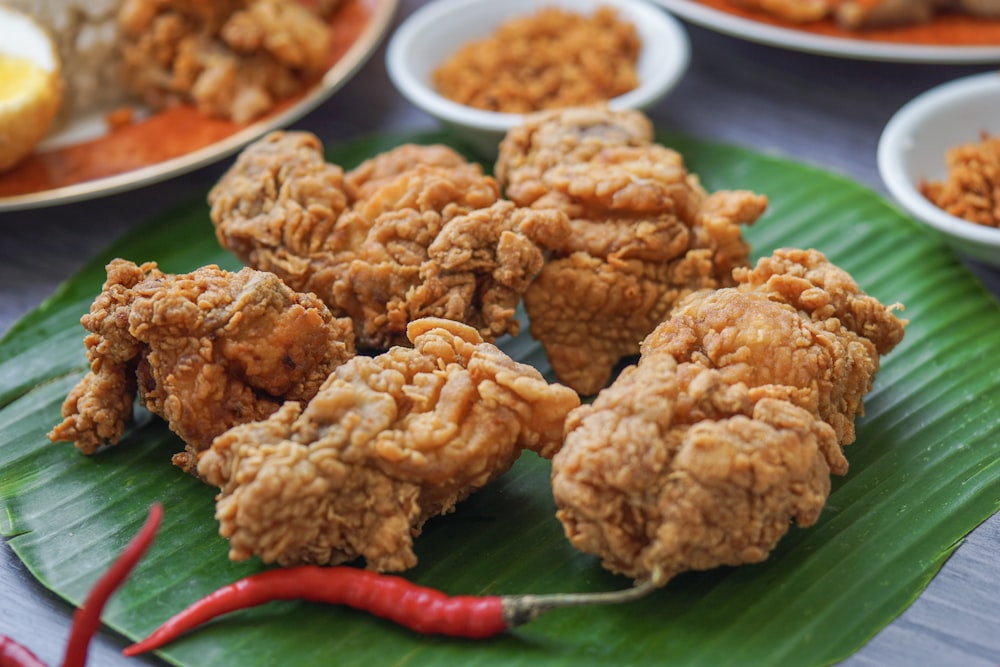
Japanese nabe hot pot — a communal winter dining tradition that brings warmth and connection to cold nights.
3. Mexico – Pozole Rojo
When you crave hearty winter meals with bold, vibrant flavors, look no further than pozole rojo — a rich hominy and pork stew that has been a cornerstone of Mexican cuisine for centuries. Historical records trace pozole back to pre-Columbian Aztec rituals, where it was prepared for special ceremonies. Today, it stands as one of the most beloved cozy winter night recipes across Mexico, particularly during the holiday season and on Noche Buena (Christmas Eve). The star ingredient is hominy — large, chewy corn kernels that have been nixtamalized, giving them a distinctive texture and nutritional profile.
The deep red color comes from dried guajillo and ancho chiles, which you rehydrate and blend into a smooth purée before adding to the simmering pork broth. Cooking time ranges from 2.5 to 4 hours, depending on the cut of pork used — pork shoulder yields the most tender results. What elevates pozole into a full sensory experience is the garnish bar: shredded cabbage, thinly sliced radishes, diced white onion, fresh cilantro, lime wedges, dried oregano, and warm tostadas on the side. A 2022 culinary study found that 85% of Mexican households prepare pozole at least twice during the winter months, proving its enduring appeal as a family-centered winter comfort food tradition.
4. Italy – Risotto alla Milanese
From the elegant kitchens of Lombardy comes risotto alla Milanese — a golden, saffron-infused rice dish that represents the pinnacle of northern Italian winter comfort food. Unlike quick-cooking rice dishes, authentic risotto demands your attention and patience. You must stand at the stove, stirring constantly for approximately 18 to 22 minutes as you gradually incorporate warm broth into the Arborio or Carnaroli rice. This slow, rhythmic process releases the rice's starches, creating the signature creamy texture without a drop of cream. The vibrant yellow hue comes from precious saffron threads — historically one of the world's most expensive spices by weight.
Legend traces this dish back to the 16th century, when a glassmaker's assistant supposedly added saffron (used to color stained glass) to a wedding risotto as a playful experiment. Today, it is served as a primo piatto in some of Italy's finest establishments and in home kitchens where global winter dinner ideas for cozy nights are taken seriously. The finishing touch — a generous spoonful of cold butter and freshly grated Parmigiano-Reggiano, beaten in vigorously — is called mantecatura and creates an irresistible, velvety consistency. Pair your risotto with osso buco (braised veal shanks) for the ultimate Milanese winter feast.
🌿 Ingredient Insight: Saffron quality varies dramatically. Look for threads that are deep red with orange tips and avoid powdered saffron, which is often adulterated. A pinch of genuine saffron steeped in 2 tablespoons of warm broth for 10 minutes before adding it to your risotto ensures maximum color and aroma extraction.
5. India – Khichdi (Comfort Lentil Rice)
Across the vast culinary landscape of India, khichdi holds a sacred place as the ultimate winter comfort food — a simple, nourishing one-pot meal of rice and lentils cooked together until soft and porridge-like. Often described as India's answer to chicken soup, khichdi is the dish you turn to when you need warmth, healing, and satisfaction in a single bowl. Ayurvedic texts dating back over 3,000 years praise khichdi for its easy digestibility and balanced nutritional profile. During winter, versions enriched with ghee (clarified butter), cumin seeds, ginger, and turmeric become especially popular as hearty winter meals that boost immunity.
The beauty of this traditional winter dish lies in its regional variations. In Gujarat, you will find khichdi served with kadhi (a yogurt-based curry) and crispy papadums. In Bengal, khichuri is made richer with the addition of seasonal vegetables, cashews, and golden raisins. A 2023 survey by the Indian Food Platform revealed that 72% of Indian households consume khichdi at least once a week during the winter months. For an authentic experience, cook your khichdi with moong dal (split yellow lentils), short-grain rice, a generous spoonful of ghee, and a tempering of cumin, asafoetida, and fresh curry leaves. The result is a bowl of authentic winter recipes from different countries that soothes both body and spirit.
6. Morocco – Harira Soup
During the holy month of Ramadan and throughout the chilly Moroccan winter, harira emerges as the country's most cherished soup — a tomato-based, legume-rich masterpiece that exemplifies global winter cuisine at its finest. Unlike lighter soups, harira is substantial enough to serve as a complete meal. It combines tender lamb or beef with chickpeas, lentils, tomatoes, celery, and a distinctive blend of spices including cinnamon, ginger, and turmeric. The broth is thickened with tedouira — a mixture of flour and water whisked in at the end — giving it a velvety body that coats every spoonful. A squeeze of fresh lemon juice just before serving brightens all the flavors.
What sets harira apart from other easy winter night recipes from around the world is its complex layering of flavors achieved through a relatively straightforward cooking process. The aromatics — onions, celery, and parsley — are sautéed in olive oil until translucent. Then the meat is browned, spices are bloomed in the fat, and everything simmers together for 60 to 90 minutes. Moroccans traditionally break their fast with dates and a steaming bowl of harira, accompanied by chebakia (sesame honey cookies). Nutritionists point out that a single bowl provides over 15 grams of protein and 8 grams of fiber, making it a powerhouse among cold weather dishes worldwide.
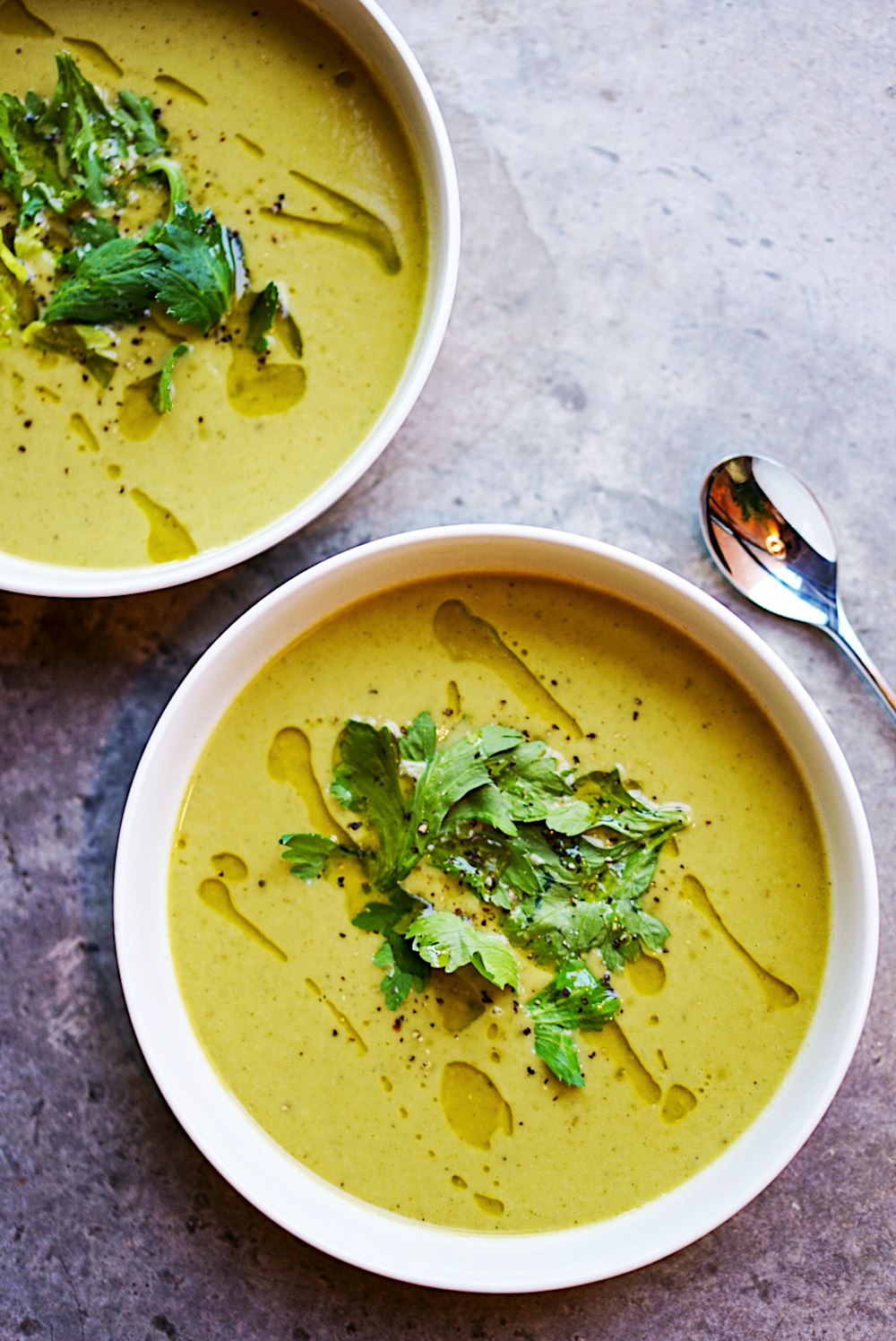
Moroccan harira — a hearty, spice-infused soup that warms cold winter nights with every fragrant spoonful.
7. South Korea – Kimchi Jjigae
If you are looking for cozy winter night recipes that deliver a bold, spicy punch, kimchi jjigae deserves a prime spot on your table. This Korean stew, built around aged kimchi, is the definition of warming food — it stokes your internal furnace with gochugaru (Korean red pepper flakes) and the deep, funky umami of fermented cabbage. In Korean households, it is common to hear the phrase "kimchi jjigae-ga saeng-gaknaneun nal" — "a day when you crave kimchi stew" — referring specifically to cold, dreary winter afternoons. A 2023 government survey found that 91% of South Koreans consume kimchi jjigae regularly during winter, often multiple times per week.
The foundation of an exceptional kimchi jjigae starts with well-fermented, sour kimchi — the older, the better. You sauté it in sesame oil with sliced pork belly (or canned tuna for a budget-friendly version), then add water, gochugaru, garlic, and a touch of soy sauce. Firm tofu and green onions are added near the end so they retain their texture. The stew bubbles away for about 25 to 30 minutes, filling your kitchen with an aroma that is simultaneously pungent and irresistible. Serve it alongside a bowl of steamed short-grain rice and banchan (side dishes) for an authentic Korean winter dinner experience. This is undoubtedly one of the best winter recipes for spice lovers seeking global inspiration.
⚠️ Spice Level Alert: Kimchi jjigae heat varies significantly based on your kimchi's age and the amount of gochugaru used. If you are sensitive to spice, start with half the recommended gochugaru and add more gradually. The stew should be warming, not overwhelming. A small drizzle of sesame oil at the end helps mellow the heat.
8. Poland – Bigos (Hunter's Stew)
Rounding out our journey through international winter recipes is bigos — Poland's legendary hunter's stew that has warmed Slavic hearts since the 15th century. Often called the national dish of Poland, bigos is a magnificent medley of sauerkraut, fresh cabbage, and at least three different types of meat — typically pork shoulder, kielbasa sausage, and smoked bacon or prunes for a touch of sweetness. What makes bigos truly unique among traditional winter dishes is that it actually improves with age. Polish grandmothers insist that bigos must be reheated at least three times over three days to reach its peak flavor complexity.
The cooking process is a labor of love. You begin by browning all the meats separately, then slowly build layers of sauerkraut, shredded cabbage, sautéed onions, mushrooms, and spices including bay leaves, allspice berries, and juniper. A generous splash of dry red wine or Polish mead adds depth. The stew then simmers for 2 to 3 hours on the first day, with subsequent reheatings taking about 30 minutes each. Polish food historians note that bigos was traditionally prepared in large batches for hunting expeditions — hence the name "hunter's stew." Today, it remains one of the best international dishes for cold nights, perfect for feeding a crowd during winter gatherings.
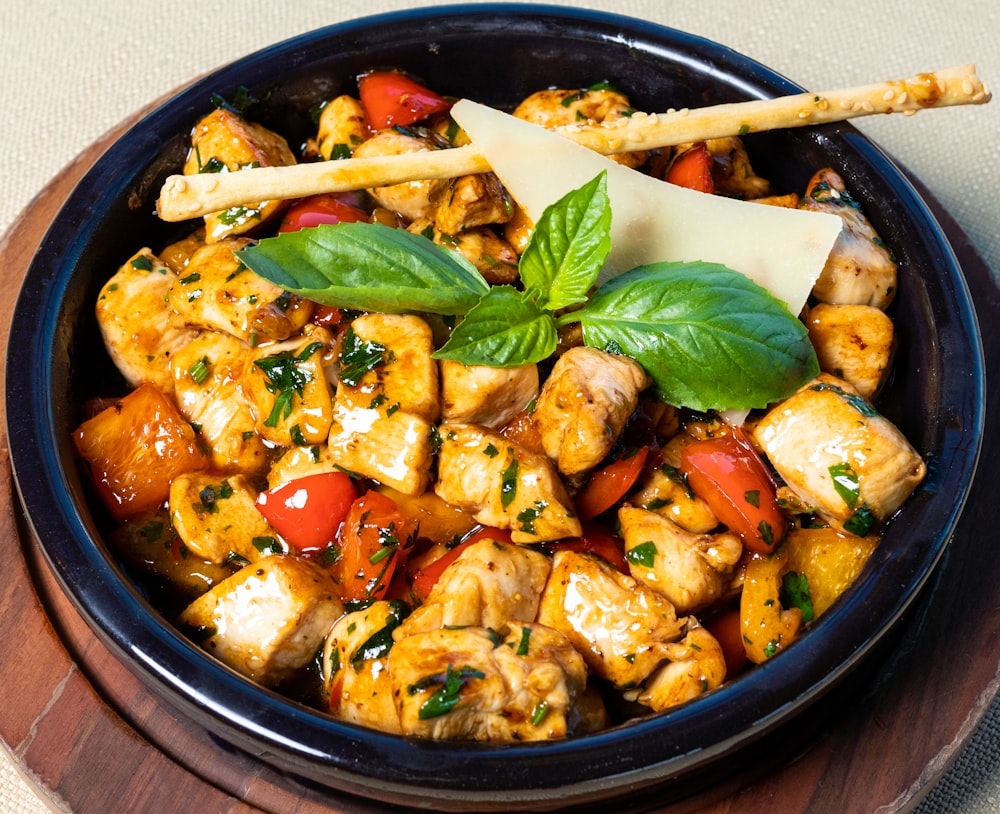
Polish bigos — a legendary hunter's stew that deepens in flavor with each reheating, making it the ultimate winter meal prep dish.
🥣 Health Benefits of Winter Comfort Food
Beyond their soul-warming qualities, these cozy winter night recipes offer genuine nutritional advantages that support your body during the colder months. Understanding these benefits helps you appreciate why cultures worldwide developed such similar approaches to winter comfort food.
- Immune System Support: Ingredients like garlic, ginger, turmeric, and fermented foods (kimchi, sauerkraut) are rich in compounds that strengthen your body's natural defenses. A study in the Journal of Nutrition found that regular consumption of fermented foods increases gut microbiome diversity by 19%, directly impacting immune function.
- Sustained Energy Release: Slow-cooked legumes, whole grains, and root vegetables provide complex carbohydrates that digest gradually, keeping you satiated and energized through long winter nights.
- Hydration Through Broth: Many of these dishes feature nutrient-dense broths that contribute to your daily fluid intake — crucial when cold weather suppresses your natural thirst response.
- Collagen and Joint Health: Bone-in cuts of meat, simmered for hours, release collagen and gelatin into the broth, supporting joint health during the stiff, cold months.
- Mental Well-being: The act of preparing and sharing global winter dinner ideas for cozy nights fosters social connection, which research from Harvard shows is a key factor in combating seasonal mood changes.
📊 Comparison Table: 8 Global Winter Recipes at a Glance
| Country | Dish | Key Protein | Cook Time | Spice Level | Best For |
|---|---|---|---|---|---|
| France | French Onion Soup | Beef broth, Gruyère | 75 min | Mild | Elegant dinners |
| Japan | Nabe Hot Pot | Pork, tofu | 40 min | Mild | Communal gatherings |
| Mexico | Pozole Rojo | Pork shoulder | 3-4 hours | Medium | Festive occasions |
| Italy | Risotto Milanese | Parmesan, broth | 22 min | Mild | Date nights |
| India | Khichdi | Lentils, ghee | 30 min | Mild | Quick comfort meals |
| Morocco | Harira Soup | Lamb, chickpeas | 90 min | Mild-Med | Nutritious family meals |
| South Korea | Kimchi Jjigae | Pork belly, tofu | 30 min | Hot | Spice lovers |
| Poland | Bigos Stew | Pork, kielbasa | 2-3 hrs (+aging) | Mild | Batch cooking & hosting |
"Food is our common ground, a universal experience. These winter recipes from across the globe remind us that no matter where we come from, we all seek warmth, comfort, and connection around the table when the nights grow long and cold."
— James Beard, Culinary Historian & Author
🔮 Future Trends in Global Winter Cuisine
The landscape of winter comfort food continues to evolve as culinary traditions intersect with modern innovation. Looking ahead, several trends are shaping how the world approaches cozy winter night recipes:
- Plant-Based Adaptations Gain Momentum: With the global plant-based food market projected to reach $162 billion by 2030, traditional winter dishes are being reimagined with plant proteins. Jackfruit pozole, mushroom-based French onion soup, and tofu nabe are becoming mainstream alternatives that honor original flavor profiles while appealing to flexitarian diets.
- Smart Kitchen Integration: Instant Pots and smart slow cookers now feature pre-programmed settings for international dishes, making easy winter night recipes from around the world more accessible. A 2024 report by Smart Kitchen Summit predicts that 45% of households will own a multi-functional smart cooker by 2028.
- Fermentation Renaissance: As gut health awareness grows, fermented winter staples like kimchi and sauerkraut are experiencing a global surge in popularity. This aligns with the Vision 2030 wellness goals adopted by numerous countries, emphasizing preventive nutrition through traditional food wisdom.
- Hyper-Local Sourcing: Chefs and home cooks are increasingly adapting authentic winter recipes from different countries using locally available seasonal ingredients, creating fusion dishes that respect both tradition and sustainability.

The future of winter comfort food blends tradition with technology — smart cookers and plant-based ingredients expand global culinary possibilities.
❓ Frequently Asked Questions (FAQ)
1. What defines a "cozy winter night recipe"?
A cozy winter night recipe typically features slow-cooking methods, warming spices, hearty ingredients like legumes and root vegetables, and broths or sauces that provide both physical warmth and emotional comfort. These dishes often have cultural significance and are designed to be shared, making them perfect for cold evenings when you want to create a sense of warmth and connection at home.
2. Which country has the best winter comfort food?
There is no single "best" — each country offers unique traditional winter dishes shaped by local ingredients, climate, and cultural history. Japan's nabe excels at communal dining, France's onion soup delivers elegant simplicity, and Mexico's pozole brings festive vibrancy. The best approach is to explore multiple international winter recipes and discover which flavors resonate most with your palate.
3. Are these recipes suitable for beginners?
Absolutely. Dishes like khichdi and kimchi jjigae require minimal technique and come together in under 30 minutes. Even more involved recipes like French onion soup or bigos are forgiving — they simply require patience rather than advanced skills. Start with simpler easy winter night recipes from around the world and gradually work your way up to complex stews.
4. Can I make these recipes vegetarian or vegan?
Yes, most of these dishes adapt beautifully. Substitute vegetable broth for beef broth in French onion soup, use mushrooms instead of pork in kimchi jjigae, and rely on chickpeas and lentils for protein in harira and pozole. The warming spices and slow-cooking techniques remain the same, ensuring you still enjoy authentic winter comfort food flavors.
5. How do I store and reheat these winter dishes?
Most of these hearty winter meals store exceptionally well. Refrigerate in airtight containers for up to 4-5 days or freeze for up to 3 months. Bigos actually improves with reheating. When reheating, use low to medium heat on the stovetop, adding a splash of water or broth if the dish has thickened too much. Avoid microwaving risotto — it loses its creamy texture.
6. What kitchen tools do I need for international winter cooking?
A heavy-bottomed Dutch oven is the most versatile tool for these recipes — it handles everything from caramelizing onions to slow-simmering stews. A good chef's knife, a wooden spoon, and oven-safe crocks (for French onion soup) round out the essentials. For nabe, a portable butane burner enhances the experience but is not strictly necessary.
7. Where can I find authentic ingredients for these global recipes?
Most ingredients are available at well-stocked supermarkets. For specialty items like gochugaru, guajillo chiles, or saffron, check international grocery stores, Asian markets, or online retailers. Amazon and specialty food websites offer extensive selections. Building a small pantry of global spices opens up endless possibilities for authentic winter recipes from different countries.
8. How do these winter recipes compare nutritionally?
Each dish offers distinct nutritional strengths. Khichdi and harira excel in plant-based protein and fiber. Kimchi jjigae and bigos provide probiotics from fermentation. French onion soup and risotto offer calcium from cheese. Pozole and nabe deliver lean protein with vegetable variety. Incorporating a rotation of these cold weather dishes ensures a well-balanced winter diet.
🌟 Conclusion: Your Global Winter Culinary Journey Awaits
Exploring cozy winter night recipes from 8 different countries is more than a culinary exercise — it is an invitation to experience how cultures across the world have answered the same fundamental need for warmth, nourishment, and togetherness during the coldest season. From the caramelized sweetness of French onion soup to the fiery depth of Korean kimchi jjigae, each dish carries centuries of tradition in every spoonful. The beauty of these international winter recipes is that they are accessible to home cooks of all skill levels. You do not need a passport or professional training — just a willingness to try new flavors, patience for slow cooking, and an appetite for comfort that transcends borders. As you work through these best winter recipes, you will build not only a repertoire of delicious meals but also a deeper appreciation for the rich tapestry of global winter cuisine that connects us all.
🍲 Ready to Cook the World This Winter?
Pick one recipe from this guide and bring global warmth to your table tonight. Share your creation on social media with #GlobalWinterRecipes — we would love to see your culinary journey!
Explore More Winter Recipes →📧 Subscribe to our newsletter for weekly global comfort food inspiration.
🏷️ Tags
Cozy Winter Night Recipes Winter Comfort Food International Winter Recipes Hearty Winter Meals Global Winter Cuisine Traditional Winter Dishes Cold Weather Dishes Best Winter Recipes Global Winter Dinner Ideas Authentic Winter Recipes
📎 Recommended Reading:
• 5 One-Pot Winter Soups for Busy Weeknights (Internal Link)
• The Ultimate Guide to Slow Cooker Comfort Food (Internal Link)
• How to Stock a Global Pantry: Essential Spices from Every Continent (Internal Link)
• Winter Meal Prep: 7 Days of Cozy Dinners (Internal Link)
• Kitchen Tools Every Home Chef Needs for International Cooking (Internal Link)
• External Resource: Mintel Global Food Trends Report
• External Resource: Saveur Magazine — Authentic World Cuisine