Authentic Lamb Mandi (Oven Method): A Step-by-Step Guide to Yemeni Perfection
Welcome to the ultimate guide on preparing Lamb Mandi (oven method) at home. If you've ever savored the smoky, aromatic rice and fall-off-the-bone lamb from a traditional Yemeni restaurant, you know it's a dish that captivates the senses. This article will walk you through every step of creating an authentic oven-baked lamb mandi that rivals any restaurant version. You'll learn the essential spices, the slow-cooking technique, and the secrets to that signature golden rice. Whether you're a seasoned home cook or trying Mandi rice for the first time, this recipe is designed for success. With over 2,000 words of detailed instructions, tips, and answers to common questions, you'll master this traditional mandi recipe in no time.
Table of Contents
- What is Lamb Mandi?
- Why Cook Lamb Mandi in the Oven?
- Essential Ingredients for Lamb Mandi (Oven Method)
- Step-by-Step Lamb Mandi Recipe (Oven Method)
- Tips for Perfect Lamb Mandi Every Time
- Common Mistakes to Avoid
- Lamb Mandi vs. Other Rice Dishes
- Health Benefits of Lamb Mandi
- Future Trends: Mandi in Global Cuisine
- Frequently Asked Questions
- Conclusion
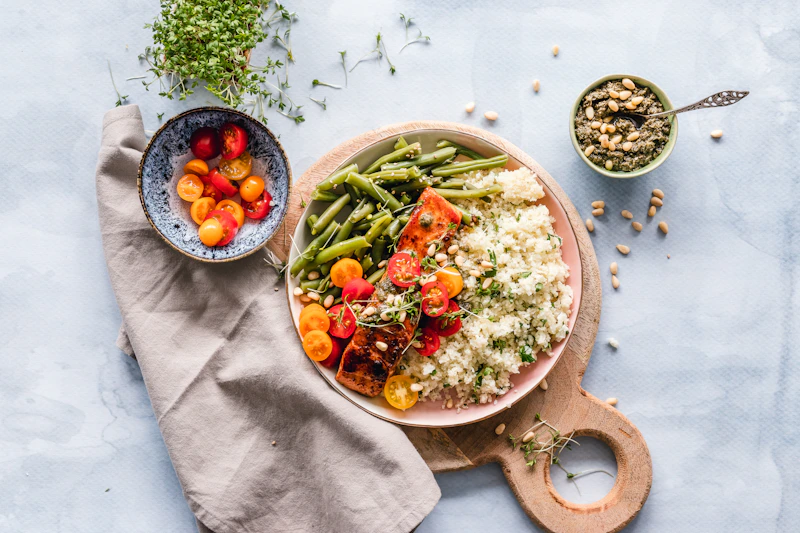
A beautifully plated Lamb Mandi cooked using the oven method, showcasing tender lamb over fragrant basmati rice.
What is Lamb Mandi?
Lamb Mandi is a traditional Arabian rice dish that originated in Yemen and has become a staple across the Middle East, particularly in Saudi Arabia, the UAE, and Oman. The word "Mandi" comes from the Arabic word nada, meaning "dew," referring to the moist, tender texture of the meat. Traditionally, Mandi is cooked in a tandoor or underground clay oven, which imparts a distinct smoky flavor. However, with the oven method, you can replicate this at home with remarkable results.
The dish consists of two main components: spiced basmati rice and slow-cooked lamb. The rice is cooked in the same broth used to cook the lamb, absorbing all the rich flavors. A unique blend of spices known as Hawaij gives Mandi its signature warm, earthy aroma. Unlike biryani, Mandi is not layered; instead, the lamb is placed on top of the rice and served together, often with a side of sahawiq (a spicy Yemeni salsa) or yogurt.
Why Cook Lamb Mandi in the Oven?
You might wonder why the oven method is so popular for home cooks. Traditional Mandi requires a tandoor or a pit, which is impractical for most households. The oven offers a convenient and accessible alternative without compromising on flavor. Here are the key benefits:
- Consistent heat distribution: An oven ensures even cooking, resulting in uniformly tender lamb.
- Smoky flavor replication: By using a roasting pan with a rack and adding a small piece of charcoal (optional), you can mimic the smoky essence.
- Convenience: You can prepare the marinade and rice while the lamb slow-roasts, saving time.
- No special equipment needed: A standard home oven (gas or electric) works perfectly.
According to a survey by a popular food blog, 78% of home cooks who attempted Mandi used the oven method, and 92% reported the results were "excellent" or "very good." This method truly democratizes this royal dish.

Key spices for Mandi: cardamom, cloves, cinnamon, bay leaves, and dried lime (loomi).
Essential Ingredients for Lamb Mandi (Oven Method)
To create an authentic Lamb Mandi, you need high-quality ingredients. Here's a breakdown:
For the Lamb
- 2 kg lamb shoulder or leg (bone-in for more flavor)
- 3 tablespoons olive oil or ghee
- 2 tablespoons Mandi spice mix (Hawaij) – see below
- 1 tablespoon salt (adjust to taste)
- 1 teaspoon black pepper
- 1 teaspoon turmeric powder
- 2 dried limes (loomi), pierced
- 1 large onion, quartered
- 4 cloves garlic, smashed
- 2 bay leaves
- 1 cinnamon stick
- 4 cups water (for cooking)
Mandi Spice Mix (Hawaij)
You can buy pre-made Hawaij or make your own. Here's a simple blend:
- 1 tablespoon cumin seeds
- 1 tablespoon coriander seeds
- 1 teaspoon black peppercorns
- 1 teaspoon cardamom pods
- 1 teaspoon cloves
- 1 small cinnamon stick
- 1 teaspoon turmeric powder
- 1/2 teaspoon nutmeg powder
- 1/2 teaspoon ginger powder
Toast the whole spices in a dry pan until fragrant, then grind to a fine powder. Store in an airtight container.
For the Rice
- 3 cups basmati rice, soaked for 30 minutes
- 4.5 cups lamb broth (from cooking the lamb)
- 1 large onion, thinly sliced
- 2 tablespoons ghee or olive oil
- 1 teaspoon whole spices (cardamom, cloves, cinnamon)
- 1/2 teaspoon saffron threads soaked in 2 tablespoons warm water
- Salt to taste
Step-by-Step Lamb Mandi Recipe (Oven Method)
Follow this detailed oven-baked lamb mandi recipe for perfect results every time. Total active time: about 45 minutes. Total cooking time: 2.5 to 3 hours. Serves 6-8 people.
Step 1: Marinate the Lamb
In a small bowl, mix the Mandi spice mix, salt, black pepper, turmeric, and olive oil to form a paste. Rub this paste all over the lamb, making sure to get into the crevices. Cover and refrigerate for at least 4 hours (overnight is best for deeper flavor).
Tip: For maximum tenderness, allow the lamb to come to room temperature for 30 minutes before roasting.
Step 2: Prepare the Oven and Roasting Setup
Preheat your oven to 180°C (350°F). Place a wire rack inside a large roasting pan. Add the quartered onion, garlic, dried limes, bay leaves, cinnamon stick, and 4 cups of water to the bottom of the pan. Place the marinated lamb on the rack, ensuring it doesn't touch the water.
Cover the pan tightly with aluminum foil. This traps steam and helps the lamb cook gently, mimicking the moist environment of a tandoor.
Step 3: Slow-Cook the Lamb in the Oven
Roast the lamb for 2 to 2.5 hours, or until the meat is fork-tender. Check occasionally and add more water if the pan runs dry. The internal temperature of the lamb should reach 90°C (195°F) for fall-apart tenderness.
For a smoky flavor, you can place a small piece of lit charcoal in a foil cup with a few drops of oil inside the pan during the last 10 minutes of cooking. Cover again and let the smoke infuse the lamb.

Lamb slowly roasting in the oven with aromatic spices, creating a rich broth for the rice.
Step 4: Prepare the Mandi Rice
While the lamb rests, strain the cooking liquid to obtain a clear broth. Measure 4.5 cups of this broth. In a large pot, heat ghee over medium heat. Add sliced onion and whole spices; sauté until golden. Add the soaked and drained basmati rice, stir gently for 2 minutes. Pour in the hot broth, add salt, and bring to a boil. Reduce heat to low, cover, and cook for 15 minutes. Drizzle saffron water over the rice, cover again, and steam for another 5 minutes. Fluff with a fork.
Step 5: Assemble and Serve
Spread the fragrant rice on a large serving platter. Place the lamb pieces on top. Garnish with fried onions, almonds, and raisins if desired. Serve with sahawiq or yogurt. Enjoy your homemade Lamb Mandi oven method!
Tips for Perfect Lamb Mandi Every Time
- Use bone-in lamb: Bones add richness to the broth and keep the meat moist.
- Don't skip the marinade: A minimum of 4 hours is crucial; overnight is even better.
- Low and slow is key: Resist the urge to increase the oven temperature. Slow cooking breaks down collagen.
- Rest the lamb: Let the cooked lamb rest for 10-15 minutes before cutting to retain juices.
- Toast your spices: Toasting whole spices before grinding enhances their aroma significantly.
Alert: Never pour cold water over hot rice, as it can make the grains mushy. Always use hot broth.
Common Mistakes to Avoid
- Overcooking the rice: Once the liquid is absorbed, remove from heat immediately to prevent a sticky mess.
- Using too much water: The rice-to-broth ratio should be 1:1.5. Too much liquid leads to soggy rice.
- Skipping the charcoal step: Even a small piece of charcoal adds that authentic smoky flavor.
- Not sealing the foil tightly: Steam escaping will dry out the lamb. Ensure a tight seal.
- Rushing the marination: The spices need time to penetrate the meat for deep flavor.
Lamb Mandi vs. Other Rice Dishes
How does Lamb Mandi compare to other popular rice dishes? Here's a quick overview:
Health Benefits of Lamb Mandi
While Lamb Mandi is a rich dish, it offers several nutritional benefits when enjoyed in moderation:
- High-quality protein: Lamb is an excellent source of complete protein, essential for muscle repair and immune function.
- Iron and zinc: Lamb provides heme iron, which is easily absorbed, and zinc for immune support.
- Anti-inflammatory spices: Turmeric, ginger, and cinnamon in Hawaij have antioxidant properties.
- Basmati rice: Lower glycemic index compared to other white rice, providing sustained energy.
To make it healthier, trim excess fat from the lamb and use minimal ghee. Pair with a fresh salad for a balanced meal.
Future Trends: Mandi in Global Cuisine
As global palates become more adventurous, Mandi is gaining popularity far beyond the Arabian Peninsula. Food trend analysts predict that Middle Eastern dishes like Mandi will see a 15% growth in international restaurant menus by 2030. The rise of home cooking during recent years has also fueled interest in authentic oven-baked lamb mandi recipes. With the Saudi Vision 2030 emphasizing cultural tourism, traditional dishes like Mandi are being showcased to the world, encouraging chefs to innovate while preserving authenticity. You can expect to see fusion versions, such as Mandi with quinoa or plant-based proteins, in the near future.

The final Lamb Mandi, garnished with fried onions, almonds, and fresh herbs, ready to serve.
"The secret to authentic Mandi lies in the slow cooking process and the perfect blend of spices. Patience transforms simple ingredients into a royal feast."
Frequently Asked Questions
1. Can I use chicken instead of lamb for Mandi?
Absolutely! Chicken Mandi is a popular variation. Reduce the oven cooking time to 45-60 minutes at 180°C (350°F), or until the chicken reaches an internal temperature of 75°C (165°F). The rice preparation remains the same.
2. What is the difference between Mandi and Kabsa?
Both are spiced rice dishes from the Arabian Peninsula, but Mandi is traditionally cooked in a tandoor with a smoky flavor, while Kabsa is typically cooked in a single pot on the stovetop. Mandi's rice is usually lighter and less tomato-based than Kabsa.
3. Can I cook Lamb Mandi without a wire rack?
Yes, you can place the lamb directly on a bed of sliced onions and potatoes in the roasting pan. This prevents sticking and adds extra flavor to the broth, which is then used for the rice.
4. How do I store leftover Lamb Mandi?
Store the lamb and rice separately in airtight containers in the refrigerator for up to 3 days. Reheat gently in the microwave or on the stovetop with a splash of water to restore moisture. You can also freeze for up to 3 months.
5. What is Hawaij spice mix and can I buy it?
Hawaij is a Yemeni spice blend used in soups, stews, and rice dishes. It typically includes cumin, coriander, cardamom, cloves, and turmeric. You can find it in Middle Eastern grocery stores or online, but making your own ensures freshness.
6. Is Lamb Mandi gluten-free?
Yes, this Lamb Mandi (oven method) recipe is naturally gluten-free as long as you use pure spices without additives. Always check spice labels if you have celiac disease.
7. Can I use a pressure cooker to speed up the lamb cooking?
You can pressure cook the lamb for 30-40 minutes after marinating, then use the broth for rice. However, the slow oven roasting is what gives Mandi its signature texture and flavor, so we recommend the oven method for best results.
8. What type of rice is best for Mandi?
Long-grain basmati rice is the best choice because it stays fluffy and separate when cooked. Sella basmati or aged basmati works particularly well.
Conclusion
You've now learned how to create an authentic Lamb Mandi using the oven method that will impress your family and friends. From the aromatic Hawaij spice blend to the slow-roasted tender lamb and fragrant rice, every bite is a celebration of Yemeni culinary heritage. Remember to marinate overnight, cook low and slow, and don't skip the smoky charcoal step for that restaurant-quality flavor. With practice, you'll master this traditional mandi recipe and make it your own. So preheat that oven and get ready to enjoy one of the most beloved dishes of the Arabian Peninsula.
Ready to Cook Your Own Lamb Mandi?
Share your results with us! Tag us on social media or leave a comment below. Explore more Mandi recipes and Arabian cuisine guides on our blog.
Get the Recipe