Emirati Saffron Pancakes (Chebab): The Golden Breakfast Tradition of the UAE
Meta Description: Discover the authentic Emirati saffron pancakes recipe known as Chebab — a golden, aromatic breakfast delicacy from the UAE. Learn how to make Chebab at home, explore its cultural roots, and find the best places to taste this traditional treat.
Article Summary: This comprehensive guide to Emirati saffron pancakes (Chebab) covers everything from its rich Bedouin heritage to a step-by-step authentic recipe. You will learn the essential ingredients, cooking techniques, health benefits, and where to find the best Chebab across the UAE and beyond.
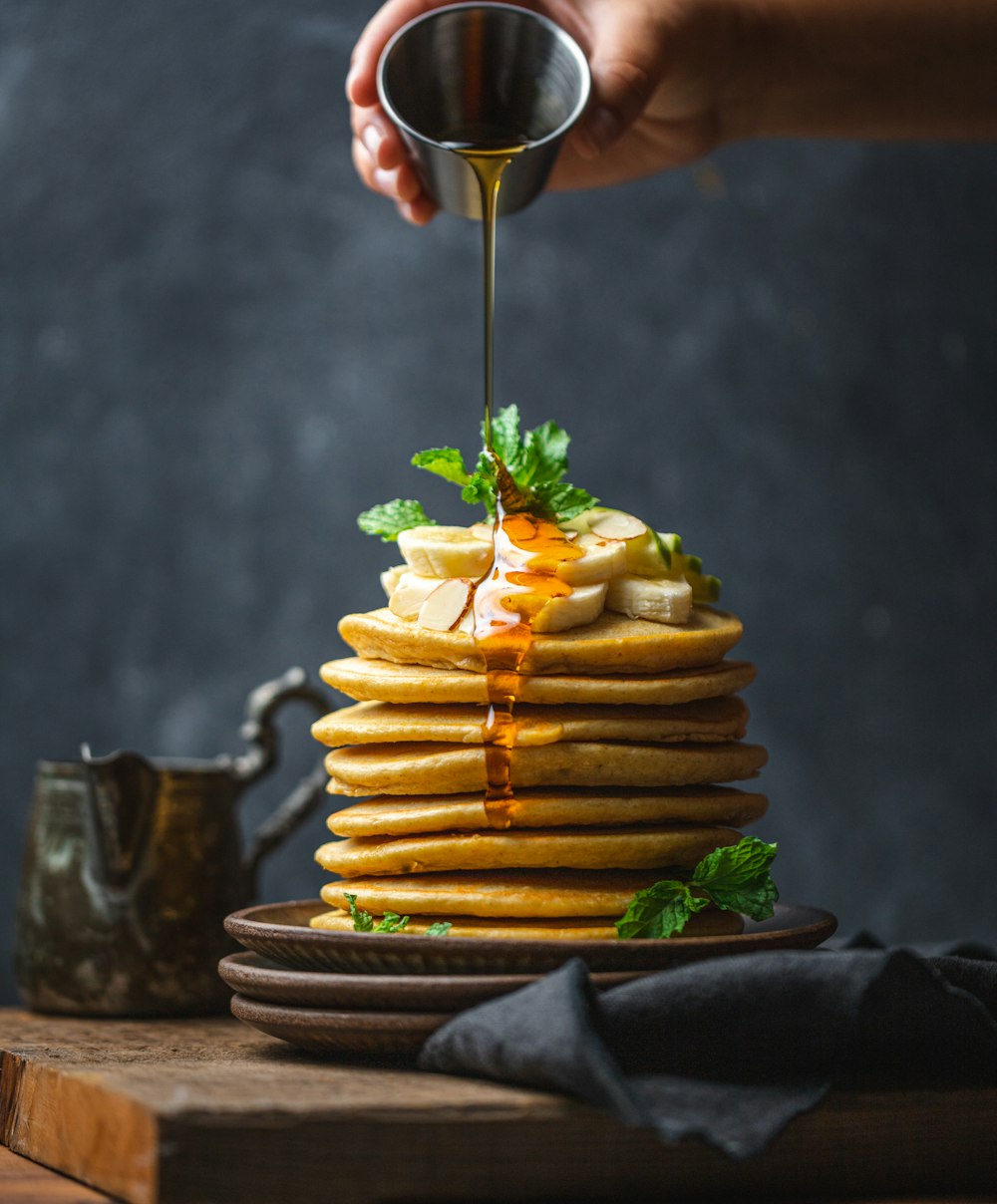
Golden, fragrant, and steeped in centuries of tradition — Emirati saffron pancakes, locally known as Chebab, represent the soul of UAE breakfast culture. These delicate, yeast-leavened pancakes infused with precious saffron strands are more than just food; they are a symbol of hospitality, heritage, and the warmth of Emirati homes.
If you have ever wondered what makes Chebab different from ordinary pancakes, or how you can recreate this authentic Emirati breakfast in your own kitchen, you have arrived at the right place. This article will guide you through every detail — from selecting the finest saffron to achieving the perfect golden-brown finish.
According to the Dubai Department of Economy and Tourism, traditional Emirati dishes like Chebab have seen a 40% increase in tourist interest over the past five years, making it one of the most sought-after UAE traditional food experiences.
Table of Contents
- 1. What Are Emirati Saffron Pancakes (Chebab)?
- 2. The Rich History and Cultural Significance of Chebab
- 3. Essential Ingredients for Authentic Chebab
- 4. Step-by-Step Chebab Recipe
- 5. Health Benefits of Saffron and Chebab
- 6. Where to Find Authentic Chebab in the UAE
- 7. Chebab vs. Other Global Pancakes: A Comparison
- 8. Frequently Asked Questions
What Are Emirati Saffron Pancakes (Chebab)?
Chebab (also spelled Chabab or Chebab bread) is a traditional Emirati pancake made from a yeast-based batter that is lightly sweetened and flavored with saffron and cardamom. Unlike Western pancakes, which are thick and fluffy, Chebab is thin, slightly chewy, and features a delicate lace-like pattern of golden-brown bubbles on one side.
The name Chebab translates roughly to "young" or "new" in Arabic, possibly referring to the fresh, puffy nature of these pancakes when they come off the griddle. In many Emirati households, Chebab is served as part of a traditional breakfast spread alongside date syrup (dibs), cream cheese, honey, or a simple dusting of sugar.
💡 Did You Know? The distinctive bubbly texture of Chebab comes from the natural fermentation of yeast in the batter. This fermentation process can take anywhere from 30 minutes to 2 hours, depending on the room temperature — a key factor that contributes to the pancake's unique flavor profile.
The Rich History and Cultural Significance of Chebab
The origins of Emirati saffron pancakes trace back to the Bedouin communities who roamed the Arabian Peninsula long before the formation of the United Arab Emirates in 1971. In those days, cooking required minimal ingredients and maximum resourcefulness. Saffron — one of the world's most expensive spices — was surprisingly common in Emirati kitchens because of the region's historical trade connections with Persia (Iran) and India.
For centuries, Chebab served as a quick, energizing breakfast for Bedouin families who needed sustenance before long days of desert travel or pearl diving. The natural sugars from the batter provided immediate energy, while the yeast fermentation made the pancakes easily digestible.
"In Emirati culture, the aroma of Chebab cooking on a griddle is the smell of home. It is the scent that greets you on Friday mornings, during Eid celebrations, and whenever family gathers from near and far." — Traditional Emirati Proverb
Today, Chebab remains a beloved part of Emirati cuisine, appearing at breakfast tables across all seven emirates. It is also a highlight of the Abu Dhabi Culinary Season and other food festivals that celebrate UAE traditional food.
Essential Ingredients for Authentic Chebab
To create authentic Emirati saffron pancakes at home, you need to understand the role each ingredient plays. Unlike Western pancakes that rely on baking powder, Chebab uses yeast as the primary leavening agent, which gives it a distinctive texture and subtle sourness.
🌿 Tip: For the best saffron flavor, soak the saffron threads in 2-3 tablespoons of warm water for at least 15 minutes before adding to the batter. This process, called "blooming," releases the maximum color and aroma from the precious spice.
Step-by-Step Chebab Recipe: How to Make Emirati Saffron Pancakes at Home
Making Chebab at home is surprisingly simple once you understand the process. The key is patience — letting the batter ferment properly is what separates an authentic Emirati saffron pancake recipe from an ordinary one.
Step 1: Activate the Yeast (10 minutes)
In a small bowl, combine ½ cup of warm water (around 105-110°F or 40-43°C) with 1 teaspoon of sugar and the active dry yeast. Stir gently and let it sit for 10 minutes until the mixture becomes frothy and bubbly. This froth tells you the yeast is alive and ready to work its magic.
Step 2: Bloom the Saffron (15 minutes)
While the yeast activates, place the saffron threads in a small cup with 3 tablespoons of warm water. Let it steep. You will see the water gradually turn a rich golden-orange color — this is the essence of your saffron pancakes.
Step 3: Mix the Dry Ingredients (5 minutes)
In a large mixing bowl, whisk together the flour, remaining sugar, salt, and ground cardamom. Distribute the spices evenly so every bite of your Chebab carries the signature flavor.
Step 4: Combine and Ferment (1-2 hours)
Add the activated yeast mixture, saffron water, and the remaining warm water to the dry ingredients. Whisk until you achieve a smooth batter similar in consistency to heavy cream. If using an egg, beat it in at this stage. Cover the bowl with a clean kitchen towel and let it rest at room temperature for 1-2 hours. The batter should double in volume and develop a slightly sour aroma.
Step 5: Cook the Chebab (20-30 minutes)
Heat a non-stick pan or traditional flat griddle (known as a tawa) over medium heat. Lightly grease it with oil or ghee. Pour about ¼ cup of batter onto the hot surface. Do not spread it — let it naturally form a round shape. Cook for 2-3 minutes until bubbles form on the surface and the bottom turns golden brown. Flip and cook for another 1-2 minutes.
Step 6: Serve and Enjoy
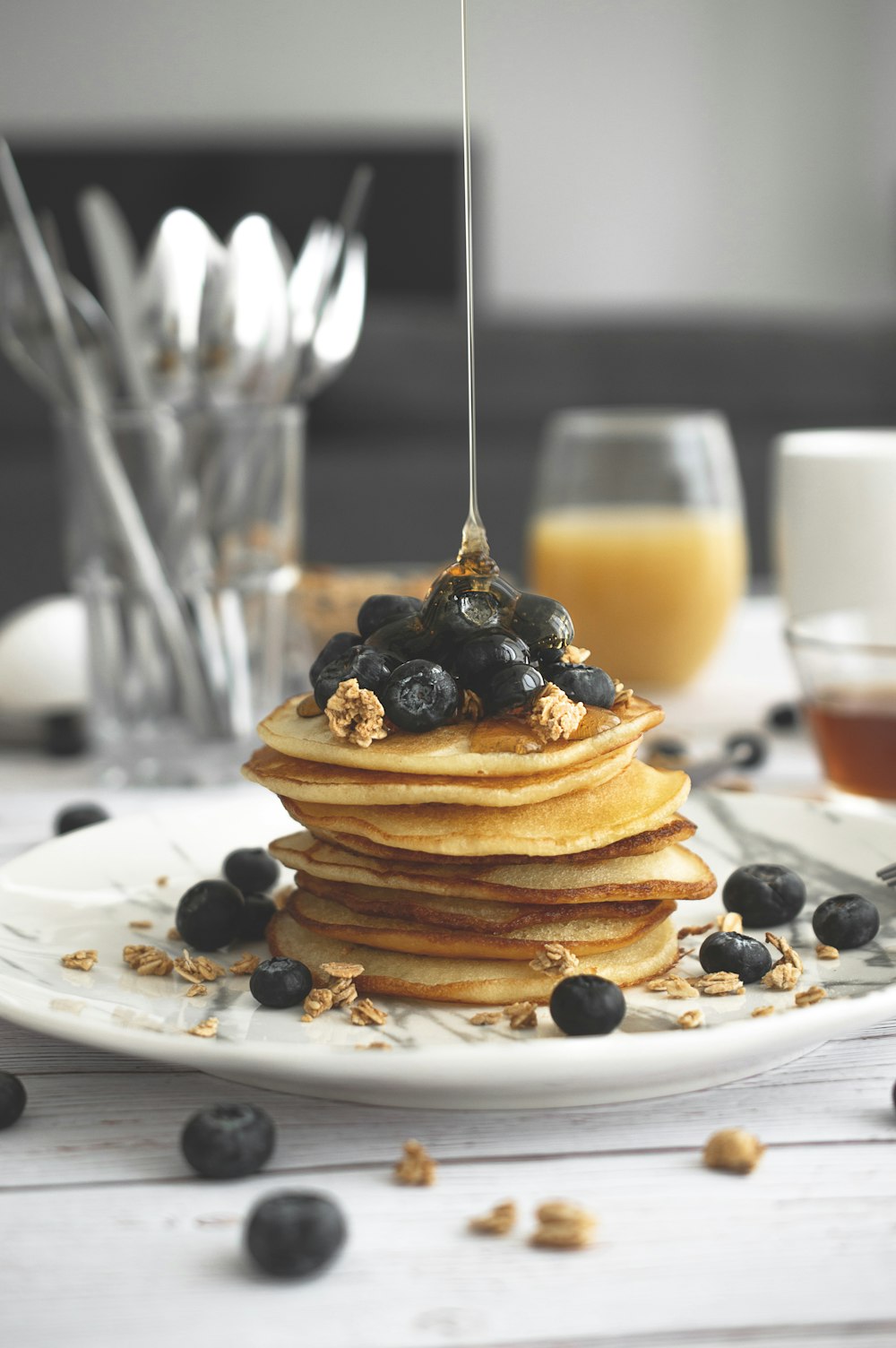
Stack your warm Chebab on a plate and serve immediately. Traditional accompaniments include date syrup, cream cheese (like qishta), honey, or simply a sprinkle of sugar. In Emirati households, Chebab is almost always served alongside Arabic coffee (gahwa) for a complete traditional Emirati breakfast experience.
⚠️ Alert: Do not overmix the batter after fermentation. Gently fold it once or twice before cooking to preserve the air pockets that give Chebab its characteristic texture. Overmixing will deflate the batter and result in flat, rubbery pancakes.
Health Benefits of Saffron and Emirati Pancakes
While Chebab is undeniably a comfort food, it also carries several health benefits — primarily because of the saffron and cardamom that flavor it. Understanding these benefits can help you appreciate this Emirati breakfast even more.
- Mood Enhancement: Clinical studies published in the Journal of Ethnopharmacology suggest that saffron may help alleviate symptoms of mild depression and anxiety due to its active compounds, crocin and safranal.
- Antioxidant Power: Saffron contains powerful antioxidants that protect cells from oxidative stress and inflammation, supporting overall immune health.
- Digestive Aid: The fermentation process in Chebab batter produces beneficial probiotics that support gut health and improve digestion naturally.
- Cardiovascular Support: Cardamom has been shown in studies to help lower blood pressure and improve circulation, making it a heart-healthy spice.
- Energy Without Spikes: Unlike processed breakfast foods, Chebab provides sustained energy through complex carbohydrates and natural sugars from the fermentation process.
Where to Find Authentic Chebab in the UAE
If you are visiting the UAE or simply want to experience authentic Chebab without cooking, several renowned establishments serve this traditional delicacy. Here are some of the best places to find Emirati saffron pancakes across the Emirates:
- Al Fanar Restaurant & Café (Dubai & Abu Dhabi) — Known for serving Emirati classics in a heritage-inspired setting, their Chebab is considered among the most authentic in the UAE.
- Arabian Tea House (Dubai, Al Fahidi District) — A charming café that serves Chebab with date syrup and cream in a traditional courtyard atmosphere.
- Seven Sands (Dubai, JBR) — A modern twist on Emirati cuisine, offering Chebab as part of their signature breakfast platter.
- Meylas (Abu Dhabi) — An award-winning Emirati restaurant by chef Khulood Atiq, famous for elevating traditional breakfast items including Chebab.
- Local Homes — For the most authentic experience, consider booking a dining experience with an Emirati family, where Chebab is served with genuine hospitality.
Chebab vs. Other Global Pancakes: A Comparison
How do Emirati saffron pancakes stack up against other beloved pancake varieties from around the world? This comparison table highlights the key differences that make Chebab truly unique.
Future Trends: Chebab and the UAE's Culinary Evolution
As the UAE continues to grow as a global culinary destination, Emirati saffron pancakes are evolving beyond their traditional roots. Innovative chefs are experimenting with Chebab in exciting new ways while still honoring its heritage.
Several notable trends are emerging in the world of Emirati cuisine that could shape the future of Chebab:
- Fusion Concepts: Chefs are incorporating Chebab into desserts like Chebab tiramisu and Chebab mille-crêpes, layering the pancakes with cream and fruit.
- Health-Conscious Variations: Gluten-free and vegan Chebab versions are appearing on menus, using alternatives like rice flour and flax eggs.
- Sustainability Focus: With the UAE's Vision 2030 emphasizing food sustainability, more restaurants are sourcing local honey and organic saffron for their Chebab.
- Global Recognition: Emirati chefs are showcasing Chebab at international food events, helping this humble breakfast dish gain worldwide recognition.
The UAE Vision 2030 specifically highlights culinary tourism as a growth area, and traditional dishes like Chebab play a central role in this cultural exchange. By preserving and promoting authentic recipes, the UAE is ensuring that Emirati food traditions continue to thrive for generations to come.
Frequently Asked Questions About Emirati Saffron Pancakes (Chebab)
Q1: What is the difference between Chebab and regular pancakes?
Chebab uses yeast as its leavening agent rather than baking powder, which gives it a distinct chewy texture and slightly sour flavor. It is also flavored with saffron and cardamom — ingredients you will not find in standard Western pancakes. The cooking process creates a bubbly, lace-like surface that is unique to Chebab.
Q2: Can I make Chebab without saffron?
Yes, you can make Chebab without saffron, but you will lose the signature golden color and distinctive aroma. If saffron is unavailable or too expensive, you can substitute with a pinch of turmeric for color and a drop of rosewater for fragrance — though the flavor will differ from authentic Emirati saffron pancakes.
Q3: How long should the Chebab batter ferment?
For best results, ferment the batter for 1-2 hours at room temperature. You can also refrigerate it overnight (8-12 hours) for deeper flavor development. Just remember to bring the batter back to room temperature before cooking. Over-fermentation beyond 12 hours may result in an overly sour taste.
Q4: What should I serve with Chebab?
Traditional accompaniments include date syrup (dibs), Arabic cream cheese (qishta), honey, and Arabic coffee (gahwa). You can also serve Chebab with Nutella, fresh fruits, or whipped cream for a more indulgent breakfast. In Emirati homes, Chebab is often enjoyed simply with a drizzle of honey and a cup of karak tea.
Q5: Is Chebab gluten-free?
Traditional Chebab is not gluten-free as it is made with all-purpose wheat flour. However, you can adapt the recipe using a gluten-free flour blend. Keep in mind that gluten-free flours may require slightly different liquid ratios and will not achieve the exact same chewy texture, but the flavor profile can still be delicious.
Q6: Can I store leftover Chebab?
Yes, Chebab stores well in the refrigerator for up to 3 days when wrapped tightly in plastic wrap or placed in an airtight container. To reheat, warm them in a dry pan over low heat or microwave for 15-20 seconds. You can also freeze Chebab for up to 2 months — separate the pancakes with parchment paper to prevent sticking.
Q7: Why is my Chebab not developing bubbles?
The lack of bubbles usually indicates that either the yeast was not active or the batter was not fermented long enough. Ensure your yeast is fresh and the water temperature is warm (not hot — hot water kills yeast). Also, let the batter rest in a warm, draft-free area. If your kitchen is cold, place the bowl in a slightly warm (not hot) oven.
Conclusion: Embrace the Golden Tradition of Emirati Saffron Pancakes
Emirati saffron pancakes are far more than a breakfast item — they are a living piece of UAE heritage that connects modern diners with centuries of Bedouin tradition. From the precious saffron threads that color each pancake to the gentle fermentation that gives Chebab its signature texture, every element tells a story of hospitality, resourcefulness, and culinary artistry.
Whether you choose to make Chebab at home using our detailed recipe or seek out authentic versions at traditional Emirati restaurants, you are participating in a cultural experience that has brought families together for generations. The simple act of flipping a golden pancake on a warm griddle connects you to the heart of Emirati cuisine.
We encourage you to try this recipe in your own kitchen. The process of blooming saffron, watching the yeast bubble to life, and smelling the cardamom-scented steam as the pancakes cook is a sensory journey worth taking. Share your Chebab creations with family and friends, and pass on the tradition.
Ready to Taste the Golden Tradition?
🌿 Start Your Emirati Breakfast Journey Today
Gather your ingredients, bloom that precious saffron, and experience the authentic taste of UAE hospitality in your own kitchen.
📌 Save this article for your next breakfast adventure!
Share your Chebab creations with us using #EmiratiSaffronPancakes #ChebabLovers