Gulf Flatbreads Compared: The Complete Guide to Khubz, Taboon, Regag, and More
Gulf flatbreads compared side by side reveal a fascinating world of texture, flavor, and tradition that most people overlook. From the ubiquitous khubz that accompanies nearly every meal in the Arabian Peninsula to the delicate, lace-thin regag bread of the Emirates, each Middle Eastern flatbread tells a story of geography, culture, and culinary evolution. Studies show that bread consumption in the GCC region averages 95 kg per person annually, making flatbreads a nutritional cornerstone of Gulf diets. Whether you are exploring traditional Gulf bread for the first time or seeking to understand the nutritional comparison of Gulf flatbreads, this guide breaks down every major variety, baking method, and regional variation. By the end, you will know exactly how to choose the right Gulf flatbread for your meal and understand what makes each one unique.
📋 Table of Contents
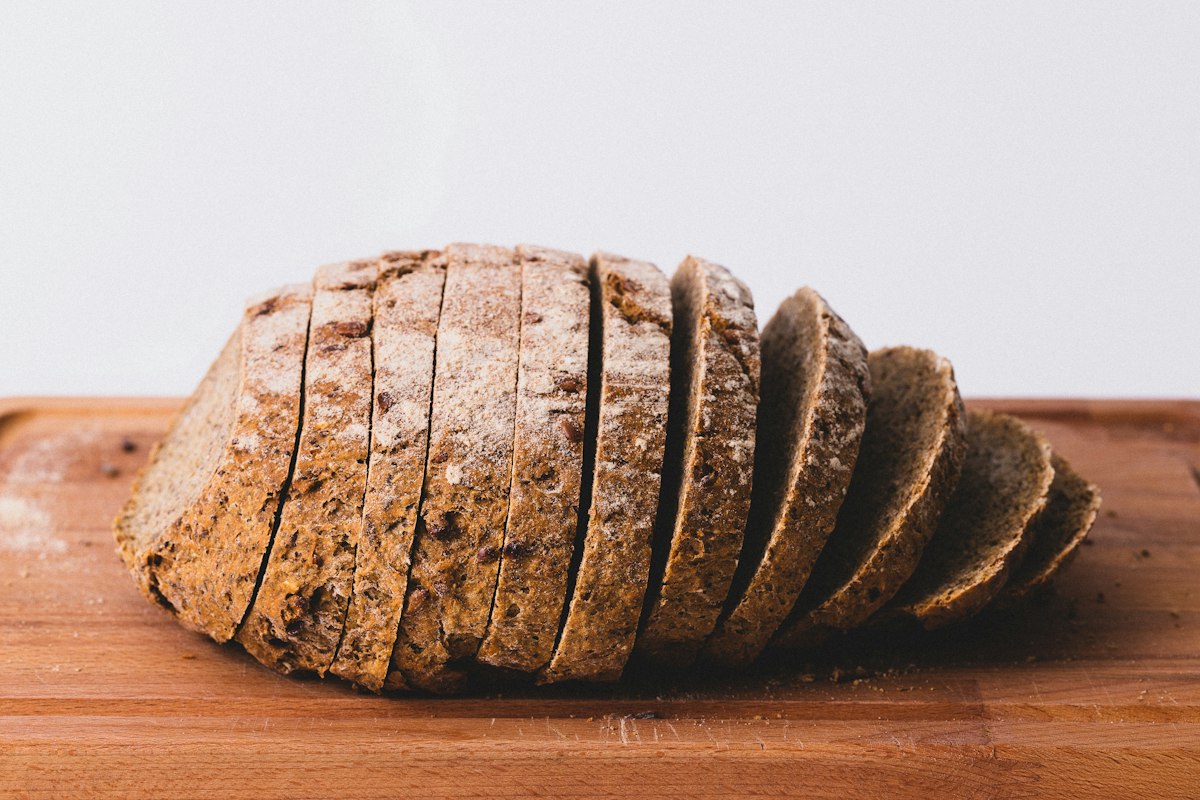
A traditional platter showcasing multiple Gulf flatbread varieties, ideal for comparing textures and baking styles.
What Are Gulf Flatbreads?
Gulf flatbreads are unleavened or lightly leavened breads that form the backbone of GCC bread culture. Unlike Western breads that rely on yeast for significant rise, many Arabic bread types in the Gulf region are either completely flat or only slightly puffed, designed to be used as edible utensils, wraps, or accompaniments to stews and grilled meats.
The history of traditional Gulf bread stretches back thousands of years. Archaeological evidence from the Dilmun civilization in present-day Bahrain shows that flatbread baking was well established by 3000 BCE. The desert environment shaped bread-making techniques: portable doughs, high-heat quick baking, and recipes that required minimal water were essential for survival.
"Flatbread is more than food in the Gulf — it is a symbol of hospitality, community, and the enduring connection between land and table. When you break bread with a Gulf family, you share in a tradition older than nations."
Today, the flatbread market in the Gulf Cooperation Council (GCC) countries is valued at approximately $1.2 billion annually, according to industry reports from 2023. Saudi Arabia alone accounts for 42% of regional bread production, followed by the UAE at 18%. This economic significance underscores just how central these breads are to daily life in the region.
A baker skillfully kneads dough, the first step in creating authentic Gulf flatbreads.
Major Types of Gulf Flatbreads Compared
When you compare Gulf flatbreads, six primary varieties dominate the culinary landscape. Each has distinct characteristics in terms of thickness, texture, baking method, and typical uses. Understanding these differences helps you appreciate the nuances of Middle Eastern flatbread culture.
1. Khubz (Arabic Pita Bread)
Khubz is the undisputed king of Gulf flatbreads. This round, slightly leavened bread puffs dramatically during baking, creating a natural pocket. Made primarily from white wheat flour, water, yeast, salt, and sometimes a touch of sugar, khubz is baked at extremely high temperatures — usually between 350°C and 500°C — for just 60 to 90 seconds.
- Diameter: 20–30 cm
- Thickness: 5–10 mm (when puffed)
- Texture: Soft and chewy with a crisp exterior when fresh
- Best for: Wraps, dipping in hummus, scooping stews
💡 TIP: To revive day-old khubz, sprinkle it lightly with water and heat it in a dry pan for 20 seconds per side. The steam will restore the bread's original softness and make it taste almost freshly baked.
2. Taboon Bread
Taboon bread, also spelled tabun or taboun, is a thicker, heartier flatbread named after the traditional clay oven in which it is baked. Unlike khubz, taboon dough is often made with whole wheat flour, giving it a denser texture and nuttier flavor. It is particularly popular in Oman, Yemen, and southern Saudi Arabia.
- Diameter: 25–40 cm
- Thickness: 1–3 cm
- Texture: Dense, rustic, and chewy with a crispy bottom
- Best for: Soaking up thick stews, serving with grilled meats
The taboon oven itself is a remarkable piece of engineering. Constructed from clay and straw, it retains heat for hours and imparts a distinctive smoky flavor to the bread. Modern taboon baking has largely transitioned to gas-fired or electric ovens, but artisanal bakeries in Nizwa, Oman and Abha, Saudi Arabia still maintain traditional clay ovens.
3. Regag (Rugag)
Regag — also known as ruqaq or raqaq — is the paper-thin flatbread that defines Emirati and Qatari breakfast culture. The dough is extremely wet and is spread thinly over a hot metal griddle (tabi) using a special tool called a mihmasah. The result is a bread so thin it is almost translucent.
In the UAE, regag is traditionally served with chami cheese, date syrup (dibs), or eggs. Street-side regag stands in Dubai and Abu Dhabi have become cultural landmarks, with some establishments serving over 500 regag breads per day.
- Diameter: 40–50 cm
- Thickness: 0.5–1 mm
- Texture: Crispy and delicate, almost cracker-like
- Best for: Breakfast wraps, sweet fillings, light snacks
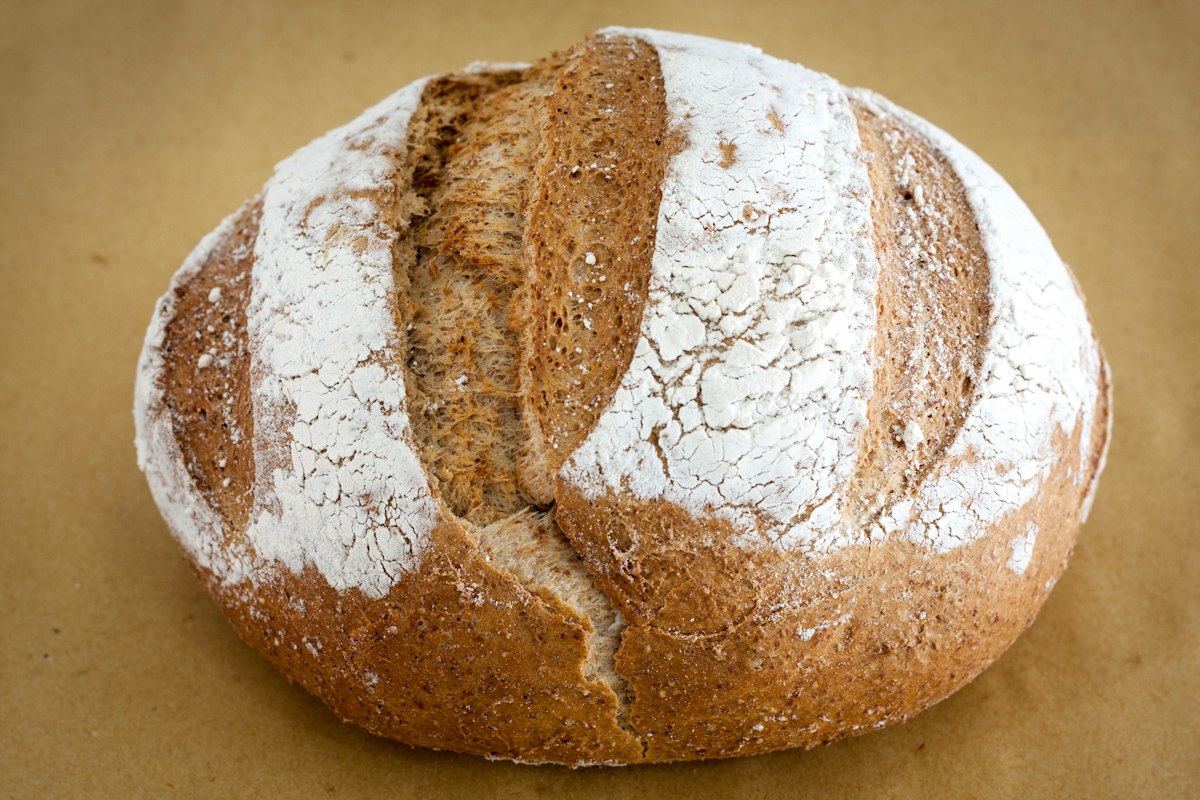
Regag bread, spread impossibly thin over a hot griddle, creates a uniquely crispy texture.
4. Khameer Bread
Khameer is a distinctly sweet and aromatic flatbread that originated in the United Arab Emirates and northern Oman. What sets khameer apart is the addition of dates, cardamom, saffron, and sometimes fennel seeds to the dough. This gives it a golden color and a fragrance that fills the entire neighborhood when baked.
- Diameter: 15–25 cm
- Thickness: 1–2 cm
- Texture: Soft, slightly dense, with a golden crust
- Best for: Breakfast with cream cheese, honey, or date syrup
5. Maldouf (Layered Flatbread)
Maldouf, also called mardhuf in some regions, is a layered flatbread that resembles a simplified version of Indian paratha. The dough is rolled thin, brushed with ghee or oil, folded, and re-rolled multiple times to create flaky layers. This bread is especially popular in Kuwait and eastern Saudi Arabia, where Indian culinary influences are strongest.
- Diameter: 15–20 cm
- Thickness: 0.5–1.5 cm (multi-layered)
- Texture: Flaky, buttery, and soft
- Best for: Breakfast, with curries, or as a sandwich wrap
6. Qurs (Traditional Saudi Flatbread)
Qurs is a rustic, thick flatbread from the Najd region of Saudi Arabia. Made from whole wheat flour and baked on a convex metal griddle (saj) or in a traditional oven, qurs has a hearty, earthy flavor. It is often made at home and is considered the bread of hospitality in Bedouin culture.
- Diameter: 30–50 cm
- Thickness: 1–2 cm
- Texture: Coarse, rustic, and slightly chewy
- Best for: Serving with traditional Saudi dishes like kabsa and jareesh
Nutritional Comparison of Gulf Flatbreads
When you compare Gulf flatbreads from a nutritional standpoint, significant differences emerge. The flatbread nutrition comparison below uses standard 100-gram portions, which roughly equals one medium-sized flatbread or two smaller ones. Understanding these values helps you make informed dietary choices, especially if you are managing carbohydrate intake or seeking higher fiber options.
Source: Regional food composition databases, GCC Ministry of Health publications (2022–2024). Values are approximate and may vary based on recipe and preparation method.
⚠️ NOTE: If you are following a low-carbohydrate or diabetic-friendly diet, qurs and taboon bread are the best choices among Gulf flatbreads due to their higher fiber content and lower glycemic impact. White khubz, while delicious, has a higher glycemic index and should be consumed in moderation.
Regional Variations Across GCC Countries
The GCC bread culture is far from monolithic. Each country has developed its own preferences and specialties, shaped by local ingredients, trade history, and cultural exchange. When Gulf flatbreads are compared region by region, the diversity is remarkable.
Saudi Arabia
Saudi Arabia, as the largest GCC country, showcases the greatest diversity of Arabic bread types. In the Najd region, thick whole wheat qurs dominates. Along the Red Sea coast in Jeddah, you will find lighter, more Mediterranean-influenced flatbreads. In the Eastern Province, Indian-inspired maldouf and chapati variations are common. Saudi Arabia is also the only GCC country with a significant sourdough flatbread tradition, particularly in the mountainous Asir region.
United Arab Emirates
The UAE has embraced regag and khameer as its signature flatbreads. These two breads represent the extremes of Emirati bread-making: one impossibly thin and crispy, the other thick, sweet, and aromatic. In Dubai and Abu Dhabi, regag stands have become cultural institutions, while khameer is a weekend breakfast staple in Emirati homes. The UAE has also become a hub for artisanal flatbread bakeries that fuse traditional techniques with global flavors.
Kuwait
Kuwaiti bread culture is heavily influenced by Iranian and Indian culinary traditions. The Kuwaiti tanoor bread, a close relative of Iranian naan-e-tanoori, is thicker than standard khubz and is baked in a vertical clay oven. Kuwait is also known for mashhoor bread, which is sprinkled with sesame seeds and nigella seeds before baking.
Qatar
Qatari flatbread culture centers on regag, which Qataris claim as their own alongside the UAE. The Qatari version tends to be slightly thicker and is often served with balaleet (sweet vermicelli) for breakfast. Qatari khubz is also distinctive for its larger diameter, often reaching 35 cm.
Oman
Oman is the undisputed home of taboon bread. The thick, whole wheat bread baked in clay ovens is a point of national pride. Omani taboon is typically larger and thicker than versions found elsewhere, and it pairs beautifully with shuwa (slow-cooked lamb) and mishkak (grilled meat skewers). Omani bakers are also known for khubz ragag, a hybrid style that combines the thinness of regag with the structure of khubz.
Bahrain
Bahrain, despite its small size, has a rich bread heritage. The Bahraini khubz is known for being slightly sweeter than other Gulf varieties, with some bakers adding a touch of sugar or honey to the dough. Bahrain is also home to muhammar, a sweet flatbread made with dates and spices that is traditionally served during Ramadan and Eid celebrations.
Traditional Gulf Flatbread Baking Methods
Understanding traditional Gulf flatbread baking methods gives you deeper appreciation for the craft behind each bread. The choice of baking surface and heat source dramatically affects the final texture, flavor, and appearance of the bread.
The Saj (Convex Metal Griddle)
The saj is a convex metal griddle, traditionally made of iron, that sits over an open flame or gas burner. It is the preferred surface for regag and some types of qurs. The convex shape allows excess dough to fall away naturally, creating uniformly thin bread. Saj baking requires remarkable skill — the baker must spread the wet dough in a single, fluid motion using a specialized tool.
The Taboon (Clay Oven)
The taboon is a barrel-shaped clay oven with an opening at the top. Fuel (traditionally dried palm fronds or wood, now often gas) heats the clay walls, which then radiate heat evenly. Bread dough is slapped against the inner walls of the oven, where it bakes from the conducted heat. This method produces bread with a characteristic crispy bottom and soft top.
The Tandoor (Vertical Clay Oven)
Similar to the Indian tandoor, the Gulf tandoor is a vertical clay oven used primarily in Kuwait and Bahrain. The dough is slapped against the inner walls, where it bakes at extremely high temperatures (often exceeding 400°C). This produces bread with distinctive charred spots and a smoky flavor.
The Commercial Conveyor Oven
Modern commercial bakeries in the Gulf have largely adopted conveyor belt ovens for khubz production. These ovens can bake 10,000 to 20,000 khubz per hour, a scale impossible with traditional methods. However, purists argue that the flavor and texture of conveyor-baked khubz differ subtly from traditionally baked bread — the higher, more consistent heat of the conveyor produces a more uniform but less characterful crumb.
Freshly baked flatbreads cooling on racks — the aroma of warm Gulf bread is unmistakable.
How to Choose the Right Gulf Flatbread for Your Meal
Knowing how to choose the right Gulf flatbread for your meal is a skill that elevates your dining experience, whether you are cooking at home or ordering at a restaurant. Here is a practical guide based on meal type and desired experience.
For Wraps and Sandwiches
Best choice: Khubz (white or whole wheat)
Khubz's pocket structure and pliability make it the ideal Gulf flatbread for sandwiches and wraps. It holds fillings securely without tearing, and its neutral flavor complements rather than overwhelms the filling. For shawarma, falafel wraps, or grilled vegetable sandwiches, fresh khubz is unmatched.
For Dipping and Scooping
Best choice: Khubz or Qurs
When serving hummus, baba ganoush, or muhammara, you want a bread with enough structure to scoop without breaking. Fresh khubz works beautifully, but qurs offers an even more rustic, hearty dipping experience. Its thicker texture and whole wheat flavor pair exceptionally well with smoky dips.
For Stews and Curries
Best choice: Taboon bread or Maldouf
Thick, absorbent breads are essential for dishes like saloona, machboos, or Indian-influenced Gulf curries. Taboon bread soaks up liquid while maintaining its structural integrity, while maldouf adds a buttery, flaky dimension to the meal.
For Breakfast
Best choice: Regag or Khameer
Breakfast in the Gulf is a special occasion. Regag wrapped around cheese, eggs, or date syrup is a light, crispy start to the day. Khameer, with its subtle sweetness and aromatic spices, pairs perfectly with cream cheese and a cup of karak tea.
💡 TIP: Store Gulf flatbreads in a clean cloth bag rather than plastic. Cloth allows the bread to breathe, preventing the moisture buildup that leads to mold. For longer storage, freeze flatbreads in a single layer, then transfer to a freezer bag. They will keep for up to 3 months.
For Special Occasions
Best choice: Khameer or Muhammar
During Ramadan, Eid, or family gatherings, khameer and muhammar take center stage. These sweet, aromatic breads represent celebration and abundance. Their golden color and fragrant spices make them as visually appealing as they are delicious.
Future Trends and Modern Adaptations
The world of Gulf flatbreads is evolving rapidly. As we look toward the future, several trends are reshaping how these traditional breads are produced, consumed, and perceived — both within the Gulf and globally.
Health-Conscious Reformulation
Across the GCC, consumers are increasingly health-conscious. According to a 2023 survey by the GCC Food Industry Association, 67% of Gulf consumers say they are actively trying to reduce refined carbohydrate intake. This has driven innovation in whole wheat, multigrain, and gluten-free versions of traditional flatbreads. Saudi Arabia's Vision 2030 health initiatives have specifically called for increased whole grain consumption, prompting bakeries to reformulate khubz with higher fiber content.
Artisanal Revival
Just as the Western world has experienced a sourdough renaissance, the Gulf is seeing a revival of artisanal flatbread baking. Young entrepreneurs in Dubai, Riyadh, and Doha are opening boutique bakeries that emphasize traditional methods, heritage grains, and slow fermentation. These bakeries often collaborate with local farmers to source emmer wheat and barley varieties that were common in the Gulf before the dominance of modern white flour.
Technology Integration
Technology is transforming flatbread production at every scale. In commercial bakeries, AI-powered quality control systems now monitor bread color, size, and texture in real time, ensuring consistency at production speeds of 20,000+ breads per hour. For home bakers, smart ovens with flatbread-specific settings are making it easier than ever to replicate traditional results.
Global Export Growth
Gulf flatbread exports have grown by 23% annually since 2020, according to trade data from the GCC Statistical Center. Frozen khubz, pre-baked regag, and vacuum-sealed khameer are now available in Middle Eastern grocery stores across Europe, North America, and Southeast Asia. This global expansion is introducing Gulf bread culture to audiences who may have never encountered it before.
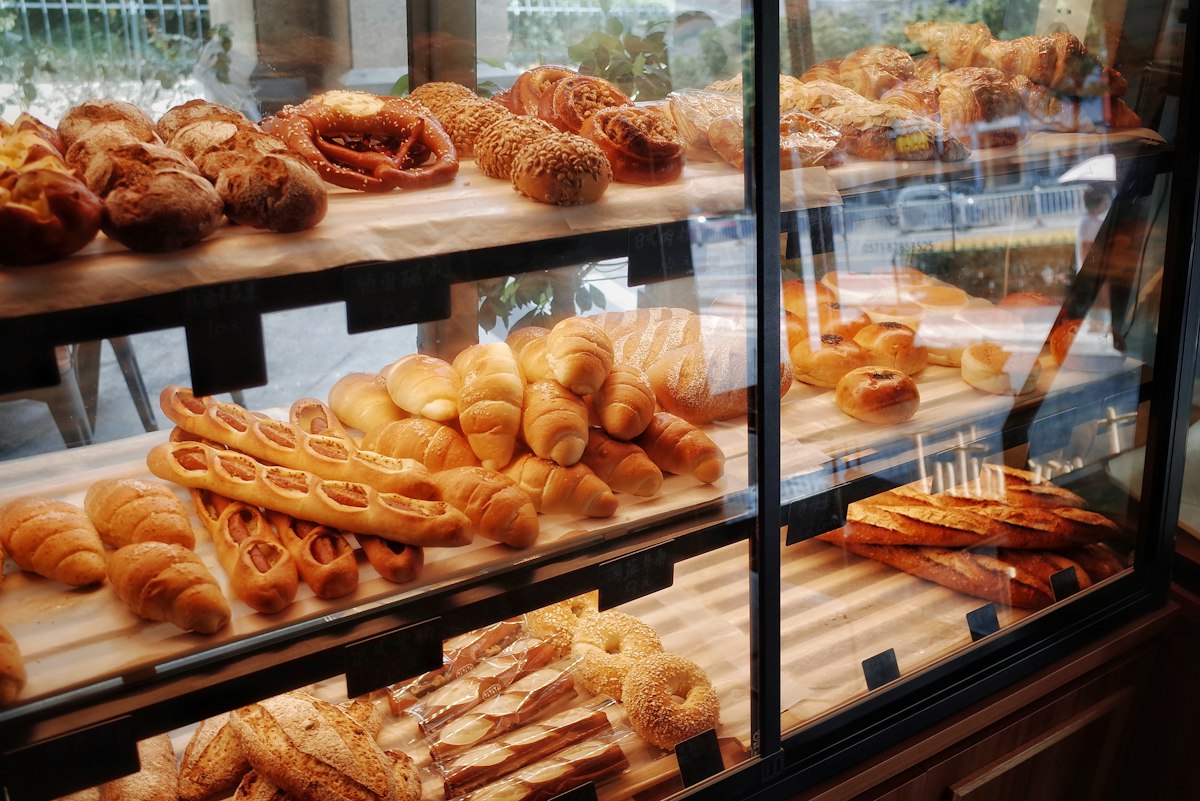
Modern artisanal bakeries blend tradition with innovation, producing Gulf flatbreads for global audiences.
Frequently Asked Questions About Gulf Flatbreads
What is the most popular flatbread in the Gulf?
Khubz (Arabic pita bread) is by far the most popular and widely consumed flatbread across all GCC countries. It is estimated that 80–90% of all bread consumed in the Gulf is khubz in some form. Its versatility, quick baking time, and neutral flavor make it the default bread for everyday meals.
What is the difference between khubz and pita bread?
While khubz and pita bread are very similar, there are subtle differences. Khubz is generally thinner and larger in diameter than Greek or Mediterranean pita. Gulf khubz is also typically baked at higher temperatures for a shorter time, producing a lighter, airier crumb. Additionally, Gulf khubz is often made with a higher hydration dough, making it softer and more pliable.
Are Gulf flatbreads healthy?
The health profile of Gulf flatbreads varies significantly by type. Whole wheat varieties like taboon bread and qurs offer good fiber content and are considered healthy staples. White khubz, while not unhealthy per se, is refined and should be balanced with other nutrient-dense foods. The main nutritional concern is portion size — Gulf flatbreads are delicious and it is easy to consume more than intended.
Can I make Gulf flatbreads at home?
Yes, absolutely! Khubz is the easiest to make at home, requiring only flour, water, yeast, salt, and a very hot oven or pan. Regag is more challenging due to its extremely thin nature, but with practice, home cooks can master it using a non-stick pan. Khameer and maldouf are intermediate-level breads that any confident home baker can tackle.
How should I store Gulf flatbreads?
Fresh Gulf flatbreads are best consumed within 24 hours of baking. For short-term storage (2–3 days), wrap them in a clean cloth and keep them at room temperature. For longer storage, freeze them in airtight bags for up to 3 months. To reheat, thaw at room temperature and warm briefly in a dry pan or oven — never microwave, as this makes the bread tough and rubbery.
What is the traditional bread of the UAE?
The UAE has two signature traditional breads: regag (thin, crispy flatbread) and khameer (sweet, aromatic flatbread). Regag is the everyday breakfast bread, while khameer is more associated with weekends, celebrations, and family gatherings. Both are integral to Emirati cultural identity and are increasingly celebrated in food festivals and heritage events across the country.
Which Gulf flatbread is best for diabetics?
For individuals managing diabetes, qurs and whole wheat taboon bread are the best choices among Gulf flatbreads. Their higher fiber content (7–8 grams per 100g serving) slows carbohydrate absorption and reduces blood sugar spikes. White khubz has a higher glycemic index and should be consumed in smaller portions or replaced with whole wheat alternatives.
Conclusion: The Enduring Legacy of Gulf Flatbreads
When Gulf flatbreads are compared side by side, what emerges is a portrait of a region that values tradition while embracing innovation. From the paper-thin delicacy of regag to the hearty substance of taboon bread, from the sweet fragrance of khameer to the humble ubiquity of khubz, these breads are more than food — they are living history.
Each time you tear a piece of fresh khubz to scoop hummus, or wrap eggs in a crispy regag, or break a dense qurs to share with family, you participate in a tradition that has sustained Gulf communities for millennia. The nutritional comparison of Gulf flatbreads shows that these breads can be part of a healthy, balanced diet, especially when whole grain varieties are chosen.
Whether you are a curious food lover, a health-conscious consumer, or someone exploring GCC bread culture for the first time, the world of Gulf flatbreads offers endless discovery. Try baking one at home, visit a traditional bakery, or simply appreciate the craft the next time you hold a warm piece of khubz in your hands.
🍞 Explore More Gulf Culinary Traditions
Subscribe to our newsletter for weekly articles on Middle Eastern cuisine, traditional recipes, and food culture from the Arabian Peninsula.
Subscribe Now — It's Free📧 Join 25,000+ food lovers discovering Gulf cuisine
📚 Related Articles You May Enjoy:
🔗 Trusted External Resources: