Harees: The Beloved Ramadan Staple Dish You Need to Know
Harees — the Ramadan staple — is far more than a simple porridge. This ancient dish, made from coarsely ground wheat and slow-cooked meat, has nourished fasting Muslims for over 1,000 years. During the holy month of Ramadan, when 1.9 billion Muslims worldwide observe daily fasting from dawn to sunset, harees appears on iftar tables across the Arabian Peninsula, the Levant, and South Asia. Its creamy texture, deep savory flavor, and remarkable nutritional density make it the perfect meal to break a fast. Whether you are exploring traditional Ramadan cuisine, searching for an authentic harees recipe, or simply curious about global food culture, this guide offers everything you need. You will discover its fascinating history, master the step-by-step preparation, and understand why this humble wheat-and-meat dish remains an enduring symbol of hospitality, generosity, and spiritual nourishment.
📋 Table of Contents
- ➤ What Is Harees? A Deep Dive into the Ancient Dish
- ➤ The Cultural Significance of Harees During Ramadan
- ➤ Key Ingredients That Make Harees Special
- ➤ How to Prepare Authentic Harees at Home (Step-by-Step Guide)
- ➤ Nutritional Benefits of This Ramadan Staple
- ➤ Harees vs. Other Traditional Ramadan Dishes (Comparison Table)
- ➤ Regional Variations Across the Globe
- ➤ Expert Tips for Perfect Harees Every Time
- ➤ Frequently Asked Questions (FAQ)
- ➤ Conclusion & Call to Action
What Is Harees? A Deep Dive into the Ancient Dish
Harees (also spelled harissa, hareesah, or jareesh in various regions) is a traditional Middle Eastern dish made by slow-cooking wheat kernels with meat — typically chicken, lamb, or beef — until both break down into a smooth, porridge-like consistency. The result is a creamy, savory, deeply comforting meal that has been a Ramadan staple for centuries. You can think of it as the Middle Eastern equivalent of a savory wheat porridge, with a texture somewhere between congee and risotto.
Historical records trace harees back to at least the 10th century, appearing in the famous Arabic cookbook Kitab al-Tabikh (The Book of Dishes) by Ibn Sayyar al-Warraq. Some food historians believe the dish may be even older, potentially dating to the Abbasid Caliphate or earlier. This means when you prepare harees today, you are participating in a culinary tradition that spans over 1,000 years of history.
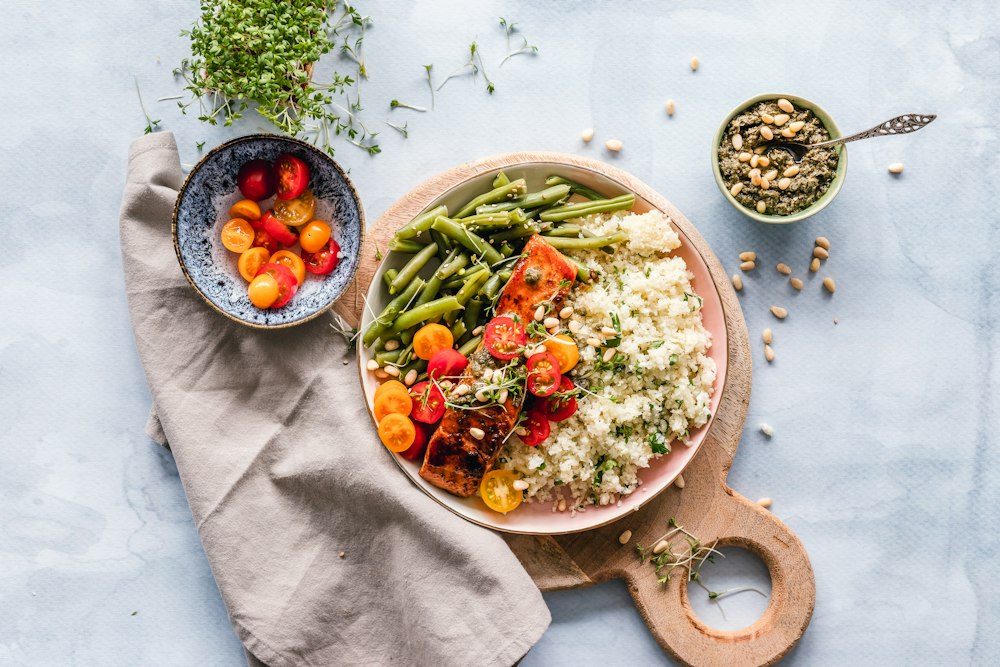
The word "harees" derives from the Arabic root "harasa" (هَرَسَ), meaning "to mash" or "to crush." This etymology perfectly describes the cooking method — wheat and meat are pounded, stirred, and cooked together until they literally merge into one harmonious dish. The act of mashing is so central to the preparation that in many traditional households, a special wooden paddle called a midrab is used specifically for this purpose.
💡 Did You Know? In the United Arab Emirates, harees is so culturally significant that it is often served at weddings, births, and other major life celebrations — not just during Ramadan. It is considered a symbol of generosity and communal bonding.
Unlike many other Ramadan dishes that are fried or heavily spiced, harees relies on slow cooking and simple seasoning to develop its flavor. The wheat releases starch as it cooks, creating a naturally creamy texture without the need for dairy. The meat infuses the wheat with rich, savory depth. A finishing touch of melted ghee, ground cinnamon, or caramelized onions elevates the dish to something truly special.
The Cultural Significance of Harees During Ramadan
During the holy month of Ramadan, when Muslims fast from dawn until sunset, the iftar meal (the breaking of the fast) becomes a moment of profound social and spiritual importance. Harees — the Ramadan staple — holds a special place at this table. Its cultural significance extends far beyond its nutritional value; it represents community, hospitality, and shared heritage.
In the United Arab Emirates, harees is so deeply woven into the cultural fabric that it was inscribed on UNESCO's Representative List of the Intangible Cultural Heritage of Humanity in 2023. The UNESCO recognition highlights harees as a dish that "symbolizes unity, generosity, and social bonds" — values that are especially meaningful during Ramadan. When you serve harees to your guests, you are participating in a centuries-old tradition of welcome and community.
"Harees is not just food; it is a story passed down through generations. Every family has its own version, its own secret touch, and its own memories attached to this humble dish. When we gather around a pot of harees during Ramadan, we are not just eating — we are remembering, sharing, and belonging."
In Saudi Arabia, especially in the Hijaz region, harees is a beloved Ramadan iftar dish. Families often prepare large quantities and distribute portions to neighbors, reinforcing social ties. In Kuwait, Bahrain, and Qatar, harees features prominently on iftar and suhoor menus, often prepared in massive community pots during the last ten nights of Ramadan.

The tradition of sharing harees during Ramadan also reflects the Islamic principle of feeding the fasting. Many mosques and charitable organizations prepare enormous quantities of harees to distribute to worshippers and those in need. A single large pot can feed 200–300 people, making it an efficient and meaningful way to practice charity during the holy month.
In India and Pakistan, a similar dish known as haleem (a close cousin of harees) is a Ramadan icon, particularly in the city of Hyderabad, where hundreds of restaurants compete to serve the best version. While haleem includes lentils and a broader spice profile, its roots trace directly back to the harees tradition brought by Arab traders and Mughal rulers.
You should know that harees is not confined to Ramadan alone. In many Gulf countries, it is also served during Eid celebrations, at wedding feasts, and during the Hajj season. This versatility underscores its status as a true culinary cornerstone of the region.
Key Ingredients That Make Harees Special
The beauty of harees lies in its simplicity. You need only a handful of ingredients, but each one plays a crucial role in creating the dish's signature texture and flavor. Understanding these ingredients will help you appreciate why this traditional Ramadan dish has endured for over a millennium.
Core Ingredients:
- Coarse Wheat (Harees Wheat / Whole Wheat Berries): The foundation of the dish. Look for harees wheat or jareesh at Middle Eastern grocery stores. You can substitute with pearled barley or cracked wheat, but the authentic texture comes from whole wheat berries that have been polished and split.
- Meat (Chicken, Lamb, or Beef): Traditionally, lamb or mutton is used for its rich flavor. However, chicken is increasingly popular for everyday preparation due to its lighter taste and faster cooking time. Use bone-in cuts for the deepest flavor.
- Ghee (Clarified Butter): The finishing touch that adds aroma, richness, and a glossy sheen. Without ghee, harees would be incomplete.
- Salt: Used sparingly but essentially. Harees is not a heavily spiced dish; salt is often the only seasoning.
- Water or Stock: The cooking medium. Many cooks use chicken or lamb stock for extra depth.
- Optional Garnishes: Ground cinnamon, sautéed onions, toasted nuts, or fresh herbs for serving.

The Role of Each Ingredient:
The wheat provides the creamy, starchy body of the dish. As it cooks and breaks down, it releases natural starches that thicken the broth into a porridge-like consistency. The meat contributes protein, savory flavor, and body — during the long cooking process, the meat fibers separate and integrate into the wheat. The ghee carries aromatic compounds and adds a luxurious mouthfeel that no other fat can replicate. The salt enhances all the natural flavors without masking them.
⚠️ Alert: Do not skip the ghee! Many home cooks try to make harees "healthier" by omitting it, but the ghee is essential for both flavor and texture. The dish will taste flat and feel incomplete without it. Use a good-quality ghee and drizzle it generously over the finished dish.
The simplicity of these ingredients means that quality matters enormously. You should source the freshest wheat and meat you can find. In Middle Eastern households, the choice of meat often depends on the occasion — lamb for special celebrations, chicken for everyday family meals, and beef for large gatherings.
How to Prepare Authentic Harees at Home (Step-by-Step Guide)
Now that you understand the history and ingredients, let's dive into the actual preparation. Making authentic harees at home requires patience, but the process is straightforward. You will be rewarded with a dish that tastes like it came from a traditional Arabian kitchen.
Step-by-Step Preparation Method:
- Soak the Wheat (4–6 hours or overnight): Rinse 2 cups of harees wheat thoroughly under cold water. Place in a large bowl, cover with water by at least 3 inches, and soak for 4–6 hours (or overnight in the refrigerator). This softens the wheat and reduces cooking time significantly.
- Prepare the Meat: While the wheat soaks, cut 1 kg (about 2.2 lbs) of bone-in lamb or chicken into large pieces. Season with 2 teaspoons of salt and set aside.
- Start Cooking the Meat: In a large heavy-bottomed pot, add the meat and cover with 8–10 cups of water. Bring to a boil, then reduce heat and simmer for 30–45 minutes (for chicken) or 1.5–2 hours (for lamb), until the meat is tender and falling off the bone.
- Add the Soaked Wheat: Drain the soaked wheat and add it to the pot with the meat and broth. The liquid should cover the wheat by about 2 inches. If needed, add more water or stock.
- Slow Cook (2–4 hours): Bring the mixture to a gentle simmer over medium-low heat. Cook uncovered or partially covered, stirring frequently with a wooden spoon to prevent sticking. The wheat will gradually break down and absorb the broth.
- Mash and Blend: Once the wheat is very soft and the meat is completely tender, use a wooden spoon, potato masher, or immersion blender to mash everything together. Traditional harees has a slightly textured consistency — not completely smooth, but with no whole wheat grains remaining.
- Season and Finish: Taste and adjust salt. Add 3–4 tablespoons of ghee and stir well. The harees should be creamy and loose, like thick porridge.
- Serve Hot: Ladle into bowls, drizzle with additional melted ghee, and garnish with ground cinnamon or fried onions if desired. Serve immediately while hot.

Estimated Cooking Times by Method:
If you are preparing harees for the first time, the pressure cooker method offers the best balance of authenticity and convenience. You will get a result that is very close to traditional slow-cooked harees in a fraction of the time. However, for truly special occasions, nothing beats the flavor developed through hours of patient stovetop simmering.
💡 Pro Tip: Stir the harees every 15–20 minutes during the last hour of cooking. This prevents the bottom from scorching and helps the wheat break down more evenly. The constant stirring also releases more starch, creating that signature creamy texture.
Nutritional Benefits of This Ramadan Staple
Beyond its cultural significance and delicious taste, harees offers substantial nutritional value that makes it an ideal food for Ramadan. When you fast for 12–16 hours, your body needs nutrient-dense, easily digestible food to replenish energy and support recovery. Harees delivers exactly that.
A typical serving of harees (approximately 250g) contains roughly 350–450 calories, depending on the meat used and the amount of ghee added. This caloric density is intentional — it provides sustained energy for the long fasting hours ahead. But harees is not just about calories; it offers a balanced nutritional profile that supports overall health.
Key Nutritional Components:
- Complex Carbohydrates: The wheat in harees provides slow-digesting complex carbs that release energy gradually. Unlike simple sugars that cause energy spikes and crashes, the starch in harees keeps you feeling satisfied and energized for hours.
- High-Quality Protein: The meat provides complete protein containing all essential amino acids. A single serving of harees can contain 20–30 grams of protein, supporting muscle repair and immune function.
- Dietary Fiber: Whole wheat berries are rich in fiber, supporting healthy digestion and promoting a feeling of fullness. This is particularly important during Ramadan when eating patterns are disrupted.
- B-Vitamins: Both wheat and meat are excellent sources of B-vitamins, including thiamine, niacin, and B12, which support energy metabolism and nervous system function.
- Iron and Zinc: These essential minerals, found in both the meat and wheat, support healthy blood cells, immune function, and wound healing.
- Healthy Fats: The ghee in harees provides fat-soluble vitamins (A, D, E, K) and medium-chain triglycerides that are quickly metabolized for energy.
According to USDA nutritional data, cooked wheat berries contain approximately 123 calories per 100g, with 5.5g of protein and 4g of dietary fiber. When combined with lean meat, harees becomes a complete, balanced meal that supports physical and mental well-being during the demanding month of Ramadan.
The high water content of harees is another significant benefit. After a long day of fasting, dehydration is a real concern. The porridge-like consistency of harees means it contains substantial moisture, helping you rehydrate while you eat. This makes it gentler on the digestive system than dry or fried foods.
Harees vs. Other Traditional Ramadan Dishes
To fully appreciate harees, it helps to understand how it compares to other beloved Ramadan dishes. While many cultures have their own traditional iftar foods, harees stands out for its unique combination of simplicity, nutrition, and cultural resonance.
As you can see from this comparison, harees occupies a unique position. It is one of the mildest and most easily digestible Ramadan dishes, making it ideal for breaking a fast gently. While haleem offers similar texture with more spice, and tharid provides comfort in a different form, harees remains the purest expression of wheat-and-meat harmony.
Regional Variations Across the Globe
While the core concept of harees remains consistent — wheat and meat cooked into a porridge — each region has developed its own distinct variation. These differences reflect local tastes, available ingredients, and cultural influences that have accumulated over centuries. Understanding these variations gives you a deeper appreciation for the dish's remarkable adaptability.
United Arab Emirates (Emirati Harees):
The Emirati version is considered by many to be the gold standard. It features a high wheat-to-meat ratio, resulting in a creamier, more porridge-like consistency. The dish is typically made with chicken or lamb, seasoned only with salt, and finished with a generous drizzle of local ghee. Emirati harees is often served at the center of the iftar table, surrounded by dates, laban, and other traditional accompaniments.
Saudi Arabia (Hijazi Harees):
In the Hijaz region of Saudi Arabia, harees is prepared with a slightly firmer texture, allowing the wheat grains to remain partially intact. This version often includes a touch of ground cardamom or cinnamon, adding aromatic warmth that complements the savory meat. Saudi harees is a beloved dish in Jeddah, Makkah, and Madinah, where it is served in homes and restaurants throughout Ramadan.
Kuwait and Bahrain:
These Gulf neighbors share a similar approach, often preparing harees with mutton or lamb for a richer, more robust flavor. The texture tends toward the creamier end of the spectrum, and the dish is frequently topped with caramelized onions or toasted pine nuts for added texture and flavor contrast.
India and Pakistan (Haleem):
While technically a descendant of harees, haleem has evolved into a distinct dish. It includes lentils, barley, and a complex spice blend featuring ginger, garlic, turmeric, and garam masala. Haleem is famous in Hyderabad, where it is slow-cooked for up to 12 hours and served as a Ramadan specialty. The addition of lentils gives haleem a thicker, heartier texture compared to traditional harees.
Armenia and Turkey:
In Armenia, a similar dish called harissa (not to be confused with the spicy North African paste) is prepared with wheat and chicken or lamb. It is traditionally served during religious holidays and features a smoother, more pounded texture. In Turkey, a related dish called keşkek is recognized by UNESCO as Intangible Cultural Heritage and is served at weddings and communal celebrations.
💡 Fun Fact: The word "haleem" in Indian cuisine and "harissa" in Armenian cuisine both derive from the same Arabic root "harasa" (to mash), highlighting the shared culinary heritage that spans from the Middle East to South Asia.
Expert Tips for Perfect Harees Every Time
Mastering harees takes practice, but these expert tips will help you achieve excellent results from your very first attempt. Whether you are cooking for your family or hosting an iftar gathering, these insights will elevate your harees from good to exceptional.
Essential Preparation Tips:
- Always Soak Your Wheat: Never skip the soaking step. Soaked wheat cooks in half the time and produces a creamier texture. Overnight soaking is ideal, but even 3–4 hours makes a significant difference.
- Use Bone-In Meat: Bones add collagen, minerals, and depth of flavor that boneless cuts cannot provide. The marrow from bones enriches the broth and contributes to the dish's luxurious texture.
- Do Not Over-Spice: Resist the urge to add complex spice blends. The beauty of harees lies in its pure, clean flavor. Salt, and perhaps a touch of white pepper, are all you need.
- Stir Frequently: During the final hour of cooking, stir every 10–15 minutes. This prevents scorching and helps the wheat break down into the desired creamy consistency.
- Use a Heavy-Bottomed Pot: A thick-bottomed pot distributes heat evenly and prevents the harees from sticking and burning. Cast iron or heavy stainless steel are excellent choices.
- Adjust Consistency Before Serving: Harees thickens as it cools. If it becomes too thick, thin it with warm water or stock until it reaches a loose, porridge-like consistency.
- Serve Immediately: Harees is at its best when served hot, straight from the pot. If you must reheat it, add a splash of water and warm gently over low heat, stirring constantly.
⚠️ Common Mistake Alert: Many first-time cooks make the error of using too little water. The wheat absorbs an enormous amount of liquid as it cooks. Always start with more water than you think you need — you can always cook it down, but you cannot easily fix harees that is too thick or dry.
Remember that practice makes perfect. Your first batch of harees may not be flawless, but each attempt will teach you something new about the dish's behavior. Pay attention to how the wheat responds to heat, how the meat breaks down, and how the flavors meld together. Over time, you will develop an intuitive sense for when your harees is ready.
Frequently Asked Questions (FAQ)
❓ What is the difference between harees and haleem?
While both dishes share the same ancient origins, harees is made with just wheat and meat, seasoned simply with salt, and has a mild, clean flavor. Haleem, popular in India and Pakistan, includes lentils, barley, and a complex blend of spices like ginger, garlic, turmeric, and garam masala. Haleem has a thicker, heartier texture and a much spicier flavor profile compared to the more delicate harees.
❓ Can I make harees vegetarian or vegan?
Yes, you can adapt harees for vegetarian and vegan diets. Replace the meat with vegetable stock or mushroom broth, and add hearty vegetables like roasted eggplant, caramelized onions, or sautéed mushrooms for depth of flavor. Use olive oil or coconut oil instead of ghee. The wheat will still create the signature creamy texture, though the flavor will be lighter.
❓ How long can I store leftover harees?
Cooked harees can be stored in an airtight container in the refrigerator for up to 4–5 days. It can also be frozen for up to 3 months. When reheating, add a splash of water or stock and warm gently over low heat, stirring frequently. The dish will thicken significantly when cold, so you will need to loosen it back to the desired consistency.
❓ What type of wheat should I use for harees?
For authentic harees, look for harees wheat or jareesh at Middle Eastern grocery stores. This is whole wheat that has been polished and cracked. If unavailable, you can substitute with pearled barley or cracked wheat (bulgur), though the texture will be slightly different. Avoid using regular flour or finely ground wheat, as these will create a pasty rather than porridge-like consistency.
❓ Is harees healthy for daily consumption during Ramadan?
Harees is a nutrient-dense, balanced meal that can be enjoyed regularly during Ramadan. It provides complex carbohydrates, quality protein, fiber, and essential minerals. However, because it is calorie-dense and rich, portion control is important. A moderate serving of 200–250g is appropriate for most adults. Pair it with fresh vegetables or a light salad for a complete, balanced iftar.
❓ Why is harees specifically associated with Ramadan?
Harees has been a Ramadan staple for centuries because it is gentle on the digestive system, provides sustained energy, and is easy to prepare in large quantities for communal iftar meals. The soft, porridge-like texture makes it ideal for breaking a fast, as it does not shock the digestive system. Its high water content also helps with rehydration after a day of fasting.
❓ Can I prepare harees in advance?
Yes, harees can be prepared 1–2 days in advance and stored in the refrigerator. In fact, many cooks believe the flavor improves after a day as the ingredients continue to meld. Reheat gently with a splash of water, stirring until smooth and heated through. This makes harees an excellent option for busy Ramadan evenings when you want a traditional meal without hours of cooking.
Future Trends: The Evolution of Harees
As global food culture evolves, harees is finding new audiences and innovative presentations. Chefs in major cities from Dubai to London are reimagining this ancient dish for modern palates. The growing interest in slow food, heritage cooking, and traditional foodways has brought renewed attention to harees as a culinary treasure.
In the United Arab Emirates, the government's Vision 2030 initiatives include efforts to preserve and promote traditional Emirati cuisine on the global stage. Harees features prominently in these cultural preservation programs, with cooking competitions, culinary festivals, and educational initiatives designed to pass the tradition to younger generations. You can expect to see harees increasingly featured in international food media, fine-dining restaurants, and culinary tourism experiences.
Health-conscious adaptations are also emerging. Some contemporary cooks are experimenting with quinoa or oat-based harees for gluten-free versions, while others are incorporating plant-based proteins to create vegan alternatives. These innovations ensure that harees remains relevant and accessible to diverse dietary needs while honoring its traditional roots.
The UNESCO recognition of harees as Intangible Cultural Heritage is expected to further boost its global profile. As more people discover this humble yet profound dish, its status as a Ramadan staple will continue to grow, bridging cultures and connecting generations through the shared experience of food.
Conclusion
Harees — the Ramadan staple — represents everything that makes traditional food meaningful: history, community, nourishment, and love. From its ancient origins in 10th-century Arabic cookbooks to its UNESCO recognition as intangible cultural heritage, this simple dish of wheat and meat has nourished millions of people across centuries and continents. When you prepare harees for your family or guests during Ramadan, you are not just cooking a meal — you are participating in a living tradition that connects you to generations past and future.
Whether you choose the traditional slow-cooked method, the convenient pressure cooker approach, or experiment with modern variations, the essence of harees remains the same: patience, simplicity, and generosity. These are values that resonate deeply during the holy month of Ramadan and beyond. We hope this guide has inspired you to try making harees at home and to share this extraordinary dish with the people you love.
As you embark on your harees-making journey, remember that every pot tells a story. Your version — with your unique touches and your family's preferences — becomes part of that story. That is the true beauty of traditional cuisine.
🌟 Ready to Make Your Own Harees?
Try this authentic recipe today and bring the tradition of Ramadan into your kitchen. Share your results with family and friends — and don't forget to drizzle that ghee generously!
Have you tried making harees? What variations does your family enjoy? Share your experiences and tips in the comments below. 🍽️
🏷️ Tags
📚 Recommended Reading (Internal Links):
- ➤ 10 Essential Iftar Recipes for a Traditional Ramadan Table
- ➤ A Complete Guide to Middle Eastern Spices and Seasonings
- ➤ The History of Ramadan Foods: From Ancient Arabia to Modern Tables
- ➤ How to Host a Traditional Iftar Gathering at Home
- ➤ Understanding Gulf Cuisine: Flavors of the Arabian Peninsula
🔗 Reliable External Sources:
Harees — a timeless Ramadan staple that continues to nourish hearts and bodies across generations.