Saudi Arabian Heritage Foods
Hasawi Red Rice from Al-Ahsa: The Complete Guide to Saudi Arabia's Ancient Superfood
Discover the rich heritage, exceptional nutrition, and culinary versatility of this UNESCO-protected grain
Hasawi Red Rice from Al-Ahsa is one of the most remarkable heritage grains in the world. Grown exclusively in the Al-Ahsa Oasis of Saudi Arabia's Eastern Province, this distinctive red rice has been cultivated by local farmers for over 400 years. With its deep reddish-brown bran layer, naturally nutty flavor, and exceptional nutritional profile, Hasawi red rice is gaining global recognition as a true superfood. According to the Saudi Ministry of Environment, Water and Agriculture, the Al-Ahsa Oasis produces approximately 3,000 tons of Hasawi red rice annually, sustaining over 1,500 local farming families. In this comprehensive guide, you will discover everything about this ancient grain—from its UNESCO-protected origins to its impressive health benefits, cooking techniques, global availability, and its promising future under Saudi Vision 2030.
Whether you are a health-conscious foodie, a culinary professional, or simply curious about traditional Arabian foods, this article provides the complete knowledge you need about Hasawi red rice from Al-Ahsa.
📋 Table of Contents
What is Hasawi Red Rice?
Hasawi red rice (Oryza sativa subsp. indica) is a unique, non-glutinous whole grain rice variety characterized by its distinctive reddish-brown outer bran layer. Unlike polished white rice, this heritage rice retains its nutrient-dense bran and germ layers, giving it both its signature color and its superior health benefits.
The grain is medium-to-long in size with a slightly oval shape. When cooked, Hasawi red rice produces a pleasantly chewy texture and a rich, nutty flavor with subtle earthy undertones. The cooked grains remain separate and firm, making it ideal for traditional Saudi dishes like Kabsa, Mandi, and Jareesh.
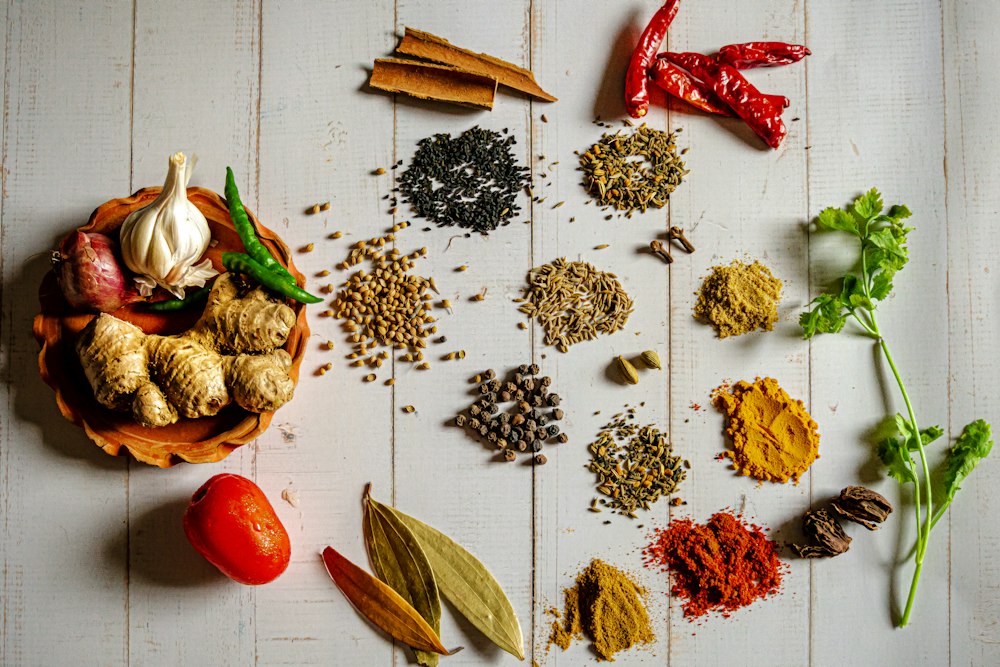
Image: Close-up of raw Hasawi red rice grains showcasing the reddish-brown bran that contains most of the grain's nutrients.
What truly sets Hasawi red rice apart from other rice varieties is the unique combination of its growing environment and genetic heritage. The rice is grown in the Al-Ahsa Oasis, one of the largest natural oases in the world, where the soil composition, mineral-rich groundwater, and hot desert climate create conditions that cannot be replicated elsewhere.
💡 Tip: When shopping for genuine Hasawi red rice, look for the distinctive reddish-brown bran layer. Authentic Hasawi rice should never be uniform in color—each grain has its own natural variations.
Additionally, the rice has a naturally higher oil content in its bran layer compared to standard rice, which contributes to its rich flavor and also means it has a slightly shorter shelf life than polished white rice. For this reason, it is recommended to store Hasawi red rice in a cool, dry place, preferably in an airtight container.
History and Heritage of Al-Ahsa Oasis
The story of Hasawi red rice from Al-Ahsa is inseparable from the story of the Al-Ahsa Oasis itself. Located in the Eastern Province of Saudi Arabia, Al-Ahsa is recognized by UNESCO as a World Heritage Site and is considered one of the largest natural agricultural oases on Earth, spanning approximately 85.4 square kilometers with over 2.5 million date palms.
Historical records indicate that rice cultivation in Al-Ahsa began around the 16th century CE, when traders and farmers introduced rice varieties from the Indian subcontinent and Persia. Over generations, local farmers selectively bred these varieties to thrive in the oasis's unique microclimate, eventually developing what we now know as Hasawi red rice.

Image: The lush palm groves and traditional farming landscape of Al-Ahsa Oasis, where Hasawi red rice has been cultivated for over four centuries.
The traditional farming methods used for Hasawi red rice have remained remarkably consistent over the centuries. Farmers in Al-Ahsa still rely on the oasis's natural spring water and traditional irrigation channels known as aflaj. This system, which has been recognized by UNESCO for its engineering ingenuity, delivers mineral-rich water from underground aquifers directly to the rice paddies.
"Hasawi red rice is not just a grain—it is a living piece of Saudi Arabian cultural heritage. Each kernel carries the story of 400 years of traditional farming knowledge passed down through generations."
Today, the Saudi government actively supports Hasawi red rice farmers through subsidies, technical training, and marketing assistance. The Saudi Ministry of Environment, Water and Agriculture has designated Hasawi red rice as a priority crop under its national agricultural development strategy, recognizing both its cultural significance and its potential as a high-value export product.
Key Historical Milestones
- 16th Century: Rice cultivation introduced to Al-Ahsa Oasis through regional trade routes.
- 17th–18th Centuries: Local farmers develop the distinctive Hasawi red rice variety through selective breeding.
- 2018: Al-Ahsa Oasis inscribed as a UNESCO World Heritage Site, bringing international attention to its agricultural products.
- 2020: Saudi government launches initiatives to boost Hasawi red rice production and global marketing.
- 2023–2024: Hasawi red rice begins appearing in specialty food markets across the Gulf region, Europe, and North America.
Nutritional Profile and Health Benefits of Hasawi Red Rice
If you are looking for a healthier alternative to white rice, Hasawi red rice deserves your attention. As a whole grain, it retains all three parts of the grain kernel—the bran, germ, and endosperm—whereas white rice only contains the starchy endosperm. This fundamental difference explains why Hasawi red rice offers significantly more nutritional value per serving.
Research conducted by King Faisal University in Al-Ahsa has identified numerous bioactive compounds in Hasawi red rice, including anthocyanins (the pigments responsible for its red color), flavonoids, and phenolic acids. These compounds act as powerful antioxidants in the human body.
Complete Nutritional Breakdown (per 100g cooked)
Top 7 Health Benefits You Can Expect
- Antioxidant Protection: The anthocyanins and phenolic compounds in Hasawi red rice help neutralize free radicals, potentially reducing oxidative stress and lowering your risk of chronic diseases.
- Improved Digestive Health: With nearly 5 times more dietary fiber than white rice, Hasawi red rice promotes healthy digestion, prevents constipation, and supports a balanced gut microbiome.
- Better Blood Sugar Control: The fiber and complex carbohydrates in this heritage rice result in a lower glycemic index (GI of approximately 55 compared to white rice's 73), making it a smarter choice for people managing diabetes.
- Heart Health Support: The magnesium, potassium, and antioxidants in Hasawi red rice contribute to healthy blood pressure levels and improved cardiovascular function.
- Natural Weight Management: Because it is more filling and satisfying due to its fiber content, you may find yourself eating less while feeling fuller for longer.
- Gluten-Free Nutrition: Like all rice, Hasawi red rice is naturally gluten-free, making it an excellent carbohydrate source for those with celiac disease or gluten sensitivity.
- Mineral-Rich Profile: Studies show Hasawi red rice contains up to 3 times more iron and magnesium than conventional white rice varieties.
✅ Health Alert: A study published in the Journal of Food Science and Technology (2021) found that regular consumption of pigmented rice varieties like Hasawi red rice was associated with a 17% lower risk of developing type 2 diabetes compared to white rice consumption.
How to Cook Hasawi Red Rice: A Step-by-Step Guide
Cooking Hasawi red rice requires slightly more water and time than white rice due to its intact bran layer. However, with the right technique, you can achieve perfectly cooked, fluffy grains every single time. Here is the method recommended by traditional Al-Ahsa chefs and modern culinary professionals alike.
Basic Cooking Method (Stovetop)
- Rinse Thoroughly: Place 1 cup of Hasawi red rice in a fine-mesh strainer and rinse under cold running water for 1–2 minutes until the water runs mostly clear. This removes excess surface starch.
- Soak (Recommended): Soak the rinsed rice in fresh water for 30–45 minutes. This step softens the bran layer and reduces cooking time significantly.
- Drain and Measure: Drain the soaked rice completely. For every 1 cup of Hasawi red rice, you will need 2.5 cups of water or broth.
- Bring to Boil: In a heavy-bottomed pot, combine the rice and water. Add a pinch of salt (about ¼ teaspoon per cup of rice). Bring to a rolling boil over high heat.
- Simmer: Once boiling, reduce heat to low, cover the pot with a tight-fitting lid, and simmer for 35–40 minutes.
- Rest: Remove from heat and let the rice rest, covered, for an additional 10 minutes. This allows the steam to finish cooking the grains evenly.
- Fluff and Serve: Use a fork to gently fluff the rice before serving. Do not stir vigorously, as this can break the grains.
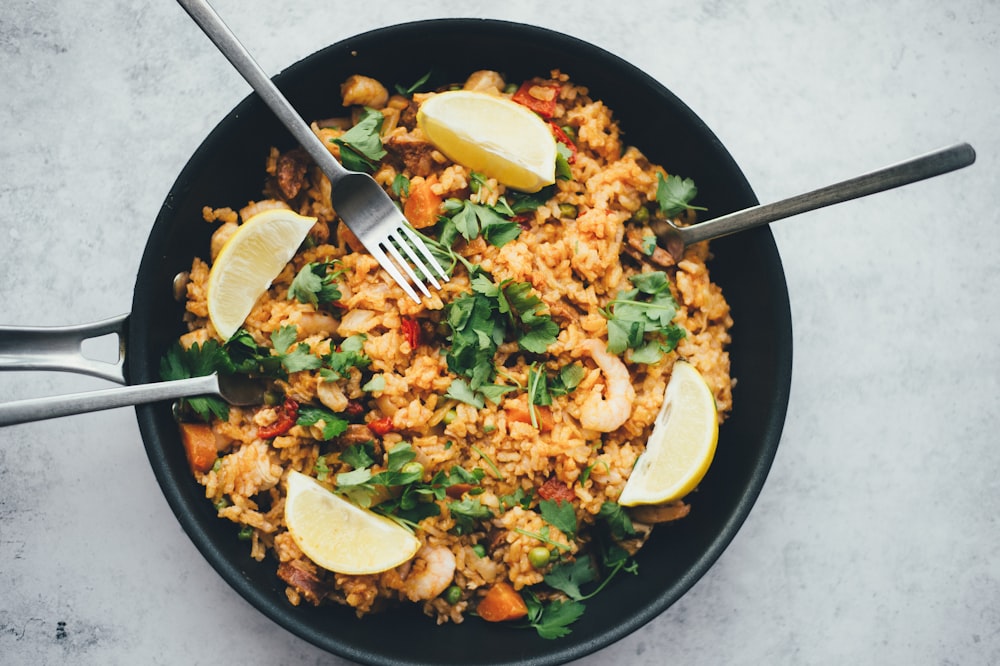
Image: A traditional Saudi Arabian rice dish featuring Hasawi red rice, showcasing its distinctive color and texture when cooked.
Traditional Saudi Recipes Featuring Hasawi Red Rice
Hasawi red rice is the foundation of several beloved Saudi Arabian dishes. Here are three authentic preparations you can try at home:
- Kabsa with Hasawi Red Rice: The national dish of Saudi Arabia, traditionally made with basmati, takes on a richer, earthier flavor when made with Hasawi red rice. Combine with chicken, lamb, or vegetables along with the signature Kabsa spice blend (cardamom, cinnamon, cloves, black lime, and bay leaves).
- Mandi: This slow-cooked meat and rice dish from the Arabian Peninsula pairs beautifully with Hasawi red rice. The smoky flavor from the traditional tandoor-style cooking complements the rice's natural nuttiness.
- Mujaddara: A simple yet delicious dish combining Hasawi red rice with lentils and caramelized onions. This vegetarian-friendly meal is rich in plant-based protein and fiber.
💡 Cooking Tip: For an extra layer of flavor, toast the rinsed and dried Hasawi red rice in a dry skillet over medium heat for 2–3 minutes before adding water. This brings out the natural nutty aroma of the rice.
Where to Buy Hasawi Red Rice Globally
As awareness of Hasawi red rice grows, its availability is expanding beyond Saudi Arabia. You can now find this heritage grain through multiple channels, depending on your location.
Where to Find Hasawi Red Rice
- Within Saudi Arabia: Available at major supermarkets including Tamimi Markets, Danube, Carrefour Saudi Arabia, and local farmers' markets in Al-Ahsa. The Al-Ahsa Farmers' Market, held weekly, offers the freshest direct-from-farm Hasawi red rice.
- Gulf Cooperation Council (GCC) Countries: Specialty food stores in the UAE, Kuwait, Bahrain, Qatar, and Oman now stock Hasawi red rice, particularly in stores serving Saudi expatriate communities.
- Online Retailers: You can purchase authentic Hasawi red rice through platforms such as Amazon.sa, Noon.com, and specialized gourmet food websites. International shipping options are increasingly available.
- Europe and North America: Middle Eastern grocery stores in cities like London, Paris, Toronto, New York, and Los Angeles have begun carrying Hasawi red rice. Online specialty retailers focused on Middle Eastern foods are also reliable sources.
When purchasing, always verify the product's origin. Authentic Hasawi red rice should clearly state "Product of Saudi Arabia" and ideally reference the Al-Ahsa region. The Saudi Organic Farming Association certifies some producers, so look for organic certification labels when available.
Comparison: Hasawi Red Rice vs. Other Rice Varieties
To help you understand how Hasawi red rice from Al-Ahsa compares to other rice types, here is a detailed comparison table based on nutritional data, cooking characteristics, and culinary applications.
As you can see from the table, Hasawi red rice offers a unique combination of high antioxidant content, moderate glycemic index, and distinctive flavor that sets it apart from other rice varieties. While it is priced higher than conventional rice, the nutritional benefits and cultural heritage justify the premium.
Future Trends: Hasawi Red Rice and Saudi Vision 2030
The future of Hasawi red rice from Al-Ahsa is closely tied to Saudi Arabia's ambitious Vision 2030 initiative. This national transformation plan aims to diversify the Saudi economy beyond oil, with agricultural development and food security identified as key priorities. Hasawi red rice plays a strategic role in these plans.
Under Vision 2030, the Saudi government has allocated significant resources to support traditional crop cultivation. Specifically, the National Agricultural Development Program has targeted Hasawi red rice for expanded production, aiming to increase annual output from the current 3,000 tons to over 7,500 tons by 2030.
Key Growth Areas
- Organic Certification: An increasing number of Al-Ahsa farmers are pursuing organic certification for their Hasawi red rice, responding to growing global demand for organic and sustainably produced foods.
- Export Market Development: The Saudi Export Development Authority has identified Hasawi red rice as a priority export product, with target markets in Europe, Asia, and North America.
- Agri-Tourism: Al-Ahsa's UNESCO status and its rich agricultural heritage are attracting tourists interested in food heritage. Several farms now offer rice cultivation tours and cooking experiences.
- Research and Development: King Faisal University and the Saudi Agricultural Research Center are collaborating on projects to improve Hasawi red rice yields while maintaining its heritage characteristics.
- Technology Integration: Modern irrigation systems, drone monitoring, and precision agriculture techniques are being introduced to optimize water usage and crop yields.
Image: A farmer tends to rice paddies in Al-Ahsa Oasis, continuing a farming tradition that dates back over 400 years.
The global trend toward ancient grains and heritage foods also positions Hasawi red rice for continued growth. According to a 2023 report by Grand View Research, the global ancient grains market is projected to reach $12.8 billion by 2030, growing at a compound annual growth rate of 8.5%. Hasawi red rice, with its unique story, nutritional profile, and UNESCO connection, is well-positioned to capture a share of this expanding market.
For you as a consumer, these developments mean that Hasawi red rice will become increasingly accessible in international markets while maintaining its authentic heritage and quality standards.
Frequently Asked Questions About Hasawi Red Rice
Conclusion: Why Hasawi Red Rice Deserves a Place in Your Kitchen
After exploring every aspect of Hasawi red rice from Al-Ahsa, one thing is clear: this heritage grain is far more than just a food—it is a testament to centuries of agricultural wisdom, a nutritional powerhouse, and a cultural treasure that connects us to one of the world's most remarkable oases.
The combination of exceptional nutritional benefits, unique flavor profile, and rich cultural heritage makes Hasawi red rice a compelling choice for health-conscious consumers and culinary enthusiasts alike. Whether you are managing your blood sugar, seeking more antioxidants in your diet, or simply looking to expand your culinary horizons, this ancient grain delivers on all fronts.
As global interest in ancient grains continues to grow and Saudi Vision 2030 drives increased production and export, you can expect Hasawi red rice to become increasingly accessible. The time to discover this remarkable ingredient is now.
Ready to Experience Hasawi Red Rice?
Start your journey with this ancient Saudi superfood today. Look for authentic Hasawi red rice at your local Middle Eastern grocery store, specialty food retailer, or online.
Shop Hasawi Red Rice →Share this guide with friends and family who value healthy, heritage foods.