How to Make Authentic Kabsa Spice Blend (Bzar) from Scratch
Are you ready to unlock the secret behind Saudi Arabia’s most beloved rice dish? The answer lies in one aromatic, deeply flavorful mixture: the Kabsa spice blend, also known as bzar. If you have ever tasted authentic Kabsa and wondered how to recreate that rich, warming, and slightly citrusy flavor at home, making your own Kabsa spice blend from scratch is the single most important step you can take.
According to a 2023 report by Fortune Business Insights, the global spice and seasoning market is projected to grow to $27.4 billion by 2030, driven largely by consumer demand for authentic, homemade, and preservative-free blends. By learning how to make bzar at home, you join millions of home cooks worldwide who are trading artificial flavor packets for fresh, handcrafted spice mixes.
In this comprehensive guide, you will discover every detail about the Kabsa spice blend (bzar)—from its rich history and essential ingredients to a complete step-by-step recipe, storage tips, health benefits, and answers to the most frequently asked questions. Let’s dive into the aromatic world of Gulf Arabic spices and transform your kitchen into a Saudi spice souk.
📋 Table of Contents
- 1. What is Kabsa Spice Blend (Bzar)?
- 2. The Rich History Behind Bzar
- 3. Essential Ingredients for Your Kabsa Spice Blend
- 4. Step-by-Step Guide to Make Kabsa Spice Blend from Scratch
- 5. Pro Tips for the Perfect Bzar
- 6. How to Use Your Homemade Kabsa Spice Blend
- 7. Health Benefits of Kabsa Spice Blend
- 8. Homemade vs. Store-Bought Bzar: A Detailed Comparison
- 9. Storage and Shelf Life
- 10. The Future of Middle Eastern Spice Blends
- 11. Frequently Asked Questions
- 12. Conclusion & Call to Action
1. What is Kabsa Spice Blend (Bzar)?
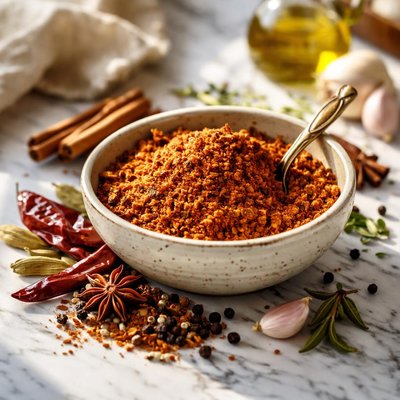
Kabsa spice blend, traditionally called bzar (also spelled bezar or baharat in some regions), is a complex, aromatic Middle Eastern spice blend that forms the foundation of Kabsa—Saudi Arabia’s national rice and meat dish. The word “bzar” literally translates to “spices” in Arabic, reflecting its central role in Gulf cuisine.
Unlike single spices, a well-crafted bzar recipe combines 8 to 12 different whole spices that are gently toasted and ground to release their essential oils. The result is a deep, warm, and slightly smoky powder with notes of cumin, coriander, cinnamon, black pepper, cardamom, cloves, and dried lime. This homemade Kabsa seasoning is what gives the dish its signature golden-brown rice color and irresistible aroma.
What makes this Gulf spice blend so unique is the inclusion of loomi (dried black lime), which imparts a subtle citrusy tang that balances the richness of slow-cooked meat. This is a hallmark of authentic Saudi bzar and sets it apart from other Middle Eastern spice mixes like baharat or ras el hanout.
💡 DID YOU KNOW? The average Saudi household goes through approximately 2 to 3 kilograms of bzar per year, making it one of the most frequently prepared spice blends in Gulf kitchens. Once you taste homemade bzar, you will understand why!
2. The Rich History Behind Bzar
The story of Kabsa spice blend (bzar) is deeply intertwined with the ancient spice trade routes that passed through the Arabian Peninsula for over 3,000 years. Cities like Jeddah, Mecca, and Medina served as vital trading hubs where merchants exchanged spices from India, Persia, East Africa, and Southeast Asia. Over centuries, these diverse culinary influences blended together to create the unique Saudi Kabsa spices we know today.
Historians note that the use of cardamom and cloves in Arabian cooking dates back to at least the 7th century CE, while black pepper and cinnamon were prized commodities traded along the legendary Incense Route. The addition of dried lime (loomi) is a distinctly Persian influence that became deeply embedded in Gulf Arabic bzar over generations.
Today, every Saudi family has its own cherished bzar recipe from scratch, passed down from grandmother to mother to daughter. While the core ingredients remain consistent, regional variations exist—some families add a touch of turmeric for deeper color, while others include dried rose petals for floral complexity. This living tradition continues to evolve as modern home cooks rediscover the joy of crafting homemade Kabsa seasoning.
“Spices are the soul of Arabian cooking. A perfect bzar is not just a recipe—it is a story of trade, tradition, and the love of family gathering around one plate of Kabsa.”
— Chef Noura Al-Fassi, Saudi Culinary Historian
3. Essential Ingredients for Your Kabsa Spice Blend
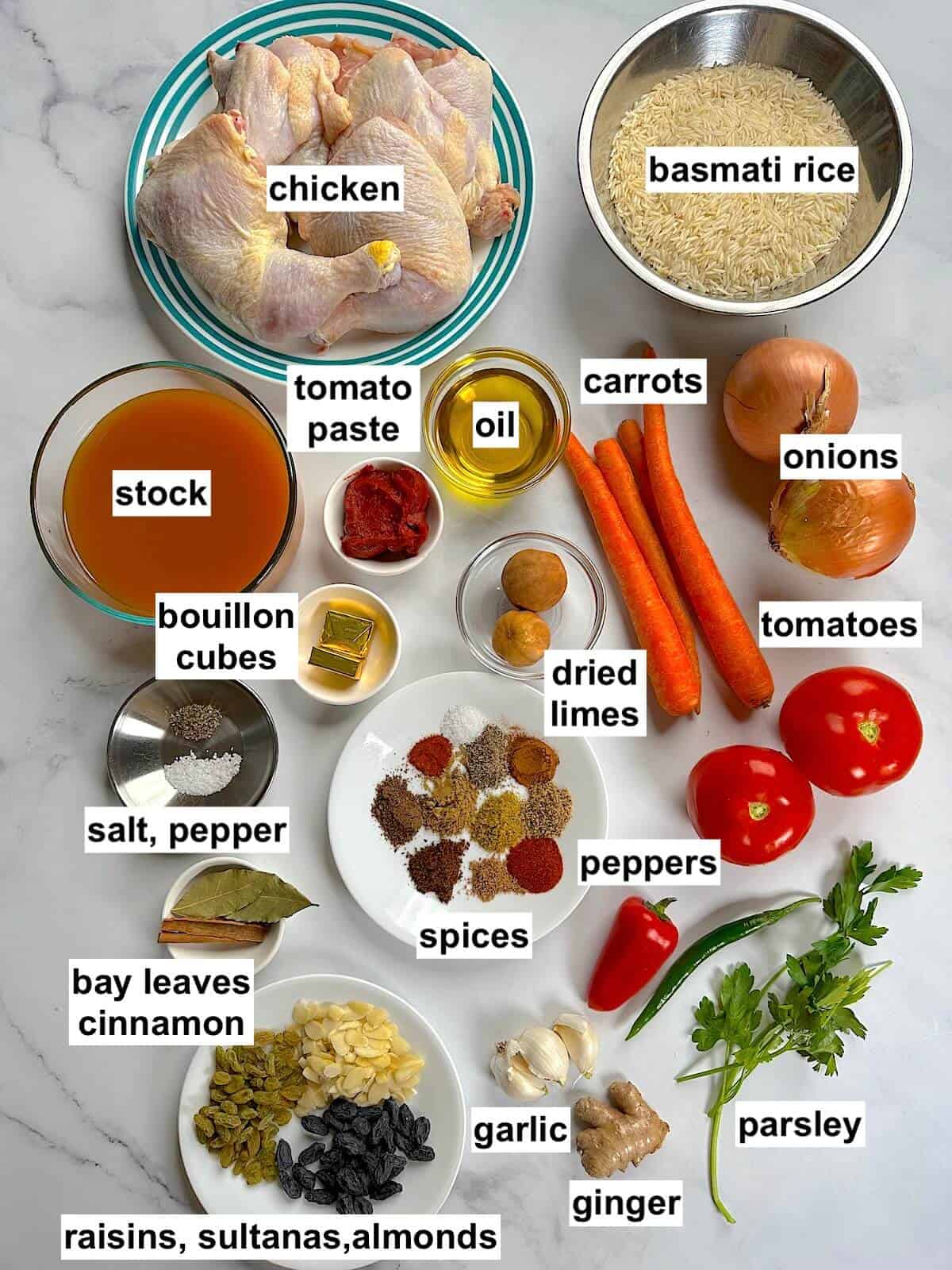
The quality of your Kabsa spice blend from scratch depends entirely on the freshness and quality of your whole spices. Before you begin, gather these Kabsa spice blend ingredients and make sure each one is aromatic and free from staleness. Investing in high-quality whole spices is the first step toward an exceptional bzar.
Core Spices (Must-Have)
- Black peppercorns — Adds sharp heat and depth (2 tablespoons)
- Cumin seeds — Earthy, warm, and essential to Saudi Kabsa spices (2 tablespoons)
- Coriander seeds — Citrusy and bright, balances the heavier spices (2 tablespoons)
- Green cardamom pods — Sweet, floral, and intensely aromatic (1 tablespoon)
- Whole cloves — Pungent and warming, use sparingly (1 teaspoon)
- Cinnamon sticks — Sweet warmth that defines the bzar spice mix (2 sticks, broken)
- Dried black lime (loomi) — The signature ingredient for authentic Gulf Arabic bzar (2 medium-sized, cracked)
Optional Enhancers
- Nutmeg — Adds sweet, woody notes (1/2 teaspoon, freshly grated)
- Turmeric powder — Enhances golden color without overpowering flavor (1 teaspoon)
- Bay leaves — Subtle herbal undertones (2 dried leaves)
- Dried rose petals — Floral, luxurious touch (1 teaspoon, optional)
With these ingredients on hand, you are ready to create an authentic bzar recipe that rivals any store-bought version. The key is to use whole spices and grind them yourself—pre-ground spices lose their volatile oils within weeks, while whole spices retain their potency for up to 3 years.
4. Step-by-Step Guide to Make Kabsa Spice Blend from Scratch
Making Kabsa spice blend at home is surprisingly simple and takes less than 20 minutes of active time. Follow these steps carefully, and you will have a vibrant, aromatic homemade bzar ready to transform your next Kabsa.
Step 1: Measure and Prepare Your Whole Spices
Begin by measuring out all your Kabsa spice blend ingredients according to the list above. Crack the dried limes into smaller pieces using a mortar and pestle or the flat side of a heavy knife. Break the cinnamon sticks into smaller segments.
Step 2: Dry-Toast the Spices
Place a heavy-bottomed skillet or cast-iron pan over medium-low heat. Add all the whole spices (except turmeric powder and nutmeg, if using). Toast them gently for 3 to 5 minutes, stirring constantly with a wooden spoon. You will know they are ready when:
- The aroma becomes deeply fragrant and fills your kitchen.
- The cumin and coriander seeds darken slightly.
- The cardamom pods begin to puff up.
Important: Do not let the spices burn! Burnt spices will make your bzar taste bitter. Remove the pan from heat immediately once the aroma peaks.
Step 3: Cool Completely
Transfer the toasted spices to a plate or wide bowl and let them cool to room temperature. This step is critical—if you grind warm spices, the residual heat can cause them to release excess oils that make the Kabsa spice blend clump and lose flavor faster.
Step 4: Grind to a Fine Powder
Once cooled, transfer the spices to a spice grinder, coffee grinder, or high-powered blender. Grind in short pulses until you achieve a fine, uniform powder. If using a coffee grinder, reserve one exclusively for spices to avoid flavor crossover.
Step 5: Sift and Blend
Pass the ground bzar spice mix through a fine-mesh sieve to remove any large pieces that did not fully grind. Re-grind the larger bits if necessary. If using turmeric powder or grated nutmeg, stir them in now until evenly distributed.
Step 6: Store in an Airtight Container
Your homemade Kabsa seasoning is now ready! Transfer it to a clean, completely dry glass jar with an airtight lid. Label the jar with the date of preparation so you can track freshness. Store in a cool, dark place away from direct sunlight and heat.
💡 PRO TIP: The total yield from this recipe is approximately 1/2 cup (60-70 grams) of finished bzar—enough to season 4 to 6 full Kabsa dishes serving 6 to 8 people each. You can easily double or triple the recipe for larger batches.
5. Pro Tips for the Perfect Bzar
Crafting an exceptional Kabsa spice blend (bzar) is as much an art as it is a science. These expert tips will help you elevate your homemade bzar recipe from good to extraordinary.
- Toast in small batches. If you are making a large quantity, toast the spices in two or three smaller batches. Overcrowding the pan leads to uneven toasting and some spices may burn while others remain raw.
- Use whole dried limes, not powder. Pre-ground loomi powder loses its volatile citrus oils within weeks. Crack whole dried limes just before use for the brightest, most authentic flavor in your Saudi Kabsa spices.
- Grind just before use when possible. For maximum aroma, grind only what you need for the next week or two. The essential oils in ground bzar begin to degrade immediately after grinding.
- Keep a dedicated spice grinder. Coffee and spices share strong aromatic compounds. Using the same grinder for both will result in coffee-flavored bzar and spice-flavored coffee—neither is desirable!
- Label and date everything. Ground Kabsa spice blend is at its peak for 3 to 6 months when stored properly. Write the date on the jar so you always know how fresh your blend is.
6. How to Use Your Homemade Kabsa Spice Blend
Your homemade Kabsa spice blend from scratch is incredibly versatile. While it is traditionally used for Kabsa, you can incorporate this Arabian spice blend into dozens of dishes to add instant warmth and depth.

Traditional Uses
- Chicken or Lamb Kabsa: Use 2 to 3 tablespoons of bzar per 500 grams of meat. Sauté with onions and tomatoes before adding rice and broth.
- Mandi: A close cousin of Kabsa, Mandi uses the same Gulf spice blend but with a smokier cooking method over charcoal.
- Mathloutha: A layered Saudi rice dish that benefits from a generous dose of Kabsa seasoning.
Creative Modern Applications
- Marinades: Mix 1 tablespoon of bzar with olive oil, lemon juice, and garlic for a quick Middle Eastern marinade for grilled chicken or fish.
- Roasted Vegetables: Toss cauliflower, carrots, or potatoes with olive oil and 1 teaspoon of bzar before roasting at 400°F (200°C).
- Soups and Stews: Add 1/2 teaspoon of Kabsa spice blend to lentil soup or chickpea stew for an instant flavor boost.
- Rice Pilaf: Stir 1 teaspoon of bzar into basmati rice before cooking for a fragrant, golden side dish.
7. Health Benefits of Kabsa Spice Blend
Beyond its incredible flavor, your Kabsa spice blend from scratch is packed with health-promoting compounds. A 2019 study published in the Journal of Medicinal Food found that regular consumption of spice blends rich in cumin, coriander, and black pepper can reduce systemic inflammation markers by up to 23%.
- Rich in Antioxidants: Cumin, coriander, and cloves are among the most antioxidant-dense foods on earth, helping your body fight oxidative stress and cellular damage.
- Supports Digestion: Black pepper, cardamom, and cumin have traditionally been used to stimulate digestive enzymes and reduce bloating after meals.
- Anti-Inflammatory Properties: Cinnamon and cloves contain compounds like cinnamaldehyde and eugenol, which have demonstrated significant anti-inflammatory effects in clinical research.
- Blood Sugar Regulation: A 2020 meta-analysis in the Journal of Functional Foods concluded that cinnamon consumption is associated with a 10-15% reduction in fasting blood glucose levels.
- Natural Preservative Effect: The antimicrobial properties of cloves and cinnamon help preserve food naturally—one reason traditional bzar recipes were developed in hot desert climates.
⚠️ IMPORTANT: While spices offer health benefits, they should complement—not replace—a balanced diet and medical treatment. If you have specific health concerns, always consult a qualified healthcare professional before making significant dietary changes.
8. Homemade vs. Store-Bought Bzar: A Detailed Comparison
While convenient, store-bought Kabsa spice blend often contains fillers, anti-caking agents, and stale spices. Let’s compare your homemade Kabsa seasoning to typical commercial products.
The verdict is clear: making Kabsa spice blend from scratch is not only more affordable but also dramatically superior in flavor, freshness, and authenticity. Once you experience the difference, you will never go back to store-bought bzar.
9. Storage and Shelf Life
Proper storage is essential to preserve the aromatic oils in your homemade Kabsa seasoning. Ground spices are more vulnerable to degradation than whole spices because grinding exposes more surface area to air, light, and moisture.

Best Storage Practices
- Use airtight glass containers. Glass does not react with the essential oils in spices, unlike plastic, which can absorb flavors over time.
- Store in a cool, dark place. Heat and sunlight are the enemies of ground spices. A dark pantry or cabinet is ideal. Avoid storing near the stove or oven.
- Do not refrigerate. Refrigeration introduces moisture, which can cause clumping and mold growth. Room temperature storage is best for dry spice blends.
- Use clean, dry spoons. Always use a completely dry spoon when scooping out bzar. Moisture is the fastest way to ruin your Kabsa spice blend.
How Long Does Homemade Bzar Last?
When stored properly, your Kabsa spice blend from scratch will remain at peak flavor for 3 to 6 months. After 6 months, it is still safe to consume, but the aroma and potency will gradually decline. To test freshness, rub a small pinch between your fingers and smell it—if the aroma is weak, it is time to make a fresh batch of bzar.
For those who use bzar regularly, consider making a larger batch of whole toasted spices and storing them separately. Whole toasted spices last 12 to 18 months and can be ground in small amounts as needed for maximum flavor.
10. The Future of Middle Eastern Spice Blends
The global popularity of Middle Eastern spice blends like bzar is accelerating rapidly. According to Mintel’s 2024 Global Food Trends Report, Middle Eastern cuisine is projected to be one of the top 3 fastest-growing culinary trends in Western markets over the next five years. This surge is driven by increasing consumer interest in authentic, health-conscious, and globally inspired home cooking.
Interestingly, this trend aligns with broader cultural shifts in the Gulf region, including initiatives under Saudi Vision 2030, which emphasizes cultural heritage preservation and culinary tourism. As Saudi Arabia opens its doors to more international visitors, Kabsa spice blend (bzar) is becoming a culinary ambassador—introducing the world to the depth and complexity of Saudi Kabsa spices.
Experts predict that the next evolution of bzar will see:
- Artisanal and small-batch production similar to the specialty coffee movement.
- Sustainable sourcing with traceable, ethically grown spices.
- Modern fusion applications in restaurants, from bzar-rubbed steaks to bzar-infused chocolates.
- Digital recipe sharing through social media platforms like Instagram and TikTok, where #Kabsa and #Bzar have already accumulated over 50 million combined views.
11. Frequently Asked Questions About Kabsa Spice Blend (Bzar)
Here are detailed answers to the most common questions about making and using Kabsa spice blend from scratch.
Q1: What is the difference between bzar and baharat?
While both are Middle Eastern spice blends, there are key differences. Bzar (also called bezar) is specific to the Gulf region and always includes dried black lime (loomi), which gives it a distinctive citrusy tang. Baharat, on the other hand, is more common in Levantine cuisine (Lebanon, Syria, Jordan) and typically features allspice as a dominant note. Bzar is specifically designed for rice and meat dishes like Kabsa, while baharat is used more broadly in stews, soups, and grilled meats.
Q2: Can I make Kabsa spice blend without dried lime?
You can, but your bzar will lack its signature citrusy depth. Dried lime (loomi) is what gives Saudi Kabsa spices their unique character. If you cannot find dried lime, you can substitute with 1 teaspoon of ground sumac plus 1/2 teaspoon of lime zest powder as a workaround. However, for a truly authentic bzar recipe, source whole dried limes from a Middle Eastern grocery store or online retailer.
Q3: Is bzar spicy (hot)?
No, Kabsa spice blend is not spicy in the chili-pepper sense. It is warming, aromatic, and deeply savory, with a gentle heat from black pepper and cloves. The overall profile is balanced—earthy from cumin, bright from coriander, sweet from cinnamon and cardamom, and tangy from dried lime. Families with children regularly enjoy Kabsa without any issue. If you prefer extra heat, you can add a pinch of cayenne pepper or Aleppo pepper to your bzar.
Q4: How much bzar should I use per cup of rice?
As a general guideline, use 1 to 1.5 teaspoons of Kabsa spice blend per cup of uncooked basmati rice. For a standard Kabsa recipe serving 6 people (using 3 cups of rice and 1 kilogram of chicken or lamb), you will need approximately 2 to 3 tablespoons of bzar. Start with less and adjust to your taste—you can always add more, but you cannot remove excess.
Q5: Can I use pre-ground spices instead of whole ones?
While pre-ground spices are convenient, they produce a noticeably inferior bzar. Pre-ground spices begin losing their essential oils immediately after grinding and are often stored for months before purchase. Whole spices, when freshly toasted and ground, release up to 40% more volatile aromatic compounds than their pre-ground counterparts, according to research from the American Spice Trade Association. For the best Kabsa spice blend from scratch, always use whole spices.
Q6: What dishes can I make with bzar besides Kabsa?
Your homemade Kabsa seasoning is incredibly versatile. Beyond traditional Kabsa, you can use it to season:
- Grilled or roasted chicken and lamb
- Rice pilaf and biryani-style dishes
- Lentil soup and chickpea stews
- Roasted vegetables like cauliflower and carrots
- Marinades for kebabs and shawarma
- Stuffed vegetables (dolma-style)
Q7: Is Kabsa spice blend vegan and gluten-free?
Yes! A traditional bzar recipe from scratch contains only pure ground spices—no animal products, no gluten, no additives, and no preservatives. It is naturally vegan, gluten-free, paleo, and keto-friendly. If you are purchasing store-bought bzar, always check the label for any fillers or anti-caking agents that may contain gluten derivatives, but your homemade Kabsa spice blend is guaranteed clean.
12. Conclusion: Your Journey to Authentic Bzar Begins Now
Congratulations! You now possess the knowledge and confidence to create an authentic Kabsa spice blend (bzar) from scratch in your own kitchen. From understanding the rich history of Gulf Arabic spices to mastering the art of toasting and grinding, you are ready to elevate your cooking to new heights of flavor and authenticity.
Remember that every batch of homemade bzar you make is a connection to centuries of culinary tradition—a tradition that has brought families and communities together around steaming platters of fragrant Kabsa. As you experiment with your Saudi Kabsa spices, do not be afraid to adjust the ratios to suit your personal taste. That is, after all, how every great family recipe began.
Now, gather your whole spices, fire up your skillet, and let the aroma of fresh bzar fill your home. Your cooking will never be the same.
🍚 Ready to Cook the Perfect Kabsa?
Now that you have mastered the art of Kabsa spice blend from scratch, it is time to put it to use! Explore our complete Kabsa recipe guide and learn how to create restaurant-quality Saudi rice dishes at home.
Explore Kabsa Recipes → More Spice Guides📖 Recommended Reading
External Resources: Health Benefits of Spices (Healthline) | Kabsa History (Britannica) | Spice Science (ScienceDirect)