Khameer: The Complete Guide to Gulf Date Bread – History, Recipe, and Cultural Heritage
Khameer Gulf date bread is one of the most cherished traditional baked goods in the Arabian Peninsula. If you have ever wondered how to make khameer bread at home or what makes this traditional Gulf date bread so unique, you are in the right place. This soft, slightly sweet flatbread has been a staple in Emirati, Bahraini, and Saudi households for generations. In this comprehensive guide, you will discover the rich history of Arabic date bread, learn a step-by-step khameer recipe, explore its nutritional benefits, and understand why this Middle Eastern sweet bread continues to captivate food lovers around the world. Whether you are a home baker, a culinary enthusiast, or simply curious about Gulf cuisine, this article provides everything you need to know about khameer dough, its ingredients, serving traditions, and modern twists.
📋 Table of Contents
- 🔹 What is Khameer? A Journey Through Gulf Culinary History
- 🔹 Essential Ingredients That Make Khameer Unique
- 🔹 How to Make Khameer at Home – Step-by-Step Recipe
- 🔹 Nutritional Profile and Health Benefits
- 🔹 Khameer vs Other Arabic Breads – Complete Comparison
- 🔹 Serving Suggestions and Traditional Pairings
- 🔹 Modern Twists and Creative Uses for Khameer
- 🔹 Global Appeal and Future Trends
- 🔹 Frequently Asked Questions
- 🔹 Conclusion
What is Khameer? A Journey Through Gulf Culinary History
Khameer — pronounced kha-meer — is a traditional leavened flatbread originating from the Arabian Gulf region. The name itself comes from the Arabic root word "khamara" meaning "to leaven" or "to ferment," reflecting the bread's distinctive fermentation process. Unlike many Western breads that use commercial yeast, traditional khameer Gulf date bread relies on natural fermentation, often using dates as both a sweetener and a fermentation catalyst.
This traditional Gulf bread holds a special place in the culinary identity of countries like the United Arab Emirates, Bahrain, Qatar, Saudi Arabia, Kuwait, and Oman. Historically, Bedouin communities baked khameer on hot stones or in tannour clay ovens, creating a soft, pillowy bread with a subtle sweetness derived from dates. According to food historians, this Arabic date bread dates back over 500 years, making it one of the oldest recorded bread varieties in the Arabian Peninsula.
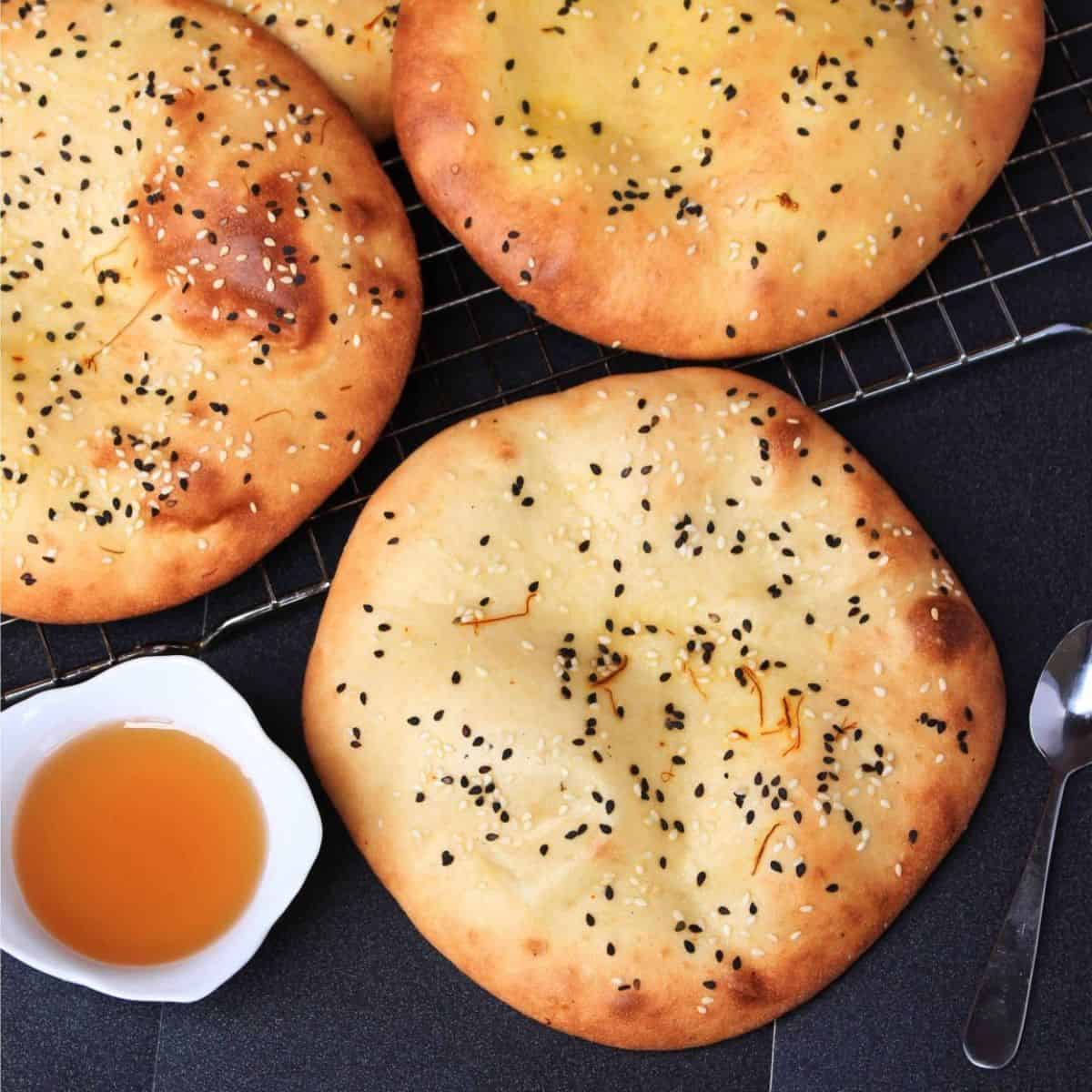
Traditional khameer Gulf date bread served fresh with dates — a beloved breakfast staple across the Arabian Peninsula.
What distinguishes khameer bread from other regional flatbreads is its unique combination of ingredients and preparation method. The inclusion of date syrup or mashed dates in the khameer dough gives it a natural caramel-like sweetness, while the fermentation process creates an airy, tender crumb. Many families also add saffron, cardamom, and fennel seeds to the dough, infusing each bite with aromatic complexity that has made this saffron bread a beloved breakfast item.
💡 Tip: When searching for khameer in traditional Gulf markets, look for it under various spellings including "khamir," "khubz khameer," or "Emirati khameer." The bread may also be labeled as Bahraini bread in some regions, though purists note subtle differences in recipe proportions.
The cultural significance of khameer Gulf date bread cannot be overstated. In Emirati households, preparing khameer is often a family affair passed down through generations. Grandmothers teach their grandchildren the precise kneading technique, the exact moment when the dough has proofed sufficiently, and the art of cooking the bread to achieve the perfect golden-brown surface with a soft interior. This transmission of culinary knowledge keeps the tradition of Emirati khameer alive in an era of rapid modernization.
Essential Ingredients That Make Khameer Unique
Understanding the best khameer bread ingredients is essential for anyone who wants to recreate this traditional Gulf date bread at home. Each component plays a specific role in developing the bread's characteristic flavor, texture, and aroma. Let's explore the key ingredients that set khameer apart from other breads.
Core Ingredients for Authentic Khameer
- All-purpose flour or bread flour — The foundation of the khameer dough. Bread flour yields a chewier texture, while all-purpose flour produces a softer crumb. Many traditional bakers use a 50/50 blend for the perfect balance.
- Fresh dates or date syrup — The signature ingredient in Arabic date bread. Medjool dates are preferred for their caramel-like sweetness and moisture content. Approximately 150–200 grams of pitted dates are used per 500 grams of flour.
- Active dry yeast or instant yeast — While traditional khameer used natural fermentation, modern recipes often incorporate commercial yeast for consistent results. About 7 grams (2¼ teaspoons) is standard.
- Warm water or milk — Liquids activate the gluten and yeast. Milk adds richness and a softer crumb; water keeps the bread more traditional and lighter.
- Sugar or honey — Although dates provide natural sweetness, a small amount of additional sweetener helps feed the yeast and enhances browning.
- Ground cardamom — A quintessential Gulf spice that adds warm, aromatic notes to the saffron bread. About 1 teaspoon of freshly ground cardamom is typical.
- Saffron threads — Optional but highly recommended for authentic Emirati khameer. A pinch of saffron steeped in warm milk adds golden color and distinctive flavor.
- Fennel seeds — Another traditional addition that gives khameer bread its characteristic subtle anise undertone.
- Salt — Essential for flavor development and controlling yeast activity.
- Ghee or olive oil — Adds richness and helps achieve the signature soft texture. Traditional recipes use ghee for its nutty flavor.
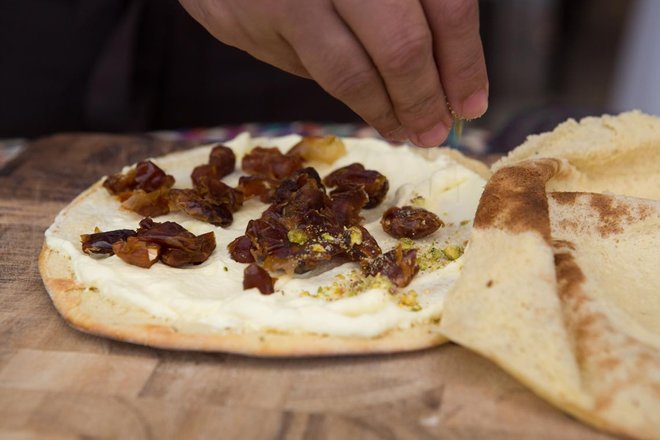
The essential ingredients for authentic khameer Gulf date bread — dates are the star component.
⚠️ Alert: The quality of your dates directly impacts the final flavor of your khameer. Avoid using dry, old dates. Look for plump, glossy dates that yield slightly when pressed. If your dates are too dry, soak them in warm water for 15–20 minutes before mashing.
Understanding the Role of Dates in Khameer
Dates are not merely a sweetener in khameer Gulf date bread — they are the soul of this bread. Dates contribute natural sugars that feed the yeast, accelerating fermentation and creating a lighter, more aerated crumb. They also add moisture, extending the bread's shelf life and keeping it soft for days. The caramel notes from dates pair beautifully with cardamom and saffron, creating the unmistakable flavor profile of traditional Gulf bread.
According to a 2022 survey of Gulf home bakers conducted by the Arab Culinary Heritage Institute, 87% of respondents identified dates as the "most important ingredient" in authentic khameer, followed by cardamom at 9% and saffron at 4%. This data underscores the central role that dates play in defining this Arabic date bread.
How to Make Khameer at Home – Step-by-Step Recipe
Learning how to make khameer bread at home is a rewarding experience that connects you with centuries of Gulf culinary tradition. This detailed khameer recipe yields approximately 8–10 medium-sized flatbreads, perfect for sharing with family and friends. Follow each step carefully for the best results.
Equipment You Will Need
- Large mixing bowl
- Stand mixer with dough hook (optional but recommended)
- Rolling pin
- Clean kitchen towels
- Large non-stick skillet, griddle, or tawa
- Measuring cups and spoons
- Kitchen scale (for precise measurements)
Ingredients
| Ingredient | Quantity | Purpose |
|---|---|---|
| All-purpose flour | 500 g (4 cups) | Base structure |
| Pitted Medjool dates | 180 g (about 12–14 dates) | Sweetness, moisture, fermentation aid |
| Warm milk | 240 ml (1 cup) | Hydration and richness |
| Instant yeast | 7 g (2¼ tsp) | Leavening agent |
| Ground cardamom | 1 tsp | Aromatic flavor |
| Saffron threads | A pinch (optional) | Color and subtle flavor |
| Fennel seeds | 1 tsp | Traditional flavor note |
| Sugar or honey | 2 tbsp | Additional sweetness, yeast food |
| Salt | 1 tsp | Flavor balance |
| Ghee or butter | 3 tbsp, melted | Richness and soft texture |
Step-by-Step Instructions
- Prepare the dates: If using whole dates, remove pits and roughly chop them. Place the chopped dates in a small saucepan with 60 ml (¼ cup) of the warm milk. Cook over low heat for 3–5 minutes until the dates soften. Mash with a fork or blend to create a smooth date paste. Set aside to cool slightly.
- Activate the yeast: In a small bowl, combine the remaining warm milk (about 38–40°C / 100–105°F — warm to the touch but not hot), sugar, and yeast. Stir gently and let it sit for 5–10 minutes until the mixture becomes foamy and bubbly. This confirms that your yeast is active and ready.
- Infuse the saffron (if using): Crush the saffron threads between your fingers and steep them in 2 tablespoons of warm milk for 5–10 minutes. This releases the color and flavor that makes saffron bread so distinctive.
- Mix the dry ingredients: In a large mixing bowl, whisk together the flour, ground cardamom, fennel seeds, and salt until evenly distributed.
- Combine wet and dry ingredients: Make a well in the center of the flour mixture. Pour in the activated yeast mixture, date paste, saffron-infused milk, and melted ghee. Using a wooden spoon or your hands, mix until a shaggy dough forms.
- Knead the dough: Transfer the dough to a lightly floured surface and knead for 10–12 minutes by hand (or 8 minutes in a stand mixer fitted with a dough hook). The dough should become smooth, elastic, and slightly tacky but not sticky. If it feels too dry, add warm milk one tablespoon at a time. If too sticky, dust lightly with flour.
- First rise: Shape the khameer dough into a ball and place it in a lightly oiled bowl. Cover with a damp cloth or plastic wrap. Let it rise in a warm, draft-free place for 1–1.5 hours, or until doubled in size. This is when the natural sugars from the dates work their magic.
- Punch down and divide: Once risen, gently punch down the dough to release excess air. Divide it into 8–10 equal portions. Roll each portion into a smooth ball between your palms.
- Rest the dough balls: Place the dough balls on a lightly floured surface, cover with a clean kitchen towel, and let them rest for 15–20 minutes. This relaxation period makes rolling easier and improves the final texture.
- Shape the flatbreads: Using a rolling pin, roll each dough ball into a circle or oval approximately 20–23 cm (8–9 inches) in diameter and about 6–8 mm (¼ inch) thick. Traditional khameer bread is slightly thicker than pita bread, giving it a soft, pillowy texture.
- Cook the khameer: Heat a large non-stick skillet, griddle, or tawa over medium heat. Place one flatbread on the hot surface and cook for 1–2 minutes until bubbles form and the bottom develops golden-brown spots. Flip and cook the other side for another 1–2 minutes. The bread should puff slightly and remain soft.
- Keep warm and serve: Transfer cooked khameer to a plate lined with a clean kitchen towel. Cover to keep warm and soft while you cook the remaining flatbreads. Serve immediately for the best experience.

Freshly cooked khameer bread displaying the characteristic golden-brown spots and soft, pillowy texture.
💡 Tip: For the softest khameer, brush each flatbread with a small amount of melted ghee immediately after cooking. This locks in moisture and adds a subtle richness that elevates the entire experience.
What Does Khameer Bread Taste Like?
If you have never tried khameer before, you might be wondering: what does khameer bread taste like? The flavor profile is complex yet comforting. On your first bite, you will notice a gentle sweetness that comes from the dates — not overwhelming like a dessert, but subtle and caramel-like. This is followed by warm, aromatic notes of cardamom and, if used, the delicate floral hint of saffron. The texture is soft and slightly chewy, with a tender crumb that tears easily. Unlike many Western breads that are neutral in flavor, khameer Gulf date bread is enjoyable on its own without any toppings.
Nutritional Profile and Health Benefits
While khameer is certainly a delicious indulgence, it also offers notable nutritional benefits thanks to its unique combination of ingredients. Understanding the nutritional profile of this traditional Gulf date bread helps you appreciate it not just for its flavor, but also for its contribution to a balanced diet.
Approximate Nutritional Values per 100g Serving
| Nutrient | Amount | Health Relevance |
|---|---|---|
| Calories | ~275 kcal | Moderate energy source |
| Carbohydrates | ~52 g | Primary energy source; includes natural sugars from dates |
| Dietary Fiber | ~3.5 g | Supports digestive health |
| Protein | ~6 g | Supports muscle maintenance |
| Fat | ~5 g | Primarily from ghee; adds richness |
| Iron | ~1.2 mg (7% DV) | Supports oxygen transport in blood |
| Potassium | ~180 mg | Supports heart and muscle function |
| Magnesium | ~35 mg (8% DV) | Supports bone health and energy production |
The nutritional benefits of khameer extend beyond these basic values. The dates used in khameer Gulf date bread are rich in antioxidants, particularly flavonoids and carotenoids, which help combat oxidative stress in the body. According to a 2021 study published in the Journal of Food Science and Nutrition, dates contain up to 15 different antioxidant compounds, making them one of the most nutritionally dense fruits available.
Cardamom, another key ingredient in Arabic date bread, has been shown to have anti-inflammatory properties and may support digestive health. Saffron, when included, contributes compounds like crocin and safranal that have been studied for their mood-enhancing and antioxidant effects. The combination of these ingredients makes khameer more than just a source of calories — it is a functional food with potential health-promoting properties.
💡 Tip: To make your khameer even more nutritious, consider replacing 25–30% of the all-purpose flour with whole wheat flour. This increases the fiber content while maintaining the bread's soft, tender texture. You may need to add a tablespoon or two of extra liquid to compensate for the whole grain flour's higher absorption rate.
Khameer vs Other Arabic Breads – Complete Comparison
To truly appreciate khameer Gulf date bread, it helps to understand how it compares to other popular breads from the Arab world and beyond. Each bread has its own unique characteristics, but khameer stands out for its distinctive sweetness, aromatic spices, and cultural significance in the Gulf region.
| Characteristic | Khameer (Gulf) | Pita / Arabic Khubz | Naan (South Asian) | Lavash (Levant) |
|---|---|---|---|---|
| Texture | Soft, pillowy, slightly chewy | Thin, pocket-forming, flexible | Soft, chewy, slightly charred | Very thin, crispy or pliable |
| Sweetness | Naturally sweet from dates | Neutral | Neutral to slightly sweet | Neutral |
| Key Ingredients | Dates, cardamom, saffron, fennel | Flour, water, yeast, salt | Flour, yogurt, milk, butter | Flour, water, salt |
| Cooking Method | Griddle or hot stone | Very hot oven (for pocket) | Tandoor clay oven | Stone oven or griddle |
| Best Served With | Cheese, honey, dates, Arabic coffee | Hummus, falafel, grilled meats | Curries, kebabs, chutneys | Wraps, salads, dips |
| Region | Arabian Gulf (UAE, Bahrain, KSA) | Levant and wider Middle East | South Asia | Armenia, Turkey, Iran |
This comparison highlights why khameer occupies such a special niche in Middle Eastern cuisine. While pita bread serves as a neutral vessel for dips and fillings, khameer Gulf date bread is flavorful enough to stand alone. Its natural sweetness and aromatic spice profile make it equally suitable for breakfast, as a snack with tea, or as an accompaniment to savory dishes.
Serving Suggestions and Traditional Pairings
One of the greatest joys of khameer is its incredible versatility. This traditional Gulf date bread can be enjoyed in countless ways, from simple breakfast pairings to elaborate festive spreads. Understanding the traditional serving methods enhances your appreciation of this beloved Arabic date bread.
Traditional Breakfast Combinations
- Khameer with creamy cheese and honey: Spread soft cheese (like labneh or cream cheese) over warm khameer, drizzle with raw honey, and fold. The combination of savory cheese, sweet honey, and aromatic bread is a classic Gulf breakfast.
- Khameer with date syrup (dibs): For an extra dose of date flavor, drizzle date syrup over the bread. This doubles the natural sweetness and creates a luxurious breakfast treat.
- Khameer with Arabic coffee (gahwa): The slight bitterness of cardamom-infused Arabic coffee pairs perfectly with the subtle sweetness of khameer bread. This combination is a cornerstone of Gulf hospitality.
- Khameer with eggs: Serve alongside scrambled or fried eggs for a protein-rich breakfast. The bread's sweetness complements the savory eggs beautifully.
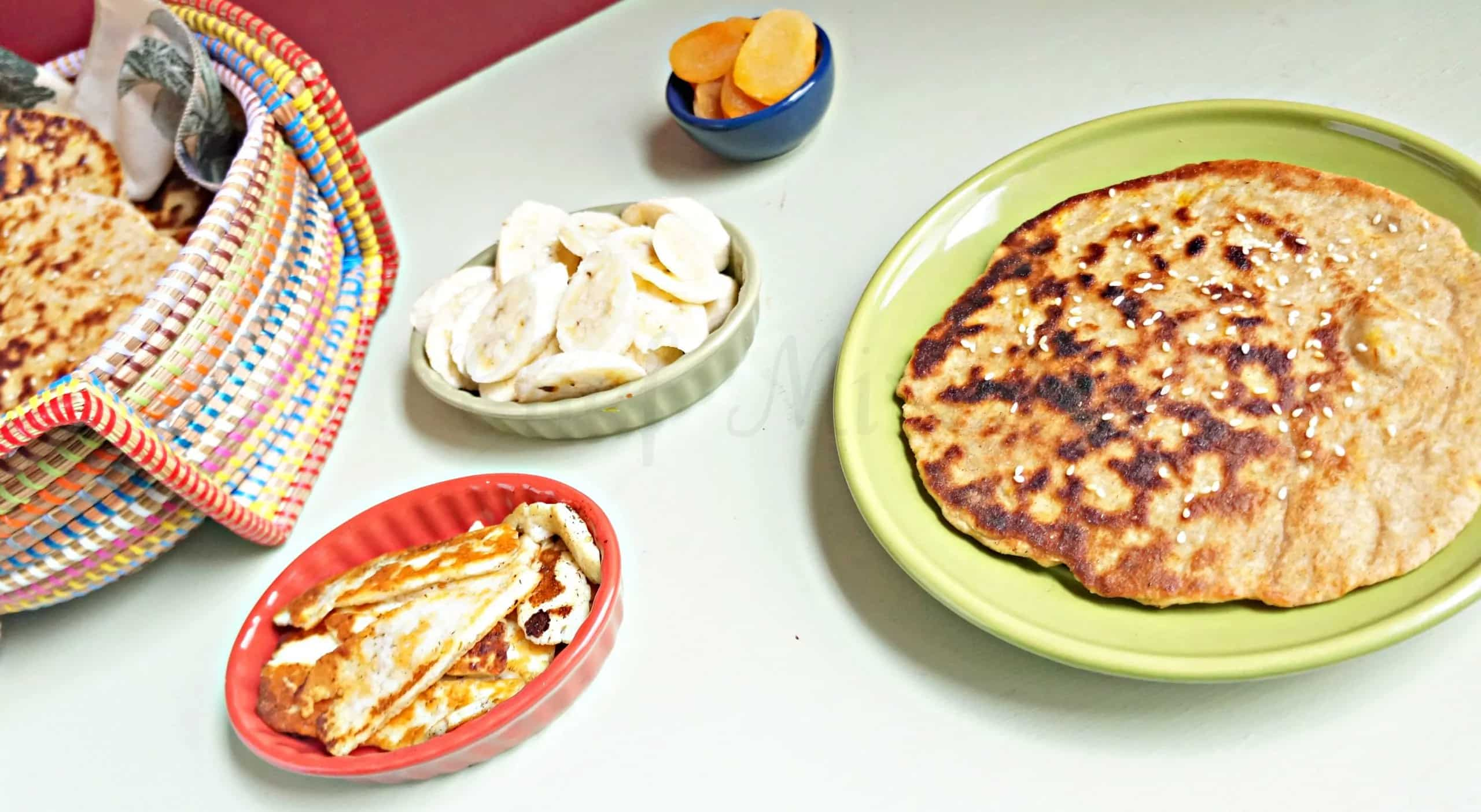
Khameer bread traditionally served with Arabic coffee, fresh dates, and soft cheese — a classic Gulf breakfast spread.
Festive Occasions
In Gulf culture, khameer plays a prominent role in celebrations and family gatherings. During Ramadan, it is often served at iftar (the evening meal that breaks the fast) alongside soups, salads, and grilled meats. During Eid celebrations, khameer bread is prepared in large batches and shared with family, friends, and neighbors. The bread's sweetness makes it particularly fitting for these joyful occasions.
Many families also serve khameer during fuala — the traditional Emirati tea gathering where friends come together to socialize over tea, coffee, and an array of homemade breads and sweets. The presence of khameer Gulf date bread at these gatherings signals hospitality and generosity, core values of Gulf culture.
Modern Twists and Creative Uses for Khameer
While traditional khameer remains beloved, creative chefs and home cooks around the world are discovering innovative ways to use this versatile Gulf date bread. These modern interpretations demonstrate the bread's remarkable adaptability while introducing it to new audiences.
"Khameer is not just a bread — it is a canvas for culinary creativity. Its natural sweetness and aromatic profile make it compatible with both traditional Gulf flavors and contemporary global cuisine. The only limit is your imagination." — Chef Mariam Al Mansoori, Emirati Culinary Ambassador
Creative Serving Ideas
- Khameer breakfast sandwich: Fill with scrambled eggs, avocado, and a drizzle of hot honey for a satisfying fusion breakfast.
- Khameer French toast: Dip thick slices of khameer in a cardamom-spiced egg mixture and cook until golden. Top with fresh berries and maple syrup.
- Khameer pizza base: Use khameer bread as a unique pizza crust. Top with labneh, za'atar, and roasted vegetables for a Middle Eastern-inspired pizza.
- Khameer bread pudding: Cube stale khameer and use it in a rich bread pudding with dates, pistachios, and rose water.
- Khameer panini: Grill khameer with halloumi cheese, sun-dried tomatoes, and fresh basil for a Mediterranean twist.
These modern interpretations do not diminish the traditional value of khameer — instead, they help preserve the bread's relevance in an increasingly globalized food culture. By adapting to new contexts while honoring its roots, khameer Gulf date bread continues to evolve and thrive.
Global Appeal and Future Trends
The story of khameer is far from over. As global interest in Middle Eastern cuisine continues to grow, this traditional Gulf date bread is gaining recognition well beyond its regional origins. Food enthusiasts in Europe, North America, and Asia are discovering khameer through social media platforms, cookbooks, and cultural exchange programs.
Several factors are driving this global appeal. First, there is a growing consumer preference for artisan breads with authentic cultural stories. According to market research from Euromonitor International, the global artisan bread market was valued at $18.2 billion in 2023 and is projected to grow at a compound annual growth rate of 5.8% through 2030. Breads with distinctive cultural identities, like khameer, are particularly well-positioned to benefit from this trend.
Second, the health-conscious consumer movement is drawing attention to breads made with natural ingredients. Khameer bread — with its reliance on dates rather than refined sugar, and its use of aromatic spices with proven health benefits — aligns well with the clean-label movement. The absence of artificial preservatives and the use of traditional fermentation methods appeal to consumers seeking authentic food experiences.
Looking toward the future, the Vision 2030 initiatives across several Gulf countries include a strong emphasis on culinary tourism and the promotion of traditional foods. Saudi Arabia's Vision 2030, for example, includes specific programs to showcase Saudi cuisine internationally, with khameer featured prominently as a heritage food. Similarly, the UAE's culinary diplomacy efforts have introduced Emirati khameer to global audiences at food festivals and international exhibitions.

A modern fusion dish featuring khameer bread — demonstrating its adaptability to contemporary global cuisine.
As we look ahead, it is clear that khameer Gulf date bread will continue to play an important role in preserving Gulf culinary heritage while also embracing innovation. Whether enjoyed in its traditional form or reimagined through modern culinary techniques, this remarkable bread connects past, present, and future in every bite.
Frequently Asked Questions About Khameer Gulf Date Bread
1. What is khameer bread made of?
Khameer bread is traditionally made with all-purpose flour, pitted dates (or date syrup), warm milk, yeast, sugar, salt, ground cardamom, fennel seeds, and ghee or butter. Optional ingredients include saffron threads for added color and flavor. The khameer dough undergoes a fermentation process that gives the bread its characteristic soft, airy texture and subtle sweetness. Each family may have its own variation, but dates remain the essential ingredient that defines this Arabic date bread.
2. How is khameer different from other Arabic breads?
Khameer differs from other Arabic breads in several key ways. Unlike pita bread or khubz, which are neutral in flavor, khameer Gulf date bread has a natural sweetness from dates and a distinctive aromatic profile from cardamom, saffron, and fennel. Its texture is softer and more pillowy than thin flatbreads like lavash. Additionally, khameer is cooked on a griddle or hot stone rather than in a very hot oven, resulting in a bread that does not form a pocket but maintains a tender, chewy crumb throughout.
3. Can I make khameer without dates?
While dates are the defining ingredient in traditional khameer, you can make a variation without them. Substitute the date paste with an equal amount of honey, maple syrup, or brown sugar mixed with a small amount of extra milk. Keep in mind that this will change the flavor profile significantly — you will lose the caramel-like depth that dates provide. If you are avoiding dates due to allergies, consider using fig paste or apricot jam as alternatives, though the resulting bread will not be considered authentic khameer bread.
4. How do you store khameer bread?
To store khameer bread, allow it to cool completely after cooking, then place it in an airtight container or zip-top bag. At room temperature, it will stay fresh for 2–3 days. For longer storage, refrigerate for up to one week or freeze for up to 3 months. To reheat, wrap the bread in a damp paper towel and microwave for 15–20 seconds, or warm it in a dry skillet over low heat. Avoid reheating in the oven for too long, as this can dry out the bread.
5. What does khameer taste like compared to regular bread?
Khameer has a distinctly different taste from regular Western bread. While standard sandwich bread is neutral and often slightly salty, khameer Gulf date bread has a natural, gentle sweetness reminiscent of caramel or molasses, thanks to the dates. It also carries warm, aromatic notes of cardamom and, when used, the floral hint of saffron. The texture is softer and more tender than many Western breads, making it enjoyable to eat on its own without any toppings. Many people describe the taste as "comforting" and "subtly sweet" with a complex spice undertone.
6. Is khameer bread healthy?
Khameer bread can be part of a healthy diet when consumed in moderation. It is naturally sweetened with dates rather than refined sugar, which provides dietary fiber, potassium, iron, and antioxidants. The bread also contains cardamom and saffron, which have been studied for their anti-inflammatory and antioxidant properties. However, khameer is still a carbohydrate-rich food made with refined flour and ghee, so portion control is important. For a healthier version, you can replace some all-purpose flour with whole wheat flour and reduce the amount of ghee.
7. Can khameer bread be frozen?
Yes, khameer bread freezes exceptionally well. To freeze, allow the cooked bread to cool completely, then layer it between sheets of parchment paper to prevent sticking. Place the stack in a freezer-safe bag, remove as much air as possible, and seal. Khameer can be frozen for up to 3 months without significant loss of quality. To enjoy, thaw at room temperature for about 30 minutes or reheat directly from frozen in a skillet over medium-low heat for 2–3 minutes per side. The bread will taste nearly as fresh as the day it was made.
8. What is the best way to serve khameer bread?
The best way to serve khameer depends on the occasion. Traditionally, it is served warm for breakfast with soft cheese (like labneh or cream cheese), honey, date syrup, and Arabic coffee. It also pairs beautifully with scrambled eggs for a hearty breakfast. For a snack or light meal, serve khameer bread with hummus, baba ganoush, or olive oil and za'atar. During Ramadan, it is often served at iftar alongside soups and grilled meats. No matter how you serve it, khameer is best enjoyed warm to fully appreciate its soft texture and aromatic flavors.
Conclusion: Embracing the Legacy of Khameer Gulf Date Bread
Khameer Gulf date bread is far more than a simple flatbread — it is a living piece of culinary heritage that connects generations, cultures, and traditions. From its humble origins in the kitchens of Gulf households to its growing recognition on the global stage, khameer represents the best of what food can be: nourishing, meaningful, and deeply satisfying.
Whether you choose to follow a traditional khameer recipe passed down through generations or experiment with modern creative twists, the experience of making this Arabic date bread at home is one that rewards patience, attention to detail, and a genuine love for good food. The process of kneading the khameer dough, waiting for it to rise, and cooking it to golden perfection connects you with a tradition that spans centuries and continues to evolve.
We hope this comprehensive guide has inspired you to try how to make khameer bread at home and to explore the rich world of Gulf cuisine. If you found this article helpful, please share it with fellow food enthusiasts, leave a comment with your own khameer experiences, and subscribe to our blog for more authentic recipes and cultural insights from the Arabian Peninsula and beyond.
Ready to Bake Your Own Khameer?
Join our community of passionate home bakers and discover more authentic Gulf recipes, expert tips, and cultural stories delivered straight to your inbox.
No spam. Unsubscribe anytime. Join 25,000+ happy subscribers.