
Leftover kabsa can be transformed into delicious second-day meals with minimal effort.
Leftover Kabsa Recipes: 3 Genius Second-Day Dishes You'll Love
If you made a large pot of kabsa last night and now you are staring at a mountain of leftover rice and chicken, you are not alone. According to the Food and Agriculture Organization (FAO), nearly 1.3 billion tonnes of food is wasted globally every year, and home-cooked rice dishes like kabsa are among the most commonly thrown away. The good news? You do not need to toss that flavorful leftover kabsa in the bin. In this guide, you will discover three incredible second-day kabsa dishes that turn your leftovers into brand-new meals. Whether you are craving crispy kabsa rice balls, hearty kabsa stuffed peppers, or a warming kabsa soup, these leftover kabsa recipes are easy, budget-friendly, and packed with authentic Middle Eastern flavor. Let us dive in and rescue that delicious rice.
📖 Table of Contents
- Why Leftover Kabsa Deserves a Second Chance
- Leftover Kabsa Safety: Storage and Reheating Guide
- Dish 1: Crispy Kabsa Rice Balls (Arancini-Style)
- Dish 2: Kabsa Stuffed Bell Peppers
- Dish 3: Hearty Leftover Kabsa Soup
- Comparison Table: Which Dish Should You Make?
- Global Food Waste Trends and Vision 2030
- Frequently Asked Questions
- Conclusion: Your Leftover Kabsa, Reimagined
Why Leftover Kabsa Deserves a Second Chance
Kabsa is more than just a rice dish — it is the crown jewel of Saudi Arabian cuisine and a beloved staple across the Gulf region, the Levant, and beyond. Made with long-grain basmati rice, aromatic spices like cardamom, cinnamon, cloves, and bay leaves, and typically served with chicken, lamb, or fish, kabsa is a feast that often yields generous portions. According to a 2023 YouGov survey, over 62% of households in Saudi Arabia prepare rice-based dishes at least three times per week, and kabsa tops the list.
But here is the problem: many people do not know what to do with the leftovers. You might reheat it once and then quietly toss the rest. That is a missed opportunity — both for your wallet and for the planet. The United Nations Environment Programme (UNEP) reports that 17% of all food produced globally goes to waste, with households responsible for nearly 61% of that figure. Learning how to transform leftover kabsa into new meals is a simple, practical step you can take to reduce your personal food waste footprint.
💡 Tip: The spices in kabsa actually deepen in flavor overnight as the aromatics continue to meld. Day-old kabsa often tastes better than fresh — so you are starting with a flavor advantage!
Leftover Kabsa Safety: Storage and Reheating Guide
Before you transform your leftover kabsa recipes, you need to handle the food safely. According to the U.S. Centers for Disease Control and Prevention (CDC), cooked rice should be cooled and refrigerated within two hours of cooking. Rice is particularly susceptible to Bacillus cereus, a bacterium that can survive even after reheating if the rice was left at room temperature for too long.
How to Store Leftover Kabsa Correctly
- Cool quickly: Spread kabsa on a wide, shallow container to speed up cooling. Do not leave it out for more than two hours.
- Use airtight containers: Transfer to glass or BPA-free plastic containers with tight-fitting lids.
- Refrigerate promptly: Store at 4°C (40°F) or below for up to 3 days.
- Freeze for longer storage: Kabsa freezes well for up to 3 months. Portion it out before freezing so you only thaw what you need.
- Reheat to 74°C (165°F): Always reheat leftovers until steaming hot throughout. If using a microwave, stir halfway through for even heating.
⚠️ Alert: Never reheat leftover kabsa more than once. Each reheating cycle increases the risk of bacterial growth. Portion out only what you will eat, and leave the rest chilled.
Dish 1: Crispy Kabsa Rice Balls (Arancini-Style)
If you have ever enjoyed Italian arancini, you will love this Middle Eastern twist. Kabsa rice balls are crunchy on the outside, soft and aromatic on the inside, and unbelievably satisfying. This is one of the most popular creative ways to use leftover kabsa because it transforms the texture completely — no one will guess they are eating yesterday's dinner.

Crispy kabsa rice balls are perfect as an appetizer, snack, or party finger food.
Ingredients You Will Need
- 2 cups leftover kabsa rice (cold works best)
- 1 cup shredded leftover kabsa chicken (optional but recommended)
- 1/2 cup all-purpose flour
- 2 large eggs, beaten
- 1 cup breadcrumbs (panko for extra crunch)
- 1/2 cup grated mozzarella or halloumi cheese
- 1 teaspoon salt
- Vegetable oil for frying
Step-by-Step Instructions
- Prepare the rice mixture: Place cold leftover kabsa in a large bowl. Mix in the shredded chicken and grated cheese. Use your hands to combine everything thoroughly. The cheese acts as a binder and adds a delicious gooey center.
- Shape the balls: Roll the mixture into golf-ball-sized spheres, about 3–4 cm in diameter. Press firmly so they hold their shape. Place on a lined baking sheet.
- Set up your breading station: Arrange three shallow bowls — one with flour, one with beaten eggs, and one with breadcrumbs mixed with salt.
- Coat each ball: Roll in flour (shake off excess), dip in egg, then roll in breadcrumbs. For extra crispiness, double-coat by repeating the egg and breadcrumb steps.
- Chill before frying: Place the coated balls in the refrigerator for 20–30 minutes. This step is crucial — it prevents them from falling apart in hot oil.
- Fry: Heat vegetable oil in a deep pan to 180°C (350°F). Fry the balls in batches for 3–4 minutes until golden brown and crispy. Do not overcrowd the pan.
- Drain and serve: Transfer to a paper towel-lined plate. Serve hot with yogurt dip, tahini sauce, or tomato chutney.
💡 Tip: For a healthier version, bake the rice balls at 200°C (400°F) for 20–25 minutes, flipping halfway through. Spray lightly with cooking oil before baking.
Dish 2: Kabsa Stuffed Bell Peppers
Kabsa stuffed peppers are a colorful, nutritious way to repurpose your leftover rice. This dish is baked in the oven, making it a hands-off second-day meal that looks impressive enough for guests. Bell peppers are rich in vitamin C — one medium pepper provides 169% of your daily recommended intake, according to the USDA.
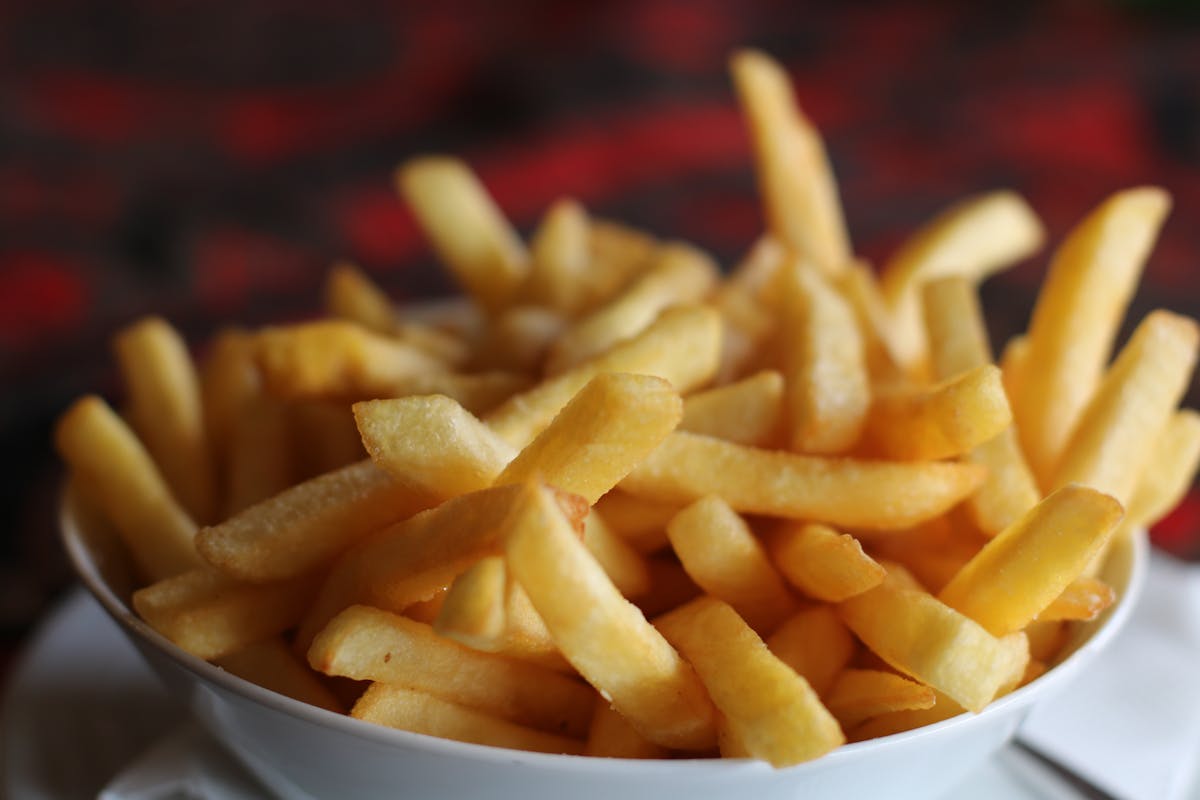
Kabsa stuffed bell peppers are a colorful, oven-baked way to enjoy leftover rice.
Ingredients You Will Need
- 4 large bell peppers (red, yellow, or orange work best)
- 2.5 cups leftover kabsa rice
- 1 cup shredded leftover kabsa chicken or lamb
- 1/2 cup canned diced tomatoes, drained
- 1/2 cup crumbled feta cheese
- 2 tablespoons olive oil
- 1 teaspoon ground cumin
- Salt and black pepper to taste
Step-by-Step Instructions
- Preheat the oven: Set to 190°C (375°F).
- Prepare the peppers: Cut the tops off the bell peppers and remove the seeds and membranes. If the peppers do not stand upright, slice a tiny bit off the bottom — being careful not to create a hole.
- Mix the filling: In a bowl, combine leftover kabsa rice, shredded chicken, diced tomatoes, cumin, salt, and pepper. Mix well.
- Stuff the peppers: Fill each pepper generously with the kabsa mixture, pressing down gently. Top with crumbled feta cheese.
- Arrange and bake: Place stuffed peppers in a baking dish. Drizzle with olive oil and add 1/4 cup water to the bottom of the dish to prevent burning. Cover with foil and bake for 30 minutes.
- Finish and serve: Remove the foil and bake for an additional 10–15 minutes until the cheese is golden and the peppers are tender. Serve warm with a side salad.
"Leftover kabsa is not a problem to solve — it is an ingredient waiting to be celebrated. The best chefs in the world know that transformation is the heart of great cooking."
Dish 3: Hearty Leftover Kabsa Soup
When the weather turns cool or you simply want a comforting bowl of warmth, leftover kabsa soup is the answer. This dish is incredibly forgiving — you can adapt it to whatever vegetables you have on hand. It is also a fantastic way to stretch a small amount of leftover kabsa into a full meal for the whole family. A 2022 study published in the journal Appetite found that soup-based meals increase satiety by up to 30% compared to solid meals of equal calories, making this a smart choice for mindful eating.
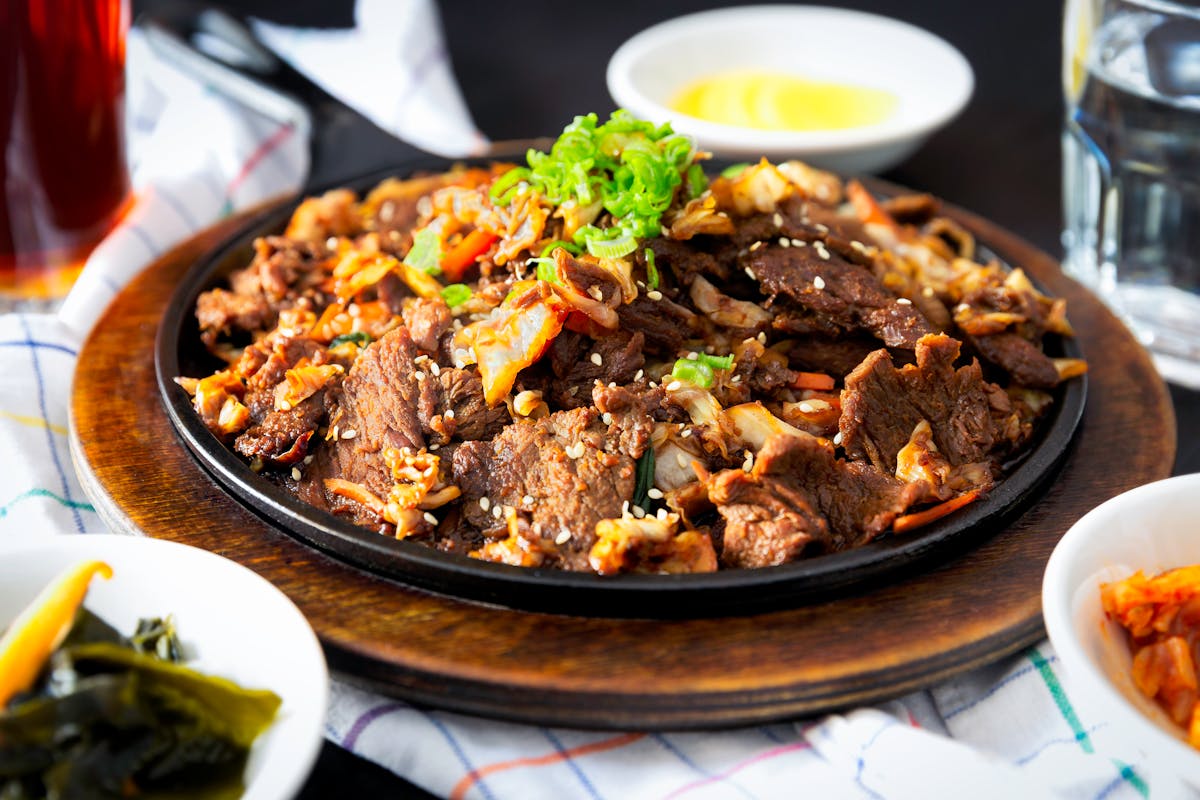
A warm bowl of leftover kabsa soup is perfect for chilly evenings and busy weeknights.
Ingredients You Will Need
- 1.5 cups leftover kabsa rice
- 1 cup shredded leftover kabsa chicken
- 4 cups chicken or vegetable broth
- 1 medium onion, finely diced
- 2 carrots, diced
- 2 celery stalks, diced
- 2 cloves garlic, minced
- 1 teaspoon ground turmeric
- 1/2 teaspoon ground cinnamon
- 1 tablespoon olive oil
- Fresh parsley and lemon wedges for serving
Step-by-Step Instructions
- Sauté the vegetables: Heat olive oil in a large pot over medium heat. Add onion, carrots, and celery. Cook for 5–7 minutes until softened.
- Add aromatics: Stir in garlic, turmeric, and cinnamon. Cook for 1 minute until fragrant.
- Add broth: Pour in the chicken or vegetable broth. Bring to a boil, then reduce heat and simmer for 10 minutes.
- Add leftover kabsa: Stir in the leftover kabsa rice and shredded chicken. Simmer for an additional 5–10 minutes until heated through. The rice will absorb some broth and thicken the soup.
- Season and adjust: Taste and add salt or pepper if needed. If the soup is too thick, add more broth or water.
- Serve: Ladle into bowls and garnish with fresh parsley and a squeeze of lemon juice.
Comparison Table: Which Dish Should You Make?
Still not sure which leftover kabsa recipe to try first? Here is a quick comparison to help you decide based on your time, effort level, and what you are craving.
| Dish | Prep Time | Cook Time | Difficulty | Best For |
|---|---|---|---|---|
| Kabsa Rice Balls | 20 min | 15 min | Medium | Appetizers, snacks, parties |
| Kabsa Stuffed Peppers | 15 min | 45 min | Easy | Family dinner, meal prep |
| Leftover Kabsa Soup | 10 min | 25 min | Very Easy | Quick weeknight comfort food |
Global Food Waste Trends and Vision 2030
Repurposing leftover kabsa is not just a personal win — it aligns with a global movement. The United Nations Sustainable Development Goal 12.3 calls for halving global food waste by 2030. Several countries have already taken significant steps.
In Saudi Arabia, the Vision 2030 initiative explicitly addresses food waste reduction as part of its broader sustainability agenda. The Saudi government has partnered with the Saudi Food Bank (Eta'am) to redistribute surplus food and raise awareness about household food waste. According to a 2022 report by the Saudi Ministry of Environment, Water and Agriculture, the kingdom wastes an estimated 4 million tonnes of food annually, valued at approximately 40 billion Saudi Riyals (USD 10.6 billion).
Across the Gulf Cooperation Council (GCC) countries, similar initiatives are underway. The UAE's National Food Loss and Waste Initiative (Ne'ma) aims to reduce food waste by 50% by 2030. Qatar and Kuwait have also launched public awareness campaigns. When you choose to transform your leftover kabsa instead of discarding it, you are contributing to these larger efforts.
🌍 Did You Know? If global food waste were a country, it would be the third-largest emitter of greenhouse gases after China and the United States, according to the World Resources Institute.
Frequently Asked Questions About Leftover Kabsa
Q1: How long can I keep leftover kabsa in the refrigerator?
Answer: Leftover kabsa can be safely stored in the refrigerator at 4°C (40°F) or below for up to 3 days. For longer storage, freeze it in airtight containers for up to 3 months. Always label containers with the date so you can track freshness.
Q2: What is the best way to reheat leftover kabsa?
Answer: The best reheating method depends on the amount. For small portions, the microwave works fine — add a splash of water and cover loosely. For larger amounts, reheat in a covered pan over low heat with 1–2 tablespoons of water to restore moisture. Alternatively, spread on a baking sheet and warm in a 180°C (350°F) oven for 10–15 minutes. Always ensure the internal temperature reaches 74°C (165°F).
Q3: Can I freeze leftover kabsa rice balls before frying?
Answer: Yes! Shape and coat the rice balls, then place them on a baking sheet lined with parchment paper. Freeze until solid, then transfer to a freezer bag. They can be fried directly from frozen — just add 1–2 extra minutes to the frying time. Do not thaw before frying, as this can make them soggy.
Q4: Is leftover kabsa safe to eat if it was left out overnight?
Answer: No. Cooked rice should never be left at room temperature for more than 2 hours (or 1 hour if the room is above 32°C/90°F). Rice is a high-risk food for Bacillus cereus contamination. If your kabsa was left out overnight, discard it immediately — it is not safe to consume, regardless of how it is reheated.
Q5: Can I make these leftover kabsa recipes with vegetarian kabsa?
Answer: Absolutely! All three dishes work beautifully with vegetable kabsa. For the rice balls, replace the chicken with 1/2 cup of cooked chickpeas for protein. For stuffed peppers, add extra vegetables like zucchini or mushrooms. For the soup, use vegetable broth and add lentils or beans for heartiness.
Q6: What side dishes go well with leftover kabsa dishes?
Answer: Great pairings include fattoush salad, tabbouleh, hummus with pita bread, yogurt cucumber dip (tzatziki), or simply a squeeze of fresh lemon juice. For the rice balls, a spicy harissa mayo or garlic sauce is fantastic. For the soup, serve with toasted flatbread or samboosa on the side.
Q7: How do I prevent my leftover kabsa from drying out in the fridge?
Answer: Store kabsa in an airtight container and press a piece of plastic wrap directly onto the surface of the rice before sealing the lid. This prevents air exposure. When reheating, always add a small amount of water or broth and cover the dish to trap steam, which restores moisture to the rice.
Conclusion: Your Leftover Kabsa, Reimagined
Leftover kabsa is far from a culinary dead end — it is a blank canvas brimming with possibility. Whether you choose the crispy indulgence of kabsa rice balls, the wholesome satisfaction of kabsa stuffed peppers, or the soul-warming comfort of leftover kabsa soup, you are doing something meaningful. You are saving money, reducing food waste, and discovering new flavors you never knew were hiding in your fridge.
The next time you cook a big pot of kabsa, do not dread the leftovers. Plan for them. Store your kabsa properly, keep these three leftover kabsa recipes in your back pocket, and turn every grain of rice into something delicious. Your wallet, your taste buds, and the planet will thank you.

Three delicious ways to transform leftover kabsa into brand-new meals.
Ready to Rescue Your Leftover Kabsa?
Which of these three dishes will you try first? Share your creations and tag us — we would love to see how you transform your second-day kabsa!
Get More Leftover Recipe Ideas →🏷️ Tags
📌 Related articles you might enjoy: How to Make Perfect Kabsa at Home | 7 Middle Eastern Rice Dishes You Need to Try | Food Storage Hacks for Busy Families