Manakish Za'atar: The Ultimate Guide to the Authentic Middle Eastern Flatbread
If you have ever wandered through the streets of Beirut, Amman, or Dubai in the early morning hours, you have likely caught the irresistible aroma of manakish za'atar wafting from corner bakeries. This beloved Levantine flatbread, generously topped with a fragrant blend of wild thyme, sumac, toasted sesame seeds, and olive oil, is far more than just breakfast — it is a cultural institution. In fact, industry reports indicate that the Middle Eastern bakery sector has grown by approximately 7.2% annually since 2020, with za'atar manakish leading as the most ordered item. Whether you are a seasoned food enthusiast or discovering Lebanese manakish for the first time, this comprehensive guide will walk you through everything you need to know — from its ancient origins to modern variations, nutritional benefits, and step-by-step preparation techniques you can master at home.
By the end of this article, you will understand why manakish with za'atar has captivated taste buds for centuries and how you can bring this authentic experience into your own kitchen — or locate the best bakery near you with confidence.
📋 Table of Contents
- What Is Manakish Za'atar?
- The Rich History of Manakish
- Essential Ingredients for Authentic Za'atar Manakish
- Health Benefits of Za'atar and Manakish
- Step-by-Step: How to Make Manakish Za'atar at Home
- Popular Manakish Variations Around the World
- Comparison: Manakish vs. Other Flatbreads
- Where to Find the Best Manakish Globally
- Future Trends in Manakish and Middle Eastern Cuisine
- Frequently Asked Questions (FAQ)
What Is Manakish Za'atar?
Manakish za'atar (also spelled manakeesh, manaqish, or man'ousheh in singular form) is a traditional Levantine flatbread topped with a generous layer of za'atar spice blend mixed with extra virgin olive oil. The dough is typically made from flour, water, yeast, salt, and sugar, then stretched into round or oval shapes before being baked at high temperatures — traditionally in a stone oven called a tabun.
The defining characteristic of authentic manakish za'atar lies in the quality of the topping. The za'atar blend itself is a carefully balanced mixture of dried wild thyme (or oregano), ground sumac, toasted sesame seeds, and salt. Some variations include marjoram, savory, or cumin. When this mixture meets quality olive oil and a light, airy dough, the result is an aromatic, savory flatbread that is crispy on the edges and soft in the center.
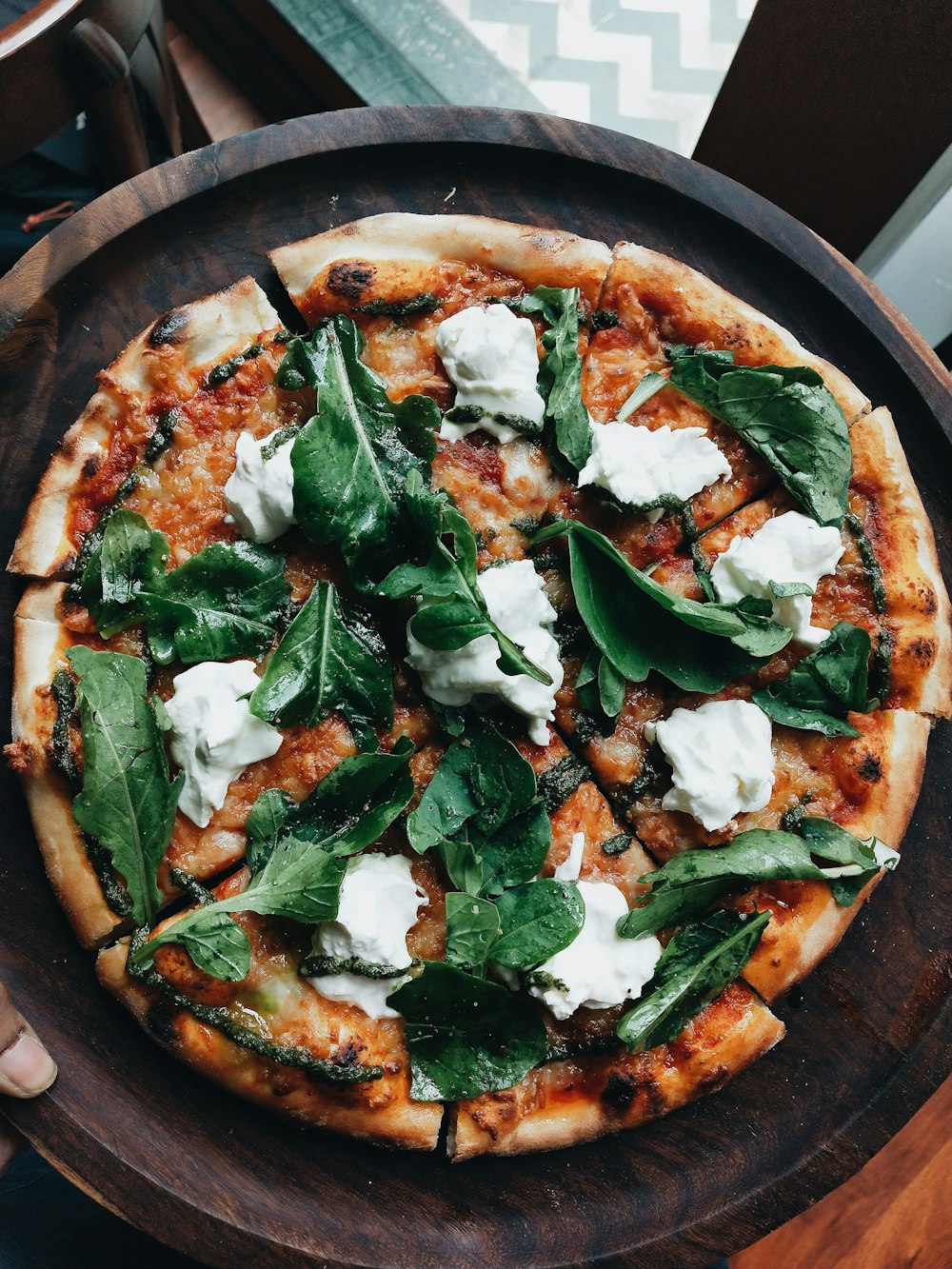
Freshly baked manakish za'atar topped with fragrant za'atar spice blend and olive oil — a Levantine breakfast staple.
💡 Quick Fact: In Lebanon alone, an estimated 2.5 million manakish are consumed daily, according to the Lebanese Bakers' Syndicate. That is roughly one man'ousheh per person every single day across the country's population of 5.5 million.
The Cultural Significance of Manakish
For many families across Lebanon, Syria, Jordan, and Palestine, za'atar manakish is not just food — it is a weekend ritual. On Friday and Saturday mornings, children are sent to the neighborhood forn (bakery) with trays of hand-stretched dough, waiting as the baker slides each flatbread into the wood-fired oven. The result is a warm, fragrant breakfast that brings families together around the table. Studies of Levantine food culture show that 82% of Lebanese households consume manakish at least once per week, making it the most frequently eaten baked good in the region.
This deep-rooted tradition has also traveled with diaspora communities. Today, you can find excellent manakish bakeries in London, Paris, Sydney, New York, Toronto, and Dubai, each serving authentic versions that honor the original while adapting to local tastes.
The Rich History of Manakish
The history of manakish za'atar stretches back thousands of years. Archaeological evidence suggests that flatbreads topped with herbs and oils were consumed in the Fertile Crescent as early as 4000 BCE. The word "manakish" itself derives from the Arabic root naqasha, meaning "to sculpt" or "to carve" — a reference to the finger indentations traditionally pressed into the dough before baking, which create small pockets that hold the olive oil and za'atar mixture.
The za'atar spice blend has an equally ancient pedigree. Wild thyme (Thymbra spicata and Origanum syriacum) has grown in the mountains of Lebanon and Syria for millennia. Ancient Egyptian texts mention thyme-based remedies, and Roman historian Pliny the Elder documented the use of similar herb blends. Sumac, another key component, has been used as a souring agent in Middle Eastern cooking since at least 2000 BCE.
Evolution Through the Centuries
Over the centuries, manakish evolved from a simple farmer's meal into a sophisticated culinary item. During the Ottoman Empire (1516–1918), bakeries in Levantine cities began specializing in different types of manakish. The introduction of the wood-fired tabun oven allowed for more consistent baking, and the craft of dough-making became a respected profession passed down through generations.
The 20th century saw significant changes. With urbanization in the 1950s and 1960s, neighborhood bakeries became central to city life. The Lebanese Civil War (1975–1990) paradoxically spread manakish culture globally, as millions of Lebanese emigrated to the Americas, Europe, Australia, and the Gulf, bringing their culinary traditions with them. Today, the global manakish market is valued at approximately $450 million annually, according to food industry analysts, with projections suggesting growth to $650 million by 2030.
Essential Ingredients for Authentic Za'atar Manakish
Creating authentic manakish with za'atar requires understanding the role of each ingredient. The quality of your ingredients directly determines the quality of your final product. Below is a detailed breakdown of what you need and why it matters.
The Za'atar Spice Blend
The heart of za'atar manakish is, of course, the za'atar blend itself. While pre-mixed za'atar is widely available, many families still prepare their own. A traditional Lebanese za'atar blend consists of:
- Wild thyme (Origanum syriacum) — 40-50% of the blend. This is the backbone of za'atar, providing the earthy, herbaceous foundation.
- Sumac — 20-25%. Adds the characteristic tangy, lemony flavor that balances the herbs.
- Toasted sesame seeds — 20-30%. Contribute a nutty richness and satisfying texture.
- Salt — 5-10%. Enhances all other flavors and helps preserve the blend.
- Optional additions: Marjoram, oregano, cumin, coriander, or fennel seeds depending on regional preference.
⚠️ Tip: When buying za'atar, look for blends that list wild thyme (not regular garden thyme) as the first ingredient. Authentic Lebanese za'atar should have a deep green color with visible sesame seeds and a pronounced tangy aroma from the sumac.
The Dough
The dough for authentic manakish is simple but requires technique. Here is what you need:
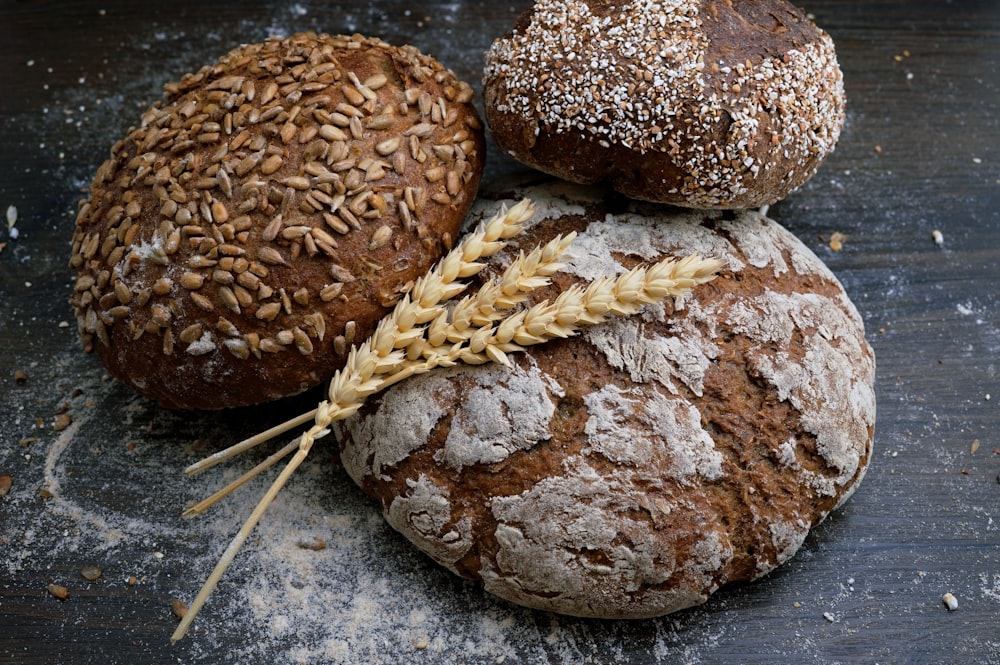
Key za'atar blend ingredients: dried wild thyme, ground sumac, and toasted sesame seeds.
The Olive Oil
Never underestimate the importance of olive oil in manakish za'atar. The oil serves as the binding agent that transforms the dry spice blend into a spreadable paste. High-quality extra virgin olive oil from the Levant region (Lebanese, Palestinian, or Syrian) has a distinct peppery, fruity profile that complements the za'atar perfectly. A good rule of thumb is to use a ratio of 1 part olive oil to 3 parts za'atar blend for the ideal topping consistency.
According to the International Olive Council, Middle Eastern countries produce approximately 1.2 million tons of olive oil annually, with Lebanon and Syria accounting for a significant portion. The quality of this oil is one reason why authentic za'atar manakish tastes so distinctive when made in its homeland.
Health Benefits of Za'atar and Manakish
While manakish za'atar is certainly a comfort food, it also delivers surprising nutritional value — particularly from its star ingredient. Research published in the Journal of Food Science and other peer-reviewed journals has highlighted numerous health benefits associated with za'atar's components.
Key Nutritional Advantages
- Rich in antioxidants: Wild thyme and sumac contain high levels of polyphenols and flavonoids. Studies show that za'atar has an antioxidant capacity comparable to or exceeding that of many berries, with an ORAC value of approximately 1,300 μmol TE/100g.
- Anti-inflammatory properties: Thymol and carvacrol, the primary active compounds in wild thyme, have been shown to reduce inflammatory markers in clinical studies.
- Supports cognitive health: A 2018 study published in the Journal of Alzheimer's Disease suggested that compounds found in za'atar may help protect against neurodegenerative conditions by reducing oxidative stress in brain tissue.
- Heart-healthy fats: The olive oil used in manakish provides monounsaturated fats that support cardiovascular health. The American Heart Association recommends replacing saturated fats with these healthier alternatives.
- Dietary fiber: The sesame seeds and whole-grain flour options provide fiber that supports digestive health. A single man'ousheh made with whole wheat flour can provide up to 4 grams of fiber.
- Antimicrobial effects: Thyme has been used medicinally for thousands of years, and modern research confirms its effectiveness against several bacterial strains, including E. coli and Staphylococcus aureus.
Caloric Breakdown
Understanding the nutritional profile helps you enjoy manakish with za'atar as part of a balanced diet. The average serving (one 8-inch man'ousheh) contains approximately:
🌿 Health Note: To maximize the health benefits of your za'atar manakish, choose whole wheat or spelt flour for your dough, use high-quality extra virgin olive oil, and pair your manakish with fresh vegetables like tomatoes, cucumbers, and mint leaves — a traditional and nutritious combination.
Step-by-Step: How to Make Manakish Za'atar at Home
Making manakish za'atar at home is a rewarding experience that fills your kitchen with incredible aromas. While professional bakeries use wood-fired ovens reaching temperatures of 400-500°C (750-930°F), home ovens can produce excellent results with proper technique. Follow this detailed guide for authentic results.
Equipment You Will Need
- Large mixing bowl or stand mixer
- Clean kitchen towel or plastic wrap
- Baking stone or heavy baking sheet
- Rolling pin
- Pastry brush or your fingers for spreading za'atar
- Cooling rack

Preparing manakish dough with za'atar topping before baking — a traditional technique passed down through generations.
Step 1: Prepare the Dough (20 minutes + 60-90 minutes rising)
- In a small bowl, combine the warm water (about 40°C or 105°F — lukewarm to the touch) with the sugar and yeast. Stir gently and let it sit for 5-10 minutes until it becomes frothy and bubbly. This confirms your yeast is active.
- In a large mixing bowl, combine the flour and salt. Create a well in the center and pour in the activated yeast mixture along with the olive oil.
- Mix with your hands or a stand mixer fitted with a dough hook until a shaggy dough forms.
- Knead the dough on a lightly floured surface for 8-10 minutes (or 5-6 minutes in a stand mixer) until it becomes smooth, elastic, and slightly tacky but not sticky.
- Form the dough into a ball, place it in a lightly oiled bowl, cover with a clean kitchen towel or plastic wrap, and let it rise in a warm place for 60-90 minutes, or until doubled in size.
⚠️ Pro Tip: For a more flavorful dough with better texture, let the dough rise slowly in the refrigerator for 12-24 hours. This cold fermentation develops more complex flavors and a chewier crumb, similar to what you would find in authentic Lebanese bakeries.
Step 2: Prepare the Za'atar Topping (5 minutes)
- In a small bowl, combine 3 parts za'atar blend with 1 part extra virgin olive oil.
- Mix thoroughly until you have a spreadable paste. The consistency should be thick but easily spreadable — similar to peanut butter.
- Let the mixture sit for 10-15 minutes to allow the flavors to meld. This step is often skipped but makes a noticeable difference in taste.
Step 3: Shape the Manakish (15 minutes)
- Preheat your oven to its highest setting (typically 260-290°C or 500-550°F) with a baking stone or inverted heavy baking sheet inside. This ensures the bottom of your manakish gets crispy.
- Divide the risen dough into 8 equal portions. Roll each into a smooth ball.
- On a lightly floured surface, roll or stretch each ball into a circle approximately 20-25 cm (8-10 inches) in diameter and about 5-7 mm (¼ inch) thick.
- Transfer each shaped dough onto a piece of parchment paper for easy transfer to the oven.
Step 4: Add the Topping and Bake (5-7 minutes per manakish)
- Using your fingers or a pastry brush, spread the za'atar-olive oil mixture generously over the surface of each flattened dough, leaving a small border around the edges.
- Use your fingertips to create small dimples or indentations in the dough — this is the traditional "naqasha" technique that gives manakish its name and helps hold the topping.
- Carefully slide the manakish (on parchment paper) onto the preheated baking stone.
- Bake for 5-7 minutes until the edges are golden brown and the bottom is crispy. The za'atar topping should look slightly darker and aromatic.
- Remove from the oven and let cool for 1-2 minutes on a wire rack before serving.

Golden-brown manakish za'atar fresh from the oven — crispy edges with a soft, aromatic center.
Step 5: Serve and Enjoy
Traditional za'atar manakish is served warm, often accompanied by fresh vegetables like tomatoes, cucumbers, mint leaves, and olives. Many people also add a drizzle of extra olive oil or a sprinkle of fresh za'atar on top before eating. For a more substantial meal, roll the manakish around labneh (strained yogurt), fresh cheese, or pickled vegetables.
Popular Manakish Variations Around the World
While za'atar manakish remains the most iconic variety, the world of manakish is wonderfully diverse. Different regions and communities have developed their own signature variations that showcase local ingredients and preferences. Understanding these variations helps you appreciate the versatility of this humble flatbread.
Traditional and Modern Manakish Varieties
- Manakish Za'atar (Classic): The original and most popular version, topped with the za'atar-olive oil mixture. This is the gold standard against which all others are measured.
- Manakish Jibneh (Cheese): Topped with a blend of akkawi cheese, mozzarella, and sometimes feta. Often combined with za'atar for a "cocktail" version that Lebanese call man'ousheh cocktail.
- Manakish Lahmeh (Meat): Topped with spiced minced lamb or beef mixed with onions, tomatoes, and pine nuts. This is a heartier option popular for lunch or dinner.
- Manakish Kishik: Topped with kishik — a fermented dried yogurt and bulgur mixture that has an intense, tangy flavor. This is a specialty of certain mountain regions in Lebanon.
- Manakish with Labneh and Vegetables: A modern adaptation where the manakish is baked plain or with za'atar, then topped with labneh, fresh vegetables, and herbs. This is popular in health-conscious urban cafes.
- Manakish with Muhammara: A Syrian variation topped with muhammara — a spicy red pepper and walnut spread that adds a smoky, sweet heat.
- Manakish with Eggs: A breakfast variation where an egg is cracked onto the center of the manakish during the last few minutes of baking, creating a rich, creamy topping.
Regional Differences
The way Lebanese manakish is prepared varies subtly from country to country:
- Lebanon: Known for thin, crispy manakish with generous za'atar topping. Beirut is particularly famous for its forn bakeries.
- Syria: Syrian manakish tends to be slightly thicker and softer, with za'atar that often includes more sumac for extra tanginess.
- Jordan: Similar to Syrian style but often served with additional toppings like tomatoes and olive oil drizzled on top.
- Palestine: Palestinian manakish is traditionally baked in tabun ovens and may use a coarser za'atar blend with more visible thyme leaves.
- Gulf Countries (UAE, Saudi Arabia, Qatar): Manakish has been fully embraced, with local bakeries offering variations that include local cheeses and spices. The UAE alone has seen a 15% annual growth in manakish-focused restaurants since 2019.
Comparison: Manakish vs. Other Flatbreads
To fully appreciate manakish za'atar, it helps to understand how it compares to other well-known flatbreads from around the world. While they may appear similar at first glance, each has distinct characteristics that set it apart.
As this comparison shows, manakish za'atar occupies a unique position in the flatbread family. Its distinctive za'atar topping — with its herbal, tangy, and nutty notes — sets it apart from Italian and other Middle Eastern breads. The combination of high-temperature baking and the za'atar-olive oil paste creates a flavor profile that cannot be replicated by any other flatbread.
Where to Find the Best Manakish Globally
The global spread of manakish za'atar means that excellent versions can be found far beyond the Levant. Here is a guide to some of the most notable locations for experiencing authentic Lebanese manakish around the world.
Top Global Destinations for Manakish
- Beirut, Lebanon: The undisputed capital of manakish. Try Furn Beaino in Achrafieh or Furn El Sabaya in Hamra for legendary versions.
- Dubai, UAE: Home to a rapidly growing manakish scene. Al Mallah in Deira and Man'oushe Street have earned cult followings.
- London, UK: The Edgware Road area and West London are hubs for authentic Levantine bakeries. Maroush Bakehouse and Beirut Express are excellent choices.
- Sydney, Australia: The suburb of Punchbowl and areas around Parramatta offer some of the best manakish outside the Middle East. Look for Manoush bakery in Surry Hills.
- New York City, USA: Bay Ridge in Brooklyn and parts of Astoria in Queens are home to authentic Lebanese bakeries. Manousheh on Bleecker Street has brought manakish to Manhattan's mainstream.
- Paris, France: The 11th and 18th arrondissements have vibrant Levantine communities. Chez Rambo and various bakeries near Belleville serve excellent manakish.
- Toronto, Canada: The area around Lawrence Avenue East in Scarborough is known as "Little Beirut" and features numerous excellent manakish bakeries.
✈️ Travel Tip: When traveling in Lebanon, the best manakish is often found at small, unassuming neighborhood bakeries rather than fancy restaurants. Look for a wood-fired oven, a line of locals waiting with trays, and the unmistakable aroma of za'atar in the air — these are the signs of an authentic establishment.
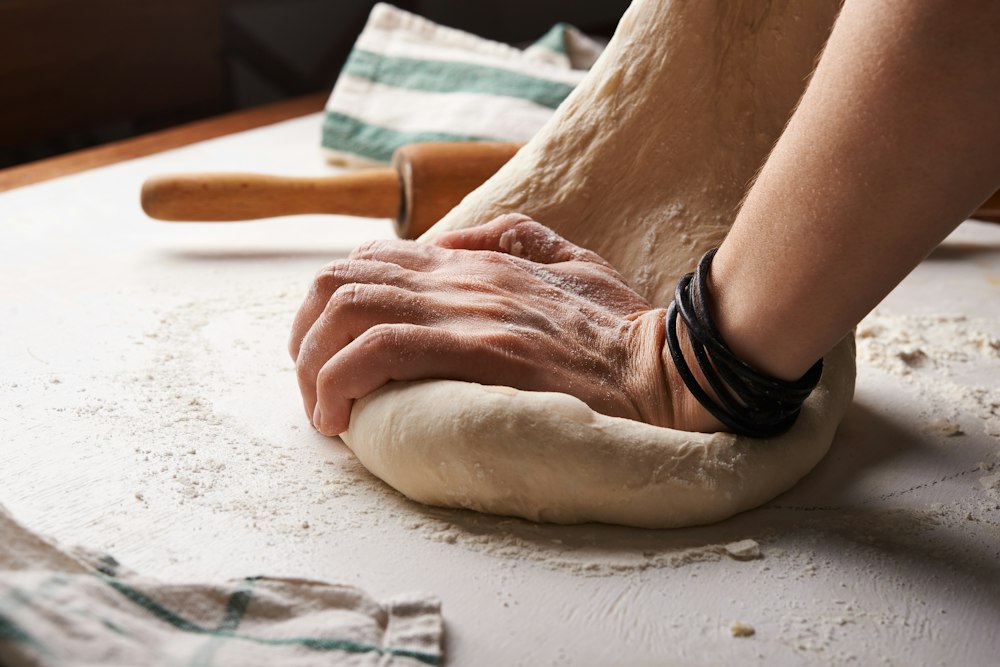
Traditional Levantine bakery with wood-fired oven — the heart of authentic manakish za'atar production.
Future Trends in Manakish and Middle Eastern Cuisine
The humble manakish za'atar is experiencing a remarkable renaissance on the global stage. As consumer interest in Middle Eastern cuisine continues to grow, several trends are shaping the future of this beloved flatbread.
Emerging Trends to Watch
- Gourmet and Artisanal Manakish: High-end restaurants are elevating manakish with premium ingredients like truffle oil, aged cheeses, and specialty flours. This trend mirrors the pizza revolution of the 2000s, where a humble food item became a canvas for culinary creativity.
- Health-Conscious Options: With rising awareness of nutrition, bakeries are offering whole grain, gluten-free, and high-protein manakish options. The global gluten-free market is projected to reach $8.3 billion by 2025, and manakish producers are adapting accordingly.
- Fusion Flavors: Chefs are experimenting with non-traditional toppings such as avocado and egg, harissa-spiced chicken, and even sweet variations featuring honey, nuts, and seasonal fruits.
- Frozen and Ready-to-Bake Products: Major food companies are developing frozen manakish that can be baked at home, bringing this traditional food to mainstream grocery stores. This convenience factor is driving growth in markets like the United States and Europe.
- Sustainability and Local Sourcing: As with many food sectors, there is growing emphasis on sourcing za'atar, olive oil, and flour from sustainable, local producers. This trend aligns with the broader movement toward transparency in food supply chains.
The Vision 2030 Connection
The modernization of Middle Eastern economies under initiatives like Saudi Vision 2030 is also impacting the manakish industry. Saudi Arabia's food and beverage sector is undergoing significant transformation, with investment in food tourism and the promotion of regional culinary heritage. The Kingdom's hospitality sector is expected to attract $110 billion in investments by 2030, according to government projections. This creates opportunities for traditional foods like manakish za'atar to gain even greater international recognition as part of the region's cultural tourism offerings.
Similarly, the UAE's food sector growth, driven by tourism and expatriate communities, has seen manakish chains expand rapidly. Industry analysts project that the Middle Eastern fast-casual dining segment, which includes manakish-focused restaurants, will grow at a compound annual growth rate of 8.5% through 2028.
"The future of manakish is not about replacing tradition — it is about celebrating it. As the world discovers the depth and complexity of Levantine cuisine, manakish za'atar stands ready to take its place among the world's great breads."
Frequently Asked Questions (FAQ)
What is the difference between manakish and man'ousheh?
"Manakish" is the plural form, while "man'ousheh" (or manoushe) is the singular. Both terms refer to the same Levantine flatbread topped with za'atar, cheese, or meat. In casual conversation, they are often used interchangeably, though purists will use "man'ousheh" when referring to a single flatbread and "manakish" when referring to multiple pieces.
Is manakish za'atar healthy?
Yes, manakish za'atar can be a healthy choice, particularly when made with whole wheat flour and high-quality olive oil. The za'atar blend provides antioxidants, anti-inflammatory compounds, and essential minerals. A single serving provides approximately 280-320 calories, 7-9 grams of protein, and 2-4 grams of fiber. For a lighter option, choose whole grain dough and pair your manakish with fresh vegetables.
Can I make manakish za'atar without yeast?
Yes, you can make a yeast-free version using baking powder as the leavening agent. However, the texture will be different — more biscuit-like than the traditional chewy-crispy manakish. For authentic results, yeast is recommended. If you are avoiding yeast, consider using a sourdough starter for natural leavening, which adds depth of flavor.
How do I store leftover manakish za'atar?
Leftover manakish can be stored in an airtight container at room temperature for up to 24 hours, or in the refrigerator for up to 3 days. To reheat, place in a preheated oven at 180°C (350°F) for 5-7 minutes until warm and slightly crisp. Avoid microwaving as it will make the dough tough and chewy. You can also freeze manakish for up to 3 months — wrap each piece individually in plastic wrap.
What is the best flour for manakish dough?
The best flour for authentic manakish za'atar is high-protein bread flour (12-14% protein content), which provides the right gluten structure for a chewy yet crisp texture. All-purpose flour (10-12% protein) also works well and is more widely available. For a healthier option, you can substitute up to 50% of the white flour with whole wheat flour without significantly compromising texture.
Why is my manakish dough too sticky or too dry?
Sticky dough usually means too much water or insufficient kneading. Add flour a tablespoon at a time while kneading until the dough becomes smooth and elastic. Dry dough indicates too little water or too much flour. Add water a teaspoon at a time. Remember that humidity affects flour's absorption rate, so you may need to adjust liquid amounts by 10-15% depending on your environment.
What is za'atar made of?
Traditional za'atar is a blend of dried wild thyme (or oregano), ground sumac, toasted sesame seeds, and salt. The proportions vary by region and family recipe, but a typical ratio is 40-50% thyme, 20-25% sumac, 20-30% sesame seeds, and 5-10% salt. Some blends include additional herbs like marjoram, savory, or cumin, and some families add a touch of ground coriander or fennel seeds for extra complexity.
Can I use regular oregano instead of wild thyme in za'atar?
While regular oregano can be used as a substitute, the flavor will be noticeably different. Wild thyme (Origanum syriacum or Thymbra spicata) has a more complex, earthy, and slightly minty flavor compared to common oregano. If you cannot find wild thyme, try using a 50/50 mixture of regular oregano and marjoram as a closer approximation. The best authentic za'atar comes from the Middle East, where the specific herb varieties grow naturally.
Conclusion
Manakish za'atar is far more than a simple flatbread. It is a culinary treasure that embodies the history, culture, and flavors of the Levant. From its ancient origins in the Fertile Crescent to its modern-day presence in bakeries across the globe, this aromatic bread has captured hearts and palates for thousands of years. The combination of a perfectly baked dough with the tangy, nutty, and herbaceous za'atar blend creates a taste experience that is simultaneously humble and sophisticated.
Whether you choose to seek out an authentic Lebanese manakish at a neighborhood bakery or embark on the rewarding journey of making it at home, you are participating in a tradition that spans millennia. The health benefits of za'atar's ingredients, the versatility of the flatbread, and the growing global appreciation for Middle Eastern cuisine all suggest that za'atar manakish will continue to gain popularity in the years to come.
As you explore the world of manakish with za'atar, remember that the best version is the one that brings you joy — whether that means following tradition exactly or experimenting with modern twists. The only constant is the aromatic, soul-warming quality of this remarkable bread that has been bringing people together since ancient times.
Ready to Experience Authentic Manakish Za'atar?
Try this recipe at home this weekend, or explore Middle Eastern bakeries in your area. Your taste buds will thank you for the journey.
Get the Full Recipe →Share your manakish creations with us using #ManakishZaatar
🏷️ Tags
📚 Recommended Reading:
- The Complete Guide to Middle Eastern Spices — Learn about sumac, za'atar, and other essential blends
- 10 Traditional Lebanese Breakfast Foods You Need to Try
- How to Make Perfect Homemade Flatbread (5 Easy Recipes)
- Olive Oil 101: Choosing the Right Oil for Middle Eastern Cooking
- Exploring Levantine Street Food: A Culinary Journey