Maqluba: The Ultimate Guide to Palestinian Upside-Down Rice
Maqluba is more than just a dish—it's a culinary symbol of Palestinian heritage and Middle Eastern hospitality. This traditional Palestinian food features layers of spiced rice, tender meat, and fried vegetables, all cooked together and then flipped upside down to reveal a stunning presentation. If you've ever wondered how to make maqluba at home, this guide covers everything from the authentic maqluba recipe step by step to the best rice and spices. Whether you prefer a vegetarian maqluba recipe or the classic maqluba with chicken and cauliflower, you'll find practical tips, nutritional insights, and cultural context to master this Middle Eastern rice dish. Let's dive into the world of Palestinian upside-down rice and turn your kitchen into a Levantine feast.
Table of Contents
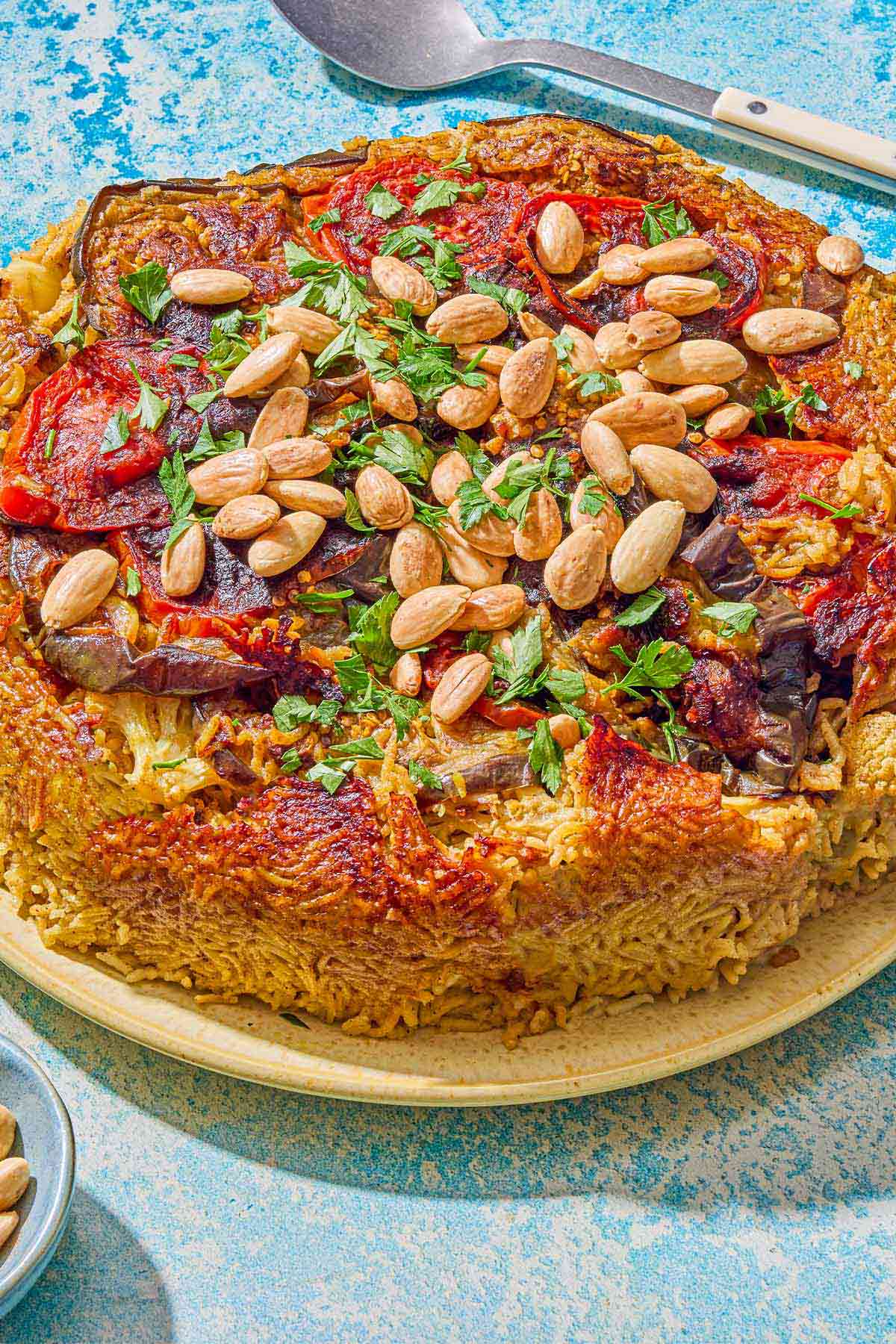
A beautifully flipped Maqluba reveals layers of spiced rice, fried cauliflower, and tender chicken.
What is Maqluba?
Maqluba (also spelled maklouba, maqlooba, or magluba) literally translates to "upside down" in Arabic. This Palestinian upside-down rice dish is a one-pot wonder where rice, vegetables, and meat are layered in a pot, cooked, and then inverted onto a serving platter. The result is a dramatic, colorful tower of fragrant rice topped with caramelized vegetables and succulent protein.
Historically, Maqluba has roots in Levantine cuisine, with mentions in medieval Arabic cookbooks. It is especially cherished in Palestine, Jordan, Syria, and Lebanon. According to food historians, the dish likely evolved as a way to use leftover ingredients while creating a festive centerpiece. Today, it remains a staple at family gatherings, weddings, and religious holidays. In 2023, a survey by the Palestinian Ministry of Culture noted that maqluba was ranked among the top three most beloved national dishes, alongside musakhan and mansaf.
What makes maqluba unique is the flip. The pot is carefully turned over onto a large tray, revealing the bottom layer of golden vegetables and meat on top. The rice absorbs the spiced broth, creating a moist, aromatic base. For many, the flip is a moment of suspense and celebration—if it holds its shape, it's a sign of good luck.
Ingredients and Variations
The beauty of maqluba lies in its flexibility. While the core components remain consistent, you can adapt the vegetables and protein to suit your taste or dietary needs. Here's a breakdown of the essential maqluba spices list and typical ingredients.
Core Ingredients for Authentic Maqluba
- Rice: Long-grain white rice like basmati or Egyptian rice works best. Some prefer medium-grain for a stickier texture. The best rice for maqluba is one that holds its shape after steaming.
- Meat: Chicken (bone-in, skinless pieces) is the most common. Lamb or beef can be used for a richer flavor. For a vegetarian maqluba recipe, simply omit meat and use vegetable broth.
- Vegetables: Eggplant, cauliflower, potatoes, and tomatoes are classic. Eggplant and cauliflower are usually fried or roasted before layering.
- Aromatics: Onions, garlic, and sometimes bell peppers.
- Spices: The maqluba spices list typically includes turmeric, cumin, allspice, cinnamon, cardamom, black pepper, and salt. Some add cloves or nutmeg for warmth.
- Broth: Chicken or vegetable stock, infused with the spices and cooking liquid from the meat.
- Garnish: Toasted pine nuts or almonds, fresh parsley.
Popular Maqluba Variations
- Maqluba with Chicken and Cauliflower: The most beloved version. Cauliflower florets are fried until lightly browned, giving a nutty taste.
- Eggplant Maqluba: Eggplant slices are salted, drained, and fried. This variation is often vegetarian, using chickpeas for protein.
- Lamb Maqluba: Lamb shanks or shoulder are slow-cooked first, then layered. The broth becomes incredibly rich.
- Vegan Maqluba: Replace meat with a mix of chickpeas and roasted vegetables. Use vegetable stock and add a pinch of smoked paprika for depth.
Gather all your ingredients before starting: rice, spices, vegetables, and protein for the perfect Maqluba.
Step-by-Step Cooking Method
Follow this authentic maqluba recipe step by step to achieve a flawless flip every time. The process is straightforward, but attention to detail makes all the difference.
- Prepare the Meat: In a large pot, brown the chicken pieces in olive oil with chopped onions, garlic, and the spice blend (turmeric, cumin, allspice, cinnamon, cardamom, salt, pepper). Add enough water to cover, bring to a boil, then simmer for 30–40 minutes until the chicken is nearly cooked. Remove chicken and set aside; reserve the broth.
- Prepare the Vegetables: While the meat cooks, slice eggplant into thick rounds, break cauliflower into florets, and peel and slice potatoes. Salt the eggplant for 15 minutes, then pat dry. Fry each vegetable separately in hot oil until golden on both sides. Drain on paper towels.
- Layer the Pot: In the same pot (or a clean heavy-bottomed pot), arrange the fried vegetables at the bottom in a decorative pattern. Typically, you place tomato slices first, then eggplant, cauliflower, and potatoes. Then add the chicken pieces on top of the vegetables. Finally, pour the rinsed rice over everything, spreading it evenly.
- Add Broth: Carefully pour the reserved hot broth over the rice until it covers the rice by about 1–2 cm (use a wooden spoon to gently press down and check). The amount of broth is crucial—too much makes mushy rice; too little leaves it undercooked.
- Cook: Bring the pot to a gentle boil over medium-high heat, then reduce to low, cover with a tight-fitting lid, and simmer for 30–40 minutes. Do not stir. The rice will steam and absorb the broth.
- Rest: Turn off the heat and let the pot rest, covered, for 10–15 minutes. This helps the layers set and makes flipping easier.
- The Flip: Place a large round serving tray or platter over the pot. Using oven mitts, hold the tray firmly against the pot and quickly but carefully invert the whole thing. Let it sit upside down for 2–3 minutes, then gently lift the pot straight up. The Maqluba should stand as a beautiful layered cake.
- Garnish: Sprinkle with toasted pine nuts or almonds and fresh chopped parsley. Serve hot with a side of yogurt or a simple salad.
The dramatic flip: invert the pot onto a tray, wait a few minutes, and lift to reveal the layered Maqluba.
Tips for Perfect Maqluba
Achieving restaurant-quality maqluba at home requires a few insider techniques. These tips will help you avoid common pitfalls and ensure a stunning result every time.
- Use the right rice: Rinse the rice thoroughly to remove excess starch. Soaking for 20–30 minutes before layering helps it cook evenly. The best rice for maqluba is long-grain basmati—it stays separate and fluffy.
- Don't skip the broth seasoning: The broth carries all the flavor. Taste it before adding to the rice; it should be slightly saltier than you prefer because the rice will absorb it.
- Fry vegetables properly: Frying adds texture and prevents mushiness. If you want a lighter version, roast them in the oven with olive oil at 220°C (425°F) until golden.
- Layer strategically: Place the most colorful vegetables (tomatoes, red bell pepper) at the bottom so they appear on top after flipping. Arrange them neatly for a beautiful presentation.
- Rest before flipping: Never skip the resting period. It allows steam to redistribute and the layers to bond, reducing the risk of collapse.
- Use a non-stick pot or well-seasoned pot: This prevents sticking and makes the flip cleaner. If you're worried, line the bottom with parchment paper.
"Maqluba is not just a meal; it's a story of patience, layering, and the joy of turning something ordinary into a masterpiece." — Traditional Palestinian saying
Nutritional Information and Health Benefits
Maqluba can be a balanced meal when prepared with moderate oil and lean protein. It provides complex carbohydrates from rice, vitamins from vegetables, and protein from chicken or legumes. Below is an approximate nutritional breakdown per serving (about 1.5 cups) of a classic chicken and vegetable Maqluba.
| Nutrient | Amount per Serving |
|---|---|
| Calories | 450–550 kcal |
| Protein | 25–30 g |
| Carbohydrates | 55–65 g |
| Fat | 15–20 g |
| Fiber | 5–7 g |
| Sodium | 600–800 mg |
Health benefits of Maqluba ingredients include:
- Turmeric: Contains curcumin, known for its anti-inflammatory properties.
- Cauliflower and eggplant: Rich in dietary fiber, antioxidants, and essential vitamins like C and K.
- Chicken: Lean protein that supports muscle maintenance and satiety.
- Rice: Provides quick energy and, when paired with vegetables, creates a complete amino acid profile.
To reduce calories, use less oil for frying (or roast), choose skinless chicken, and opt for brown rice or a mix of white and brown rice for added fiber.
Maqluba in Global Cuisine and Culture
While maqluba originates from Palestine, its popularity has spread across the Middle East and beyond. In Jordan, it's a national favorite, often served at large family gatherings. In Syria and Lebanon, variations may include different vegetable combinations. Globally, food bloggers and chefs have embraced the dish for its visual appeal and comforting flavors.
In recent years, there has been a renewed interest in traditional Levantine dishes as part of cultural heritage preservation. For instance, the UNESCO Intangible Cultural Heritage list includes several Middle Eastern food traditions, and there are ongoing efforts to recognize Palestinian culinary practices. Moreover, regional tourism initiatives, such as Saudi Arabia's Vision 2030, emphasize cultural and culinary tourism, which indirectly boosts global awareness of dishes like maqluba. As more people travel to the region, they encounter this dramatic upside-down rice dish and bring the recipe home.
Restaurants in major cities like London, New York, and Dubai now feature Maqluba on their menus, often with modern twists—quinoa instead of rice, or plant-based proteins. This global adaptation shows the dish's versatility and timeless appeal.
Serve Maqluba hot with a side of creamy yogurt and a crisp salad for a complete meal.
Frequently Asked Questions
Here are answers to common questions about making and enjoying maqluba.
Can I make Maqluba vegetarian?
Absolutely! A vegetarian maqluba recipe typically replaces meat with chickpeas, and uses vegetable broth. You can also add extra vegetables like carrots, zucchini, or mushrooms. The layering and flipping process remains the same.
What is the best rice for Maqluba?
The best rice for maqluba is long-grain basmati or Egyptian rice. These varieties remain separate and fluffy after steaming, which is essential for the dish's texture. Rinse the rice well and soak it briefly to ensure even cooking.
How do I prevent the Maqluba from falling apart when flipping?
The key is to let the pot rest for 10–15 minutes after cooking, off the heat, with the lid on. This allows the layers to set. Use a tray that is larger than the pot, and flip with confidence in one smooth motion. If you're nervous, you can serve directly from the pot without flipping—some families prefer this method.
Can I prepare Maqluba in advance?
Yes, you can cook the meat and fry the vegetables a day ahead. Assemble and cook the full dish the next day. Leftover Maqluba reheats well in the microwave or on the stovetop with a splash of water. However, the flip is best done immediately after cooking for the most impressive presentation.
What spices go into Maqluba?
The classic maqluba spices list includes turmeric, cumin, allspice, cinnamon, cardamom, black pepper, and salt. Some recipes add cloves, nutmeg, or bay leaves. The blend creates a warm, aromatic flavor that pairs beautifully with the rice and vegetables.
Is Maqluba gluten-free?
Yes, a traditional Maqluba is naturally gluten-free as long as all spices and broth are certified gluten-free. Check labels on store-bought stock, and avoid adding any flour-based thickeners. It's a great option for those with celiac disease or gluten sensitivity.
Conclusion
Maqluba is more than a recipe—it's an experience that brings people together. From the aromatic spices to the dramatic flip, every step is a celebration of Palestinian upside-down rice and Middle Eastern culinary tradition. Whether you try the classic maqluba with chicken and cauliflower or a hearty vegetarian maqluba recipe, you'll discover why this dish has captivated home cooks and chefs worldwide.
Now that you have the authentic maqluba recipe step by step, along with tips and variations, it's time to gather your ingredients and create your own masterpiece. Don't be afraid of the flip—practice makes perfect, and the reward is a stunning, delicious centerpiece that will impress your family and friends.
Ready to Cook Maqluba?
Try this recipe tonight and share your results! Leave a comment below or tag us on social media with your Maqluba flip.
Get the Step-by-Step RecipeTags
Maqluba Palestinian upside-down rice Middle Eastern rice dish Traditional Palestinian food Maqluba recipe Vegetarian maqluba Maqluba with chicken Cauliflower maqluba
Related articles you might enjoy:
External resources: