Matazeez: The Ultimate Guide to Saudi Arabia's Traditional Najdi Dumpling Stew
Matazeez is more than just a meal — it is a culinary institution deeply rooted in the heart of Saudi Arabia's Najd region. This traditional Najdi dumpling stew combines tender lamb, aromatic spices, wholesome vegetables, and hand-rolled whole wheat dumplings in a rich, flavorful broth. Whether you are exploring Saudi traditional food for the first time or seeking to recreate an authentic Matazeez recipe in your own kitchen, this comprehensive guide will walk you through everything you need to know. With its growing recognition in global gastronomy and appearances at international food festivals, Matazeez has become a symbol of Saudi comfort food and Middle Eastern culinary excellence. Let us dive into the history, ingredients, cooking techniques, and cultural significance of this remarkable Arabic dumpling stew.
📋 Table of Contents
- What Is Matazeez? History and Origins
- Cultural Significance in Saudi Arabia
- Key Ingredients You Need for Authentic Matazeez
- Step-by-Step Matazeez Recipe Guide
- Nutritional Benefits of Matazeez
- Expert Tips and Tricks for Perfect Dumplings
- Matazeez vs Other Dumpling Stews: A Comparison
- Regional Variations Across Saudi Arabia
- Future Trends and Vision 2030 Connection
- Frequently Asked Questions
- Conclusion
What Is Matazeez? History and Origins
Matazeez (مطازيز) is a traditional Najdi dumpling stew that originated in the central Arabian Peninsula, specifically in the Najd region of modern-day Saudi Arabia. The name "Matazeez" comes from the Arabic word tazeez, which refers to the act of flattening or pressing — a direct reference to the distinctive technique used to shape the dough into thin, round dumplings before they are added to the simmering stew.
Historical records suggest that this Saudi traditional food has been prepared for centuries by Bedouin families who needed hearty, nutritious meals that could sustain them through the harsh desert climate. The dish evolved as a practical way to combine locally available ingredients — lamb from grazing herds, wheat flour ground from cultivated grains, and seasonal vegetables — into a single, filling pot meal. Unlike many modern stews that rely on imported ingredients, authentic Matazeez ingredients reflect the agricultural realities of pre-modern Arabia.
By the late 20th century, Matazeez had transcended its humble origins to become a celebrated fixture of Najdi cuisine. Today, it is served in homes, traditional restaurants, and even at official state functions, cementing its status as one of the most beloved examples of Middle Eastern stew recipes.
📌 Fun Fact: According to the Saudi Heritage Commission, traditional dishes like Matazeez represent over 70% of the intangible culinary heritage documented in the Najd region, highlighting the dish's profound cultural importance.
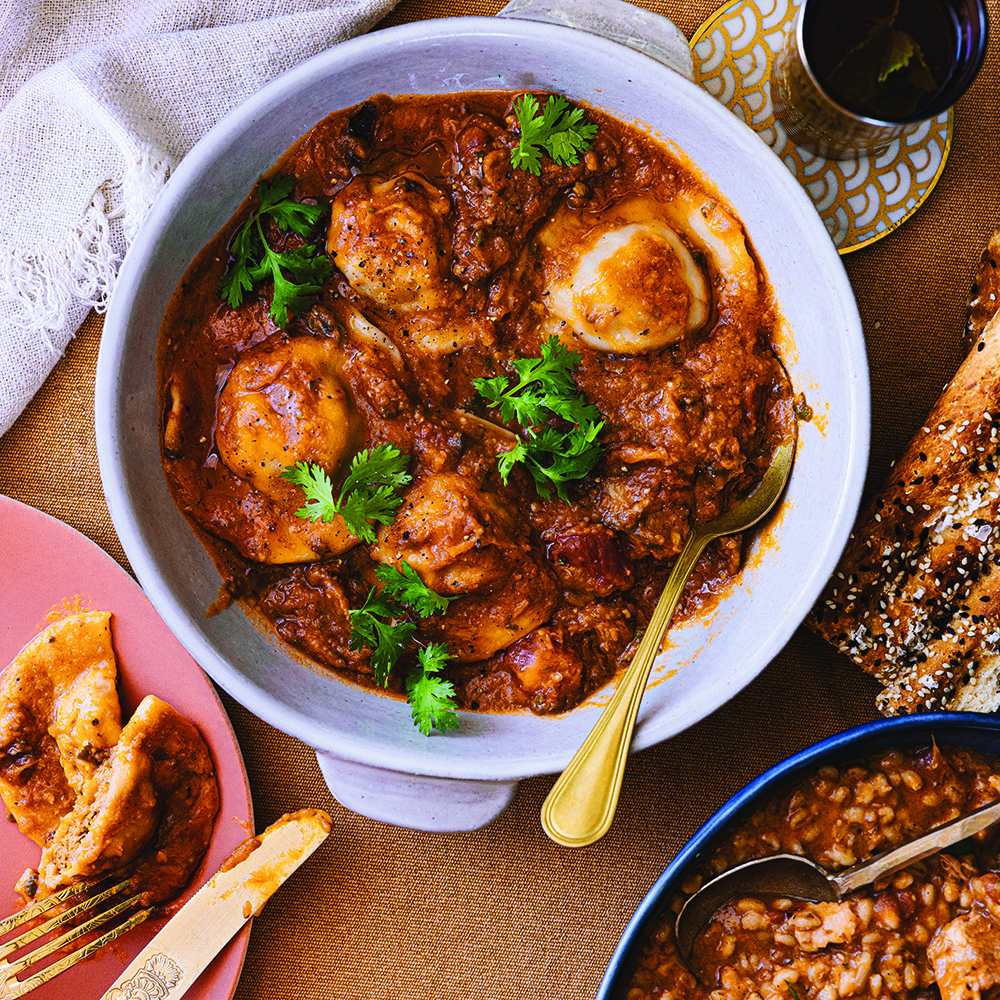
A traditional serving of Matazeez — Najdi dumpling stew with tender lamb, vegetables, and hand-rolled whole wheat dumplings in a rich broth.
Cultural Significance in Saudi Arabia
Matazeez holds a special place in Saudi social and family life. It is not merely a dish you prepare for an ordinary weekday meal — it is a centerpiece for gatherings, celebrations, and moments of togetherness. During the holy month of Ramadan, many Saudi families include Matazeez in their iftar spreads, valuing its combination of carbohydrates, protein, and hydration that helps replenish energy after a day of fasting.
The preparation of Matazeez is often a communal activity. In traditional households, you will find multiple generations gathered around the kitchen, with grandmothers teaching younger family members the precise technique for rolling and flattening the dough. This oral transmission of culinary knowledge is a cornerstone of Saudi comfort food culture and ensures that authentic recipes are preserved through generations.
Weddings, Eid celebrations, and winter gatherings frequently feature Matazeez as a main course. Its hearty nature makes it particularly popular during the cooler months from November to February, when families across the Kingdom seek warming, nourishing meals to share. The dish has also gained recognition on the international stage, with Saudi chefs showcasing traditional Najdi food at global culinary events and food festivals.
"Matazeez is not just food; it is a story of our land, our people, and our heritage. Every bowl carries the memory of generations who gathered around it." — Saudi Culinary Heritage Expert, Najd Cultural Center
Key Ingredients You Need for Authentic Matazeez
Understanding the essential Matazeez ingredients is crucial for achieving an authentic flavor profile. Each component contributes to the dish's signature taste and texture. Here is a comprehensive breakdown of what you will need:
For the Dough (Dumplings)
- Whole wheat flour: 3 cups — the foundation of authentic Najdi dumplings, providing a nutty flavor and hearty texture. Traditional recipes exclusively use whole wheat, never white flour.
- Water: 1 to 1.5 cups — used to bring the dough together. The water should be at room temperature for optimal gluten development.
- Salt: 1 teaspoon — enhances the dough's flavor and strengthens the gluten structure.
- Optional — ghee or olive oil: 1 tablespoon — adds richness and prevents the dough from drying out during resting.
For the Stew Base
- Lamb (bone-in cuts preferred): 1 kg — the traditional protein choice for lamb stew with dumplings. Shoulder, shank, or neck cuts work best as they release collagen during slow cooking.
- Tomatoes (fresh or puréed): 4 medium-sized — create the stew's reddish-brown base and add natural acidity.
- Onions: 2 large — provide the aromatic foundation.
- Garlic: 6 cloves — essential for depth of flavor.
- Carrots: 2 large — add sweetness and nutrition.
- Zucchini: 2 medium — contribute texture and moisture.
- Eggplant (optional but traditional): 1 medium — adds a creamy, slightly smoky note.
- Tomato paste: 2 tablespoons — intensifies the tomato flavor and adds color.
For the Spice Blend (Baharat-style)
- Ground cumin: 1 teaspoon — earthy and warm.
- Ground coriander: 1 teaspoon — citrusy and aromatic.
- Ground cinnamon: 1/2 teaspoon — subtle sweetness.
- Ground black pepper: 1/2 teaspoon — mild heat.
- Ground turmeric: 1/2 teaspoon — golden color and anti-inflammatory properties.
- Dried lime (loomi): 2 whole — a signature Saudi ingredient that imparts a unique tangy, smoky flavor.
- Salt: to taste.
💡 Pro Tip: If you cannot find dried lime (loomi) in your local Middle Eastern grocery store, you can substitute with 1 tablespoon of fresh lime juice and a pinch of smoked paprika. However, for truly authentic Matazeez, sourcing loomi is worth the effort — its flavor is irreplaceable.

The essential Matazeez ingredients — whole wheat flour for dumplings, bone-in lamb, fresh vegetables, and traditional Saudi spices.
Step-by-Step Matazeez Recipe Guide
Now that you understand the ingredients, let us walk through the complete Matazeez recipe step by step. This guide is designed for home cooks of all skill levels and provides clear instructions for achieving restaurant-quality results. The total cooking time is approximately 2.5 to 3 hours, though most of this is hands-off simmering.
Part 1: Preparing the Dough
- Mix the dry ingredients: In a large mixing bowl, combine the whole wheat flour and salt thoroughly with a whisk or fork.
- Add water gradually: Slowly pour water into the flour mixture while kneading with your hands. You are looking for a firm, slightly elastic dough that does not stick to your fingers.
- Knead thoroughly: Knead the dough for 8 to 10 minutes on a lightly floured surface. The gluten needs adequate development for the dumplings to hold their shape during cooking.
- Rest the dough: Cover the dough with a damp cloth and let it rest for at least 30 minutes. This resting period allows the gluten to relax, making the dough easier to roll out.
Part 2: Building the Stew Base
- Brown the lamb: Heat 2 tablespoons of ghee or oil in a large, heavy-bottomed pot over medium-high heat. Add the lamb pieces and sear them on all sides until deeply browned — approximately 8 to 10 minutes. Remove the lamb and set aside.
- Sauté the aromatics: In the same pot, add the chopped onions and sauté until they turn golden and translucent, about 5 minutes. Add the minced garlic and cook for another 30 seconds until fragrant.
- Add the spices: Stir in the ground cumin, coriander, cinnamon, black pepper, and turmeric. Cook the spices with the onions for 1 minute to release their essential oils — this step is crucial for developing deep flavor.
- Return the lamb and add liquids: Place the browned lamb back into the pot. Add the tomato purée, tomato paste, and enough water to cover the meat by about 2 inches. Drop in the dried limes.
- Simmer slowly: Bring the pot to a boil, then reduce the heat to low. Cover and let the stew simmer gently for 1.5 to 2 hours, or until the lamb is tender enough to pull apart with a fork. Stir occasionally to prevent sticking.
Part 3: Adding Vegetables and Dumplings
- Add the vegetables: Once the lamb is tender, add the carrots, zucchini, and eggplant (if using) to the stew. Let them cook for 10 minutes while you prepare the dumplings.
- Shape the dumplings: Take the rested dough and divide it into small portions, roughly the size of a walnut. Roll each portion into a ball, then flatten it with your palm or a rolling pin into a thin disc about 3 inches in diameter. The dumplings should be approximately 1/4 inch thick.
- Add the dumplings to the stew: Gently place each flattened dumpling into the simmering stew. Avoid stirring immediately after adding them, as this can cause the dumplings to break apart. Allow them to cook undisturbed for 5 minutes.
- Continue cooking: After the initial 5 minutes, gently stir the stew to ensure the dumplings are not sticking to the bottom. Continue simmering for another 15 to 20 minutes, or until the dumplings are cooked through and have absorbed some of the broth.
- Final seasoning: Taste the stew and adjust salt and pepper as needed. The broth should have thickened slightly from the starch released by the dumplings.
- Rest before serving: Turn off the heat and let the stew rest for 10 minutes before serving. This allows the flavors to meld and the dumplings to absorb more of the aromatic broth.

The traditional technique of flattening dough into thin, round dumplings — a defining characteristic of authentic Matazeez.
⚠️ Important Note: Do not overwork the dough when shaping the dumplings. Excessive handling develops too much gluten, resulting in tough, rubbery dumplings. Handle each piece gently and roll it out only once or twice.
Nutritional Benefits of Matazeez
Beyond its delicious flavor, Matazeez offers substantial nutritional value that has sustained Saudi families for generations. Understanding these benefits helps explain why this Arabic dumpling stew remains a dietary staple in the Kingdom.
A single serving of Matazeez (approximately 400g) provides roughly 450–550 calories, with a balanced macronutrient profile: 25–30g of protein from the lamb, 45–55g of carbohydrates from the whole wheat dumplings, and 15–20g of healthy fats. The use of whole wheat flour in the dumplings provides significantly more dietary fiber than refined alternatives — approximately 6–8g per serving — which supports digestive health and promotes satiety.
The vegetable component of the stew — tomatoes, carrots, zucchini, and eggplant — contributes essential vitamins and minerals. Tomatoes provide lycopene, a powerful antioxidant; carrots supply beta-carotene for eye health; and the combination of vegetables delivers potassium, vitamin C, and folate. The slow-cooking method also preserves water-soluble nutrients better than high-heat cooking techniques.
Expert Tips and Tricks for Perfect Dumplings
Mastering the art of Matazeez takes practice, but these professional insights will significantly improve your results from the very first attempt. Whether you are new to how to make authentic Matazeez at home or refining your existing technique, these tips address common challenges.
Dough Consistency Is Critical
The dough for your Najdi dumplings should feel firm but pliable — similar to pasta dough. If it is too soft, the dumplings will disintegrate in the stew; too dry, and they will become tough and unpleasant. A good test: press your finger into the rested dough. The indentation should spring back slowly. If it springs back quickly, the dough is too firm; add a teaspoon of water at a time. If it does not spring back at all, knead in a little more flour.
Timing the Dumpling Addition
Adding the dumplings too early or too late affects both their texture and the stew's consistency. The ideal moment is when the lamb is fully tender and the vegetables are about 50% cooked. This timing ensures the dumplings absorb maximum flavor from the broth without becoming mushy from overcooking.
Managing the Broth Thickness
The starch released from the dumplings naturally thickens the stew as it cooks. However, if you find your broth becoming too thick before the dumplings are fully cooked, add a splash of hot water or lamb stock. Conversely, if the broth remains too thin after the dumplings are done, remove the lid and simmer for an additional 5 to 10 minutes to reduce the liquid.
💡 Advanced Tip: Some traditional cooks add a small amount of leftover dough scraps to the broth during the final simmer. These scraps dissolve and create a naturally thickened, silky texture that coats the dumplings beautifully. Try this technique if you enjoy a heartier, more rustic consistency.
Matazeez vs Other Dumpling Stews: A Comparison
If you are familiar with other Middle Eastern stew recipes or international dumpling dishes, you might wonder how Matazeez differs. The comparison table below highlights the key distinctions between Matazeez and other popular dumpling stews from around the world, helping you understand what makes this Najdi dumpling stew truly unique.
This comparison reveals why Matazeez stands apart in the world of dumpling stews. The combination of whole wheat flat dumplings, lamb, dried lime, and the specific vegetable medley creates a flavor profile that is unmistakably Saudi and deeply tied to the Najd region's culinary identity.
Regional Variations Across Saudi Arabia
While Matazeez is most strongly associated with the Najd region, variations of this Saudi traditional food exist throughout the Kingdom. Each region adds its own distinctive touch, reflecting local tastes and ingredient availability.
Qassim Province
In Qassim, cooks often add pumpkin or butternut squash to the stew, giving it a subtle sweetness and a more vibrant orange-red color. The dumplings in this variation tend to be slightly thicker, providing a chewier texture that locals prefer.
Eastern Province
Coastal communities in the Eastern Province sometimes prepare a seafood version, substituting fish or shrimp for lamb. While this deviates from tradition, it demonstrates the adaptability of the dish and its integration into diverse regional cuisines.
Modern Urban Interpretations
In cities like Riyadh and Jeddah, contemporary chefs are experimenting with vegetarian Matazeez, using mushroom or chickpea-based broths and adding leafy greens like spinach or kale. These innovations keep the dish relevant for younger generations and health-conscious diners while respecting its traditional roots.
Future Trends and Vision 2030 Connection
The future of Matazeez is intrinsically linked to Saudi Arabia's broader cultural and economic transformation under Vision 2030. This ambitious national initiative aims to diversify the economy and promote Saudi culture globally, and food plays a central role in this mission.
The Saudi Culinary Arts Commission, established as part of Vision 2030, has identified traditional dishes like Matazeez as key cultural exports. The commission has documented over 500 traditional Saudi recipes and is working to promote them through international food festivals, culinary exchange programs, and tourism initiatives. As Saudi Arabia opens its doors to more international visitors, dishes like Matazeez are positioned to become global ambassadors of Najdi cuisine.
Restaurants specializing in traditional Saudi food are also expanding internationally, with several notable openings in London, Dubai, and New York featuring Matazeez on their menus. This globalization of Saudi comfort food introduces new audiences to the dish while creating opportunities for culinary innovation and cross-cultural exchange.
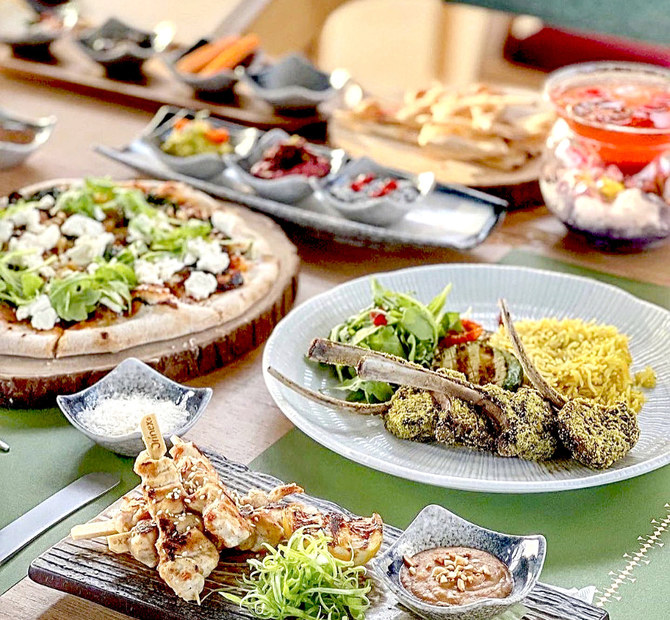
Modern Saudi restaurants are elevating Matazeez with refined presentations while honoring traditional flavors — a reflection of Vision 2030's cultural goals.
Frequently Asked Questions About Matazeez
Here are the most common questions people ask about Matazeez and how to make authentic Matazeez at home. These answers provide practical guidance for both beginners and experienced cooks.
Can I make Matazeez without lamb?
Yes, you can substitute lamb with beef, chicken, or even make a vegetarian version. While lamb is traditional and provides the most authentic flavor, beef chuck or chicken thighs work well. For a vegetarian Matazeez, use a rich vegetable broth and add mushrooms for umami depth. Adjust cooking times accordingly — chicken requires less time than lamb, while beef may need a similar simmering period.
How do I store and reheat leftover Matazeez?
Store leftover Matazeez in an airtight container in the refrigerator for up to 3 days. To reheat, gently warm it on the stovetop over low heat, adding a splash of water or broth to thin the stew if needed. Avoid microwaving at high power, as this can make the dumplings rubbery. The flavors actually improve after a day in the refrigerator as the spices continue to meld.
Can I use white flour instead of whole wheat for the dumplings?
While you can use white flour, it is not recommended if you want authentic Matazeez. Whole wheat flour gives the dumplings their characteristic nutty flavor, hearty texture, and higher nutritional value. If whole wheat seems too dense, try a 50/50 blend of whole wheat and all-purpose flour as a compromise.
What is the difference between Matazeez and Jareesh?
While both are traditional Saudi comfort foods, they are quite different. Jareesh is a porridge-like dish made from crushed wheat cooked with yogurt and meat, resulting in a creamy consistency. Matazeez, on the other hand, features distinct dumplings in a tomato-based stew. Jareesh is softer and creamier, while Matazeez offers more varied textures with its tender lamb, vegetables, and chewy dumplings.
Is Matazeez gluten-free?
Traditional Matazeez is not gluten-free because the dumplings are made from whole wheat flour. However, you can create a gluten-free adaptation using a blend of rice flour, tapioca starch, and xanthan gum. The texture will differ slightly, but the stew itself remains delicious. Always check that your spice blends are certified gluten-free as well.
Can I prepare Matazeez in a slow cooker or pressure cooker?
Yes, both methods work well. For a slow cooker: brown the lamb and sauté the aromatics on the stovetop first, then transfer everything to the slow cooker and cook on low for 6–7 hours. Add the vegetables and dumplings during the last 45 minutes. For a pressure cooker: cook the lamb for 25–30 minutes at high pressure, release, then add vegetables and dumplings and simmer uncovered for 15 minutes.
Conclusion
Matazeez represents the soul of Saudi Arabian home cooking — a dish that brings together family, tradition, and the warmth of shared meals. This Najdi dumpling stew has journeyed from Bedouin campfires to international restaurant menus, yet it retains the authentic character that has made it beloved for centuries. By learning to prepare Matazeez in your own kitchen, you are not just cooking a meal — you are participating in a living culinary tradition that continues to evolve while honoring its roots.
The combination of tender lamb, aromatic spices, hearty vegetables, and hand-rolled dumplings creates a symphony of flavors and textures that is both comforting and sophisticated. Whether you serve it at a family gathering, during Ramadan, or simply on a cold evening when you crave something deeply satisfying, Matazeez delivers an experience that nourishes both body and spirit. We encourage you to try this authentic Saudi Najdi dumpling stew recipe and discover why it has captured the hearts of food lovers across the Middle East and beyond.
🍲 Ready to Cook Authentic Matazeez?
Gather your ingredients, follow our step-by-step guide, and bring the taste of Saudi Arabia to your table today. Share your results with family and friends — and don't forget to explore more traditional Saudi recipes!
Browse More Saudi Recipes Share Your Experience