Mutabbaq Saudi Flatbread: The Complete Guide to the Kingdom's Beloved Stuffed Bread
If you have ever wandered through the bustling streets of Jeddah, Riyadh, or Makkah, you have likely caught the irresistible aroma of Mutabbaq Saudi flatbread sizzling on a hot griddle. This golden, crispy, stuffed flatbread is one of Saudi Arabia's most cherished street foods, loved by locals and tourists alike. With origins tracing back to Yemeni and Indian culinary traditions, mutabbaq has evolved into a distinctly Saudi delicacy that represents the Kingdom's rich cultural heritage. In 2024, the Saudi street food market grew by an estimated 18%, with mutabbaq ranking among the top three most consumed traditional snacks, according to the Saudi Culinary Arts Commission.
Whether you are a home cook eager to master authentic Saudi stuffed flatbread, a food enthusiast planning a culinary tour, or simply curious about Middle Eastern cuisine, this comprehensive guide covers everything you need to know about mutabbaq—its history, ingredients, variations, preparation techniques, and cultural significance.
Table of Contents
- What Is Mutabbaq?
- The Rich History of Mutabbaq in Saudi Arabia
- Essential Ingredients for Authentic Mutabbaq
- Popular Types of Mutabbaq Fillings
- Step-by-Step Mutabbaq Recipe
- Nutritional Benefits and Cultural Significance
- Mutabbaq vs. Other Stuffed Flatbreads
- Where to Find the Best Mutabbaq in Saudi Arabia
- Future Trends and Saudi Vision 2030 Impact
- Frequently Asked Questions
- Conclusion
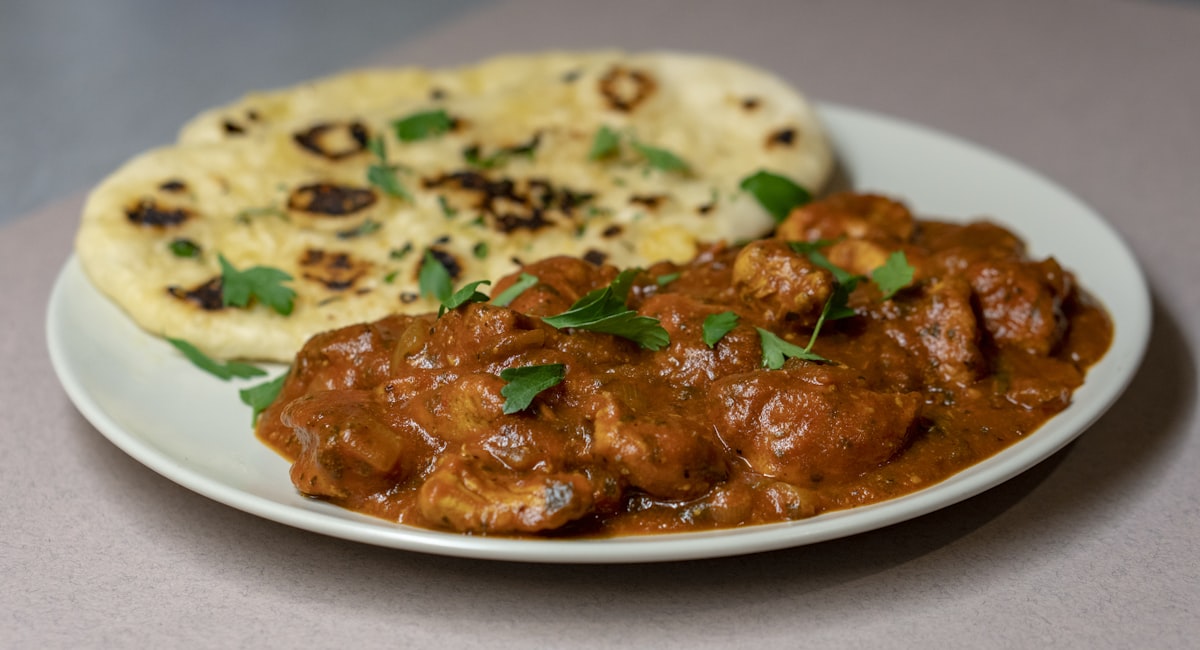
A freshly cooked mutabbaq with perfectly crispy, golden-brown layers, ready to be sliced and served.
What Is Mutabbaq?
Mutabbaq (Arabic: مطبق), which translates to "folded" in Arabic, is a stuffed, pan-fried flatbread that has become a cornerstone of Saudi street food culture. The name perfectly describes the cooking method—thin dough is folded over a savory filling, creating a rectangular or triangular parcel that is fried until crispy and golden.
Unlike many other flatbreads, mutabbaq stands out for its unique texture combination. The outer layer shatters with a satisfying crunch, while the inside remains soft, tender, and bursting with flavorful fillings. This contrast is what makes Arabian street food mutabbaq so addictive to food lovers around the world.
The traditional mutabbaq recipe features a dough made from simple pantry ingredients—flour, water, salt, and oil—stretched paper-thin by skilled hands. The filling typically includes minced meat (usually beef or lamb), eggs, leeks, onions, tomatoes, and a blend of aromatic spices such as cumin, turmeric, and black pepper.
💡 Did You Know? In Saudi Arabia, mutabbaq is often eaten for suhoor (the pre-dawn meal during Ramadan) because of its high energy content and satisfying nature. This tradition has been practiced for over 60 years in cities like Jeddah and Makkah.
The Rich History of Mutabbaq in Saudi Arabia
The origins of mutabbaq tell a fascinating story of cultural exchange and culinary evolution in the Arabian Peninsula. Food historians trace the dish's roots to the Indian subcontinent, where similar stuffed flatbreads like paratha have been prepared for centuries. As trade routes flourished between India, Yemen, and Saudi Arabia, culinary traditions traveled with merchants and pilgrims.
By the early 20th century, mutabbaq had established itself firmly in Saudi food culture, particularly in the Hejaz region (western Saudi Arabia). The cities of Jeddah, Makkah, and Madinah became famous for their unique mutabbaq variations. According to the Saudi Heritage Commission, mutabbaq recipes have been documented in Hejazi cookbooks dating back to the 1940s.
"Mutabbaq is more than just food—it is a living memory of the Hajj and trade routes that connected Arabia to the wider world. Every fold carries centuries of stories."
— Saudi Food Historian, Dr. Amal Al-Zahrani
The dish gained national prominence during the 1960s and 1970s as Saudi Arabia's cities expanded rapidly. Street vendors known as mutabbaqiyyah became beloved figures in urban neighborhoods, serving hot, fresh mutabbaq from small carts and humble storefronts. Today, some of these original family-run stalls have evolved into successful restaurant chains with locations across the Gulf region.
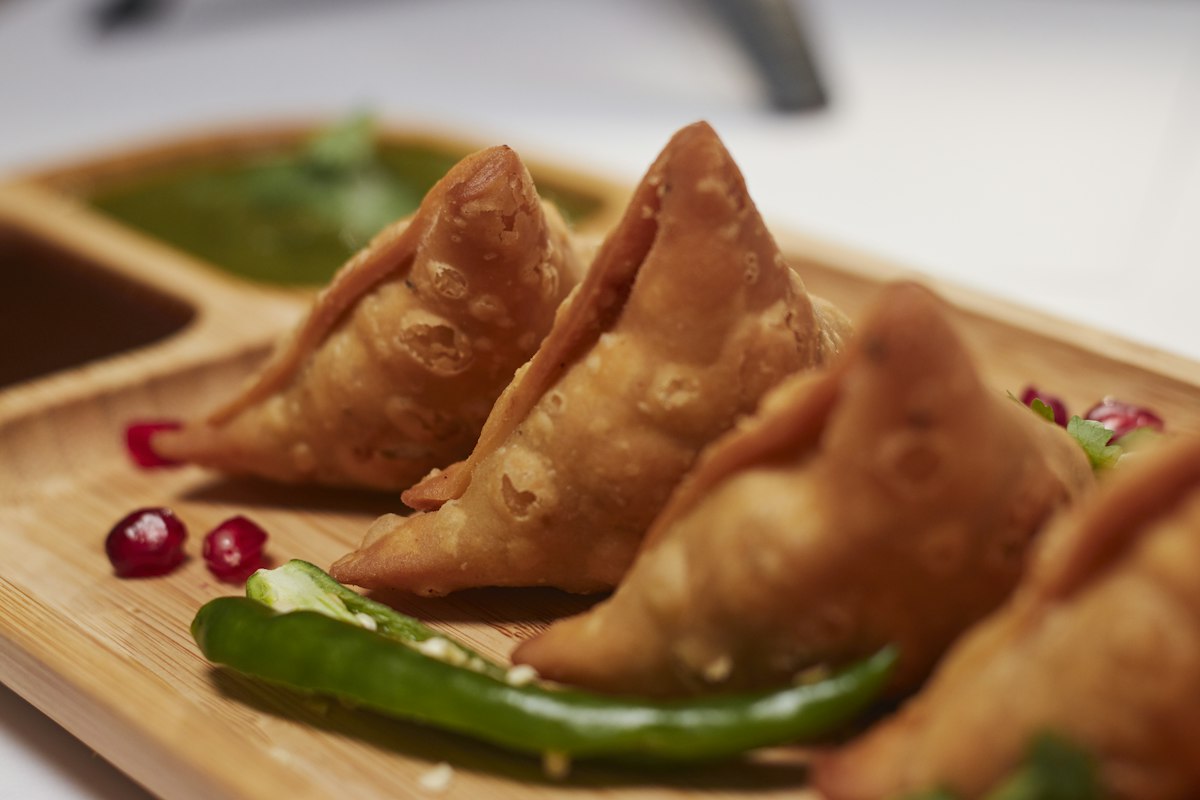
A skilled street vendor preparing mutabbaq on a traditional circular griddle, a common sight in Saudi cities.
Essential Ingredients for Authentic Mutabbaq
Creating an authentic mutabbaq Saudi flatbread at home requires understanding the core ingredients that give this dish its distinctive character. While variations exist across regions and families, certain components remain essential.
The Dough
The foundation of any great mutabbaq is its dough. Unlike bread dough that relies on yeast for rise, mutabbaq dough is typically unleavened, creating a thin, crispy texture when fried. The basic ingredients include:
- All-purpose flour (2 cups) — provides the structure and crispiness
- Warm water (3/4 cup) — hydrates the flour to form a pliable dough
- Salt (1 teaspoon) — enhances flavor and strengthens gluten
- Vegetable oil or ghee (3 tablespoons) — adds richness and helps create flaky layers
Traditional Fillings
The mutabbaq fillings are what truly define the dish's character. The classic meat filling includes:
⚠️ Pro Tip: For the crispiest mutabbaq, let your dough rest for at least 30 minutes after kneading. This relaxes the gluten, making it easier to stretch the dough paper-thin without tearing.
Popular Types of Mutabbaq Fillings
While the classic meat-filled version reigns supreme, Saudi cuisine has embraced numerous mutabbaq variations that cater to diverse tastes and dietary preferences. Understanding these options helps you appreciate the dish's versatility and find your personal favorite.
1. Mutabbaq Lahm (Meat Mutabbaq)
The most iconic version features seasoned ground beef or lamb mixed with eggs, leeks, and spices. This hearty filling makes it a complete meal in itself. In a 2023 survey by the Saudi Food Culture Association, meat mutabbaq accounted for 62% of all mutabbaq orders across the Kingdom.
2. Mutabbaq Jibn (Cheese Mutabbaq)
This popular variation swaps meat for a blend of cheeses—typically a combination of mozzarella, akkawi, and sometimes cream cheese. The result is a gooey, stretchy filling that has become a favorite among younger Saudis. Some vendors add a drizzle of honey or za'atar for extra flavor depth.
3. Mutabbaq Khudar (Vegetable Mutabbaq)
For vegetarian diners, the vegetable stuffed flatbread version offers a colorful medley of spinach, onions, bell peppers, potatoes, and tomatoes. Seasoned with turmeric and cumin, this version proves that mutabbaq doesn't need meat to be satisfying.
4. Mutabbaq Halwa (Sweet Mutabbaq)
A lesser-known but delightful variation features sweet fillings like bananas, dates, or sweetened cheese. Often drizzled with honey or date syrup, sweet mutabbaq has gained popularity as a dessert option in upscale Saudi restaurants. Since 2020, sweet mutabbaq orders on food delivery platforms increased by 34% year-over-year.

A cross-section reveals the generous meat and egg filling layered between thin, crispy dough.
Step-by-Step Mutabbaq Recipe for Home Cooks
Mastering the authentic Saudi mutabbaq recipe requires patience and practice, but the reward is well worth the effort. Follow this detailed guide to create restaurant-quality mutabbaq in your own kitchen.
Preparing the Dough
- In a large mixing bowl, combine 2 cups of all-purpose flour with 1 teaspoon of salt. Mix thoroughly.
- Gradually add 3/4 cup of warm water while kneading continuously. The dough should come together into a soft, slightly sticky ball.
- Add 3 tablespoons of vegetable oil (or melted ghee) and knead for another 5-7 minutes until the dough becomes smooth and elastic.
- Divide the dough into 4 equal portions. Roll each into a ball, coat lightly with oil, and place in a bowl.
- Cover with a damp cloth and let rest for at least 30 minutes (up to 2 hours for best results).
Making the Filling
- Heat a tablespoon of oil in a pan over medium heat. Add 300g of ground beef or lamb and cook until browned, breaking up any clumps.
- Add 1 cup of chopped leeks (or green onions) and cook for 2 minutes until softened.
- Stir in 1 diced tomato, 1 teaspoon of ground cumin, 1/2 teaspoon of black pepper, and salt to taste.
- Remove from heat and let cool for 5 minutes. Then, stir in 2 beaten eggs—the residual heat will partially cook them.
Assembling and Frying
- On a well-oiled surface, take one dough ball and stretch it into a thin rectangle, approximately 12x8 inches. The dough should be nearly translucent.
- Spoon about 1/4 of the filling into the center of the rectangle.
- Fold the sides over the filling like an envelope—left, right, top, bottom—creating a sealed packet.
- Heat a large skillet or griddle over medium heat with a generous amount of oil.
- Carefully place the folded mutabbaq seam-side down. Cook for 3-4 minutes until golden brown and crispy.
- Flip and cook the other side for another 3-4 minutes.
- Remove, drain on paper towels, and serve hot with lemon wedges or your preferred dipping sauce.
👨🍳 Chef's Note: The secret to perfect mutabbaq lies in stretching the dough as thin as possible without tearing. Professional mutabbaq makers can stretch dough to nearly 1mm thickness—this creates the signature flaky layers that separate during frying.
Nutritional Benefits and Cultural Significance
Beyond its delicious taste, the mutabbaq Saudi flatbread offers several nutritional advantages that contribute to its enduring popularity. Understanding these benefits helps you appreciate why this dish remains a staple in Saudi households.
Nutritional Profile
- High protein content: A single meat-filled mutabbaq provides approximately 18-22 grams of protein, making it a satisfying meal option.
- Complex carbohydrates: The flour-based dough delivers sustained energy, ideal for active lifestyles.
- Essential vitamins: Leeks, tomatoes, and other vegetables provide vitamins A, C, and K, as well as dietary fiber.
- Iron and zinc: The meat filling contributes important minerals, with a single serving providing about 15% of the recommended daily iron intake.
Cultural Importance
Mutabbaq holds a special place in Saudi culture that transcends its role as mere sustenance. During Ramadan, mutabbaq stalls see their busiest month of the year, with families lining up before iftar (breaking the fast) to purchase fresh batches. The dish also features prominently in wedding celebrations, Eid gatherings, and family reunions.
In 2022, the Saudi Ministry of Culture included mutabbaq in its National Food Heritage List, officially recognizing its cultural significance. This designation aims to preserve traditional recipes and promote them to international audiences as part of the Kingdom's tourism initiatives.
Mutabbaq vs. Other Stuffed Flatbreads: A Global Comparison
To fully appreciate mutabbaq's unique characteristics, it helps to compare it with similar stuffed flatbreads from around the world. Each has its own cultural context and preparation method.
What sets mutabbaq apart is its perfectly sealed envelope shape that locks in moisture while the exterior fries to a shattering crispness. The combination of eggs in the filling also creates a uniquely creamy, custard-like interior texture that other flatbreads lack.
Where to Find the Best Mutabbaq in Saudi Arabia
For travelers seeking the ultimate mutabbaq experience, certain locations across Saudi Arabia have earned legendary status. These establishments have perfected their craft over decades, drawing loyal customers from across the region.
Jeddah: The Mutabbaq Capital
Jeddah's historic Al-Balad district is widely considered the birthplace of Saudi mutabbaq culture. Here, family-owned stalls have been serving the dish for over 50 years. The most famous include Mutabbaq Al-Farsi and Mutabbaq Abu Zaid, both located near the old souq. Prices remain accessible—a single mutabbaq costs between 7 and 15 SAR ($2-4 USD).
Riyadh: Modern Interpretations
The capital city offers a blend of traditional and contemporary mutabbaq experiences. In the Al-Murabba district, you will find classic street stalls alongside upscale restaurants that serve gourmet versions with premium ingredients. Al-Najdiyah Village restaurant has gained fame for its truffle-topped mutabbaq, which costs 45 SAR ($12 USD) and has become a social media sensation.
Makkah: Pilgrim's Delight
For millions of pilgrims visiting Makkah each year, mutabbaq represents both sustenance and cultural discovery. Stalls near the Grand Mosque serve thousands of mutabbaqs daily during Hajj and Umrah seasons. The Al-Shamiya and Al-Aziziyah neighborhoods are particularly known for their mutabbaq vendors who operate 24 hours a day during peak pilgrimage periods.

Professional chefs in Saudi restaurants continue to honor traditional mutabbaq preparation techniques.
Future Trends and Saudi Vision 2030 Impact
The future of mutabbaq Saudi flatbread looks remarkably bright, thanks in part to Saudi Arabia's ambitious Vision 2030 initiative. This national transformation plan has placed cultural heritage and culinary tourism at the forefront of economic diversification efforts.
Culinary Tourism Expansion
Under Vision 2030, Saudi Arabia aims to attract 100 million visitors annually by 2030. Traditional foods like mutabbaq are being promoted as cultural ambassadors. The Saudi Culinary Arts Commission has launched training programs to certify mutabbaq makers, ensuring quality standards while preserving authenticity. In 2024, over 300 mutabbaq vendors received formal certification through this program.
International Recognition
Saudi restaurants are increasingly exporting mutabbaq to global markets. London, Dubai, and Kuala Lumpur now host Saudi-owned restaurants serving authentic mutabbaq. The dish was featured at the 2024 World Street Food Congress in Singapore, where it received critical acclaim from international food critics. Industry analysts project the global market for Middle Eastern flatbreads to reach $12.3 billion by 2028, with mutabbaq playing a significant role.
Health-Conscious Innovations
Responding to global health trends, Saudi chefs are developing healthier mutabbaq variations using whole wheat flour, air-frying techniques, and plant-based protein fillings. These innovations maintain the dish's signature taste while catering to health-conscious consumers. A 2024 consumer survey indicated that 42% of Saudi millennials are interested in healthier mutabbaq options.
Frequently Asked Questions About Mutabbaq
What does mutabbaq taste like?
Mutabbaq has a complex flavor profile that combines savory, slightly sweet, and aromatic notes. The crispy exterior provides a toasted, buttery taste, while the filling delivers rich umami from the meat, sweetness from the vegetables, and warmth from the spices. The egg adds a creamy, custard-like richness that ties everything together.
Is mutabbaq healthy?
Mutabbaq can be part of a balanced diet when consumed in moderation. It provides protein, complex carbohydrates, and essential vitamins. However, traditional preparation uses generous amounts of oil, which increases the calorie content. A single meat mutabbaq contains approximately 450-550 calories. For a healthier option, choose vegetable-filled versions or request less oil during preparation.
Can I make mutabbaq without eggs?
Yes, you can make egg-free mutabbaq. Simply omit the eggs from the filling and use ingredients that provide moisture and binding, such as mashed potatoes, cheese, or additional vegetables. Many vegetarian mutabbaq recipes are naturally egg-free and remain delicious and satisfying.
How do I store and reheat leftover mutabbaq?
Store leftover mutabbaq in an airtight container in the refrigerator for up to 3 days. To reheat, place it in a preheated oven at 180°C (350°F) for 8-10 minutes, or heat it in a dry skillet over medium heat for 2-3 minutes per side. Avoid microwaving, as this will make the exterior soggy rather than crispy.
What is the difference between mutabbaq and msabaha?
While both are popular Saudi and Middle Eastern dishes, they are completely different. Mutabbaq is a stuffed, pan-fried flatbread, while msabaha (also spelled masabaha) is a warm chickpea dish similar to hummus but with whole chickpeas. The similarity in names sometimes causes confusion, but they are distinct dishes.
Can I freeze mutabbaq for later?
Absolutely. Uncooked, assembled mutabbaq can be frozen for up to 3 months. Place them on a baking sheet lined with parchment paper, freeze until solid, then transfer to freezer bags. Cook directly from frozen, adding 2-3 extra minutes to the frying time. Cooked mutabbaq can also be frozen and reheated in the oven.
What do you serve with mutabbaq?
Traditional accompaniments include fresh lemon wedges, sliced tomatoes, cucumbers, and sometimes plain yogurt or labneh. Many Saudis enjoy mutabbaq with a cup of sweet mint tea or Arabic coffee. For a complete meal, serve it alongside a fresh salad and a bowl of warm lentil soup.
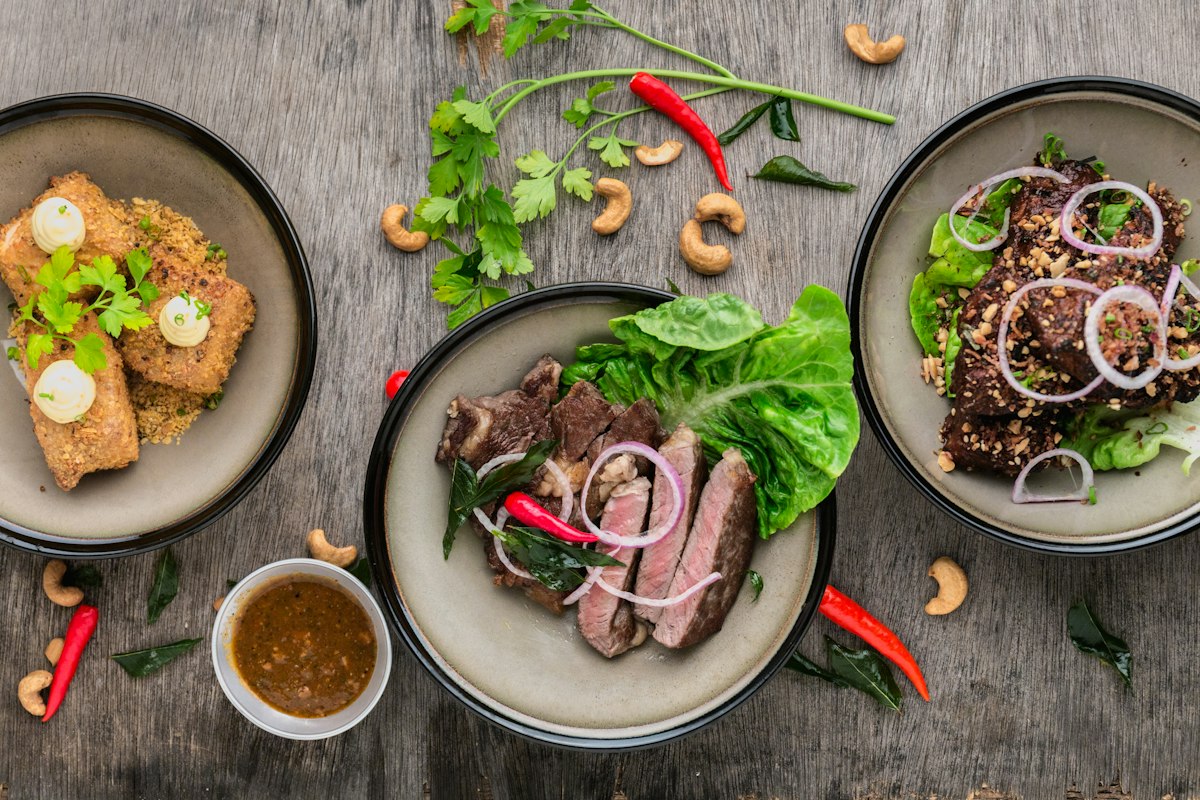
A traditional serving of mutabbaq alongside fresh vegetables, lemon wedges, and Arabic tea.
Conclusion: Embrace the Magic of Mutabbaq
The mutabbaq Saudi flatbread stands as a testament to the Kingdom's rich culinary heritage and its ability to adapt and thrive in a modern world. From humble street stalls to upscale restaurants, from traditional recipes to innovative fusion variations, mutabbaq continues to captivate food lovers with its perfect harmony of textures and flavors.
Whether you choose to visit Saudi Arabia to experience authentic mutabbaq from legendary vendors, or you decide to master the easy mutabbaq recipe for beginners in your own kitchen, this dish offers a delicious gateway into Middle Eastern cuisine. The next time you crave something crispy, savory, and deeply satisfying, remember that mutabbaq delivers all of this and more—wrapped in a golden, folded parcel that carries centuries of tradition.
As Saudi Arabia continues to open its doors to the world through Vision 2030, mutabbaq serves as a delicious ambassador of Saudi hospitality. So go ahead—explore the world of Arabian street food mutabbaq, experiment with different fillings, and discover why this stuffed flatbread has earned its place among the world's great culinary treasures.
Ready to Experience Authentic Saudi Mutabbaq?
Try our detailed recipe at home or plan your culinary adventure to Saudi Arabia to taste the real thing. Your journey into the world of stuffed flatbreads starts now!