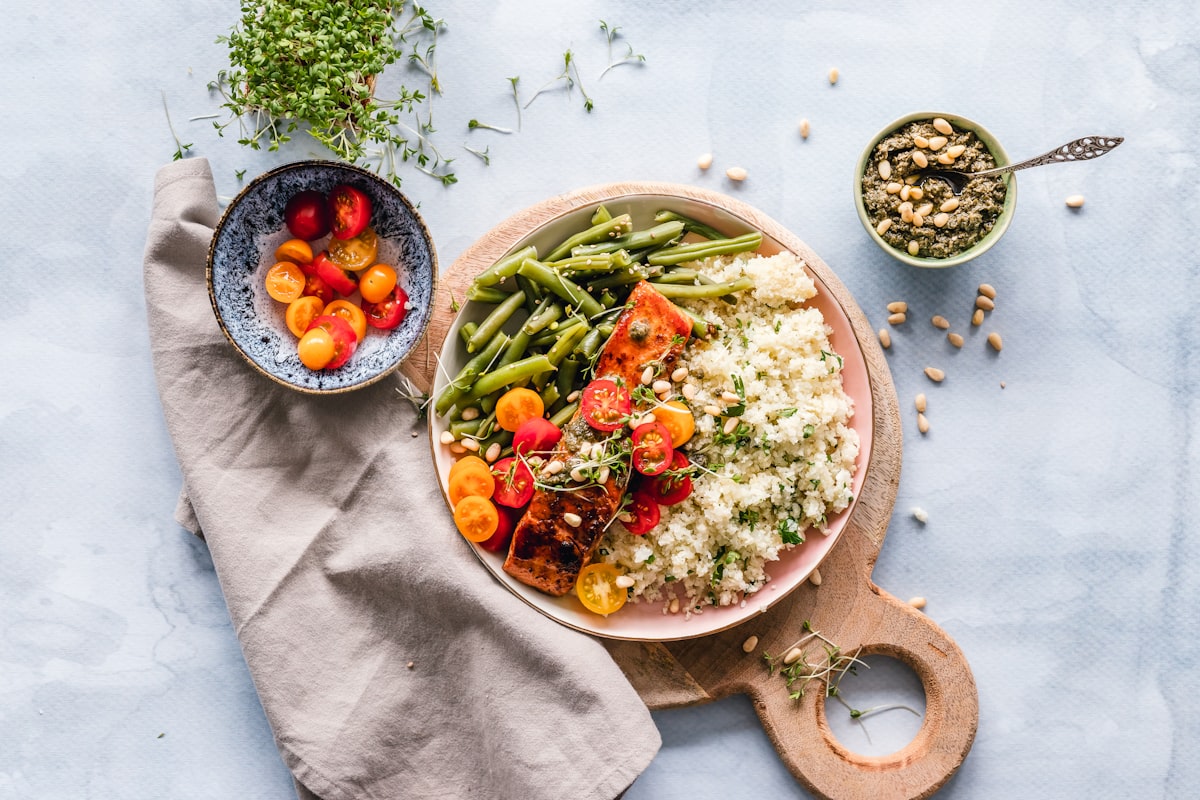
A traditional platter of Qursan featuring thin bread sheets soaked in rich meat broth, topped with tender lamb and fresh vegetables.
Qursan: The Complete Guide to Saudi Arabia's Traditional Layered Bread Dish
Qursan is one of the most cherished dishes in Saudi Arabian cuisine, particularly in the central Najd region. This remarkable dish combines paper-thin bread sheets with a savory meat broth, fresh vegetables, and tender chunks of lamb or chicken. If you have ever wondered about authentic Middle Eastern bread dishes or sought a true taste of Najdi cuisine, understanding Qursan is essential. With over 300 traditional Saudi dishes documented by culinary historians, Qursan stands out for its unique texture and deep cultural roots. In this comprehensive guide, you will discover everything about this traditional Saudi food — from its fascinating history to step-by-step cooking instructions that bring authentic flavors to your kitchen.
📋 Table of Contents
- ➤ What Is Qursan?
- ➤ The Rich History and Cultural Significance
- ➤ Essential Ingredients for Authentic Qursan
- ➤ Step-by-Step Qursan Recipe Guide
- ➤ Nutritional Profile and Health Benefits
- ➤ Regional Variations Across Saudi Arabia
- ➤ Qursan vs. Other Saudi Dishes
- ➤ Expert Tips and Common Mistakes
- ➤ Frequently Asked Questions
What Is Qursan?
Qursan (also spelled Qursan or Gursan) is a traditional Saudi Arabian dish made from very thin, crepe-like bread sheets that are torn into pieces and layered in a pot with a richly spiced meat and vegetable broth. The bread absorbs the flavorful liquid, creating a soft, almost dumpling-like texture that is both comforting and deeply satisfying.
Unlike other bread-based dishes that use pre-baked or dried bread, Qursan uses freshly made thin bread sheets cooked on a hot griddle. These sheets — known as Qursan bread — are the defining element of the dish. The name itself derives from the Arabic word "qars," meaning "disc" or "thin round shape," referring to the circular form of the bread sheets.
In traditional Najdi cuisine, Qursan is typically prepared during family gatherings, Ramadan iftars, and special occasions like Eid celebrations. A recent survey conducted by the Saudi Culinary Arts Commission in 2023 identified Qursan among the top 15 most recognized traditional dishes in the Kingdom, with over 72% of respondents in the central region reporting they prepare it at least once a month.
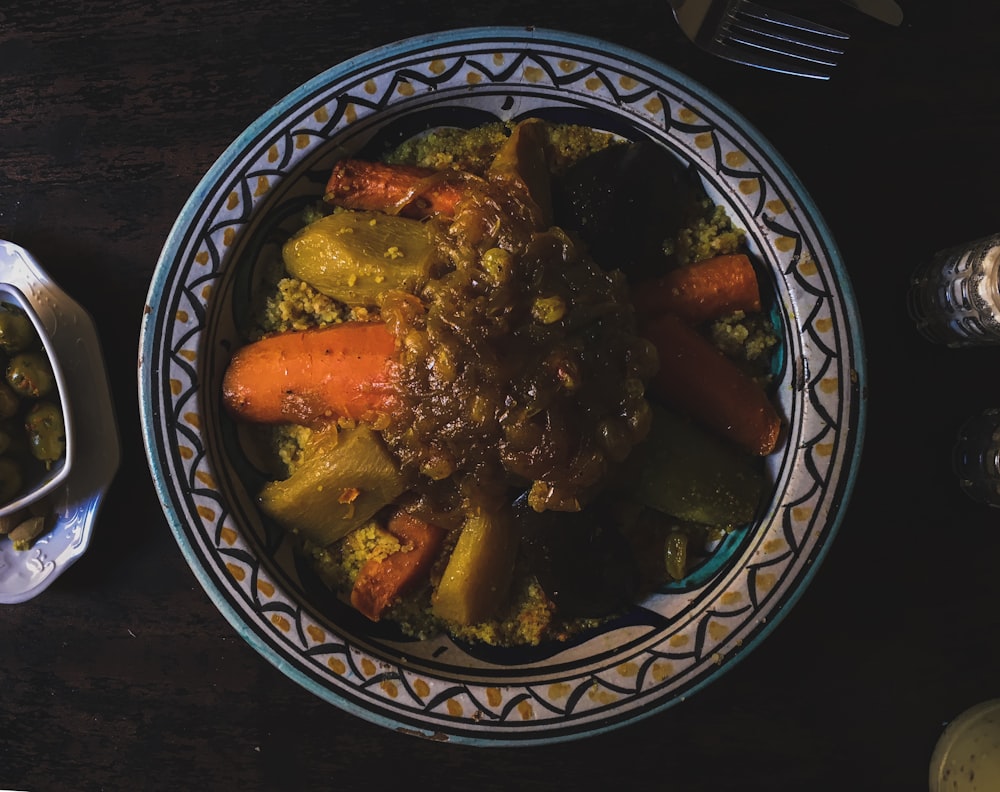
Fresh Qursan bread sheets are cooked on a traditional saj griddle until lightly golden, creating the signature thin texture needed for this dish.
The magic of Qursan lies in its transformation. What begins as crisp, paper-thin bread becomes tender and silky after absorbing the aromatic broth. Each bite delivers a perfect harmony of textures and flavors — the softness of soaked bread, the tenderness of slow-cooked meat, and the subtle sweetness of vegetables like okra, zucchini, and carrots.
Why Qursan Is Unlike Any Other Bread Dish
While many cuisines feature bread-based dishes — from Italian ribollita to Middle Eastern fatteh — Qursan stands apart for several reasons. The bread is purpose-made for the dish, cooked fresh rather than stale or toasted. The broth is lighter than a stew but more substantial than a soup. And the layering technique creates a beautiful visual presentation that makes it worthy of festive tables.
Moreover, Qursan represents a complete meal in one pot. The combination of carbohydrates from the bread, protein from the meat, and vitamins from the vegetables means you are getting balanced nutrition without the need for multiple side dishes. For families seeking authentic Saudi food culture experiences, Qursan offers an accessible entry point.
The Rich History and Cultural Significance of Qursan
The history of Qursan stretches back centuries, deeply intertwined with the agricultural and nomadic traditions of the Arabian Peninsula. Historical records from the Najd region dating back to the 18th century mention dishes remarkably similar to modern Qursan, suggesting this dish has been nourishing generations for over 250 years.
In the harsh desert climate of central Arabia, wheat was among the few crops that could be cultivated reliably. Families would grind their wheat harvest into flour, which became the foundation for countless dishes, including Qursan bread. The thin bread sheets were an ingenious solution to limited fuel resources — they required less cooking time than thicker breads, saving precious firewood in a region where resources were scarce.
"Qursan is more than a dish — it is a testament to the resilience and creativity of Najdi women who transformed simple ingredients into something extraordinary. Every layer of bread tells a story of patience, tradition, and love."
— Saudi Food Historian, Dr. Noura Al-Sudairi, from "Traditional Foods of Central Arabia" (2019)
Traditionally, Qursan was prepared by women who gathered in the afternoon to cook together. This communal cooking ritual strengthened social bonds and ensured knowledge passed from one generation to the next. Even today, you will find grandmothers teaching their grandchildren the precise technique of spreading the batter into perfect circles — a skill that requires practice and patience.
The dish gained national recognition in 2022 when the Saudi Culinary Arts Commission included Qursan in its "Saudi Traditional Foods" initiative, aiming to document and preserve authentic recipes across the Kingdom. According to the Commission's data, approximately 1.2 million Saudi households prepare some form of Qursan regularly, making it one of the most widely consumed traditional dishes in the country.
📌 Historical Note: In pre-refrigeration times, the thin Qursan bread sheets served a practical purpose beyond flavor. They could be dried and stored for weeks, then rehydrated in broth during times when fresh bread was unavailable. This preservation method was essential for survival during long desert journeys and harsh winters.
Qursan in Modern Saudi Society
Today, Qursan has transcended its humble origins to become a symbol of Saudi hospitality and cultural identity. It appears on the menus of upscale restaurants in Riyadh and Jeddah, presented alongside international cuisine with modern plating techniques. Simultaneously, it remains a beloved home-cooked meal that connects younger generations to their heritage.
The Saudi Vision 2030 cultural preservation initiatives have further elevated traditional foods like Qursan. The government has invested over $100 million in documenting, promoting, and internationalizing Saudi cuisine. Qursan has been featured at international food festivals in Paris, Tokyo, and New York, introducing global audiences to this remarkable dish.
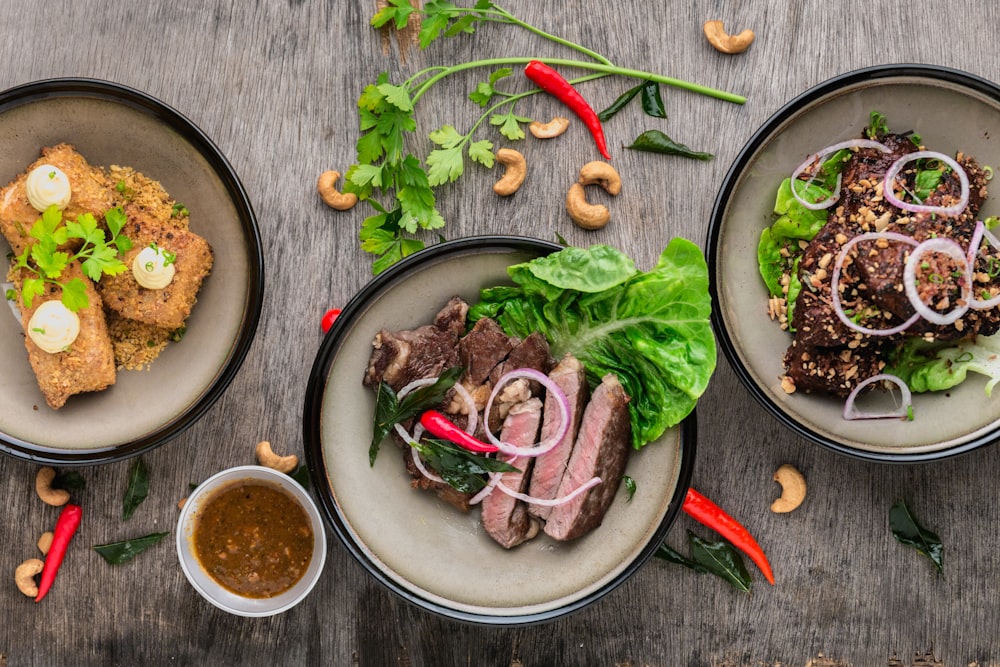
Essential Qursan ingredients: tender lamb, fresh okra, zucchini, carrots, wheat flour for the bread, and aromatic spices blend together in perfect harmony.
Essential Ingredients for Authentic Qursan
Creating authentic Qursan at home requires understanding each component's role. The dish has three main elements: the bread, the broth, and the toppings. Here is what you need to know about each.
For the Qursan Bread
- Wheat flour — Use fine, high-protein flour for the best texture. Traditional recipes often use a blend of white and whole wheat flour for added depth.
- Water — Lukewarm water helps activate the gluten, creating a smooth, pourable batter.
- Salt — A small amount of salt enhances flavor and strengthens the dough structure.
- Optional: yeast or baking powder — Some recipes add a tiny amount of leavening agent for a slightly softer bread texture.
For the Broth and Toppings
- Lamb or chicken — Lamb shoulder or leg is traditional, offering rich flavor. Chicken is a popular lighter alternative.
- Onions and garlic — The aromatic base that builds depth in the broth.
- Tomatoes — Fresh or canned, tomatoes add acidity and color to the broth.
- Okra — A signature vegetable in Qursan, adding unique texture and subtle sweetness.
- Zucchini and carrots — Additional vegetables that contribute to the nutritional profile and flavor complexity.
- Spice blend — Typically includes turmeric, cumin, coriander, black pepper, and dried lime (loomi) for authentic Saudi flavor.
- Ghee or clarified butter — Added at the end for richness and aroma.
💡 TIP: When shopping for Qursan ingredients, look for loomi (dried black lime) at Middle Eastern grocery stores. This ingredient adds an irreplaceable citrusy, smoky depth to the broth that defines authentic Qursan. If you cannot find loomi, a small amount of lime zest with a drop of liquid smoke can approximate the flavor.
The quality of your ingredients directly impacts the final dish. According to a study published in the Journal of Ethnic Foods (2021), traditional Saudi recipes like Qursan retain their nutritional benefits best when prepared with fresh, locally sourced vegetables and high-quality meat — a finding that supports the traditional practice of sourcing ingredients from local markets.
Step-by-Step Qursan Recipe Guide
Making Qursan at home is a rewarding process. While it requires some time and patience, the steps are straightforward. This authentic Saudi Qursan recipe serves 6-8 people and takes approximately 2 hours from start to finish.
Step 1: Prepare the Qursan Bread Batter
- In a large mixing bowl, combine 3 cups of fine wheat flour with 1 teaspoon of salt.
- Gradually add 2.5 cups of lukewarm water while whisking continuously to create a smooth, thin batter. The consistency should resemble heavy cream.
- Let the batter rest for 20-30 minutes. This resting period allows the gluten to relax, resulting in more tender bread sheets.
- Heat a flat griddle or non-stick pan over medium heat. Lightly grease with a small amount of oil.
- Pour about 1/4 cup of batter onto the hot surface and quickly spread it into a thin circle using the back of a spoon or by tilting the pan, similar to making crepes.
- Cook for 45-60 seconds on each side until lightly golden. Set aside and repeat with remaining batter. You should get approximately 10-12 thin bread sheets.
Step 2: Prepare the Meat and Broth
- In a large heavy-bottomed pot, heat 2 tablespoons of ghee over medium-high heat.
- Add 500g of lamb chunks (shoulder or leg) and brown on all sides, approximately 5-7 minutes.
- Add 2 diced onions and 4 minced garlic cloves. Cook until softened, about 4-5 minutes.
- Stir in 2 diced tomatoes, 1 tablespoon of tomato paste, and your spice blend (1 teaspoon each of turmeric, cumin, coriander, 1/2 teaspoon black pepper, and 2 crushed dried limes).
- Add 6 cups of water or meat stock. Bring to a boil, then reduce heat and simmer covered for 45-60 minutes until the meat is tender.
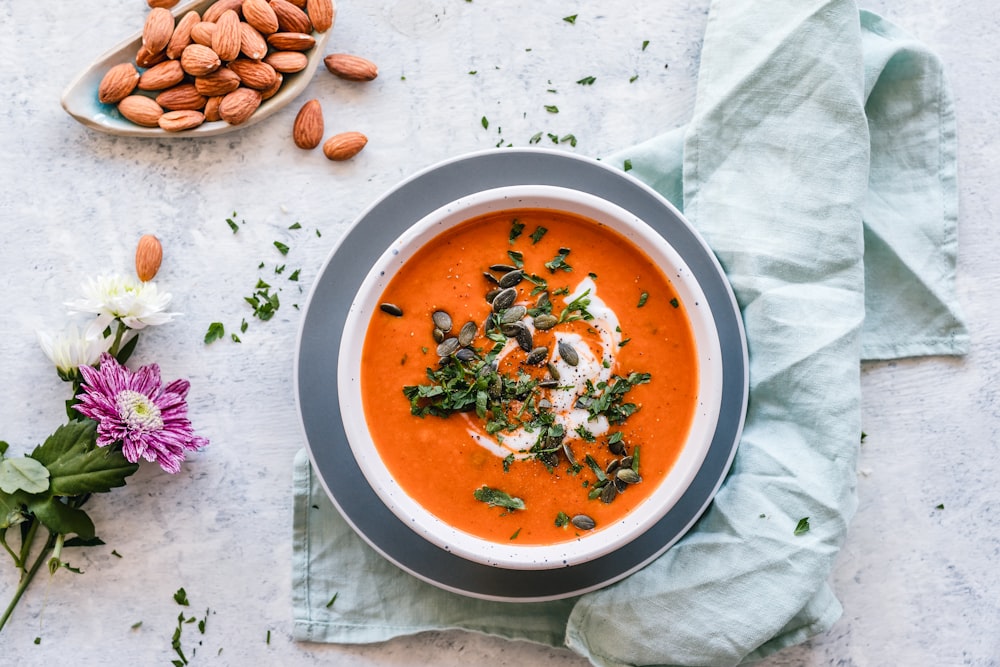
The aromatic Qursan broth simmers slowly, allowing the lamb to become tender while spices infuse every drop of liquid with flavor.
Step 3: Add Vegetables and Layer the Bread
- Once the meat is tender, add 2 cups of sliced okra, 2 diced zucchini, and 2 sliced carrots to the pot.
- Cook for an additional 10-12 minutes until vegetables are just tender but not mushy.
- Remove the meat and vegetables from the broth using a slotted spoon and set aside. Keep the broth warm.
- Tear the prepared Qursan bread sheets into large pieces (about 4-5 cm each).
- Layer the torn bread pieces in a large serving platter or a clean pot.
- Ladle the hot broth over the bread, making sure all pieces are thoroughly soaked. Let it rest for 3-5 minutes so the bread absorbs the liquid.
- Arrange the cooked meat and vegetables on top of the bread.
- Drizzle with 2 tablespoons of melted ghee and serve immediately.
⚠️ IMPORTANT: Do not overcook the bread when layering. The bread should absorb the broth and become soft, but it should not turn into a paste. If the bread becomes too mushy, the dish loses its characteristic texture. Add the broth gradually and check consistency as you go.
Many first-time cooks find that making Qursan bread is the most challenging part. The batter must be thin enough to spread easily but thick enough to hold together on the griddle. Practice makes perfect — your first few bread sheets may be imperfect, but they will still taste wonderful when soaked in the flavorful broth.
Nutritional Profile and Health Benefits of Qursan
Beyond its delicious taste, Qursan offers substantial nutritional value. As a complete one-pot meal, it provides a balanced combination of macronutrients and essential micronutrients. Understanding these benefits helps you appreciate why this dish has sustained communities for generations.
Key Nutritional Components
A single serving of Qursan (approximately 300g) provides roughly 450-550 calories, depending on the meat choice and portion size. The dish is particularly rich in:
- Complex carbohydrates from the wheat bread, providing sustained energy release. The bread contributes approximately 45-50g of carbohydrates per serving.
- High-quality protein from lamb or chicken — about 28-35g per serving, supporting muscle maintenance and repair.
- Dietary fiber from vegetables like okra, carrots, and zucchini — approximately 5-7g per serving, promoting digestive health.
- Iron and B vitamins from lamb, important for energy metabolism and blood health. Lamb is particularly rich in vitamin B12, providing over 50% of daily requirements in a single serving.
- Lycopene and antioxidants from tomatoes, which may help reduce inflammation and support heart health.
The combination of turmeric and black pepper in Qursan is particularly noteworthy. Research published in the Journal of Medicinal Food demonstrates that piperine (from black pepper) enhances the absorption of curcumin (from turmeric) by up to 2000%, making this traditional spice pairing remarkably effective for maximizing nutritional benefits.
For those following healthy traditional recipes, Qursan can be adapted to suit various dietary needs. Using chicken instead of lamb reduces saturated fat content by approximately 40%. Adding extra vegetables boosts fiber content. And using whole wheat flour for the bread increases the dish's mineral content and glycemic index benefits.
Regional Variations Across Saudi Arabia
While Qursan is most strongly associated with the Najd region, variations exist throughout Saudi Arabia and neighboring Gulf countries. Each region adds its own twist, reflecting local ingredients and culinary preferences. Understanding these variations enhances your appreciation of Saudi Arabian dishes and their diversity.
Najdi Qursan (Classic)
The classic version from central Saudi Arabia features lamb, okra, and a tomato-based broth. The bread sheets are thin and crepe-like. This version is characterized by its rich, savory flavor and the generous use of ghee, which gives the dish its signature aroma.
Hejazi Qursan
In the western region, Qursan often incorporates seafood elements or uses a lighter, more tangy broth. Some Hejazi versions add lemon juice or tamarind for acidity. The bread may be slightly thicker than the Najdi version, and vegetables like eggplant and bell peppers are more common.
Eastern Province Adaptation
Near the Arabian Gulf coast, cooks may add fish or shrimp to their Qursan, and the spice blend often includes more cinnamon and cardamom. The broth tends to be lighter, and fresh herbs like cilantro are used as a garnish.

The finished Qursan dish showcases layers of tender bread soaked in rich broth, topped with succulent meat and fresh vegetables, garnished for an elegant presentation.
Modern Fusion Interpretations
Contemporary Saudi chefs are reimagining Qursan for fine dining settings. In Riyadh's upscale restaurants, you may find Qursan served as an elegant appetizer with lamb confit, or deconstructed versions where the bread is crisped and served alongside a broth reduction. These modern interpretations honor the traditional flavors while appealing to international palates.
Qursan vs. Other Traditional Saudi Dishes
To help you understand where Qursan fits within the broader landscape of Saudi Arabian cuisine, here is a detailed comparison with other popular traditional dishes.
Expert Tips and Common Mistakes to Avoid
Mastering Qursan takes practice, but these expert insights will significantly improve your results. Whether you are attempting this dish for the first time or refining your technique, these tips from experienced Saudi home cooks and professional chefs will help you achieve authentic results.
Tips for Perfect Bread Sheets
- Ensure your batter is completely lump-free by straining it through a fine mesh sieve before cooking.
- The griddle should be hot enough that a drop of water sizzles immediately, but not so hot that the bread burns before it cooks through.
- Cook the bread sheets just until they release from the pan — they should remain pliable and slightly pale, as they will continue to soften in the broth.
- If your first bread sheet tears or sticks, do not be discouraged. The first one is often the "test" sheet that helps you gauge the right temperature.
Tips for a Rich, Flavorful Broth
- Brown the meat thoroughly before adding liquid. This caramelization adds deep, complex flavors to the broth.
- Use a combination of water and stock for extra richness. If using only water, add a piece of lamb bone for depth.
- Add dried lime (loomi) early in the cooking process so it has time to release its flavor fully. Remove it before serving.
- Taste the broth before layering. It should be slightly saltier than you prefer, as the bread will absorb some of the salt.
💡 PRO TIP: For the most authentic Qursan experience, use samneh (traditional clarified butter) instead of regular ghee. Samneh has been aged and has a distinctive nutty, deeply savory flavor that elevates the entire dish. You can find samneh at Middle Eastern specialty stores, or make your own by clarifying butter and simmering it until the milk solids turn golden brown.
Frequently Asked Questions About Qursan
Here are answers to the most common questions people have about Qursan. These address practical concerns and help you navigate this traditional dish with confidence.
1. What exactly is Qursan made of?
Qursan is made from three main components: thin wheat flour bread sheets (similar to crepes), a spiced meat broth (typically lamb or chicken), and fresh vegetables including okra, zucchini, and carrots. The bread is torn into pieces and soaked in the hot broth, then topped with meat and vegetables. The dish originated in the Najd region of Saudi Arabia and is a staple of traditional Saudi food.
2. Is Qursan a healthy dish?
Yes, Qursan is nutritionally balanced when prepared traditionally. It provides complex carbohydrates from the wheat bread, high-quality protein from the meat, dietary fiber from vegetables, and essential vitamins and minerals. A typical serving contains approximately 450-550 calories. For a lighter version, you can use chicken instead of lamb and increase the vegetable-to-bread ratio, reducing the overall calorie content by up to 30%.
3. What is the difference between Qursan and Margoog?
While both are traditional Saudi Arabian dishes featuring bread and broth, Qursan uses pre-cooked thin crepe-like bread sheets that are torn and layered, while Margoog uses raw wheat dough that is flattened and dropped directly into the simmering stew to cook. Qursan bread is thinner and lighter, while Margoog dough is more substantial and dumpling-like. Qursan also typically features a clearer, more broth-like liquid, while Margoog has a thicker, more stew-like consistency.
4. Can I make Qursan gluten-free?
Making traditional Qursan gluten-free is challenging because the bread requires wheat gluten for structure. However, you can create a gluten-free adaptation using a blend of rice flour and tapioca starch with a small amount of xanthan gum to mimic the elasticity of wheat. The texture will differ slightly, but the dish will still be delicious. Some cooks have also successfully used gluten-free tortillas as a substitute, though this deviates from the authentic preparation method.
5. How long does it take to prepare Qursan from scratch?
Preparing authentic Qursan from scratch takes approximately 2 to 2.5 hours total. This includes 30 minutes for preparing and resting the bread batter, 30 minutes for cooking the bread sheets, 60 minutes for simmering the meat until tender, and 30 minutes for assembling and final cooking. With practice and efficient multitasking (preparing the broth while the bread batter rests), you can reduce this to about 1.5 hours.
6. What meat works best for Qursan?
Lamb is the traditional and most popular choice for Qursan, specifically lamb shoulder or leg cuts. These cuts have enough fat and connective tissue to become tender and flavorful during the extended simmering. Chicken is a common alternative and works particularly well with the vegetable flavors. For the best results, choose meat with some fat content — very lean cuts will result in a less flavorful broth. Some coastal variations use fish or shrimp, though this is less traditional.
7. Where can I find Qursan bread outside Saudi Arabia?
If you live outside Saudi Arabia and want to make Qursan without preparing the bread from scratch, you have several options. Middle Eastern grocery stores in major cities often carry frozen or fresh Qursan bread. Alternatively, very thin flour tortillas or crepes can serve as substitutes in a pinch, though they will not have the exact same texture. Many online retailers specializing in Middle Eastern foods also offer pre-made Qursan bread sheets that can be shipped internationally.
Conclusion: Discovering the Timeless Appeal of Qursan
Qursan represents everything wonderful about Saudi Arabian cuisine — tradition, hospitality, resourcefulness, and incredible flavor. This remarkable dish transforms simple ingredients into something extraordinary through technique and patience. Whether you are exploring Middle Eastern food for the first time or seeking to reconnect with your culinary heritage, Qursan offers a deeply satisfying experience.
The beauty of Qursan lies not only in its taste but in what it represents. It is a dish born of necessity that became a celebration food. It is humble bread elevated to centerpiece status. It is a reminder that the most memorable meals often come from the simplest roots.
We encourage you to try this authentic Qursan recipe in your own kitchen. Embrace the process, learn from any mistakes, and enjoy the journey of creating something truly special. The first time you taste homemade Qursan — with its silky bread layers, aromatic broth, and tender meat — you will understand why this dish has been cherished for over two centuries.
As Saudi Arabia continues to share its rich culinary heritage with the world through Vision 2030 cultural initiatives, dishes like Qursan are finding new audiences globally. By learning to prepare Qursan, you are participating in a living tradition that spans generations and continents.
Ready to Experience Authentic Qursan?
Join our community of food enthusiasts exploring traditional Saudi and Middle Eastern cuisine. Subscribe to our newsletter for weekly recipes, cooking tips, and cultural insights delivered directly to your inbox.
Join 25,000+ subscribers who receive authentic Saudi recipes every week. No spam, unsubscribe anytime.
🏷️ Tags
#Qursan #SaudiFood #TraditionalRecipe #MiddleEasternCuisine #NajdiCuisine #LayeredBreadDish #SaudiArabianCuisine #RamadanRecipes #ArabFood #AuthenticCooking
📚 Recommended Articles for You:
- The Ultimate Guide to Kabsa: Saudi Arabia's National Dish
- 10 Traditional Saudi Breakfast Dishes You Must Try
- Understanding Najdi Cuisine: A Culinary Journey Through Central Arabia
- Ramadan in Saudi Arabia: Traditional Iftar Foods and Customs
- The Health Benefits of Mediterranean and Middle Eastern Diets