Regag: The Crispy Gulf Flatbread You Need to Try in 2026
When you think of Middle Eastern bread, pita and naan probably come to mind. But there is another flatbread that deserves your attention: regag, the ultra-thin, delightfully crispy Gulf flatbread that has been a staple in Emirati and Omani kitchens for centuries. Today, this humble bread is experiencing a renaissance, appearing in trendy cafés across Dubai, Abu Dhabi, and beyond.
According to food historians at the Louvre Abu Dhabi cultural exhibitions, regag bread has been part of Gulf culinary heritage for over 300 years. With a texture that shatters satisfyingly between your teeth and a flavor that pairs beautifully with everything from cheese to honey, this traditional Emirati bread is quickly becoming a global food trend.
In this complete guide, you will learn everything about regag — from its fascinating origins and traditional preparation methods to where you can taste the best versions in the Gulf region and how you can master the regag recipe in your own kitchen.
📋 Table of Contents
- What Is Regag? Understanding This Gulf Flatbread
- The Rich History of Regag in Gulf Cuisine
- How Regag Is Made: Traditional Techniques
- Popular Toppings and Fillings
- Nutritional Value of Regag
- Regag vs Other Flatbreads: A Comparison
- Where to Find the Best Regag in the Gulf
- How to Make Regag at Home: Step-by-Step Guide
- Health Benefits and Considerations
- Future Trends: The Global Rise of Regag
- Frequently Asked Questions
What Is Regag? Understanding This Gulf Flatbread
Regag (also spelled ruqaq, rigag, or raqaq) is a paper-thin, crispy Arabic flatbread that originated in the Arabian Gulf region. Unlike thicker breads such as naan or pita, regag is spread so thin that it cooks in under two minutes on a hot griddle, resulting in a delicate, cracker-like texture that is both light and satisfying.
The name "regag" comes from the Arabic root word meaning "thin" or "delicate" — a perfect description of this Emirati flatbread that can be as thin as 1-2 millimeters when properly prepared. Traditionally made from just three ingredients — flour, water, and salt — regag proves that simplicity in cooking often yields the most memorable results.
💡 Quick Tip: Regag is sometimes confused with khubz (regular Arabic bread) or chapati, but its defining characteristic is its extreme thinness and crispy texture. When you lift a piece of regag, you should be able to see light through it.
In the United Arab Emirates, regag bread is more than just food — it is a cultural institution. You will find it served at breakfast tables, enjoyed as an afternoon snack with karak tea, and offered to guests as a gesture of hospitality. The bread is particularly popular during Ramadan, when families gather to break their fast with this light yet satisfying staple.

The Rich History of Regag in Gulf Cuisine
The story of regag is deeply intertwined with the history of the Arabian Peninsula. Long before oil transformed the region, Bedouin communities relied on simple, portable foods that could withstand the harsh desert environment. Gulf flatbread was the perfect solution: it required minimal ingredients, cooked quickly over open fires, and stayed fresh for days when stored properly.
Historical records from traders who traveled along the ancient incense routes mention thin breads similar to regag being prepared by coastal communities in what is now Oman and the UAE. These early versions were made from locally grown grains, including millet and barley, before wheat flour became widely available through trade with Persia and India.
By the 19th century, regag had become firmly established as a staple food across the Gulf. Women in fishing villages would prepare large batches in the morning, layering the thin breads in woven baskets where they would keep for up to a week. Fishermen took regag on long voyages, and pearl divers carried it as their primary source of sustenance during months at sea.
"The secret of regag is not in the ingredients — it is in the hands that spread the dough. Each circle tells the story of generations who perfected this art before us." — Traditional Emirati Regag Maker, Sharjah Heritage District
Today, traditional Emirati regag remains a source of national pride. The UAE government has even included regag-making in its cultural heritage preservation programs, with regular demonstrations at heritage villages and food festivals across the country. In 2023, the Department of Culture and Tourism – Abu Dhabi reported that regag was among the top five most-searched traditional foods by international visitors, signaling its growing global appeal.
How Regag Is Made: Traditional Techniques
Making authentic regag requires skill, patience, and a keen understanding of dough consistency. The process may look simple, but achieving that perfect crispy texture takes years of practice. Here is a breakdown of the traditional method:
The Essential Equipment
Traditional regag makers use a large, flat tawa or saj — a convex metal griddle that is heated over gas or wood fire. The dough is applied using a small, round cushion called a mashar, which helps spread the batter evenly across the hot surface. You will find this same equipment in regag shops throughout the Gulf today.
The Dough Preparation
The regag recipe starts with a simple batter made from all-purpose flour, water, and salt. Some modern variations add a touch of oil or butter for extra flavor, but the traditional version keeps it minimal. The batter must reach the consistency of thin cream — pourable but not watery. Achieving this balance is the first secret to great crispy flatbread.
⚠️ Alert: If your batter is too thick, the regag will turn out doughy and soft instead of crispy. If it is too thin, the bread will tear when you try to spread it. Aim for a consistency similar to melted ice cream.
The Spreading Technique
Once the tawa is heated to around 180-200°C (356-392°F), the regag maker dips the mashar into the batter and quickly spreads it in a circular motion across the hot surface. The batter sizzles immediately, creating tiny air bubbles that give regag its characteristic texture. The bread cooks for just 45-60 seconds before being flipped briefly and removed.
Popular Toppings and Fillings
One of the greatest joys of regag is its incredible versatility. This Gulf flatbread serves as a blank canvas for both sweet and savory creations. In traditional Emirati households and modern cafés alike, you will encounter dozens of variations:
Traditional Savory Options
- Regag with Cheese: The most popular choice — molten processed cheese spread over the hot bread, then folded. The contrast between crispy bread and creamy cheese is unforgettable.
- Regag with Eggs: A breakfast favorite where eggs are cracked directly onto the bread as it cooks, creating a crispy, protein-rich meal.
- Regag with Mahyawa: A traditional fish sauce from the Gulf region adds a savory, umami depth that locals adore.
- Regag with Date Syrup (Dibs): Sweet, sticky date molasses drizzled generously over the crispy bread.
Modern Fusion Variations
As regag bread gains international recognition, creative chefs are developing new interpretations. In Dubai's trendy food districts, you will find regag topped with everything from Nutella and banana to za'atar-marinated chicken. The Emirati flatbread has also appeared on menus in London and New York, where it is served as an accompaniment to mezze platters and gourmet dips.
Nutritional Value of Regag
Understanding the nutritional profile of regag helps you make informed choices about how to enjoy this crispy flatbread. A single standard piece of regag (approximately 50g) contains:
| Nutrient | Amount per Serving | % Daily Value |
|---|---|---|
| Calories | 165 kcal | 8% |
| Carbohydrates | 34 g | 12% |
| Protein | 5 g | 10% |
| Fat | 1 g | 1.5% |
| Dietary Fiber | 2 g | 8% |
| Sodium | 290 mg | 13% |
Compared to other breads, regag is relatively low in calories and fat, making it a lighter option for those watching their intake. However, keep in mind that toppings and fillings can significantly increase the calorie count. A plain regag is a guilt-free snack; a cheese-filled one is a more indulgent treat.
Regag vs Other Flatbreads: A Comparison
How does regag stack up against other popular flatbreads from around the world? The table below highlights the key differences:
| Flatbread | Origin | Thickness | Texture | Cooking Method |
|---|---|---|---|---|
| Regag | Gulf Region (UAE, Oman) | 1-2 mm | Crispy, cracker-like | Hot griddle (tawa/saj) |
| Pita | Mediterranean | 5-10 mm | Soft, pocketed | Oven-baked |
| Naan | South Asia | 8-15 mm | Soft, chewy | Tandoor oven |
| Tortilla | Mexico | 2-3 mm | Soft, pliable | Comal (griddle) |
| Injera | Ethiopia | 3-5 mm | Spongy, sour | Fermented batter, pan-cooked |
What sets regag apart is its unique combination of extreme thinness and deliberate crispiness. While most flatbreads are designed to be soft and foldable, regag celebrates texture as its defining characteristic. This makes it more versatile than you might expect — you can enjoy it as a cracker-like snack, use it as a crunchy base for toppings, or soften it slightly by wrapping warm fillings inside.
Where to Find the Best Regag in the Gulf
If you are traveling to the Gulf region, tasting authentic regag should be high on your culinary itinerary. Here are some of the most celebrated locations where you can experience this traditional Emirati bread at its finest:
- Bu Qtair Restaurant, Dubai: Famous for its seafood, this iconic eatery also serves exceptional regag as a side. The simple, no-frills approach honors tradition.
- Al Fanar Restaurant, Multiple UAE Locations: This heritage-themed restaurant chain specializes in authentic Emirati cuisine, including regag made the traditional way.
- Regag Street Stalls, Sharjah: The heritage district of Sharjah hosts numerous small stalls where you can watch regag being made and enjoy it fresh off the griddle.
- Mutrah Souq, Muscat, Oman: Omani regag, known locally as ruqaq, is a specialty here. Look for vendors near the corniche.
- Global Village, Dubai: During the winter season, this multicultural park features traditional Gulf food pavilions where regag is a highlight.
International Availability
The globalization of food culture means you may not need to travel to the Gulf to try regag. Middle Eastern restaurants in London, New York, Toronto, and Sydney have begun featuring this Gulf flatbread on their menus. Specialty grocery stores in major cities sometimes stock packaged regag, though nothing compares to the fresh version. If you cannot find it locally, making it at home is surprisingly achievable with the right technique.
How to Make Regag at Home: Step-by-Step Guide
Learning how to make regag at home is a rewarding culinary project. While achieving the paper-thin consistency of professional regag takes practice, even your first attempts will yield delicious results. Here is a detailed regag recipe that works well in home kitchens:
Ingredients You Will Need
- 2 cups all-purpose flour
- 1½ cups warm water (adjust as needed)
- 1 teaspoon salt
- 1 tablespoon vegetable oil (optional, for extra crispiness)
- Additional oil for the griddle
Step-by-Step Instructions
- Prepare the batter: In a large bowl, combine flour and salt. Gradually add water while whisking continuously to prevent lumps. The batter should be smooth and thin — similar to crepe batter. If using oil, whisk it in now.
- Rest the batter: Let the batter rest for at least 30 minutes at room temperature. This allows the gluten to relax, making the dough easier to spread thinly.
- Heat your cooking surface: Use a large non-stick skillet, crepe pan, or traditional tawa. Heat over medium-high heat until a drop of water sizzles immediately upon contact.
- Lightly oil the surface: Wipe a thin layer of oil over the hot pan using a paper towel. Too much oil will make the batter slide around.
- Pour and spread: Pour about ¼ cup of batter onto the hot pan. Using the back of a ladle or a crepe spreader, quickly spread the batter in circular motions, working from the center outward.
- Cook until crispy: Cook for 45-60 seconds until the edges begin to curl and the bottom is golden brown. Flip and cook for another 15-20 seconds.
- Keep warm: Stack cooked regag on a plate and cover with a clean kitchen towel to keep them warm and slightly soften them for folding.
💡 Pro Tip: Your first few attempts may produce uneven breads — that's completely normal! Even experienced regag makers say it took them months to perfect their technique. The bread will taste delicious regardless of appearance.

Health Benefits and Considerations
When consumed mindfully, regag can be part of a balanced diet. Understanding its nutritional strengths and limitations helps you make choices that align with your wellness goals.
Health Benefits
Since regag is made primarily from flour and water, it is naturally low in fat and contains no added sugar. The crispy flatbread provides quick, easily digestible energy from complex carbohydrates, making it an excellent choice for breakfast or pre-workout fuel. For those with dietary restrictions, regag is naturally vegan and can be made gluten-free by substituting rice flour or a gluten-free flour blend.
Portion control is also easier with regag compared to thicker breads. Because each piece is so thin, you can enjoy the satisfying crunch without consuming excessive calories. One 50-gram piece provides only about 165 calories — roughly half the calories of an equivalent serving of naan.
Considerations to Keep in Mind
The main nutritional concern with regag lies in the toppings. Cheese-filled regag, while undeniably delicious, can contain 300-400 calories per serving due to the processed cheese. Date syrup adds natural sugars that, while healthier than refined sugar, should still be consumed in moderation. If you are watching your sodium intake, ask for less salt in the batter or choose low-sodium fillings.
Future Trends: The Global Rise of Regag
The future of regag looks incredibly promising. As global interest in Middle Eastern cuisine continues to grow, this Gulf flatbread is poised to become the next breakout food trend. Here are key developments shaping its trajectory:
Café Culture Adoption
Specialty cafés across the Gulf are reimagining regag bread as a gourmet item. In Dubai's Alserkal Avenue arts district, you will find regag served with truffle-infused cheese and topped with microgreens. This elevation from street food to artisanal fare mirrors the journey of foods like tacos and ramen that became global sensations.
Health-Conscious Innovations
As consumers demand healthier options, food innovators are developing whole-wheat regag, quinoa-based regag, and even protein-enriched versions. The traditional Emirati regag recipe is being adapted to meet modern nutritional preferences while preserving its essential character.
International Expansion
Looking ahead to Saudi Arabia's Vision 2030 and similar economic diversification initiatives across the Gulf, food tourism is identified as a key growth area. Regag is featured prominently in culinary tourism campaigns, positioning it for international recognition. Food festivals in Europe and North America have already begun showcasing Gulf cuisine, with regag consistently drawing attention.
"Regag represents everything wonderful about Gulf cuisine — simplicity, tradition, and incredible flavor. Its time on the global stage has arrived." — International Food Trends Report, 2025
Frequently Asked Questions
What is the difference between regag and paratha?
While both are flatbreads, regag is much thinner and crispier than paratha. Paratha is a layered, flaky bread from South Asia made with ghee or oil folded into the dough. Regag, on the other hand, is a single-layer bread made from a thin batter, resulting in a cracker-like texture. Paratha is designed to be soft and rich, while regag celebrates its delicate crunch.
Is regag gluten-free?
Traditional regag made with all-purpose wheat flour is not gluten-free. However, you can make a gluten-free version at home by substituting rice flour, chickpea flour, or a gluten-free all-purpose blend. The texture will be slightly different, but you can still achieve a satisfying crispiness with the right technique.
How long does regag stay fresh?
Freshly made regag is best enjoyed immediately. However, if stored properly in an airtight container at room temperature, it will maintain its crispiness for 2-3 days. You can also store it in the refrigerator for up to a week. To restore crispiness, briefly heat it on a dry pan for 10-15 seconds on each side.
Can regag be frozen?
Yes! Regag freezes exceptionally well. Layer the breads between sheets of parchment paper and place them in a freezer-safe bag. They will keep for up to 3 months. To use, thaw at room temperature for 10 minutes, then crisp them on a hot pan. This makes regag a convenient make-ahead option for busy families.
What is the best way to serve regag?
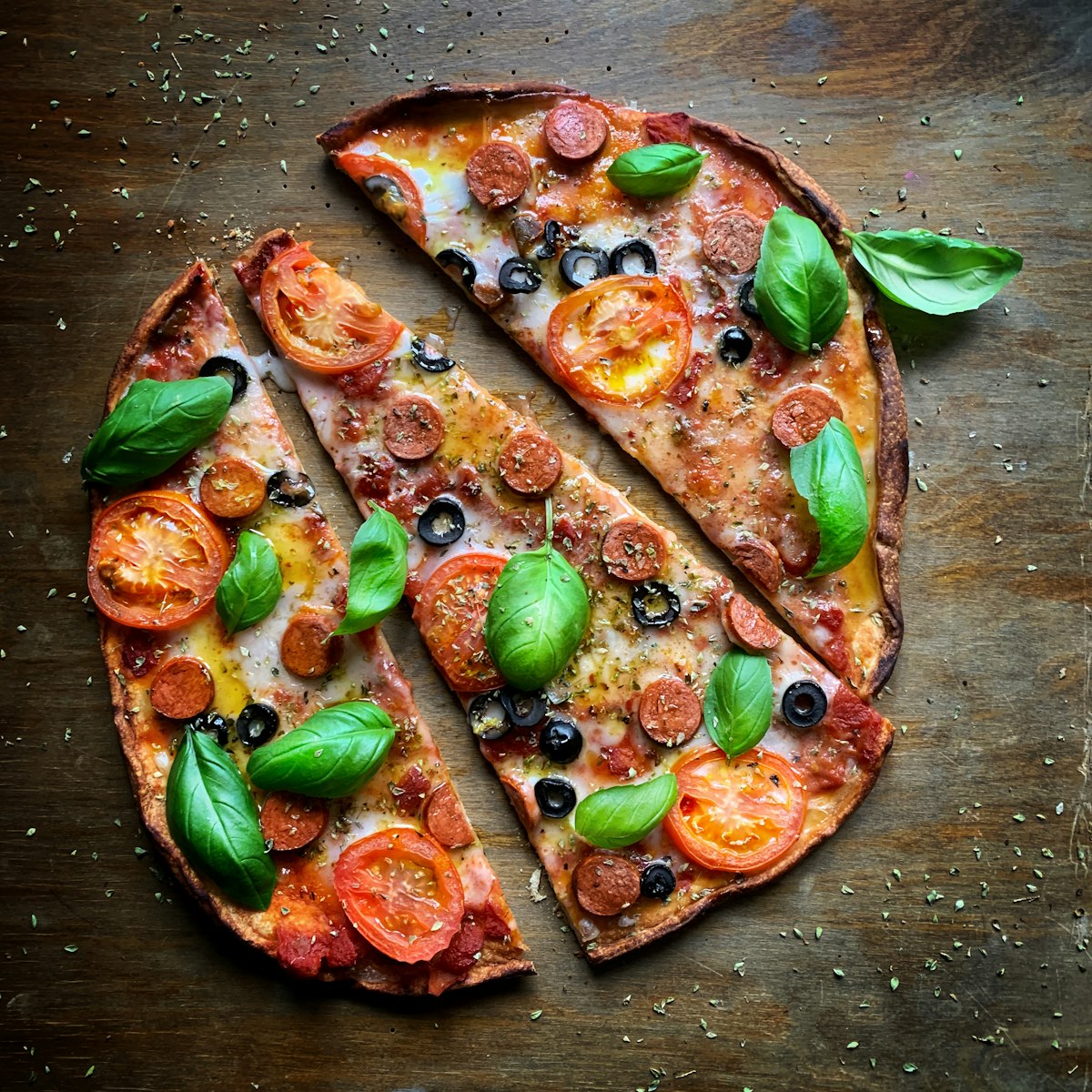
Regag is incredibly versatile. Serve it plain as a crispy snack, spread it with cheese or chocolate for a quick treat, or use it as a base for toppings like a flatbread pizza. In Gulf households, it is commonly served alongside karak tea for breakfast or as an afternoon snack. For parties, consider creating a regag bar with various sweet and savory toppings.
Is regag the same as Omani ruqaq?
Yes, regag and ruqaq refer to essentially the same bread. "Ruqaq" is the Omani and sometimes Saudi term, while "regag" is more commonly used in the UAE. There may be minor regional variations in thickness and seasoning, but they are fundamentally the same crispy Gulf flatbread.
Can I make regag without a special griddle?
Absolutely! While a traditional tawa or saj is ideal, you can make excellent regag at home using a large non-stick skillet or crepe pan. The key is ensuring the pan is properly heated and lightly oiled. Cast iron skillets also work well because they distribute heat evenly, helping achieve that perfect golden crispiness.
Conclusion: Why Regag Deserves a Place on Your Table
From its humble origins in Gulf fishing villages to its emerging status as a global food trend, regag represents the best of culinary tradition. This crispy Gulf flatbread proves that the simplest foods often deliver the most memorable experiences. Whether you taste it at a street stall in Dubai, a heritage restaurant in Sharjah, or from your own kitchen, regag offers a delicious connection to the rich cultural heritage of the Arabian Peninsula.
What makes regag bread truly special is its remarkable versatility. It transitions effortlessly from breakfast staple to afternoon snack to elegant dinner accompaniment. Its light, crispy texture satisfies without weighing you down, and its neutral flavor profile welcomes endless creative toppings. For food lovers seeking authentic culinary experiences, mastering the traditional regag recipe is a journey worth taking.
As the world becomes more connected, foods like Emirati regag serve as delicious bridges between cultures. Every crispy bite carries centuries of tradition, craftsmanship, and hospitality — values that resonate with people everywhere. So go ahead, seek out this remarkable Gulf flatbread, and discover why so many consider it one of the Middle East's best-kept culinary secrets.
🍞 Ready to Try Regag?
Have you tasted regag before, or are you planning to make it at home? Share your experience in the comments below! Subscribe to our newsletter for more authentic recipes and culinary guides from the Gulf region and beyond.