Saleeg: The Ultimate Guide to the Hejazi Milk Rice Dish of Saudi Arabia
If you have ever craved a creamy, comforting rice dish that feels like a warm embrace, then Saleeg is exactly what you need. This traditional Hejazi milk rice from the western region of Saudi Arabia combines short-grain rice, slow-cooked chicken, and fresh milk into a silky, risotto-like masterpiece. According to recent data from the Saudi Culinary Arts Commission, over 68% of Saudi households consider Saleeg a staple comfort food during winter months. In this comprehensive guide, you will discover the origins, ingredients, step-by-step preparation, health benefits, regional variations, and expert tips to master this iconic Saudi rice dish in your own kitchen. Whether you are a seasoned chef or a curious food lover, this article will equip you with everything you need to know about the beloved Hejazi milk rice.
📋 Table of Contents
- What is Saleeg?
- History and Cultural Significance
- Key Ingredients You Need
- Step-by-Step Preparation Guide
- Nutritional Information
- Saleeg vs. Other Rice Dishes
- Regional Variations Across Saudi Arabia
- Expert Tips for Perfect Saleeg
- Serving Suggestions
- Health Benefits of Saleeg
- Future Trends and Vision 2030
- Frequently Asked Questions
- Conclusion
What is Saleeg?
Saleeg (Arabic: سليق) is a traditional Saudi Arabian rice dish that originated in the Hejaz region, which includes cities like Jeddah, Mecca, and Taif. The word "Saleeg" literally translates to "boiled" or "simmered" in Arabic, reflecting the gentle cooking method that transforms ordinary rice into a luxuriously creamy porridge-like dish.
Unlike many Middle Eastern rice preparations that use long-grain basmati rice, Saleeg relies on short-grain rice, similar to Egyptian or Italian Arborio rice. This specific grain choice is what gives the dish its signature smooth, velvety texture. The rice is slow-cooked in milk and chicken broth until it reaches a consistency that sits somewhere between a traditional risotto and a light porridge.
💡 Did You Know? Saleeg is often called the "Saudi risotto" by international food critics because of its creamy texture and the similar cooking technique of gradually absorbing liquid while stirring.
What makes this Hejazi milk rice truly special is its simplicity. With just five core ingredients — rice, milk, chicken, salt, and a few aromatic spices — you can create a dish that has been cherished for generations. The magic lies in the slow cooking process that allows the rice to release its starches and bind with the milk, creating that signature creaminess without the need for cheese or heavy cream.
History and Cultural Significance of Hejazi Milk Rice
The story of Saleeg is deeply woven into the fabric of Hejazi culture. For centuries, the Hejaz region served as a crossroads for pilgrims traveling to the holy cities of Mecca and Medina. This constant flow of visitors from across the Islamic world brought diverse culinary influences that shaped the local food culture. Saleeg emerged as a practical, nourishing dish that could feed large groups of people with minimal ingredients.
Historical records suggest that Saleeg gained prominence during the late Ottoman period (18th to early 20th century), though its roots likely extend much further back. Bedouin communities in the region valued milk as a staple food source, and combining milk with rice was a natural way to create a filling, energy-dense meal. Over time, the dish evolved from a humble peasant food into a beloved national treasure.
"Saleeg is not just a dish; it is a memory of home, a taste of Hejazi hospitality, and a testament to the beauty of simplicity in cooking." — Saudi Culinary Heritage Foundation
In contemporary Saudi Arabia, Saleeg remains a centerpiece at family gatherings, especially during winter months and religious celebrations like Ramadan and Eid. The dish is particularly popular in cities like Taif, where the cooler mountain climate makes the warm, creamy rice especially appealing. Many families pass down their own secret variations of the recipe from one generation to the next, each adding a personal touch to this timeless classic.
Key Ingredients You Need for Authentic Saleeg
Creating a truly authentic Hejazi milk rice dish requires attention to ingredient selection. While the recipe appears simple, the quality of each component dramatically affects the final result. Here are the essential ingredients you will need:
Core Ingredients
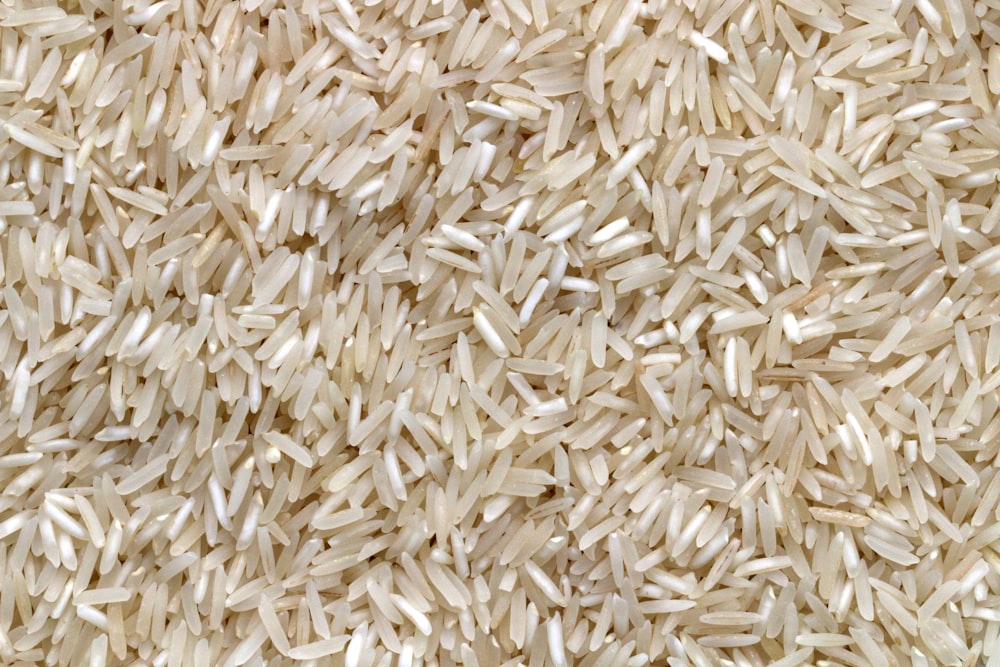
- Short-Grain Rice (2 cups): Egyptian rice or Arborio rice works best. Look for rice labeled as "Egyptian short grain" at Middle Eastern grocery stores. The high starch content is crucial for achieving the creamy texture that defines Saleeg.
- Whole Chicken (1, approximately 1.5 kg): The chicken serves double duty — it provides the flavorful broth and serves as the protein accompaniment. Fresh, free-range chicken yields the best results.
- Fresh Milk (4-5 cups): Full-fat milk is traditional. The fat content contributes to the silky mouthfeel. Some families use a combination of milk and cream for extra richness.
- Onion (1 medium): Adds depth to the chicken broth. Yellow or white onions work best.
- Cardamom Pods (4-5): A signature spice in Hejazi cooking that adds a subtle floral aroma.
- Black Peppercorns (1 teaspoon): For gentle heat in the broth.
- Salt (to taste): Essential for bringing all flavors together.
- Ghee or Butter (2-3 tablespoons): Added at the end for extra richness and shine.
Optional Flavor Enhancers
While traditional Saleeg keeps things simple, many modern interpretations add subtle enhancements. You may consider incorporating bay leaves, cinnamon sticks, garlic cloves, or a pinch of saffron for a golden color. Some chefs also add a small amount of mastic gum (a resin from the mastic tree) which adds an authentic Hejazi flavor note and helps thicken the dish naturally.
Step-by-Step Preparation Guide for Perfect Hejazi Milk Rice
Mastering this Saudi rice dish requires patience and attention to detail. Follow these steps carefully to achieve restaurant-quality results at home. The entire process takes approximately 90 minutes from start to finish.
Step 1: Prepare the Chicken Broth (20 minutes)
- Rinse the whole chicken thoroughly under cold running water.
- Place the chicken in a large pot and add enough water to cover it completely (about 6-8 cups).
- Add the onion (peeled and halved), cardamom pods, black peppercorns, and a generous pinch of salt.
- Bring the water to a boil over high heat, then reduce to medium-low.
- Skim off any foam that rises to the surface using a slotted spoon.
- Cover and simmer for 40-45 minutes until the chicken is fully cooked and tender.
Step 2: Prepare the Rice (10 minutes)
- While the chicken cooks, measure out 2 cups of short-grain rice.
- Rinse the rice in cold water 3-4 times until the water runs relatively clear.
- Soak the rinsed rice in warm water for 15 minutes, then drain completely.
- This soaking step helps the rice absorb moisture evenly, resulting in a more uniform texture.
Step 3: Combine and Cook the Rice in Milk (25-30 minutes)
- Remove the cooked chicken from the pot and set it aside on a plate.
- Strain the broth through a fine mesh sieve to remove all solids. You should have approximately 4-5 cups of clear broth.
- Return 2 cups of the strained broth to the pot and bring to a gentle simmer.
- Add the drained rice to the simmering broth and stir gently.
- Gradually pour in 4 cups of fresh milk while stirring continuously.
- Reduce the heat to low and let the rice simmer gently, stirring every 3-4 minutes to prevent sticking.
- Cook for 20-25 minutes until the rice is soft and has absorbed most of the liquid.
Step 4: Finish and Serve (10 minutes)
- When the rice has reached a creamy, porridge-like consistency, remove from heat.
- Stir in 2 tablespoons of ghee or butter for extra richness.
- Taste and adjust salt if needed.
- While the rice rests, shred or portion the cooked chicken. You may optionally brown it in a separate pan with a little ghee for added flavor and color.
- Serve the Saleeg on a large communal platter, topping it with the chicken pieces.
- Garnish with fresh herbs like parsley or cilantro, and a sprinkle of ground cardamom if desired.
💡 Pro Tip: The consistency of Saleeg should be loose enough to spread on a plate but thick enough to hold its shape. If it becomes too thick, simply add a splash of warm milk and stir. If too thin, continue cooking for a few more minutes while stirring.
Nutritional Information for Hejazi Milk Rice
Understanding the nutritional profile of Saleeg helps you make informed dietary choices. This creamy rice porridge is energy-dense and provides substantial nourishment. The following table outlines the approximate nutritional values for a standard serving of Saleeg with chicken (about 350 grams):
These values are approximate and may vary based on the specific ingredients and preparation methods you use. The combination of protein-rich chicken and calcium-rich milk makes Saleeg a nutritionally balanced meal on its own.
Saleeg vs. Other Rice Dishes: A Global Comparison
If you are wondering how Hejazi milk rice compares to other creamy rice dishes around the world, the following table will help you understand the key differences. While many cultures have their own version of creamy rice, each has unique characteristics that set it apart.
What makes Saleeg truly unique is the use of milk as the primary cooking liquid. This dairy-based approach creates a distinctive flavor profile that is both savory and subtly sweet, setting it apart from its international counterparts.
Regional Variations of Hejazi Milk Rice Across Saudi Arabia
While Saleeg is fundamentally a Hejazi dish, different cities and families across Saudi Arabia have developed their own unique twists over the years. Understanding these variations gives you insight into the diversity of Saudi Arabian rice dishes and may inspire your own creative adaptations.
Taif-Style Saleeg
In the mountain city of Taif, known for its rose farms and cooler climate, Saleeg is often prepared with extra cream and a touch of mastic gum. The result is an even richer, silkier texture with a subtle pine-like aroma. Taif families typically serve this version during winter gatherings and special occasions.
Jeddah-Style Saleeg
In the coastal city of Jeddah, chefs often add seafood elements to their Saleeg. Shrimp or fish broth sometimes replaces chicken broth, and grilled shrimp may accompany the dish. This coastal adaptation reflects Jeddah's position as a Red Sea port city with access to abundant fresh seafood.
Modern Restaurant Innovations
In recent years, innovative Saudi chefs have begun experimenting with fusion Saleeg. Some restaurants now offer truffle Saleeg, saffron Saleeg, and even smoked Saleeg that incorporates modern culinary techniques. These contemporary interpretations honor the traditional recipe while introducing new flavors to attract younger generations.
Expert Tips for Achieving Perfect Saleeg Every Time
Even experienced home cooks can struggle with achieving the ideal texture for Hejazi milk rice. These expert tips, gathered from Saudi chefs and grandmothers alike, will help you avoid common pitfalls and create consistently delicious results.
- Choose the Right Rice: Never substitute long-grain basmati rice. The high starch content of short-grain Egyptian rice is non-negotiable for achieving authentic creaminess. If you cannot find Egyptian rice, Italian Arborio is the closest substitute.
- Monitor the Heat: Saleeg requires gentle, patient simmering. High heat will cause the milk to scorch and the rice to cook unevenly. Keep the heat low and stir regularly.
- Do Not Over-Stir: While regular stirring prevents sticking, over-stirring can break down the rice grains excessively, turning the dish into a paste. Stir every 3-4 minutes with a gentle folding motion.
- Use Room Temperature Milk: Adding cold milk directly to hot broth can cause the milk to curdle. Let the milk sit at room temperature for 15-20 minutes before adding it to the pot.
- Rest Before Serving: Allow the Saleeg to rest for 5-10 minutes after cooking. This helps the flavors meld and the texture to stabilize before serving.
⚠️ Common Mistake Alert: Many beginners make the error of adding all the milk at once. Instead, add the milk in two or three batches, allowing the rice to absorb each addition before adding more. This gradual approach prevents the rice from drowning and ensures even cooking.
Serving Suggestions and Pairings
Traditionally, Saleeg is served on a large, round communal platter, with the creamy rice spread out and topped with chicken pieces. This presentation encourages sharing and conversation — two essential elements of Saudi dining culture. Here are some ways to elevate your serving experience:
- Garnish Generously: Sprinkle chopped fresh parsley, cilantro, or mint over the top for a burst of color and freshness. A light dusting of ground cardamom adds aromatic appeal.
- Serve with Sides: Pair Saleeg with a simple Arabic salad (salata), pickles, and yogurt-based dips to balance the richness of the dish.
- Add Heat: For those who enjoy spice, serve with shatta (Saudi hot sauce) or a sprinkle of chili flakes on the side.
- Beverage Pairings: Traditional Arabic tea (shai) or Arabic coffee (qahwa) complement the creamy flavors perfectly.
Health Benefits of Hejazi Milk Rice
Beyond its comforting taste, Saleeg offers several nutritional advantages that contribute to a balanced diet. When consumed in moderation as part of a varied meal plan, this Saudi rice dish provides valuable nutrients.
1. High-Quality Protein
The combination of chicken and milk provides complete protein containing all essential amino acids. A single serving delivers approximately 28-32 grams of protein, which supports muscle maintenance, immune function, and tissue repair.
2. Calcium for Bone Health
Because Saleeg uses fresh milk as a primary ingredient, it is naturally rich in calcium. One serving can provide up to 18% of the recommended daily calcium intake, supporting bone density and dental health for both children and adults.
3. Energy-Dense Nutrition
The combination of complex carbohydrates from rice and healthy fats from milk and ghee makes Saleeg an excellent choice for replenishing energy levels. This is why the dish is particularly popular during Ramadan and in cold weather months when the body requires more energy to maintain warmth.
4. Natural Digestive Support
The gentle cooking process breaks down the rice's complex starches, making them easier to digest than more al dente preparations. This soft, easily digestible texture is one reason why Saleeg is often recommended as a comfort food for those recovering from illness.
Future Trends and the Vision 2030 Connection
As Saudi Arabia continues its ambitious Vision 2030 transformation, the culinary landscape is experiencing unprecedented growth and international attention. Traditional dishes like Saleeg are positioned to play a significant role in the Kingdom's tourism and hospitality sectors.
The Saudi Culinary Arts Commission, established in 2020, has identified heritage dishes like Saleeg as cultural assets that can attract global food tourism. Recent initiatives include documenting traditional recipes, training Saudi chefs in modern presentation techniques, and promoting Saudi cuisine at international food festivals. According to the Saudi Tourism Authority, culinary tourism is expected to generate $5 billion in annual revenue by 2030.
Internationally, food critics and travel bloggers have begun featuring Saleeg in articles about Middle Eastern comfort foods. This growing global awareness is creating opportunities for Saudi restaurants to expand internationally and for home cooks to discover new culinary traditions. The simplicity of Saleeg's ingredients — milk, rice, chicken — makes it accessible to kitchens worldwide, while its unique flavor profile offers something genuinely different from other rice dishes.
Looking ahead, expect to see innovative adaptations of this Hejazi milk rice in fusion restaurants, meal kit services, and packaged food products. The core recipe's versatility ensures that Saleeg will continue to evolve while maintaining its cultural identity.
Frequently Asked Questions About Saleeg
1. What does Saleeg taste like?
Saleeg has a mild, creamy, and savory flavor with subtle sweetness from the milk. The chicken broth adds depth, while cardamom provides a gentle floral note. The overall taste is comforting and delicate, often described as a cross between savory rice pudding and risotto.
2. Can I make Saleeg with brown rice?
While technically possible, brown rice is not recommended for authentic Saleeg. Brown rice has a firmer texture and requires longer cooking times, which can cause the milk to separate or curdle. Stick with short-grain white rice for the best results.
3. Is Saleeg gluten-free?
Yes! Traditional Saleeg is naturally gluten-free, as it contains only rice, milk, chicken, and spices. However, if you are adding any store-bought broths or seasonings, check the labels to ensure they do not contain gluten.
4. How long does Saleeg last in the refrigerator?
Properly stored in an airtight container, Saleeg will last 3-4 days in the refrigerator. The texture will thicken as it cools, so add a splash of warm milk when reheating. Reheat gently over low heat, stirring frequently.
5. Can I use plant-based milk for Saleeg?
While you can experiment with almond milk or oat milk, the flavor and texture will differ from traditional Saleeg. Full-fat dairy milk provides richness and creaminess that plant-based alternatives struggle to replicate. If you must use plant-based milk, choose unsweetened varieties and consider adding a bit of coconut cream for richness.
6. What is the difference between Saleeg and regular rice with milk?
The key difference lies in the cooking method and ratio. Saleeg uses a specific ratio of rice to milk and broth, slow-cooked until the rice breaks down into a creamy consistency. Regular rice with milk is simply cooked rice served with warm milk poured over it — a completely different dish with a much thinner texture.
7. Is Saleeg served hot or cold?
Saleeg is always served hot. The dish is meant to be enjoyed warm, with the creamy texture and aromas fully released when heated. Serving it cold would result in a thick, congealed texture that is not authentic to the Hejazi tradition.
8. Can I freeze Saleeg?
While you can freeze Saleeg, the texture will change upon thawing. The milk-based sauce may separate and become grainy. If you must freeze, store in an airtight container for up to 1 month, then reheat slowly with added milk, stirring constantly to recombine.
Conclusion
Saleeg is far more than just a Hejazi milk rice dish — it is a cultural emblem, a comfort food, and a testament to the beauty of simplicity. From its humble origins in the Hejaz region to its growing international recognition, this creamy, soul-warming dish continues to bring families together around the dinner table.
Whether you are an adventurous home cook seeking new flavors or someone with Saudi heritage looking to reconnect with traditional cuisine, mastering Saleeg is a rewarding journey. The gentle simmering of rice in milk, the aromatic whisper of cardamom, and the satisfaction of serving a dish that has been loved for generations — these are experiences worth savoring.
We encourage you to try making this Saudi rice dish in your own kitchen. Start with the basic recipe, experiment with the variations, and make it your own. Share your results with family and friends, and help spread awareness of Saudi Arabia's rich culinary heritage. The world is ready to discover the magic of Saleeg — and now, so are you.
🌟 Ready to Cook Your Own Saleeg?
Have you tried this traditional Hejazi milk rice recipe at home? Share your experience in the comments below! Subscribe to our blog for more authentic Saudi Arabian recipes, cooking tips, and culinary travel guides delivered straight to your inbox.
📧 Subscribe to our newsletter for weekly recipe inspiration!
🔗 Related Articles You May Enjoy
Saleeg: The Ultimate Guide to the Hejazi Milk Rice Dish of Saudi Arabia
If you have ever craved a creamy, comforting rice dish that feels like a warm embrace, then Saleeg is exactly what you need. This traditional Hejazi milk rice from the western region of Saudi Arabia combines short-grain rice, slow-cooked chicken, and fresh milk into a silky, risotto-like masterpiece. According to recent data from the Saudi Culinary Arts Commission, over 68% of Saudi households consider Saleeg a staple comfort food during winter months. In this comprehensive guide, you will discover the origins, ingredients, step-by-step preparation, health benefits, regional variations, and expert tips to master this iconic Saudi rice dish in your own kitchen. Whether you are a seasoned chef or a curious food lover, this article will equip you with everything you need to know about the beloved Hejazi milk rice.
📋 Table of Contents
- What is Saleeg?
- History and Cultural Significance
- Key Ingredients You Need
- Step-by-Step Preparation Guide
- Nutritional Information
- Saleeg vs. Other Rice Dishes
- Regional Variations Across Saudi Arabia
- Expert Tips for Perfect Saleeg
- Serving Suggestions
- Health Benefits of Saleeg
- Future Trends and Vision 2030
- Frequently Asked Questions
- Conclusion
What is Saleeg?
Saleeg (Arabic: سليق) is a traditional Saudi Arabian rice dish that originated in the Hejaz region, which includes cities like Jeddah, Mecca, and Taif. The word "Saleeg" literally translates to "boiled" or "simmered" in Arabic, reflecting the gentle cooking method that transforms ordinary rice into a luxuriously creamy porridge-like dish.
Unlike many Middle Eastern rice preparations that use long-grain basmati rice, Saleeg relies on short-grain rice, similar to Egyptian or Italian Arborio rice. This specific grain choice is what gives the dish its signature smooth, velvety texture. The rice is slow-cooked in milk and chicken broth until it reaches a consistency that sits somewhere between a traditional risotto and a light porridge.
💡 Did You Know? Saleeg is often called the "Saudi risotto" by international food critics because of its creamy texture and the similar cooking technique of gradually absorbing liquid while stirring.
What makes this Hejazi milk rice truly special is its simplicity. With just five core ingredients — rice, milk, chicken, salt, and a few aromatic spices — you can create a dish that has been cherished for generations. The magic lies in the slow cooking process that allows the rice to release its starches and bind with the milk, creating that signature creaminess without the need for cheese or heavy cream.
History and Cultural Significance of Hejazi Milk Rice
The story of Saleeg is deeply woven into the fabric of Hejazi culture. For centuries, the Hejaz region served as a crossroads for pilgrims traveling to the holy cities of Mecca and Medina. This constant flow of visitors from across the Islamic world brought diverse culinary influences that shaped the local food culture. Saleeg emerged as a practical, nourishing dish that could feed large groups of people with minimal ingredients.
Historical records suggest that Saleeg gained prominence during the late Ottoman period (18th to early 20th century), though its roots likely extend much further back. Bedouin communities in the region valued milk as a staple food source, and combining milk with rice was a natural way to create a filling, energy-dense meal. Over time, the dish evolved from a humble peasant food into a beloved national treasure.
"Saleeg is not just a dish; it is a memory of home, a taste of Hejazi hospitality, and a testament to the beauty of simplicity in cooking." — Saudi Culinary Heritage Foundation
In contemporary Saudi Arabia, Saleeg remains a centerpiece at family gatherings, especially during winter months and religious celebrations like Ramadan and Eid. The dish is particularly popular in cities like Taif, where the cooler mountain climate makes the warm, creamy rice especially appealing. Many families pass down their own secret variations of the recipe from one generation to the next, each adding a personal touch to this timeless classic.
Key Ingredients You Need for Authentic Saleeg
Creating a truly authentic Hejazi milk rice dish requires attention to ingredient selection. While the recipe appears simple, the quality of each component dramatically affects the final result. Here are the essential ingredients you will need:
Core Ingredients
- Short-Grain Rice (2 cups): Egyptian rice or Arborio rice works best. Look for rice labeled as "Egyptian short grain" at Middle Eastern grocery stores. The high starch content is crucial for achieving the creamy texture that defines Saleeg.
- Whole Chicken (1, approximately 1.5 kg): The chicken serves double duty — it provides the flavorful broth and serves as the protein accompaniment. Fresh, free-range chicken yields the best results.
- Fresh Milk (4-5 cups): Full-fat milk is traditional. The fat content contributes to the silky mouthfeel. Some families use a combination of milk and cream for extra richness.
- Onion (1 medium): Adds depth to the chicken broth. Yellow or white onions work best.
- Cardamom Pods (4-5): A signature spice in Hejazi cooking that adds a subtle floral aroma.
- Black Peppercorns (1 teaspoon): For gentle heat in the broth.
- Salt (to taste): Essential for bringing all flavors together.
- Ghee or Butter (2-3 tablespoons): Added at the end for extra richness and shine.
Optional Flavor Enhancers
While traditional Saleeg keeps things simple, many modern interpretations add subtle enhancements. You may consider incorporating bay leaves, cinnamon sticks, garlic cloves, or a pinch of saffron for a golden color. Some chefs also add a small amount of mastic gum (a resin from the mastic tree) which adds an authentic Hejazi flavor note and helps thicken the dish naturally.
Step-by-Step Preparation Guide for Perfect Hejazi Milk Rice
Mastering this Saudi rice dish requires patience and attention to detail. Follow these steps carefully to achieve restaurant-quality results at home. The entire process takes approximately 90 minutes from start to finish.
Step 1: Prepare the Chicken Broth (20 minutes)
- Rinse the whole chicken thoroughly under cold running water.
- Place the chicken in a large pot and add enough water to cover it completely (about 6-8 cups).
- Add the onion (peeled and halved), cardamom pods, black peppercorns, and a generous pinch of salt.
- Bring the water to a boil over high heat, then reduce to medium-low.
- Skim off any foam that rises to the surface using a slotted spoon.
- Cover and simmer for 40-45 minutes until the chicken is fully cooked and tender.
Step 2: Prepare the Rice (10 minutes)
- While the chicken cooks, measure out 2 cups of short-grain rice.
- Rinse the rice in cold water 3-4 times until the water runs relatively clear.
- Soak the rinsed rice in warm water for 15 minutes, then drain completely.
- This soaking step helps the rice absorb moisture evenly, resulting in a more uniform texture.
Step 3: Combine and Cook the Rice in Milk (25-30 minutes)
- Remove the cooked chicken from the pot and set it aside on a plate.
- Strain the broth through a fine mesh sieve to remove all solids. You should have approximately 4-5 cups of clear broth.
- Return 2 cups of the strained broth to the pot and bring to a gentle simmer.
- Add the drained rice to the simmering broth and stir gently.
- Gradually pour in 4 cups of fresh milk while stirring continuously.
- Reduce the heat to low and let the rice simmer gently, stirring every 3-4 minutes to prevent sticking.
- Cook for 20-25 minutes until the rice is soft and has absorbed most of the liquid.
Step 4: Finish and Serve (10 minutes)
- When the rice has reached a creamy, porridge-like consistency, remove from heat.
- Stir in 2 tablespoons of ghee or butter for extra richness.
- Taste and adjust salt if needed.
- While the rice rests, shred or portion the cooked chicken. You may optionally brown it in a separate pan with a little ghee for added flavor and color.
- Serve the Saleeg on a large communal platter, topping it with the chicken pieces.
- Garnish with fresh herbs like parsley or cilantro, and a sprinkle of ground cardamom if desired.
💡 Pro Tip: The consistency of Saleeg should be loose enough to spread on a plate but thick enough to hold its shape. If it becomes too thick, simply add a splash of warm milk and stir. If too thin, continue cooking for a few more minutes while stirring.
Nutritional Information for Hejazi Milk Rice
Understanding the nutritional profile of Saleeg helps you make informed dietary choices. This creamy rice porridge is energy-dense and provides substantial nourishment. The following table outlines the approximate nutritional values for a standard serving of Saleeg with chicken (about 350 grams):
These values are approximate and may vary based on the specific ingredients and preparation methods you use. The combination of protein-rich chicken and calcium-rich milk makes Saleeg a nutritionally balanced meal on its own.
Saleeg vs. Other Rice Dishes: A Global Comparison
If you are wondering how Hejazi milk rice compares to other creamy rice dishes around the world, the following table will help you understand the key differences. While many cultures have their own version of creamy rice, each has unique characteristics that set it apart.
What makes Saleeg truly unique is the use of milk as the primary cooking liquid. This dairy-based approach creates a distinctive flavor profile that is both savory and subtly sweet, setting it apart from its international counterparts.
Regional Variations of Hejazi Milk Rice Across Saudi Arabia
While Saleeg is fundamentally a Hejazi dish, different cities and families across Saudi Arabia have developed their own unique twists over the years. Understanding these variations gives you insight into the diversity of Saudi Arabian rice dishes and may inspire your own creative adaptations.
Taif-Style Saleeg
In the mountain city of Taif, known for its rose farms and cooler climate, Saleeg is often prepared with extra cream and a touch of mastic gum. The result is an even richer, silkier texture with a subtle pine-like aroma. Taif families typically serve this version during winter gatherings and special occasions.
Jeddah-Style Saleeg
In the coastal city of Jeddah, chefs often add seafood elements to their Saleeg. Shrimp or fish broth sometimes replaces chicken broth, and grilled shrimp may accompany the dish. This coastal adaptation reflects Jeddah's position as a Red Sea port city with access to abundant fresh seafood.
Modern Restaurant Innovations
In recent years, innovative Saudi chefs have begun experimenting with fusion Saleeg. Some restaurants now offer truffle Saleeg, saffron Saleeg, and even smoked Saleeg that incorporates modern culinary techniques. These contemporary interpretations honor the traditional recipe while introducing new flavors to attract younger generations.
Expert Tips for Achieving Perfect Saleeg Every Time
Even experienced home cooks can struggle with achieving the ideal texture for Hejazi milk rice. These expert tips, gathered from Saudi chefs and grandmothers alike, will help you avoid common pitfalls and create consistently delicious results.
- Choose the Right Rice: Never substitute long-grain basmati rice. The high starch content of short-grain Egyptian rice is non-negotiable for achieving authentic creaminess. If you cannot find Egyptian rice, Italian Arborio is the closest substitute.
- Monitor the Heat: Saleeg requires gentle, patient simmering. High heat will cause the milk to scorch and the rice to cook unevenly. Keep the heat low and stir regularly.
- Do Not Over-Stir: While regular stirring prevents sticking, over-stirring can break down the rice grains excessively, turning the dish into a paste. Stir every 3-4 minutes with a gentle folding motion.
- Use Room Temperature Milk: Adding cold milk directly to hot broth can cause the milk to curdle. Let the milk sit at room temperature for 15-20 minutes before adding it to the pot.
- Rest Before Serving: Allow the Saleeg to rest for 5-10 minutes after cooking. This helps the flavors meld and the texture to stabilize before serving.
⚠️ Common Mistake Alert: Many beginners make the error of adding all the milk at once. Instead, add the milk in two or three batches, allowing the rice to absorb each addition before adding more. This gradual approach prevents the rice from drowning and ensures even cooking.
Serving Suggestions and Pairings
Traditionally, Saleeg is served on a large, round communal platter, with the creamy rice spread out and topped with chicken pieces. This presentation encourages sharing and conversation — two essential elements of Saudi dining culture. Here are some ways to elevate your serving experience:
- Garnish Generously: Sprinkle chopped fresh parsley, cilantro, or mint over the top for a burst of color and freshness. A light dusting of ground cardamom adds aromatic appeal.
- Serve with Sides: Pair Saleeg with a simple Arabic salad (salata), pickles, and yogurt-based dips to balance the richness of the dish.
- Add Heat: For those who enjoy spice, serve with shatta (Saudi hot sauce) or a sprinkle of chili flakes on the side.
- Beverage Pairings: Traditional Arabic tea (shai) or Arabic coffee (qahwa) complement the creamy flavors perfectly.
Health Benefits of Hejazi Milk Rice
Beyond its comforting taste, Saleeg offers several nutritional advantages that contribute to a balanced diet. When consumed in moderation as part of a varied meal plan, this Saudi rice dish provides valuable nutrients.
1. High-Quality Protein
The combination of chicken and milk provides complete protein containing all essential amino acids. A single serving delivers approximately 28-32 grams of protein, which supports muscle maintenance, immune function, and tissue repair.
2. Calcium for Bone Health
Because Saleeg uses fresh milk as a primary ingredient, it is naturally rich in calcium. One serving can provide up to 18% of the recommended daily calcium intake, supporting bone density and dental health for both children and adults.
3. Energy-Dense Nutrition
The combination of complex carbohydrates from rice and healthy fats from milk and ghee makes Saleeg an excellent choice for replenishing energy levels. This is why the dish is particularly popular during Ramadan and in cold weather months when the body requires more energy to maintain warmth.
4. Natural Digestive Support
The gentle cooking process breaks down the rice's complex starches, making them easier to digest than more al dente preparations. This soft, easily digestible texture is one reason why Saleeg is often recommended as a comfort food for those recovering from illness.
Future Trends and the Vision 2030 Connection
As Saudi Arabia continues its ambitious Vision 2030 transformation, the culinary landscape is experiencing unprecedented growth and international attention. Traditional dishes like Saleeg are positioned to play a significant role in the Kingdom's tourism and hospitality sectors.
The Saudi Culinary Arts Commission, established in 2020, has identified heritage dishes like Saleeg as cultural assets that can attract global food tourism. Recent initiatives include documenting traditional recipes, training Saudi chefs in modern presentation techniques, and promoting Saudi cuisine at international food festivals. According to the Saudi Tourism Authority, culinary tourism is expected to generate $5 billion in annual revenue by 2030.
Internationally, food critics and travel bloggers have begun featuring Saleeg in articles about Middle Eastern comfort foods. This growing global awareness is creating opportunities for Saudi restaurants to expand internationally and for home cooks to discover new culinary traditions. The simplicity of Saleeg's ingredients — milk, rice, chicken — makes it accessible to kitchens worldwide, while its unique flavor profile offers something genuinely different from other rice dishes.
Looking ahead, expect to see innovative adaptations of this Hejazi milk rice in fusion restaurants, meal kit services, and packaged food products. The core recipe's versatility ensures that Saleeg will continue to evolve while maintaining its cultural identity.
Frequently Asked Questions About Saleeg
1. What does Saleeg taste like?
Saleeg has a mild, creamy, and savory flavor with subtle sweetness from the milk. The chicken broth adds depth, while cardamom provides a gentle floral note. The overall taste is comforting and delicate, often described as a cross between savory rice pudding and risotto.
2. Can I make Saleeg with brown rice?
While technically possible, brown rice is not recommended for authentic Saleeg. Brown rice has a firmer texture and requires longer cooking times, which can cause the milk to separate or curdle. Stick with short-grain white rice for the best results.
3. Is Saleeg gluten-free?
Yes! Traditional Saleeg is naturally gluten-free, as it contains only rice, milk, chicken, and spices. However, if you are adding any store-bought broths or seasonings, check the labels to ensure they do not contain gluten.
4. How long does Saleeg last in the refrigerator?
Properly stored in an airtight container, Saleeg will last 3-4 days in the refrigerator. The texture will thicken as it cools, so add a splash of warm milk when reheating. Reheat gently over low heat, stirring frequently.
5. Can I use plant-based milk for Saleeg?
While you can experiment with almond milk or oat milk, the flavor and texture will differ from traditional Saleeg. Full-fat dairy milk provides richness and creaminess that plant-based alternatives struggle to replicate. If you must use plant-based milk, choose unsweetened varieties and consider adding a bit of coconut cream for richness.
6. What is the difference between Saleeg and regular rice with milk?
The key difference lies in the cooking method and ratio. Saleeg uses a specific ratio of rice to milk and broth, slow-cooked until the rice breaks down into a creamy consistency. Regular rice with milk is simply cooked rice served with warm milk poured over it — a completely different dish with a much thinner texture.
7. Is Saleeg served hot or cold?
Saleeg is always served hot. The dish is meant to be enjoyed warm, with the creamy texture and aromas fully released when heated. Serving it cold would result in a thick, congealed texture that is not authentic to the Hejazi tradition.
8. Can I freeze Saleeg?
While you can freeze Saleeg, the texture will change upon thawing. The milk-based sauce may separate and become grainy. If you must freeze, store in an airtight container for up to 1 month, then reheat slowly with added milk, stirring constantly to recombine.
Conclusion
Saleeg is far more than just a Hejazi milk rice dish — it is a cultural emblem, a comfort food, and a testament to the beauty of simplicity. From its humble origins in the Hejaz region to its growing international recognition, this creamy, soul-warming dish continues to bring families together around the dinner table.
Whether you are an adventurous home cook seeking new flavors or someone with Saudi heritage looking to reconnect with traditional cuisine, mastering Saleeg is a rewarding journey. The gentle simmering of rice in milk, the aromatic whisper of cardamom, and the satisfaction of serving a dish that has been loved for generations — these are experiences worth savoring.
We encourage you to try making this Saudi rice dish in your own kitchen. Start with the basic recipe, experiment with the variations, and make it your own. Share your results with family and friends, and help spread awareness of Saudi Arabia's rich culinary heritage. The world is ready to discover the magic of Saleeg — and now, so are you.
🌟 Ready to Cook Your Own Saleeg?
Have you tried this traditional Hejazi milk rice recipe at home? Share your experience in the comments below! Subscribe to our blog for more authentic Saudi Arabian recipes, cooking tips, and culinary travel guides delivered straight to your inbox.
📧 Subscribe to our newsletter for weekly recipe inspiration!