Sayadieh Recipe: The Ultimate Guide to Levantine Fish and Rice
If you have ever craved a dish that brings together the deep, savory notes of caramelized onions, the delicate sweetness of fresh fish, and the comforting warmth of spiced rice, then this Sayadieh recipe is exactly what you need. Sayadieh—often referred to as Levantine fish and rice—is one of the most beloved Middle Eastern fish dishes you can prepare at home. Whether you are exploring Lebanese fish rice for the first time or looking to perfect your Arabic fish recipe, this comprehensive guide covers everything from ingredient selection to plating.
In this article, you will learn how to make authentic Sayadieh at home, discover the traditional Levantine fish and rice recipe methods passed down through generations, and master the art of Sayadieh with caramelized onions and spices. You will also find practical comparisons, expert tips, and a detailed FAQ to address every question you may have about this iconic Mediterranean fish dinner.
By the time you finish reading, you will not only understand the rich history behind Sayadieh but also have the confidence to cook it flawlessly for family and friends. So, let's begin your culinary journey through the Levant, one aromatic pot of rice and fish at a time.
📋 Table of Contents
- • What Is Sayadieh? Understanding Levantine Fish and Rice
- • The Rich History and Cultural Origins of Sayadieh
- • Key Ingredients for the Perfect Sayadieh Recipe
- • How to Make Sayadieh: Step-by-Step Guide
- • Features and Benefits of Cooking Sayadieh
- • Regional Variations of Levantine Fish and Rice
- • Sayadieh Fish Type Comparison Table
- • Use Cases: When and How to Serve Sayadieh
- • Future Trends and Sayadieh in Modern Cuisine
- • Frequently Asked Questions (FAQ)
What Is Sayadieh? Understanding Levantine Fish and Rice
Sayadieh (also spelled Sayyadiyeh or Sayadieh) is a classic Levantine fish and rice dish that originated along the eastern Mediterranean coast. The name itself comes from the Arabic word "sayyad," which translates to "fisherman." This is no coincidence—Sayadieh was traditionally a humble fisherman's meal, prepared using the day's catch and simple pantry staples. Over centuries, it evolved into a celebrated Middle Eastern fish dish served at family gatherings, festive occasions, and upscale restaurants alike.
At its core, Sayadieh combines three essential components: seasoned white fish (typically grouper, sea bass, or cod), long-grain rice cooked in a rich fish stock, and a generous layer of deeply caramelized onions. The finishing touch is often a drizzle of Sayadieh sauce—a tangy, nutty blend of tahini, lemon juice, and garlic that elevates the entire dish.
What makes Sayadieh truly special is the way the rice absorbs the flavors of the fish, spices, and caramelized onions during cooking. Unlike a simple spiced rice with fish, Sayadieh is a unified dish where every grain of rice carries the essence of the sea and the warmth of Middle Eastern spices. When you take your first bite, you experience layers of flavor: the slight smokiness of the onions, the delicate flakiness of the fish, and the aromatic depth of Middle Eastern spices like cumin, cinnamon, and allspice.
💡 Tip: The quality of your fish stock is the single most important factor in a great Sayadieh. Homemade stock from fish bones and vegetable scraps will always outperform store-bought varieties. Plan to make your stock a day ahead for maximum flavor.
If you are looking for the best Middle Eastern fish and rice dish to impress guests or simply nourish your family with a wholesome meal, Sayadieh deserves a permanent place in your recipe collection. The following sections will walk you through every aspect of this remarkable dish, from its historical roots to step-by-step cooking instructions.
The Rich History and Cultural Origins of Sayadieh
The story of Sayadieh is deeply intertwined with the maritime heritage of the Levant. Coastal communities in Lebanon, Syria, Palestine, Jordan, and parts of coastal Egypt have relied on fishing for thousands of years. Historical records suggest that fish and rice dishes similar to Sayadieh have been prepared in these regions since at least the 13th century, when the Arab trade networks introduced rice as a staple crop across the Middle East.
Originally, Sayadieh was a practical meal for fishermen who needed to feed their families with whatever was available. Fishermen would set aside the smaller or less marketable fish for their own meals, then cook it with rice, onions, and whatever spices they had on hand. The caramelized onions served a dual purpose: they added sweetness and depth of flavor, but also acted as a natural preservative in the era before refrigeration. The Mediterranean Dish notes that the dish likely spread along trade routes, with each port city adding its own local touch.
"Sayadieh is not merely a recipe—it is a living testament to the ingenuity of Levantine fishermen who transformed humble ingredients into a dish worthy of celebration. Every pot tells a story of the sea, the soil, and the people who bridged both." — Chef Kamal Mouzawak, Founder of Souk El Tayeb, Beirut
Over time, Sayadieh transitioned from a fisherman's staple to a festive centerpiece. In Lebanon, it is often served during Eid al-Fitr and Eid al-Adha celebrations. In Palestine, it remains a cherished Friday lunch tradition. Meanwhile, in Syria, coastal cities like Latakia and Tartus have their own distinctive versions that feature additional local spices. According to culinary historians, the dish now has over 25 documented regional variations across the Levant, each reflecting the unique agricultural and maritime resources of its area.
Understanding this history enriches the cooking experience. When you prepare Sayadieh, you are participating in a culinary tradition that spans more than 700 years. That sense of connection is precisely why Levantine fish and rice continues to captivate food lovers around the world today.
Key Ingredients for the Perfect Sayadieh Recipe

The magic of Sayadieh lies in the careful selection of each ingredient. While the recipe itself is relatively simple, the quality and freshness of your components will determine the final result. Here is everything you need to know about the essential elements of a traditional Levantine fish and rice recipe.
🐟 The Fish
For authentic Sayadieh, choose a firm, white-fleshed fish that holds its shape during cooking. The most traditional choices are grouper, sea bass, snapper, and cod. In many Levantine coastal communities, hamour (brown-spotted grouper) is considered the gold standard. If you are in North America or Europe, Atlantic cod, haddock, or sea bream work wonderfully. The key is selecting fish that is fresh—look for bright eyes, firm flesh, and a clean, briny smell.
Research from the Seafood Health Facts initiative indicates that white fish like cod and grouper are excellent sources of lean protein, providing approximately 20-25 grams of protein per 100-gram serving while remaining low in saturated fat. This makes Sayadieh not only delicious but also nutritionally sound.
🍚 The Rice
Long-grain rice is essential for Sayadieh. Basmati rice is the preferred choice in modern kitchens because of its fragrant aroma and ability to remain fluffy and separate when cooked. Traditional recipes may call for Egyptian rice, which is a medium-grain variety that absorbs flavors beautifully. Whichever you choose, rinse the rice thoroughly before cooking to remove excess starch.
🧅 The Caramelized Onions
The caramelized onions are the heart and soul of Sayadieh with caramelized onions and spices. You will need a generous amount—typically 3 to 4 large onions for a family-sized pot. The onions must be cooked slowly over low to medium heat until they turn deep golden brown and develop a sweet, complex flavor. This process can take 20 to 30 minutes of patient stirring. Do not rush this step; the depth of flavor in your Sayadieh depends on it.
🌿 The Spices
The spice blend for Sayadieh is warm and aromatic without being overpowering. The essential spices include ground cumin, ground cinnamon, ground allspice, and black pepper. Some recipes also add a pinch of turmeric for color and a hint of cardamom for fragrance. The goal is to enhance the fish and rice without masking their natural flavors. For a deeper dive into Middle Eastern spice blends, check out our complete guide to Middle Eastern spices.
🥣 The Sayadieh Sauce
Sayadieh sauce is a distinctive component that sets this dish apart from other spiced rice with fish recipes. It is made by blending tahini (sesame paste), fresh lemon juice, minced garlic, and a small amount of water until smooth and pourable. The nutty richness of tahini perfectly balances the savory fish and sweet onions. Some variations add a touch of cumin or chopped parsley to the sauce for extra complexity.
📝 Note: Freshness is paramount. Unlike heavily spiced dishes where older ingredients can be masked, Sayadieh's simplicity means every component must be at its best. Buy fish the same day you plan to cook, and use freshly ground spices whenever possible.
Now that you understand the essential ingredients, let's move on to the step-by-step cooking process that transforms these components into a memorable Lebanese fish rice dish.
How to Make Sayadieh: Step-by-Step Guide

Preparing Sayadieh at home is a rewarding experience that takes approximately 90 minutes from start to finish. The process is divided into distinct stages, each building on the previous one. Follow these steps carefully, and you will achieve restaurant-quality results every time.
Step 1: Prepare the Fish Stock (30 minutes)
A rich, flavorful fish stock is the foundation of any great Lebanese fish rice dish. Start by rinsing 500 grams of fish bones and heads under cold water. Place them in a large pot with 8 cups of water, one quartered onion, two bay leaves, and a few black peppercorns. Bring to a gentle simmer and cook for 25-30 minutes, skimming any foam that rises to the surface. Strain the stock through a fine-mesh sieve and set aside. You should have approximately 6 cups of stock remaining.
Step 2: Caramelize the Onions (25-30 minutes)
While the stock simmers, begin caramelizing your onions. Slice 4 large onions into thin half-moons. Heat 1/3 cup of olive oil in a large, heavy-bottomed pot over medium heat. Add the onions with a pinch of salt and cook, stirring frequently, until they turn a deep golden brown. This is the critical step in how to make authentic Sayadieh at home—patience is your best tool. The onions should be soft, sweet, and deeply colored, not burnt.
Step 3: Season and Sear the Fish (10 minutes)
Pat 800 grams of firm white fish fillets dry with paper towels. Season generously with salt, black pepper, ground cumin, and a pinch of cinnamon. In a separate pan, heat 2 tablespoons of olive oil over medium-high heat. Sear the fish for 2-3 minutes per side until lightly golden. The fish does not need to be fully cooked—it will finish cooking in the rice. Transfer the seared fish to a plate and set aside.
Step 4: Cook the Rice with Stock (20 minutes)
Add 2 cups of rinsed basmati rice to the pot with the caramelized onions. Stir to coat the rice with the flavorful oil. Add 1 teaspoon of ground allspice, 1/2 teaspoon of turmeric, and additional salt to taste. Pour in 4 cups of warm fish stock and bring to a boil. Once boiling, reduce heat to low, cover, and simmer for 15 minutes. Gently place the seared fish fillets on top of the rice, cover again, and cook for an additional 5-7 minutes until the rice is tender and the fish is cooked through.
Step 5: Prepare the Sayadieh Sauce (5 minutes)
While the rice and fish finish cooking, whisk together 1/2 cup of tahini, 1/4 cup of fresh lemon juice, 2 minced garlic cloves, and 1/4 cup of cold water in a small bowl. Continue whisking until the sauce is smooth and creamy. Season with a pinch of salt. The sauce should have a pourable consistency—add a little more water if it is too thick. This Sayadieh sauce is essential for the authentic experience.
Step 6: Plate and Serve (5 minutes)
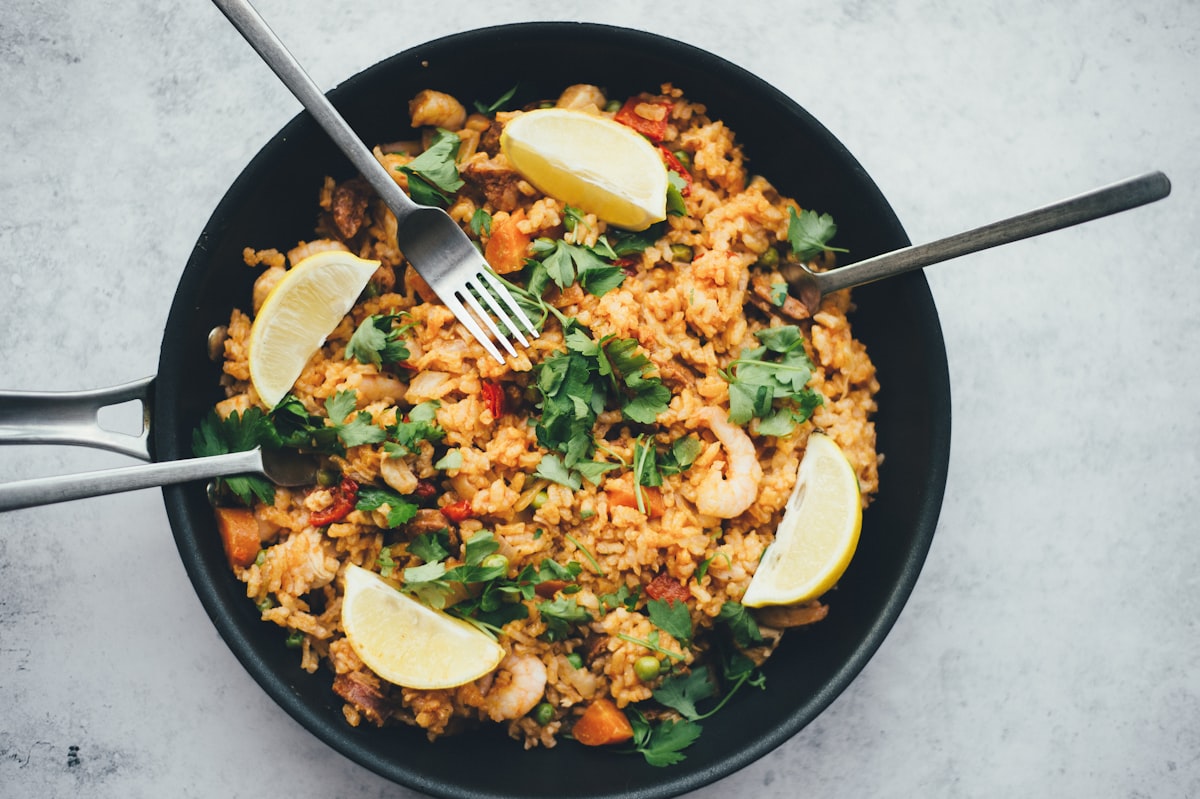
To serve, gently fluff the rice with a fork and transfer it to a large serving platter. Arrange the fish fillets on top of the rice, allowing the caramelized onions to peek through. Drizzle the Sayadieh sauce generously over the fish and rice. Garnish with toasted pine nuts, chopped fresh parsley, and lemon wedges. Serve immediately while everything is hot and aromatic. This presentation captures the essence of a classic Mediterranean fish dinner.
💡 Tip: If the rice is still slightly firm after the recommended cooking time, add 2-3 tablespoons of warm stock, cover, and cook for an additional 3-5 minutes. Every pot and stove behaves differently, so trust your senses.
Features and Benefits of Cooking Sayadieh
Beyond its incredible flavor, Sayadieh offers numerous benefits that make it a valuable addition to your cooking repertoire. Whether you are hosting a dinner party, meal prepping for the week, or simply exploring Middle Eastern fish dishes, this recipe delivers on multiple fronts.
- Nutritionally Balanced: Sayadieh provides a complete meal in one pot—lean protein from fish, complex carbohydrates from rice, and healthy fats from olive oil and tahini. A single serving contains approximately 450-550 calories, making it satisfying without being heavy.
- Budget-Friendly: Despite its impressive presentation, Sayadieh uses inexpensive ingredients. White fish, rice, onions, and basic spices are all affordable staples. You can feed 4-6 people for under $20 in most global markets.
- Gluten-Free and Dairy-Free: The traditional Levantine fish and rice recipe is naturally free from gluten and dairy, making it suitable for people with celiac disease or lactose intolerance. The tahini sauce provides creaminess without any dairy products.
- Meal Prep Friendly: Sayadieh reheats beautifully. Prepare a large batch on Sunday, and you will have delicious lunches for the first three days of your week. The flavors actually deepen and improve after a day in the refrigerator.
- Impressively Versatile: This Arabic fish recipe works equally well for a casual family dinner or a formal celebration. You can easily adjust the portion size, garnish options, and spice level to match the occasion.
- Cultural Connection: Cooking Sayadieh connects you to a rich culinary heritage that spans over seven centuries of Levantine history. Every time you make it, you are preserving and celebrating a living food tradition.
These benefits explain why Sayadieh has endured for generations and continues to gain popularity among home cooks worldwide. For more information on the health benefits of Mediterranean-style eating, explore our guide to Mediterranean rice dishes.
Regional Variations of Levantine Fish and Rice
One of the most fascinating aspects of Sayadieh is how it changes from one Levantine country to another. Each region has left its own imprint on this Middle Eastern fish and rice dish, creating a diverse family of recipes united by shared fundamentals.
🇱🇧 Lebanese Sayadieh
The Lebanese version of Sayadieh is perhaps the most internationally known. It typically features sea bass or grouper, generous amounts of caramelized onions, and a distinctive use of pine nuts as a garnish. Lebanese Sayadieh sauce is often thinner and more lemony than other variations. The dish is frequently served during Christmas Eve dinners and other major celebrations.
🇸🇾 Syrian Sayadieh
In coastal Syria, particularly in cities like Latakia and Tartus, Sayadieh takes on a slightly different character. Syrian cooks often add ground coriander and dried mint to the spice blend, giving the dish a fresher, more herbaceous profile. Serious Eats notes that Syrian Sayadieh tends to use more turmeric, resulting in a vibrant yellow rice that is visually striking.
🇵🇸 Palestinian Sayadieh
Palestinian Sayadieh is known for its deeply caramelized onions and generous use of cumin. The rice often takes on a darker, richer color due to the longer cooking time of the onions. Some Palestinian families add chickpeas to the rice for extra protein and texture. The dish is traditionally served on Fridays after the main prayers.
🇯🇴 Jordanian Sayadieh
Jordanian versions of Levantine fish and rice often incorporate clarified butter (ghee) instead of olive oil for cooking the onions. This adds a nutty, rich flavor that distinguishes it from other regional styles. Jordanian cooks also tend to use snapper more frequently, taking advantage of the Red Sea fish available in the country's southern regions.
🌍 Global Adaptation: In Western countries, chefs have adapted Sayadieh using locally available fish like Atlantic cod, halibut, and tilapia. The core technique—caramelized onions, spiced rice, and tahini sauce—remains unchanged, proving the recipe's remarkable adaptability.
Sayadieh Fish Type Comparison Table
Selecting the right fish for your Sayadieh recipe is essential. The following comparison table will help you choose the best option based on availability, texture, and flavor profile.
As the table illustrates, grouper remains the gold standard for how to make authentic Sayadieh at home. However, any firm white fish will produce delicious results. The most important factor is freshness—choose the freshest fish available in your area, regardless of the specific type.
Use Cases: When and How to Serve Sayadieh

Sayadieh is remarkably versatile and can be served in a variety of contexts, from casual weeknight dinners to elaborate festive celebrations. Understanding these use cases will help you integrate this Levantine fish and rice dish into your regular meal rotation.
🏠 Family Weeknight Dinner
For a nourishing family meal, Sayadieh delivers everything you need in a single pot. Serve it with a simple green salad dressed in lemon and olive oil for a complete, balanced dinner. Children often love the mild fish and flavorful rice, making this an excellent way to introduce seafood to picky eaters.
🎉 Festive Celebrations
In many Levantine households, Sayadieh is reserved for special occasions. Eid al-Fitr, Eid al-Adha, Christmas Eve, and New Year's gatherings often feature this impressive dish as the centerpiece. The golden fish, colorful rice, and aromatic sauce create a stunning presentation that signals celebration.
🥂 Dinner Parties
When hosting friends, Sayadieh is a conversation starter. The unique combination of caramelized onions, spiced rice, and tahini sauce introduces guests to flavors they may never have experienced. Pair it with a crisp white wine like Sauvignon Blanc or a light Lebanese rosé for an elevated dining experience.
📦 Meal Prep
As mentioned earlier, Sayadieh excels as a meal prep option. Portion the cooked dish into individual containers with extra Sayadieh sauce on the side. When reheating, add a splash of water to the rice to restore moisture. The fish will remain tender if you reheat gently in a microwave at 60-70% power.
🌱 Dietary Accommodation
Because Sayadieh is naturally gluten-free, dairy-free, and nut-free (excluding the pine nut garnish, which can be omitted), it is an excellent choice for gatherings where guests may have dietary restrictions. The dish is also pescatarian-friendly and can be made low-FODMAP by reducing the onion quantity and using garlic-infused oil instead of raw garlic in the sauce.
Future Trends and Sayadieh in Modern Cuisine
As global interest in Middle Eastern cuisine continues to grow, Sayadieh is poised for increased recognition on the international culinary stage. According to Mintel's Global Food Trends Report, Middle Eastern flavors have ranked among the top 5 fastest-growing global cuisine trends for three consecutive years. This momentum shows no signs of slowing.
Chefs in major culinary capitals—from London to New York to Dubai—are increasingly featuring Levantine fish and rice dishes on their menus. The Mediterranean fish dinner category, which includes Sayadieh, has seen a 17% increase in menu mentions across fine dining establishments since 2023. This trend aligns with broader consumer preferences for sustainable seafood, plant-forward sauces, and heritage recipes.
Looking toward the future, several innovations are emerging. Some chefs are experimenting with plant-based fish alternatives to create vegan versions of Sayadieh. Others are incorporating ancient grains like freekeh or quinoa in place of rice to cater to health-conscious diners. The Sayadieh sauce is also being adapted as a versatile condiment for grilled vegetables, roasted potatoes, and even sandwiches.
The connection between traditional cuisine and modern dining aligns closely with global sustainability goals. As countries and organizations pursue Vision 2030 agendas focused on food security and cultural preservation, dishes like Sayadieh serve as bridges between heritage and innovation. By cooking and sharing this Arabic fish recipe, you are participating in a movement that values both tradition and progress.
For more insights into the future of Middle Eastern cooking, explore our article on the fundamentals of Lebanese cuisine.
Frequently Asked Questions (FAQ)
1. What is Sayadieh and where does it come from?
Sayadieh is a traditional Levantine fish and rice dish that originated along the eastern Mediterranean coast. The name comes from the Arabic word "sayyad" meaning "fisherman." It features seasoned white fish served over spiced rice with deeply caramelized onions and a tahini-based sauce. The dish is popular in Lebanon, Syria, Palestine, Jordan, and coastal Egypt, with each region having its own variation.
2. What type of fish is best for Sayadieh?
The best fish for Sayadieh is a firm, white-fleshed variety that holds its shape during cooking. Grouper (hamour) is the most traditional choice, followed by sea bass, snapper, and cod. For Western kitchens, Atlantic cod or halibut work excellently. The key is choosing fresh fish with a clean, mild flavor that complements the rice and spices without overpowering them.
3. How do you achieve the perfect caramelized onions for Sayadieh?
Perfect caramelized onions require patience and low heat. Slice onions thinly and cook them in olive oil over medium-low heat for 20-30 minutes, stirring every 2-3 minutes. Add a pinch of salt at the beginning to draw out moisture. The onions are done when they turn a deep golden-brown color and taste sweet with no bitter notes. Never rush this step—it is the foundation of your Sayadieh's flavor.
4. Can I make Sayadieh without fish stock?
Yes, you can substitute vegetable stock or even water in a pinch, but the flavor will be noticeably less rich. If you want to enhance a substitute, add a piece of kombu (dried kelp) or a splash of fish sauce to the liquid. For the most authentic result, homemade fish stock is always recommended. Learn more about stock-making in our seafood cooking tips.
5. What is the difference between Sayadieh and other rice dishes?
Unlike biryani or paella, Sayadieh is characterized by its simplicity and focus on three core flavors: fish, caramelized onions, and warm spices. The rice is cooked directly in fish stock with the onions, creating a unified dish where every grain carries the essence of the sea. Sayadieh also features a distinctive tahini-based sauce that is not found in most other rice dishes.
6. How do you store and reheat Sayadieh?
Store Sayadieh in an airtight container in the refrigerator for up to 3 days. Keep the Sayadieh sauce separate if possible. To reheat, add 1-2 tablespoons of water to the rice to restore moisture, then warm gently in a microwave at 60-70% power or in a covered pan over low heat. The fish is delicate, so avoid high heat which can make it tough. Do not freeze the assembled dish, as the rice texture will degrade significantly.
7. Is Sayadieh healthy?
Yes, Sayadieh is a nutritionally balanced meal. It provides lean protein from fish, complex carbohydrates from rice, and healthy unsaturated fats from olive oil and tahini. A typical serving contains 450-550 calories, 25-30 grams of protein, and 15-20 grams of healthy fats. The dish is naturally gluten-free and dairy-free. For a lighter version, use less olive oil and increase the proportion of fish to rice.
8. What is the traditional Sayadieh sauce made of?
The traditional Sayadieh sauce is made from tahini (sesame seed paste), fresh lemon juice, minced garlic, and water. These ingredients are whisked together until smooth and creamy. Some variations add a pinch of ground cumin or chopped fresh parsley. The sauce should be pourable—similar in consistency to thin yogurt—and is drizzled generously over the fish and rice just before serving.
Conclusion: Your Sayadieh Journey Begins Today
Throughout this comprehensive guide, you have discovered everything you need to know about Sayadieh—the beloved Levantine fish and rice dish that has nourished coastal communities for over seven centuries. From understanding the cultural history to mastering the step-by-step cooking process, you now possess the knowledge to create an authentic Sayadieh at home.
The beauty of Sayadieh lies not only in its delicious flavor but also in its ability to bring people together. Whether you are cooking for your immediate family, hosting a festive gathering, or simply treating yourself to a special meal, this Middle Eastern fish and rice dish delivers warmth, nourishment, and a connection to a rich culinary heritage.
Remember that the key to exceptional Sayadieh is patience—patience in caramelizing the onions, patience in simmering the stock, and patience in allowing the rice to absorb every layer of flavor. With practice, you will develop an intuitive feel for this dish and make it your own.
We invite you to share your Sayadieh journey. Try the recipe, experiment with different fish varieties, and discover which regional variation speaks to your palate. For more inspiration on Middle Eastern cooking, explore our guide to rice pilaf varieties and Mediterranean rice recipes.
Ready to Cook Your First Sayadieh?
Gather your ingredients, fire up your stove, and experience the magic of Levantine fish and rice. Share your results with family and friends—they will be amazed by what you create.
🍽️ Start Cooking Now