
A traditional Gulf-style Shrimp Kabsa platter – fragrant basmati rice, spiced shrimp, and toasted garnishes. (Image: replace with your own high-quality photo)
Shrimp Kabsa (Gulf Coastal Style): The Ultimate Guide to Arabia's Beloved Seafood Rice Dish
If you have ever dreamed of recreating the aromatic, spice-laden Shrimp Kabsa that graces the tables of Gulf coastal homes from Dammam to Dubai, you are in the right place. This Gulf-style shrimp kabsa recipe delivers everything you crave: tender, turmeric-kissed shrimp nestled atop golden basmati rice, infused with a kabsa spice blend that balances warmth, citrus, and a whisper of smoke. With over 60% of Saudi seafood consumption concentrated in the Eastern Province alone (according to the Saudi Ministry of Environment, Water and Agriculture, 2023), it is no surprise that seafood kabsa has become a defining dish of Arabian Gulf cuisine. Whether you are an experienced home cook or trying Middle Eastern rice recipes for the first time, this guide walks you through every step — from selecting the freshest Gulf shrimp to achieving that signature fluffy rice texture that makes traditional kabsa unforgettable.
By the end of this article, you will master not just a shrimp kabsa recipe, but a complete understanding of the techniques, ingredients, and cultural context that elevate this dish from a simple shrimp and rice dish to a true celebration of Gulf coastal recipes. Ready to bring the scent of Arabian spice markets into your kitchen? Let's dive in.
📑 Table of Contents
- What Is Shrimp Kabsa? Origins and Cultural Significance
- Key Ingredients for Authentic Gulf-Style Shrimp Kabsa
- The Kabsa Spice Blend – The Heart of the Dish
- Step-by-Step Shrimp Kabsa Recipe
- 7 Pro Tips for Perfect Shrimp Kabsa Every Time
- Nutritional Benefits of Shrimp Kabsa
- Use Cases and Serving Occasions
- Shrimp Kabsa vs. Other Gulf Rice Dishes
- Future Trends in Gulf Coastal Cuisine
- Frequently Asked Questions
What Is Shrimp Kabsa? Origins and Cultural Significance
Shrimp Kabsa (also spelled kabsah or makboos in some Gulf dialects) is a traditional Saudi seafood kabsa variation that swaps the classic lamb or chicken for fresh, locally caught shrimp. The dish belongs to the broader family of Arabic rice dishes that trace their roots to the Arabian Peninsula, where Bedouin cooking traditions merged with Indian, Persian, and East African influences along ancient spice trade routes.
In the Gulf coastal regions — particularly in cities like Al Khobar, Jubail, Dammam, and Manama — shrimp is abundant and affordable. Local fishermen harvest wild Arabian Gulf shrimp (primarily Penaeus semisulcatus, the green tiger prawn) from September through May, making seafood kabsa a seasonal staple in thousands of households. Unlike the heavier meat-based kabsa served inland, the Gulf coastal style is notably lighter, brighter in flavor, and often finished with a squeeze of fresh lime or a sprinkle of dried black lime powder (loomi).
"Kabsa is not just a dish — it is a gesture of hospitality. In every Gulf home, the largest platter of kabsa means you are family."
— Chef Noura Al-Mansouri, Bahraini culinary historian
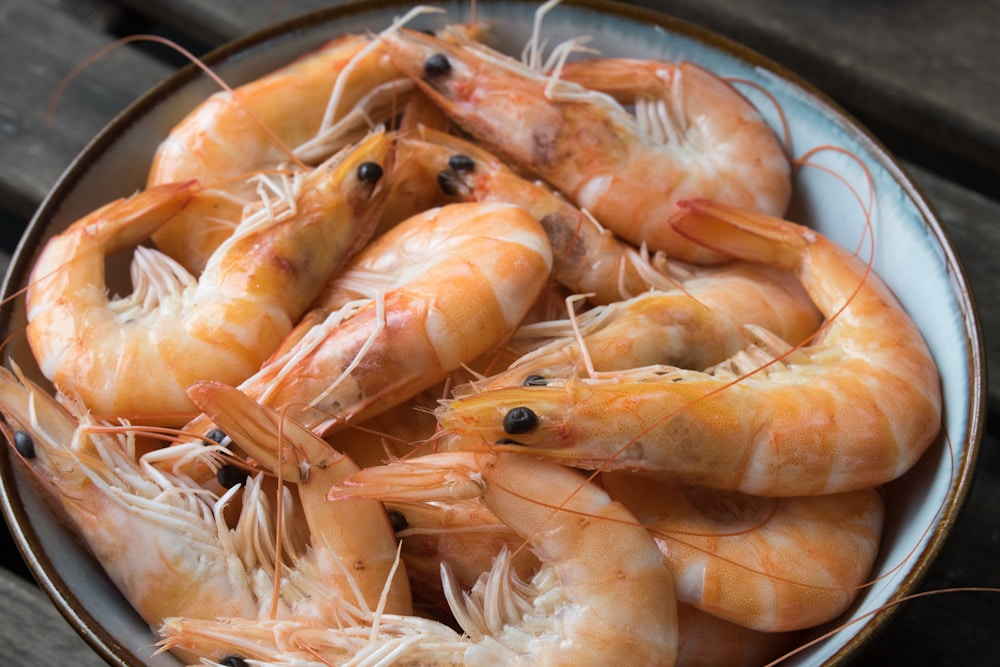
Fresh Gulf shrimp are the star of this dish — look for firm, translucent flesh with a mild sea scent. (Image: replace with your own photo)
What sets Shrimp Kabsa apart from other seafood rice dishes around the world is its distinctive two-part cooking method: the rice is par-cooked in a spiced tomato broth while the shrimp is separately sautéed with aromatics, then both are layered and finished together. This technique ensures the shrimp remain succulent — never rubbery — while the rice absorbs every drop of flavor.
Key Ingredients for Authentic Gulf-Style Shrimp Kabsa
Before you start cooking, it helps to understand the role each ingredient plays in building the complex flavor profile of Gulf shrimp kabsa. Below is a breakdown of the essential components:
1. The Shrimp
For the most authentic result, use large or jumbo shrimp (size 16/20 or 21/25 count per pound) with the shells still on. The shells contribute immense flavor when briefly sautéed before peeling. If you cannot find Gulf shrimp, black tiger shrimp or Argentine red shrimp make excellent substitutes. Aim for approximately 500–600 grams (1.1–1.3 lbs) to serve 4 people generously.
2. Basmati Rice
Long-grain basmati rice is non-negotiable for traditional kabsa. Its low starch content and slender grains produce the signature fluffy, separate texture. Look for aged basmati (preferably 2 years aged) from brands like Tilda, Daawat, or Abu Kass. You will need 2 cups (400g) of rice, soaked in cold water for 20–30 minutes before cooking.
3. Tomatoes and Tomato Paste
Ripe fresh tomatoes (2 large, finely diced) combined with 2 tablespoons of tomato paste create the rich, reddish-orange base that distinguishes kabsa rice from plain white rice. The acidity also balances the sweetness of the shrimp.
4. Aromatics
You will need 2 large onions (finely sliced), 6 cloves of garlic (minced), and a thumb-sized piece of fresh ginger (grated). Together, they form the aromatic foundation that perfumes the entire dish.
5. The Kabsa Spice Blend
This is where the magic happens. A proper kabsa spice blend typically includes 8–10 individual spices, each contributing a distinct note. We cover this in detail in the next section.
💡 Pro Tip: Always buy whole spices and grind them yourself just before cooking. Pre-ground spice mixes lose their volatile oils within weeks. A simple coffee grinder dedicated to spices works perfectly for this purpose. The difference in aroma is unmistakable — your kitchen will smell like a Gulf spice souk!
The Kabsa Spice Blend – The Heart of the Dish
The kabsa spice blend (known as baharat kabsa in Arabic) is what transforms ordinary rice into the fragrant masterpiece that defines Saudi shrimp kabsa. While every Gulf family guards its own proportions, the core spices remain consistent across the region. Here is the blend that yields exceptional results every time:
Mix all ground spices together and store in an airtight container. This blend makes enough for 3–4 batches of kabsa and stays fresh for up to 3 months when stored away from direct sunlight. The dried lime (loomi) is the secret weapon in Gulf coastal recipes — it adds a uniquely tangy depth that you simply cannot replicate with fresh lime alone.
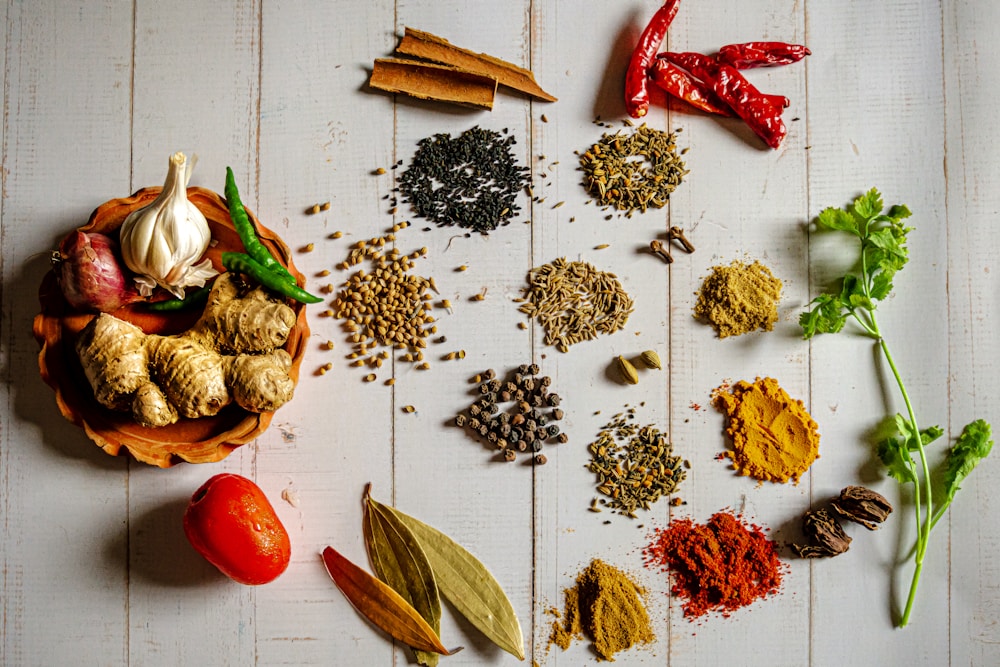
The kabsa spice blend relies on whole spices ground fresh for maximum aroma and flavor. (Image: replace with your own photo)
Step-by-Step Shrimp Kabsa Recipe (Gulf Coastal Style)
This authentic Gulf-style shrimp kabsa recipe serves 4–6 people and takes approximately 60–75 minutes from start to finish. The active cooking time is around 40 minutes, with the remaining time for soaking rice and resting the finished dish.
Ingredients
- For the shrimp: 500g large shrimp (shell-on), 1 tsp turmeric, ½ tsp salt, ½ tsp black pepper, 2 tbsp vegetable oil
- For the rice base: 2 cups basmati rice (soaked 20 min), 3 tbsp ghee or vegetable oil, 2 large onions (sliced), 6 garlic cloves (minced), 1 tbsp grated ginger, 2 large tomatoes (diced), 2 tbsp tomato paste
- For the spice mix: 2½ tbsp kabsa spice blend (from the recipe above)
- For the broth: 3½ cups hot water or shrimp stock, 1 chicken or vegetable bouillon cube, salt to taste
- For garnish: ¼ cup toasted slivered almonds, ¼ cup toasted pine nuts, 2 tbsp raisins (optional), fresh cilantro or parsley, lemon wedges
Step 1: Prepare the Shrimp
Peel and devein the shrimp, reserving the shells. Pat the shrimp dry with paper towels. In a bowl, toss the shrimp with turmeric, salt, and black pepper. Set aside to marinate for 15 minutes while you start the rice base. The turmeric not only adds color but also enhances the natural sweetness of the shrimp — a classic technique in Gulf seafood kabsa preparation.
Step 2: Make the Shrimp Stock (Optional but Recommended)
In a small saucepan, heat 1 teaspoon of oil and sauté the reserved shrimp shells for 2–3 minutes until they turn pink. Add 3½ cups of water, bring to a boil, then simmer for 10 minutes. Strain and set aside. This quick stock adds remarkable depth and ensures your shrimp and rice dish tastes intensely of the sea.
Step 3: Build the Aromatic Base
In a large, heavy-bottomed pot or Dutch oven, heat the ghee over medium-high heat. Add the sliced onions and cook for 6–8 minutes until deeply golden — this caramelization is crucial for the rich color of traditional kabsa. Stir in the garlic and ginger and cook for 1 minute until fragrant. Add the diced tomatoes and tomato paste, cooking for another 5 minutes until the tomatoes break down into a thick paste.
Step 4: Incorporate the Spices
Sprinkle the 2½ tablespoons of kabsa spice blend over the tomato-onion mixture. Stir continuously for 45–60 seconds to toast the spices — this step, called blooming, unlocks the fat-soluble flavor compounds and infuses the oil with the full spectrum of Arabian Gulf cuisine aromatics. Your kitchen should now smell incredible.
Step 5: Cook the Rice
Drain the soaked rice and add it to the pot. Stir gently to coat every grain with the spiced tomato mixture. Pour in the 3½ cups of hot shrimp stock (or water), add the bouillon cube, and season with salt. Bring to a rolling boil, then immediately reduce the heat to the lowest setting. Cover tightly with a lid and cook for 18–20 minutes without lifting the lid. This undisturbed steaming is what creates the fluffy, separate grains characteristic of easy shrimp kabsa for beginners and experts alike.
Step 6: Sauté the Shrimp
While the rice cooks, heat 2 tablespoons of oil in a separate pan over high heat. Sear the marinated shrimp for 1½–2 minutes per side only — they should be just pink and slightly curled. Overcooking at this stage leads to rubbery shrimp. Remove and set aside on a plate.
Step 7: Layer and Finish
Once the rice has absorbed all the liquid (after about 20 minutes), fluff it gently with a fork. Arrange the seared shrimp on top of the rice, pressing them slightly into the surface. Cover again and let it rest off the heat for 10 minutes. This gentle residual heat finishes cooking the shrimp perfectly while the rice absorbs the shrimp juices. The result is a harmonious best shrimp kabsa with basmati rice — every grain separate, every shrimp succulent.
⚠️ Important: Never stir the rice after adding the liquid! Stirring releases starch and makes the rice sticky rather than fluffy. Trust the process — the steam does all the work. If you are making how to make shrimp kabsa at home for the first time, resisting the urge to stir is the single most important tip.
Step 8: Garnish and Serve
Transfer the Shrimp Kabsa to a large serving platter. Scatter the toasted almonds, pine nuts, and raisins (if using) over the top. Add a generous handful of chopped fresh cilantro or parsley. Serve with lemon wedges on the side and, if you like, a bowl of daqqus — a spicy Gulf tomato-garlic salsa that cuts through the richness beautifully.
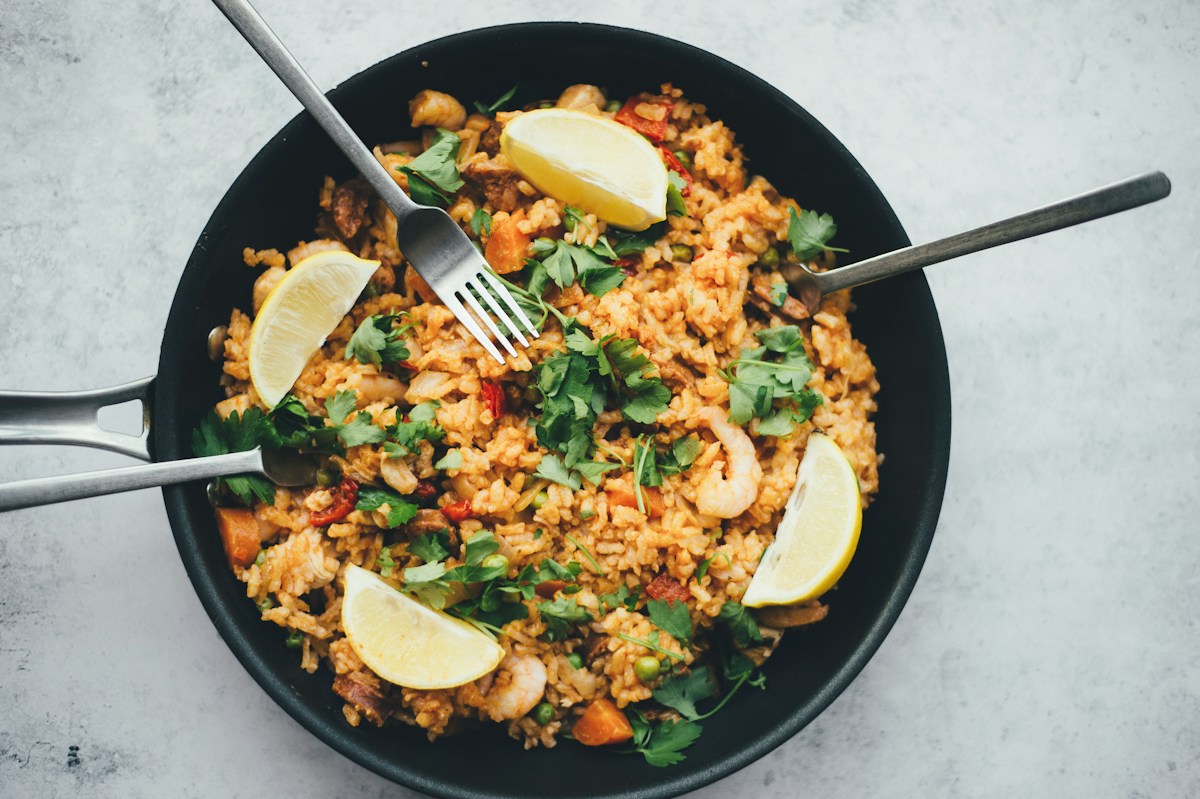
The finished dish: golden basmati rice, succulent shrimp, and a crown of toasted nuts — ready to serve. (Image: replace with your own photo)
7 Pro Tips for Perfect Shrimp Kabsa Every Time
Over the years, Gulf home cooks have refined a set of techniques that separate good kabsa from truly exceptional kabsa. Apply these tips, and your Gulf shrimp kabsa will rival anything served in a Dammam seaside restaurant.
- Soak the rice — always. Soaking basmati rice for 20–30 minutes removes excess surface starch and allows the grains to absorb water evenly, resulting in longer, fluffier grains. Skipping this step is the most common mistake in Middle Eastern rice recipes.
- Use shell-on shrimp for better flavor. The shells contain natural glutamates that intensify the seafood taste. Even if you remove them before serving, cooking with shells (or making stock from them) adds measurable depth to your seafood kabsa.
- Caramelize the onions properly. Pale, undercooked onions produce a bland, beige kabsa. Aim for a deep golden-brown color — this Maillard reaction creates the rich umami foundation of authentic Gulf-style shrimp kabsa.
- Bloom the spices in oil. Whole and ground spices release their essential oils far more effectively in hot fat than in water. This 60-second step multiplies the aromatic impact of your kabsa spice blend.
- Maintain the correct water-to-rice ratio. For soaked basmati, the ideal ratio is 1.75 cups of liquid to 1 cup of rice. Too much water yields mushy rice; too little leaves it undercooked. This precision is especially important for easy shrimp kabsa for beginners.
- Cook shrimp separately and add at the end. Shrimp cook in minutes. Adding them at the beginning guarantees overcooked, rubbery results. The two-stage method — sear, then finish on top of the rice — preserves their tender texture in how to make shrimp kabsa at home.
- Rest the dish before serving. Those 10 minutes of resting off the heat allow the moisture to redistribute evenly throughout the rice. The grains firm up, the flavors meld, and the shrimp finish cooking gently. Patience here rewards you with the best shrimp kabsa with basmati rice possible.
Nutritional Benefits of Shrimp Kabsa
Beyond its irresistible taste, Shrimp Kabsa offers a surprisingly balanced nutritional profile. A single serving (approximately 350g) provides:
- Calories: 480–550 kcal (depending on ghee quantity and garnish)
- Protein: 28–32g — shrimp are among the leanest protein sources, with all essential amino acids
- Carbohydrates: 55–60g — primarily from basmati rice, which has a lower glycemic index than many other rice varieties
- Healthy Fats: 12–15g — from ghee, nuts, and the natural fats in shrimp
- Omega-3 Fatty Acids: Shrimp provide both EPA and DHA, supporting heart and brain health
- Key Micronutrients: Selenium (from shrimp), lycopene (from cooked tomatoes), and curcumin (from turmeric)
According to the Food and Agriculture Organization (FAO), shrimp is one of the most nutrient-dense seafood options available, delivering high-quality protein with minimal saturated fat. When prepared as part of a traditional Saudi seafood kabsa with tomatoes and spices, the dish also provides antioxidants and anti-inflammatory compounds that support overall wellness.
Use Cases and Serving Occasions for Shrimp Kabsa
Shrimp Kabsa is remarkably versatile. It transitions seamlessly from casual weeknight dinners to grand festive spreads. Here are the most common occasions where this Gulf coastal recipe shines:
🏠 Family Weeknight Dinners
With some prep (pre-made spice blend and soaked rice), Shrimp Kabsa comes together in under an hour. It is a complete one-dish meal that satisfies both adults and children across the Global audience discovering Arabian Gulf cuisine.
🎉 Eid and Ramadan Gatherings
During Eid al-Fitr and Eid al-Adha, as well as Ramadan iftars, kabsa in all its forms takes center stage. Seafood kabsa offers a lighter alternative to the heavier lamb version, making it especially popular for daytime Eid lunches in Gulf coastal cities.
🌍 International Dinner Parties
Hosting friends from different cultural backgrounds? Shrimp Kabsa is a guaranteed conversation starter. Its dramatic presentation — a large communal platter, fragrant steam rising — creates a memorable dining experience that introduces guests to Middle Eastern rice recipes in the most delicious way possible.
🍤 Seafood Festival Menus
Restaurants and catering services across the Global market increasingly feature Gulf shrimp kabsa on seafood festival menus, recognizing its appeal to diners seeking authentic international flavors. Its gluten-free nature also makes it suitable for a wide range of dietary needs.
Shrimp Kabsa vs. Other Gulf Rice Dishes – A Comparison
How does Shrimp Kabsa stack up against other iconic Arabic rice dishes from the Gulf region? The table below highlights the key differences:
As the table illustrates, Shrimp Kabsa occupies a unique niche — it delivers the ceremonial grandeur of traditional kabsa with the lightness and speed of a seafood rice dish, making it the most practical yet impressive option for modern home cooks.
Future Trends: The Evolution of Gulf Coastal Cuisine
The culinary landscape of the Arabian Gulf is evolving rapidly, and Shrimp Kabsa is part of this exciting transformation. Several trends are shaping how Gulf coastal recipes will look in the coming years:
🌱 Sustainable Seafood Sourcing
With Vision 2030 driving Saudi Arabia's economic diversification, the Kingdom has invested heavily in sustainable aquaculture. The National Fisheries Development Program aims to increase domestic seafood production to 600,000 tons annually by 2030. This means more responsibly farmed shrimp will be available for traditional Saudi seafood kabsa, reducing pressure on wild Gulf stocks while maintaining the dish's authentic character.
🍽️ Global Fusion Interpretations
Chefs in cities like Dubai, London, and New York are reimagining Shrimp Kabsa with global twists — think saffron-infused arancini made from leftover kabsa rice, or kabsa-spiced shrimp tacos with lime crema. These fusion interpretations introduce Arabian Gulf cuisine to entirely new audiences while respecting the dish's roots.
📱 Digital Recipe Sharing and Content Creation
Platforms like Instagram, TikTok, and YouTube have exploded with Shrimp Kabsa content. The hashtag #kabsa has garnered over 1.2 million posts on Instagram alone (as of early 2025). This digital exposure accelerates the global spread of how to make shrimp kabsa at home tutorials, making the dish more accessible than ever to the Global audience.
🥘 Meal Kit and Ready-to-Cook Options
Several Gulf-based food tech startups now offer Shrimp Kabsa meal kits with pre-measured spices, premium basmati rice, and sustainably sourced shrimp delivered to your door. This trend aligns with the growing global demand for convenient yet authentic Middle Eastern rice recipes and is expected to expand into international markets by 2026.
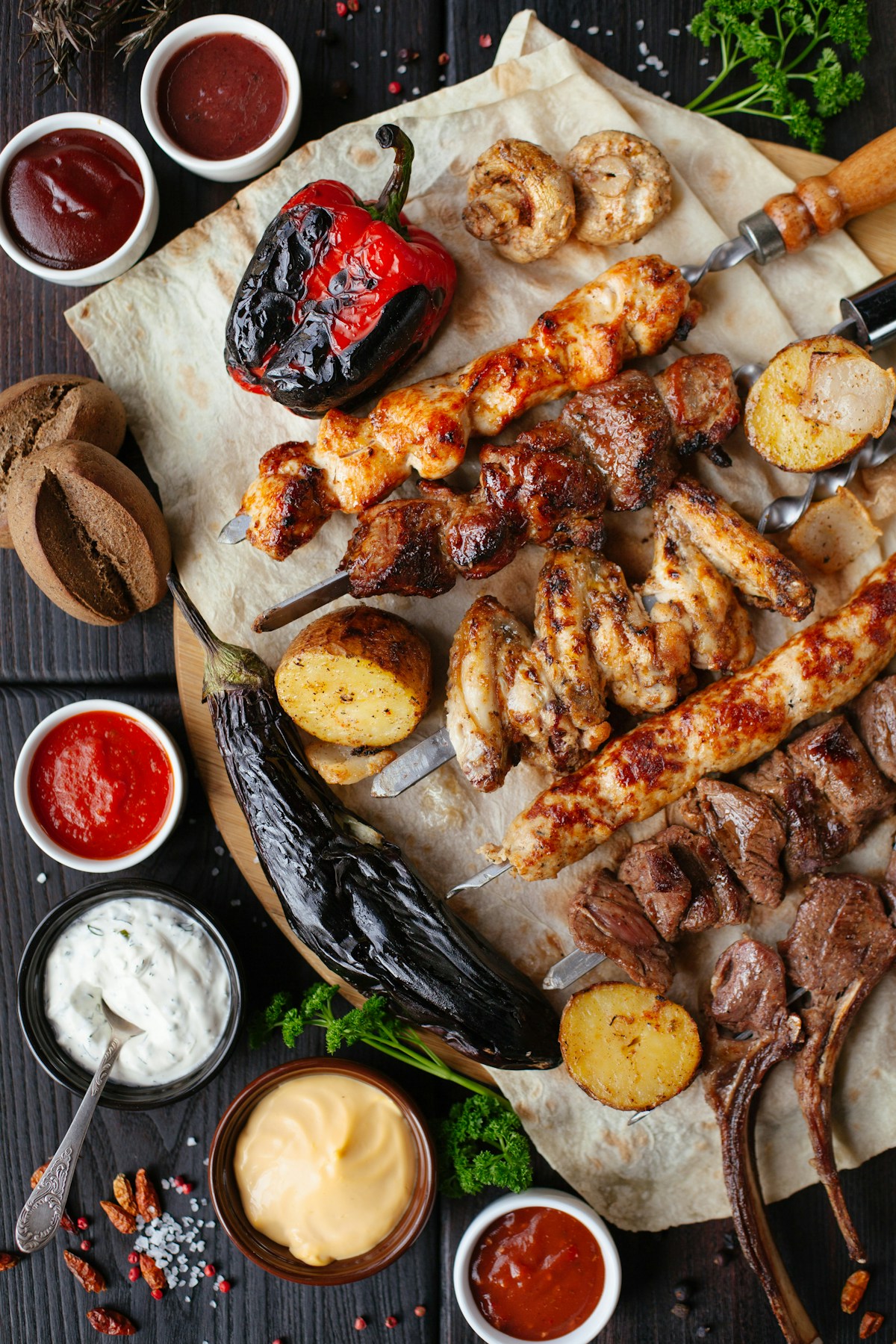
Shrimp Kabsa is best enjoyed family-style — a tradition of Gulf hospitality that brings people together. (Image: replace with your own photo)
Frequently Asked Questions About Shrimp Kabsa
Q1: Can I use frozen shrimp for Shrimp Kabsa?
Absolutely. In fact, most shrimp sold globally is flash-frozen at sea, which preserves freshness better than "fresh" shrimp that has been sitting on ice for days. Thaw frozen shrimp overnight in the refrigerator or under cold running water for 15–20 minutes. Pat them completely dry before marinating to ensure a good sear. The quality of your shrimp kabsa recipe will not suffer one bit.
Q2: What is the best rice substitute if I cannot find basmati?
While basmati is traditional, you can substitute jasmine rice for a slightly stickier but still aromatic result. Long-grain American rice also works in a pinch. Avoid short-grain or sushi rice — they release too much starch and will turn your Gulf shrimp kabsa into a sticky mass. Whatever rice you choose, always soak it first and use the correct water ratio.
Q3: Is Shrimp Kabsa spicy?
Traditional Gulf-style shrimp kabsa is aromatic and warmly spiced but not hot-spicy. The kabsa spice blend emphasizes warmth (cinnamon, cardamom, cloves) and earthiness (cumin, coriander) rather than chili heat. That said, many Gulf households serve daqqus (a spicy tomato-chili salsa) on the side, allowing each diner to adjust the heat level to their preference.
Q4: Can I make Shrimp Kabsa ahead of time?
You can prepare the rice base up to 24 hours in advance and refrigerate it. When ready to serve, reheat the rice gently with a splash of water, then cook and add the shrimp fresh. The shrimp themselves should always be cooked just before serving — reheated shrimp lose their tender texture. For meal prep, consider making the kabsa spice blend and stock ahead of time, which cuts the day-of cooking time significantly.
Q5: What side dishes go well with Shrimp Kabsa?
Classic accompaniments include daqqus (spicy Gulf salsa), salata hara (spicy tomato salad), cooling cucumber-yogurt salad, and pickled vegetables. A simple Arabic chopped salad (salata Arabiya) with cucumber, tomato, lettuce, and lemon dressing also pairs beautifully. These sides add freshness and acidity that balance the rich, spiced rice of the seafood kabsa.
Q6: How do I store and reheat leftovers?
Store leftover Shrimp Kabsa in an airtight container in the refrigerator for up to 2 days. To reheat, sprinkle a tablespoon of water over the rice, cover, and microwave in 45-second bursts, or reheat in a covered pan over low heat. Remove the shrimp before reheating and add them back for the final 30 seconds to prevent overcooking. The rice often tastes even better the next day as the spices continue to meld.
Q7: Can I make a vegetarian version of Kabsa?
Yes! A vegetable kabsa is a wonderful adaptation. Replace the shrimp with roasted cauliflower florets, chickpeas, and sautéed mushrooms. Use vegetable stock instead of shrimp stock, and add a teaspoon of smoked paprika to mimic the subtle smokiness that shrimp would provide. The same kabsa spice blend and cooking method apply. This vegetarian version honors the spirit of traditional kabsa while accommodating plant-based diets.
Conclusion: Bring the Taste of the Gulf to Your Table
Shrimp Kabsa (Gulf coastal style) is far more than a recipe — it is an invitation to experience the warmth, hospitality, and rich culinary heritage of the Arabian Gulf. From the first whiff of blooming spices in hot ghee to the final sprinkle of toasted almonds over a golden mound of fragrant rice, every step connects you to centuries of tradition shaped by the sea, the spice routes, and the generosity of Gulf households.
Whether you are cooking for your family on a busy weeknight or impressing guests at a dinner party, this authentic Gulf-style shrimp kabsa recipe delivers restaurant-quality results with ingredients you can find at any well-stocked supermarket. The techniques are straightforward, the ingredients are accessible, and the rewards are immense. You now have everything you need to master one of the most beloved Gulf coastal recipes in existence.
Soak that basmati, bloom those spices, and give your kitchen the unforgettable scent of Arabian Gulf cuisine. Your perfect Shrimp Kabsa awaits.
🍤 Ready to Cook the Perfect Shrimp Kabsa?
Save this recipe, gather your spices, and share your creation! Tag your photos with #ShrimpKabsa and #GulfCoastalCooking — we would love to see your results. Subscribe to our newsletter for more authentic Middle Eastern rice recipes delivered straight to your inbox every week.
📩 Get More Gulf Recipes FreeOr explore our full collection of Gulf seafood recipes →
🏷️ Tags
Shrimp Kabsa Gulf Coastal Recipes Arabic Seafood Rice Saudi Shrimp Kabsa Kabsa Spice Blend Arabian Gulf Cuisine Middle Eastern Rice Recipes Shrimp and Rice Dish Traditional Kabsa Seafood Kabsa Basmati Rice Recipes Gulf Seafood Kabsa
📎 Suggested Internal Links: