Which Rice for Which Gulf Dish: The Ultimate Guide to Perfect Arabic Rice
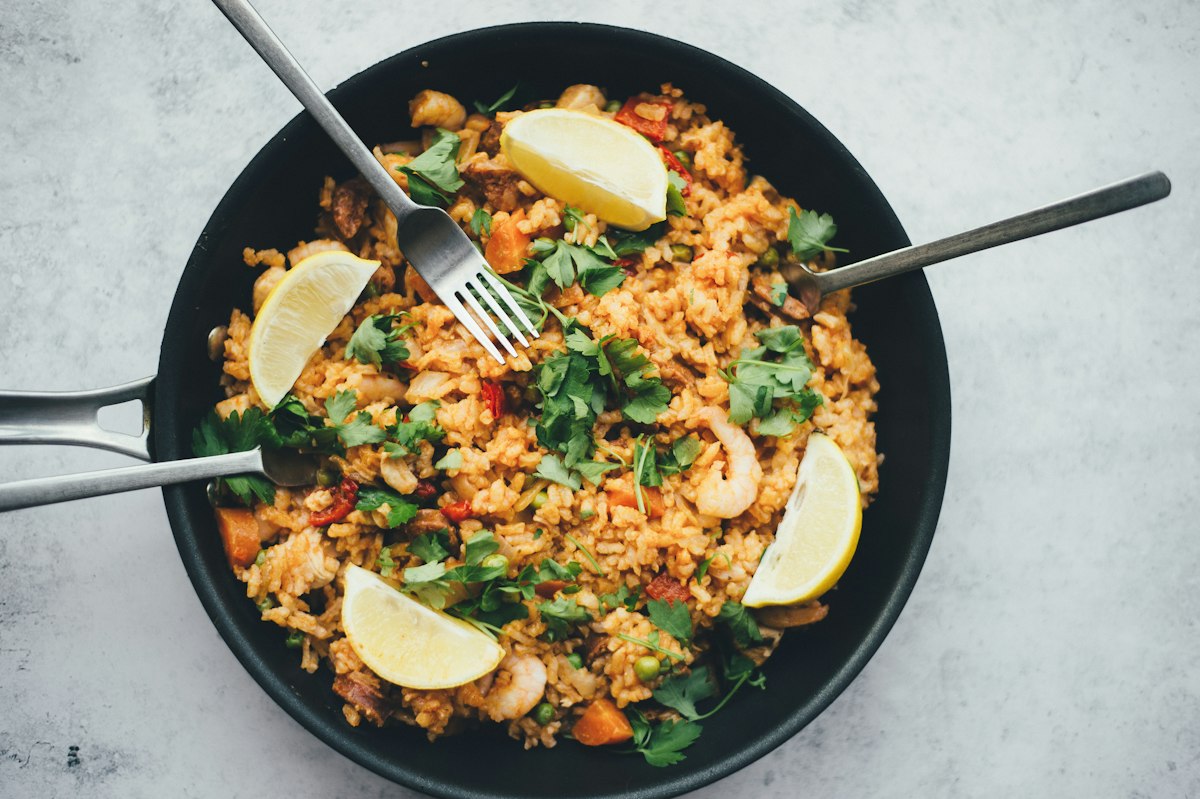
A traditional Gulf-style rice platter featuring long-grain Basmati rice, slow-cooked lamb, and regional spices.
Choosing the right rice for Gulf dishes is the single most important decision you will make in your kitchen. If you have ever wondered why your Kabsa rice turns out sticky, your Mandi lacks that signature fluffy separation, or your Gulf-style Biryani feels heavy instead of light, the answer almost always lies in the rice variety you selected. The wrong rice can ruin hours of careful preparation.
According to the Food and Agriculture Organization (FAO), the Middle East imports over 4.5 million metric tons of rice annually, with Gulf Cooperation Council (GCC) countries ranking among the highest per-capita rice consumers globally. Saudi Arabia alone consumes approximately 45 kilograms of rice per person per year, making rice selection a daily culinary decision for millions of households. Understanding which rice for which Gulf dish is not just a cooking tip; it is the foundation of authentic flavor.
In this comprehensive guide, you will learn exactly what rice to use for Kabsa, the ideal rice selection for Gulf recipes, how Basmati rice for Gulf cooking differs from other varieties, and the professional techniques that guarantee perfect results every time. Whether you are preparing a festive Mandi rice platter for Eid or a simple weeknight Machboos, this guide covers everything you need to know.
📋 Table of Contents
- Understanding Rice Fundamentals for Gulf Cuisine
- The Essential Rice Varieties for Gulf Cooking
- Matching Rice to Specific Gulf Dishes
- Rice Variety Comparison Table
- Common Mistakes and How to Avoid Them
- Pro Tips for Perfect Gulf Rice Every Time
- Future Trends in Gulf Rice Preparation
- Frequently Asked Questions
- Conclusion
Understanding Rice Fundamentals for Gulf Cuisine
Before diving into specific dish recommendations, you need to understand the science behind rice selection for Gulf recipes. The Gulf region has a distinct culinary identity that differs from Levantine, South Asian, or East Asian cooking traditions. Gulf rice dishes are characterized by their light, fluffy, and well-separated grains that absorb rich meat broths, saffron, dried limes (loomi), and warm spices like cardamom, cinnamon, and cloves without becoming mushy.
The key factor that determines whether a rice will succeed in Gulf cooking is the amylose content. Rice with high amylose (20-25%) produces firm, separate grains after cooking. According to rice science research from the International Rice Research Institute (IRRI), Basmati rice contains approximately 22-25% amylose, making it the gold standard for Gulf dishes. In contrast, Jasmine rice has only 15-18% amylose, which results in softer, stickier cooked grains that clump together.
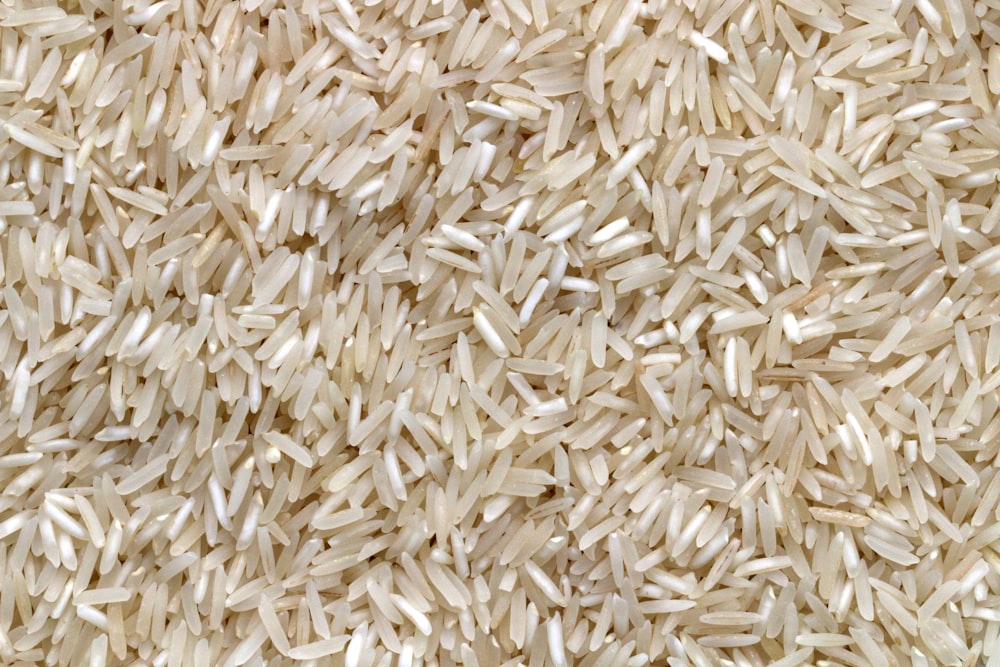
Premium golden Basmati rice grains display the characteristic elongated shape ideal for Gulf rice dishes.
Furthermore, the aging process plays a crucial role. Aged Basmati rice, which has been stored for 12-24 months, loses excess moisture and develops a more intense aroma. This aging process is essential for achieving the distinctive nutty fragrance that Gulf rice dishes are famous for. Fresh rice, in contrast, tends to absorb water unevenly and can break during the long, slow cooking methods used in Gulf cuisine.
Another critical concept is the water-to-rice ratio. Unlike East Asian short-grain rice that requires a 1:1.2 ratio, most long-grain rice for Arabic cooking needs a ratio between 1:1.5 and 1:1.75. However, this ratio varies depending on whether you are using the absorption method, the draining method, or the traditional mandi steaming technique where rice is partially cooked in broth and then finished over steam.
💡 TIP: Always rinse your rice 3-4 times in cold water until the water runs clear. This removes excess surface starch, which is the primary cause of sticky, clumpy rice. For extra fluffy results, soak Basmati rice in cold water for 30 minutes before cooking.
Now that you understand the fundamentals, let us explore the specific rice varieties that dominate Gulf kitchens. Knowing the difference between Basmati and regular rice for Gulf dishes will transform your cooking from good to exceptional.
The Essential Rice Varieties for Gulf Cooking
The Gulf region relies on a select group of rice varieties that have proven themselves over centuries of culinary tradition. Here are the essential rice types for Gulf dishes that every home cook should know.
1. Aged Basmati Rice — The Undisputed King
When someone asks which rice for which Gulf dish, the answer almost always starts with aged Basmati rice. This long-grain rice, grown primarily in the Himalayan foothills of India and Pakistan, is prized for its extra-long grains that can double in length during cooking. The best Basmati rice for Gulf cooking is aged for at least 18-24 months, which intensifies its natural fragrance and ensures grains remain separate and fluffy after cooking.
For authentic Kabsa rice and Mandi rice, look for Basmati labeled "extra-long grain" or "premium aged." Brands like Tilda, India Gate, and Abu Kass are widely trusted across GCC countries. The average price for premium aged Basmati in Gulf markets ranges from SAR 25-45 (USD 7-12) per 5 kg bag, reflecting its status as a premium ingredient.
2. Sella (Parboiled) Basmati Rice — The Forgiving Choice
Sella Basmati, also known as parboiled Basmati, undergoes a steam-pressure process before milling. This process drives nutrients from the bran into the grain and makes the rice more resistant to overcooking. Sella Basmati is the best rice for Gulf biryani when you are preparing large quantities or cooking for a crowd, because it is much harder to ruin.
The grains of Sella Basmati are slightly yellowish and become whiter after cooking. They hold their shape exceptionally well even with extended cooking times, making them ideal for slow-cooked Gulf rice dishes like Jareesh or Harees where rice is cooked with wheat or meat for hours. Many professional Gulf chefs use a 50/50 blend of white and Sella Basmati to balance aroma with structural integrity.
3. Egyptian Rice (Medium-Grain) — The Everyday Staple
Egyptian rice, also called short or medium-grain rice, is shorter and rounder than Basmati. It has a higher starch content, which means it cooks up softer and slightly stickier. This rice for Arabic side dishes is perfect for Mahshi (stuffed vegetables), Roz bil Laban (rice pudding), and simple everyday white rice served alongside stews and grilled meats.
Egyptian rice absorbs flavors aggressively and has a creamier mouthfeel than Basmati. It is also significantly cheaper, costing about SAR 10-15 (USD 3-4) per 5 kg bag. For dishes where rice is not the star but a supporting player, Egyptian rice is an excellent and economical choice for Gulf households.
4. Jasmine Rice — A Limited Role
Jasmine rice, native to Thailand, has a delicate floral aroma but a softer, clingier texture than Basmati. While it is not traditional for main Gulf rice dishes, some modern Gulf fusion kitchens use Jasmine rice for seafood-based rice dishes like Sayadieh (fish rice) or shrimp Majboos where a slightly softer grain complements delicate seafood flavors.
If you decide to experiment with Jasmine rice for Gulf dishes, reduce the water ratio by 10-15% and avoid soaking, as Jasmine rice becomes overly soft quickly. The question of can I use Jasmine rice for Kabsa is common, and the short answer is: you can, but the result will be less authentic in texture.
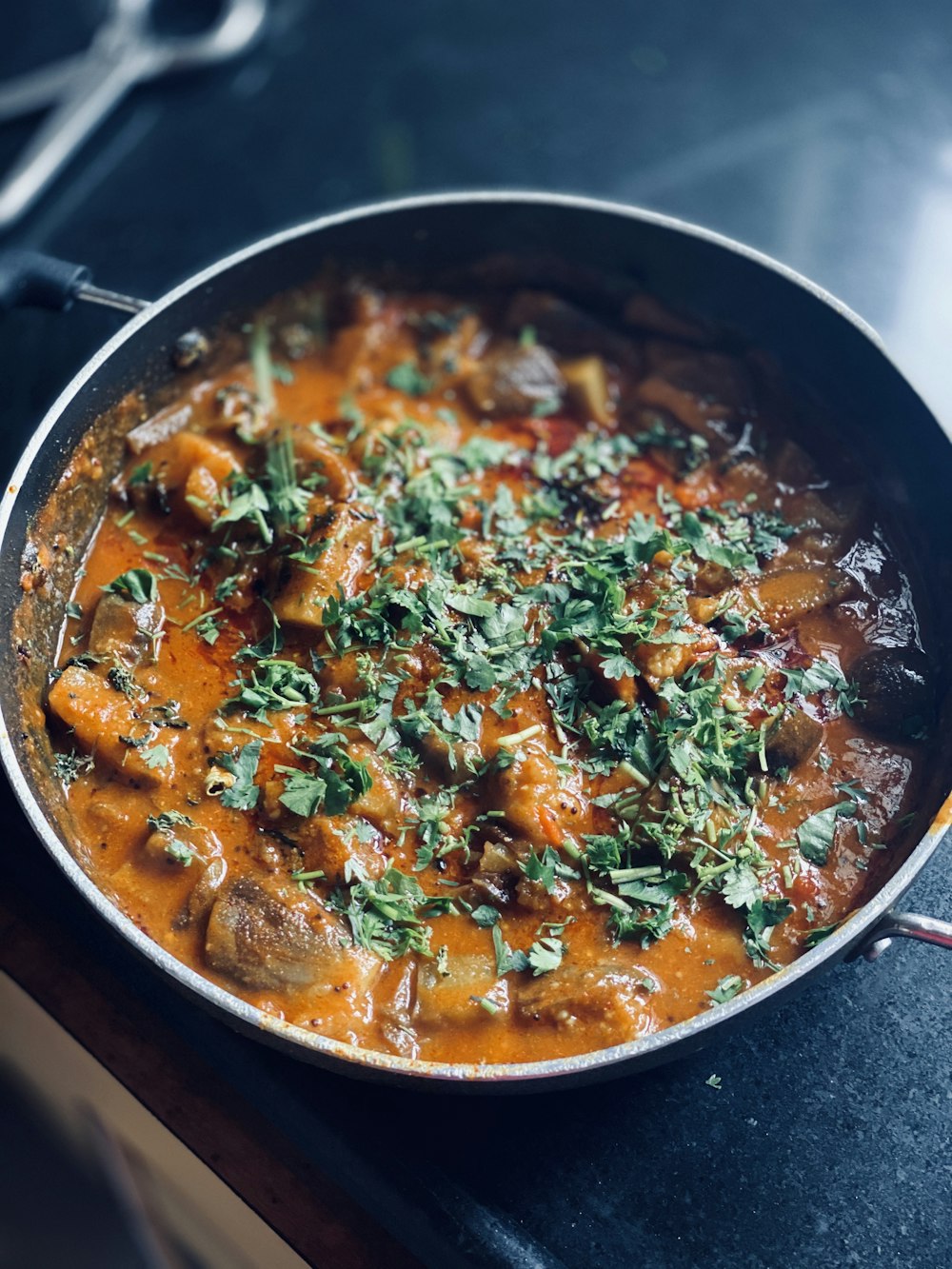
Properly cooked long-grain rice should have fluffy, well-separated grains — the hallmark of quality Gulf rice preparation.
Matching Rice to Specific Gulf Dishes
Now that you know the main rice varieties, let us match each one to the specific Gulf dishes where it performs best. This is the heart of understanding which rice for which Gulf dish.
Kabsa (Saudi National Dish) — Aged White Basmati
Kabsa rice demands the best. As Saudi Arabia's national dish, Kabsa relies on premium aged white Basmati rice that can absorb the rich, spiced chicken or lamb broth while maintaining individual grain separation. The traditional Kabsa cooking method involves simmering the rice in a heavily spiced meat broth with tomatoes, which adds both color and depth.
Why aged white Basmati? The aging process ensures the grains do not break during the vigorous simmering, and the natural aroma of Basmati complements the Kabsa spice blend (which typically includes black lime, cardamom, cinnamon, and bay leaves) without competing with it. For the best Kabsa rice recipe results, look for Basmati labeled "Kabsa rice" in Gulf supermarkets — many brands now market Basmati specifically for this dish.
Mandi (Yemeni-Gulf Classic) — Aged Basmati or Sella Basmati
Mandi rice is traditionally cooked using a unique steaming method where rice is placed over a pot of simmering meat, absorbing the aromatic steam. The rice is cooked partially in broth, then finished over the meat's steam, creating an incredibly flavorful yet light dish. For Mandi, aged Basmati or a Basmati-Sella blend works best because the rice needs to withstand the two-stage cooking process without becoming mushy.
The best rice for Mandi should be extra-long grain with high structural integrity. Many Yemeni and Saudi chefs recommend using Sella Basmati for Mandi rice because the parboiling process makes the grains virtually unbreakable, which is crucial when the rice sits in the steamer for 30-45 minutes absorbing meat drippings and saffron-infused steam.
⚠️ ALERT: Never use short-grain or sushi rice for Mandi or Kabsa. The high starch content will create a gummy, dense mass that traps moisture and ruins the signature fluffy texture. If you only have short-grain rice available, it is better to choose a different dish.
Gulf-Style Biryani — Sella Basmati or 50/50 Blend
While Biryani originated in South Asia, the Gulf has developed its own distinct version that is lighter, less oily, and more aromatic than its Indian counterpart. Gulf Biryani rice should be fluffy and well-separated, without the heavy ghee coating common in Indian biryani. For this, Sella Basmati is the best rice for Gulf biryani because it maintains its shape even when layered with meat and sauce.
Many Gulf restaurants use a 50/50 blend of white and Sella Basmati for biryani. This combination gives you the intense aroma of white Basmati with the structural strength of Sella. If you are making biryani at home and have had issues with mushy rice in the past, try switching to 100% Sella Basmati for your next batch.
Machboos (Bahraini/Kuwaiti Dish) — Aged Basmati
Machboos, also called Majboos, is similar to Kabsa but typically uses a drier spice blend and often features seafood. The rice for Machboos should be aged Basmati, with an emphasis on extra-long grains that can hold up to the generous use of dried limes and turmeric. Bahraini Machboos, in particular, has a distinctive golden color that comes from the heavy use of turmeric in the cooking liquid.
Sayadieh (Fish Rice) — Egyptian Rice or Jasmine
Sayadieh is a coastal dish found throughout the Gulf and Levant, featuring rice cooked in fish stock with caramelized onions. The rice for Sayadieh should be slightly softer and more absorbent than what you would use for Kabsa. Egyptian medium-grain rice is traditional for this dish because it creates a creamier texture that coats the palate and carries the rich fish flavor beautifully.
Some modern Gulf chefs prefer Jasmine rice for Sayadieh because its floral notes complement delicate white fish. Either choice works well, but if you want a truly authentic Gulf Sayadieh, stick with Egyptian rice.
Harees and Jareesh — Any Rice (as a Supporting Ingredient)
Harees (also spelled Harissa) and Jareesh are traditional Gulf comfort foods made with wheat and meat, where rice plays a supporting role. For these dishes, any medium or long-grain rice works because the rice is cooked until it breaks down and blends with the wheat. Egyptian rice or basic long-grain rice is perfectly suitable and economical for these dishes.
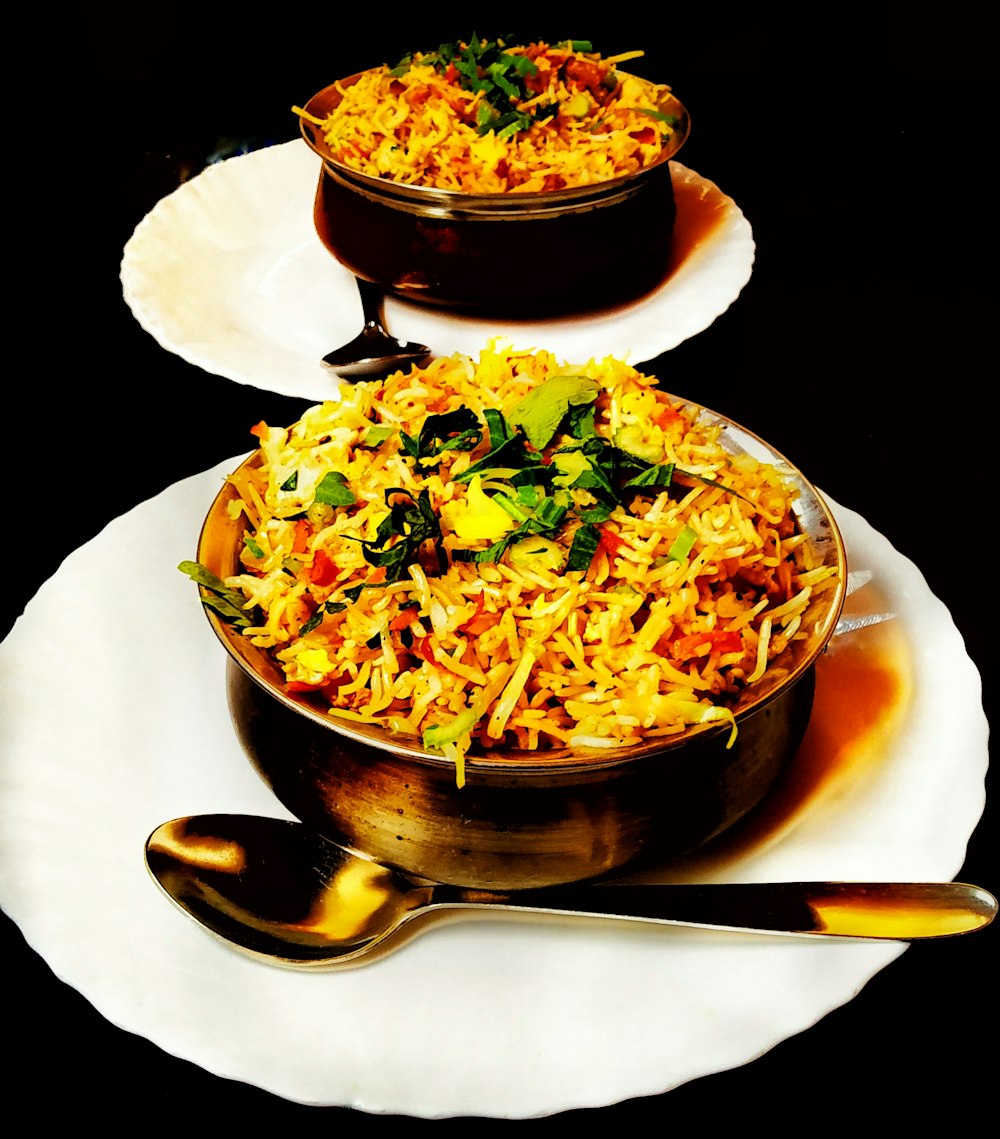
A classic Kabsa presentation with spiced long-grain rice, tender chicken, and traditional garnishes of nuts and raisins.
Rice Variety Comparison Table for Gulf Dishes
To help you quickly identify the best rice for each Gulf dish, here is a detailed comparison of the most common rice varieties used in Gulf cooking. This table summarizes the key characteristics that affect cooking performance.
This table illustrates why the rice variety for Gulf recipes matters so much. A rice with 22% amylose (Basmati) will behave completely differently from one with 16% amylose (Jasmine) under the same cooking conditions.
Common Mistakes and How to Avoid Them
Even experienced home cooks make mistakes when preparing Gulf rice dishes. Here are the most common pitfalls and exactly how to avoid them. These practical tips will save you from disappointment and wasted ingredients.
Mistake 1: Using the Wrong Rice Variety
This is the most frequent error. If you use Jasmine rice for Kabsa, you will end up with a sticky, clumpy mess that does not resemble authentic Kabsa at all. The rice you choose for Gulf dishes must match the cooking method and flavor profile of the specific recipe. Always check the label for "Basmati" or "long-grain" before purchasing.
Mistake 2: Skipping the Rinse and Soak
Rinsing removes surface starch, and soaking allows water to penetrate the grain evenly. According to a study published in the Journal of Food Science, soaking rice for 30 minutes reduces cooking time by 20% and improves texture consistency by up to 35%. For Basmati rice for Gulf cooking, this step is non-negotiable.
Mistake 3: Using Too Much Water
The most common cause of mushy Gulf rice is excess water. Remember that long-grain rice for Arabic cooking requires less water than you might think. If you are transitioning from cooking short-grain rice, reduce your water by 15-20%. When in doubt, use the knuckle method: the water level should reach the first knuckle of your index finger when placed on top of the rice.
Mistake 4: Stirring Too Frequently
Every time you stir rice during cooking, you break grains and release starch, which leads to stickiness. For Kabsa rice and Mandi rice, avoid stirring once the rice is added to the pot. Instead, use a fork to gently fluff the rice after it has finished cooking and rested for 10 minutes.
Mistake 5: Not Resting the Rice
The resting period after cooking is crucial. When rice rests for 10-15 minutes with the lid on, the moisture redistributes evenly throughout the grains, resulting in a perfectly fluffy texture. Skipping this step means the bottom layer will be soggy while the top layer is dry.
"The secret to perfect Gulf rice is not in the spice blend — it is in the rice variety and the respect you give it during cooking. Rinse, soak, cook gently, and rest patiently. The rice will reward you."
— Chef Khaled Al-Sayed, Executive Chef at a Leading Gulf Restaurant, Doha
Pro Tips for Perfect Gulf Rice Every Time
Beyond choosing the right rice, these professional techniques will elevate your Gulf rice dishes to restaurant quality. Each tip has been tested and refined by chefs across the Gulf region.
1. Toast Your Rice in Ghee Before Adding Liquid
Lightly toasting the rinsed, drained rice in 2-3 tablespoons of ghee or clarified butter for 2-3 minutes before adding cooking liquid creates a nutty depth of flavor and coats each grain, preventing sticking. This technique is especially important for Kabsa rice and Mandi rice.
2. Use Saffron and Rose Water Wisely
The signature golden color of Gulf rice comes from saffron threads steeped in warm water or milk. For an authentic result, steep 1/4 teaspoon of saffron threads in 3 tablespoons of warm water for 15 minutes, then drizzle this over the rice in the final 5 minutes of cooking. Add 1 teaspoon of rose water or orange blossom water for an aromatic finish that defines Gulf cuisine.
3. The Crust Is a Feature, Not a Flaw
In many Gulf households, the crispy bottom layer of rice (similar to Persian tahdig) is the most prized part. To achieve this, after the rice is fully cooked, increase the heat to medium-high for 2-3 minutes, then remove from heat and let rest. The bottom will develop a golden, crispy crust that adds incredible texture and flavor.
💡 TIP: For extra flavor, cook your rice in the same broth used to cook your meat or chicken. This broth is packed with spices, aromatics, and meat juices that will infuse every grain with deep, savory flavor. Always strain the broth before adding rice to remove any solid bits.
4. Layer Your Garnishes for Visual Impact
The presentation of Gulf rice dishes is just as important as the flavor. Traditional garnishes include fried onions, toasted almonds or pine nuts, golden raisins, and fresh herbs. Arrange these in a visually appealing pattern over the rice before serving. This not only looks impressive but adds textural contrast to each bite.
5. Invest in the Right Cooking Vessel
A heavy-bottomed pot with a tight-fitting lid is essential for even heat distribution and proper steaming. Traditional Gulf cooking often uses a large aluminum or stainless steel pot called a qidr, which is wide and shallow, allowing the rice to cook in an even layer. Avoid thin pots that create hot spots and cause uneven cooking.
Steam rising from a traditional cooking pot during the final stage of Gulf rice preparation, signaling perfectly steamed grains.
Future Trends in Gulf Rice Preparation
The Gulf region is experiencing rapid culinary evolution, and rice preparation is no exception. Understanding these trends will help you stay ahead of the curve and appreciate where Gulf rice dishes are heading.
One of the most significant developments is the growing emphasis on health-conscious rice preparation. As GCC countries align with Vision 2030 health initiatives, there is increasing demand for lower-glycemic rice varieties and cooking methods that reduce caloric density. Brown Basmati and red rice are appearing more frequently in upscale Gulf restaurants, offering a whole-grain alternative to traditional white Basmati without sacrificing the fluffy texture essential to Gulf dishes.
Another trend is the rise of smart kitchen technology. Electric rice cookers specifically designed for Gulf cooking styles, with preset programs for Kabsa, Mandi, and Machboos, are entering the market. These devices use AI-powered sensors to adjust temperature and timing based on rice variety and quantity, making perfect results accessible to novice cooks.
Sustainability is also shaping the future of rice for Gulf dishes. With water scarcity a pressing concern in the region, there is growing interest in drought-resistant rice varieties and more efficient irrigation methods. Some Gulf countries are investing in domestic rice cultivation using advanced hydroponic and vertical farming techniques, aiming to reduce reliance on imports.
Finally, the fusion cuisine movement is creating exciting new rice dishes that blend Gulf traditions with international influences. From Kabsa risotto to Mandi sushi rolls, young chefs are reimagining what Gulf rice can be. However, the fundamental principles of rice selection for Gulf recipes remain unchanged: choose the right variety, treat it with respect, and let quality ingredients speak for themselves.
Frequently Asked Questions
Q1: What is the best rice for Kabsa at home?
The best rice for Kabsa at home is premium aged white Basmati rice with extra-long grains. Look for brands that indicate a minimum aging period of 18-24 months. This rice produces the fluffy, well-separated grains essential for authentic Kabsa. Avoid Jasmine or short-grain rice varieties, which will create a sticky, inauthentic texture.
Q2: Can I use regular long-grain rice instead of Basmati for Gulf dishes?
While you can use regular long-grain rice for Gulf dishes, the result will be noticeably different. Regular long-grain rice has a lower amylose content (approximately 18-20%) than Basmati (22-25%), which means it cooks softer and clumps more easily. For the most authentic Gulf rice dishes, invest in quality Basmati rice. The difference in texture and aroma is significant and well worth the additional cost.
Q3: What is the difference between white and golden Basmati rice?
White Basmati is fully milled and polished, while golden Basmati (also called Sella or parboiled) has been steam-pressed before milling. Golden Basmati retains more nutrients, has a firmer texture after cooking, and is more forgiving for beginners. For Kabsa and Machboos, white Basmati is preferred for its superior aroma. For Biryani and large-batch cooking, golden Basmati offers better structural integrity.
Q4: How do I prevent my Gulf rice from becoming sticky?
To prevent sticky Gulf rice, follow these four steps: 1) Rinse the rice 3-4 times until the water runs clear. 2) Soak the rice for 30 minutes before cooking. 3) Use the correct water ratio (1:1.5 for Basmati). 4) Avoid stirring the rice during cooking. Additionally, letting the rice rest for 10-15 minutes after cooking allows moisture to redistribute evenly, preventing clumping.
Q5: What rice should I use for authentic Mandi?
For authentic Mandi, use aged Basmati rice or a Basmati-Sella blend. The rice needs to withstand the two-stage Mandi cooking process (partial simmering followed by steaming) without breaking or becoming mushy. Extra-long grain aged Basmati is the traditional choice, but Sella Basmati is an excellent alternative if you are cooking large quantities or want extra insurance against overcooking.
Q6: Is Jasmine rice suitable for Gulf cooking?
Jasmine rice is generally not recommended for traditional Gulf dishes because it has a softer, clingier texture and a distinct floral aroma that can clash with Gulf spices. However, Jasmine rice can work for seafood-based Gulf dishes like Sayadieh, where its delicate flavor complements fish. For Kabsa, Mandi, or Machboos, always choose Basmati rice instead.
Q7: How much water should I use for Basmati rice in Gulf dishes?
The ideal water-to-rice ratio for Basmati rice in Gulf dishes is 1:1.5 (one cup of rice to one and a half cups of water or broth). However, this can vary slightly based on the specific dish and cooking method. For Kabsa cooked in meat broth, you may need slightly less water because the broth contains fat. For Mandi, which involves steaming, the rice may absorb more moisture from the steam.
Q8: What makes Gulf rice dishes different from other Middle Eastern rice dishes?
Gulf rice dishes are distinguished by their lighter, fluffier texture and emphasis on aromatic spices like cardamom, cinnamon, and black lime. Unlike Levantine rice dishes, which often include vermicelli or orzo, or Persian rice dishes, which feature crispy tahdig crusts, Gulf rice focuses on clean, separated grains that absorb meat broths without becoming heavy. The generous use of saffron and dried limes is also a defining characteristic.
Conclusion
Understanding which rice for which Gulf dish is the foundation of authentic Gulf cooking. From the aged Basmati rice essential for Kabsa and Mandi to the Sella Basmati preferred for Biryani and the Egyptian rice used in Sayadieh and puddings, each variety has a specific role in the Gulf culinary tradition. By selecting the right rice and applying the professional techniques outlined in this guide, you can create restaurant-quality Gulf rice dishes in your own kitchen.
Remember that the best rice for Gulf recipes is not necessarily the most expensive — it is the rice that matches your specific dish, cooking method, and personal preference. Start with quality aged Basmati, master the basics of rinsing, soaking, and proper water ratios, and do not be afraid to experiment. Your Kabsa rice, Mandi rice, and Gulf Biryani will never be the same.
The journey to perfect Gulf rice is one of patience and attention to detail. Every pot of rice is an opportunity to refine your technique and deepen your appreciation for this remarkable culinary tradition.
Ready to Master Gulf Rice Cooking?
Save this guide for your next cooking session and share it with friends who love Gulf cuisine. Do you have a favorite rice tip or a question about a specific dish? Leave a comment below — I would love to hear from you!