Areeka Date and Bread Pudding: The Traditional Middle Eastern Dessert You Need to Try
Meta Description: Discover Areeka, the traditional date and bread pudding from Yemen and Saudi Arabia. Learn the recipe, nutritional benefits, global variations, and why this Middle Eastern dessert is gaining worldwide attention in 2026.
Have you ever tasted a dessert so rich, so comforting, and so deeply rooted in tradition that every spoonful feels like a warm embrace? That is exactly what Areeka date and bread pudding delivers. This traditional Middle Eastern dessert combines soft flatbread, sweet mashed dates, ghee, honey, and cream into a dish that has nourished families across Yemen, Saudi Arabia, and the wider Gulf region for generations.
Areeka is more than just a sweet treat. It is a breakfast staple, a Ramadan favorite, and a cultural symbol of hospitality. In recent years, this humble date pudding has captured the attention of food lovers worldwide, thanks to its simple ingredients and incredible flavor profile. According to nutritional research, Areekah contains approximately 306.9 kcal per 100 grams, making it one of the most energy-dense traditional Saudi dishes studied.
In this comprehensive guide, you will learn everything about Areeka: its origins, key ingredients, step-by-step recipe, health benefits, global variations, and why it deserves a place in your kitchen. Whether you are a curious foodie, a home cook, or someone searching for authentic Middle Eastern dessert recipes, this article has you covered.
Table of Contents
- What Is Areeka?
- Key Ingredients of Areeka Date and Bread Pudding
- Health Benefits and Nutritional Value
- How to Make Areeka: Step-by-Step Recipe
- Regional and Global Variations
- Areeka vs. Traditional Bread Pudding
- Why Areeka Is Going Global
- Future Trends and Vision 2030
- Frequently Asked Questions
- Conclusion
What Is Areeka?
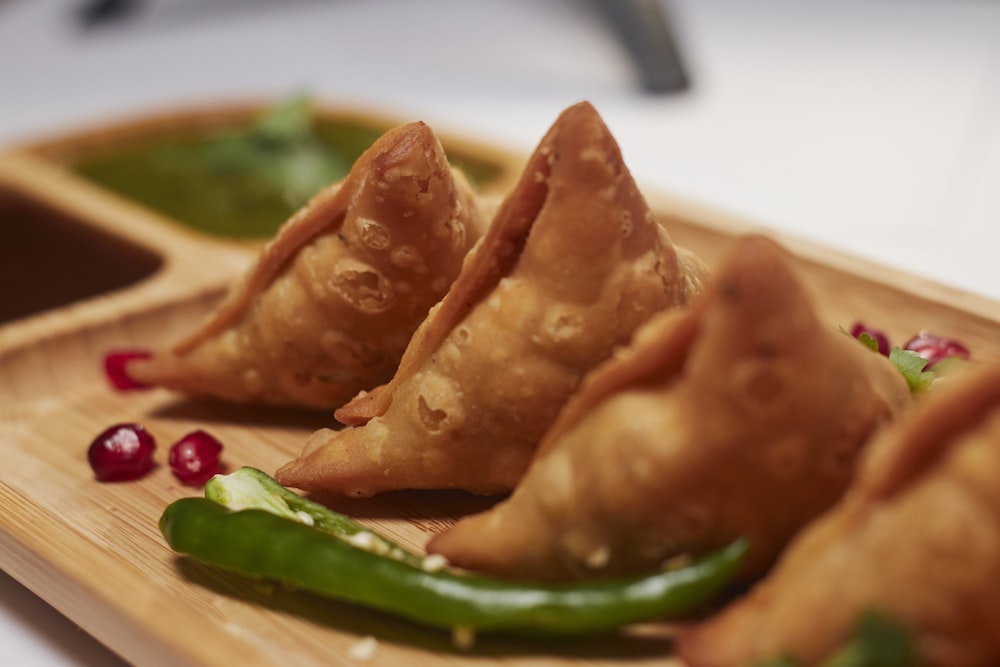
Areeka is a traditional date and bread pudding enjoyed across Yemen, Saudi Arabia, and the Gulf region.
Areeka (also spelled Areekah or Arika) is a traditional dessert that is prepared with a combination of mashed dates and crumbled bread such as khubz, while the additions usually include cream, condensed milk, honey, and spices. It is widely considered a national comfort food in Yemen and Saudi Arabia, where it is enjoyed for breakfast, as a light snack, or as a sweet ending to a festive meal.
The dish has a thick, porridge-like consistency that sits somewhere between a pudding and a dense bread mash. Its flavor is intensely sweet from the dates, aromatic from cardamom and cinnamon, and luxuriously creamy from the qishta (clotted cream) and ghee.
"Areeka is childishly simple and childishly comforting — a dense date-bread mixture that tastes like childhood nostalgia." — The National
What makes Areeka truly special is its versatility. Some families top it with grated cheese for a sweet-salty contrast. Others add bananas, nuts, or even cornflakes for crunch. This adaptability is one reason why the dish has survived for centuries and continues to evolve.
Key Ingredients of Areeka Date and Bread Pudding
The beauty of Areeka lies in its simplicity. You do not need exotic or expensive ingredients to make this traditional date pudding at home. Here are the core components:
- Flatbread: Warm whole-wheat paratha or khubz forms the base. Some recipes also use crispy feteer for added texture.
- Dates: Soft, pitted dates or date paste provide natural sweetness. Medjool dates work exceptionally well because of their caramel-like flavor.
- Ghee: Clarified butter adds richness and a distinctive nutty aroma.
- Qishta (Clotted Cream): Thick cream is layered on top for a luxurious finish.
- Honey: A generous drizzle of pure honey enhances the sweetness.
- Spices: Cardamom and cinnamon are the most common, though some variations include nutmeg or saffron.
- Toppings: Slivered almonds, cashews, nigella seeds, and sometimes cornflakes for crunch.
💡 Tip: For the best results, use warm bread when mashing it with dates. The heat helps the bread absorb the natural sugars from the dates, creating a smoother, more cohesive texture.
Health Benefits and Nutritional Value

Dates are the nutritional powerhouse behind Areeka, providing fiber, potassium, and natural energy.
Areeka is not just indulgent; it also offers several nutritional benefits, thanks to its primary ingredient: dates. According to the USDA, one serving of dates (about 100 grams or four dates) contains high percentages of copper (40%), potassium (23%), vitamin B6 (17%), and magnesium (15%).
Here is a breakdown of the key health benefits you can expect from this date and bread pudding:
- Rich in Dietary Fiber: Dates provide both soluble and insoluble fiber, supporting healthy digestion and gut microbiome diversity.
- Natural Energy Boost: With 306.9 kcal per 100 grams, Areeka is an excellent source of sustained energy, making it ideal for breakfast.
- Heart Health Support: Potassium and magnesium in dates help relax blood vessels and maintain healthy blood pressure.
- Antioxidant Protection: Dates contain phenolic compounds, flavonoids, and carotenoids that protect cells from oxidative stress.
- Bone Health: The magnesium, manganese, and copper in dates contribute to maintaining strong bones.
📊 Nutritional Snapshot (per 100g of Areekah): Energy: 306.9 kcal | Carbohydrates: 50.16g | Protein: 5.63g | Fat: 10.28g | Fiber: 5.67g
How to Make Areeka: Step-by-Step Recipe
Making Areeka at home is surprisingly easy. You can prepare this traditional Yemeni dessert in under 30 minutes with just a few simple steps. Here is a reliable recipe adapted from Capilano Honey:
Ingredients (Serves 2–3)
- 2–3 pieces of cooked, warm whole-wheat paratha or khubz (flatbread)
- 1 cup seeded, soft dates or date paste
- 2–3 tablespoons clarified butter (ghee)
- 1 tin (160g) thick cream (qishta)
- 3–4 tablespoons pure honey (or more to taste)
- Toasted nuts (cashews, almonds) and a sprinkle of nigella seeds
Instructions
- Prepare the base: Roughly break the warm paratha or bread into pieces and place them in a food processor with the pitted dates.
- Blend: Blend or chop until the mixture is well combined and has a thick, sticky consistency.
- Heat the ghee: In a pan or traditional stone pot, melt the ghee over low heat.
- Combine: Add the date and bread mixture to the pan. Stir continuously for 1–2 minutes until heated through.
- Serve: Remove from heat and place in a serving bowl. Drizzle generously with honey and top with cream, nuts, and nigella seeds.
⚠️ Note: Traditional Areeka is quite rich. If you prefer a lighter version, reduce the ghee to 1 tablespoon and use low-fat cream or Greek yogurt instead of qishta.
Regional and Global Variations
One of the most fascinating aspects of Areeka is how it transforms as it travels. Each region adds its own signature touch, creating a family of related but distinct desserts.
| Region | Key Variation | Signature Topping |
|---|---|---|
| Yemen | Mashed dates with khubz and feteer | Slivered almonds, honey |
| Saudi Arabia (Hejaz) | Brown flour dough baked with dates | Honey, cardamom, ghee |
| Saudi Arabia (Royal Areeka) | Layered with bananas and chocolate chips | Cornflakes, clotted cream, nuts |
| Oman | Whole wheat flatbread with condensed milk | Fresh cream, honey |
The Royal Areeka (Areeka Malakiya) from Saudi Arabia is perhaps the most decadent version. It features a crunchy and flaky pastry base layered with mashed and sliced banana, topped with chocolate chips, clotted cream, ghee, honey, nuts, and cornflakes. It is essentially the Middle Eastern answer to a trifle.
Areeka vs. Traditional Bread Pudding
If you are familiar with Western bread pudding, you might wonder how Areeka compares. While both desserts share a similar concept — using stale or leftover bread as a base — they diverge significantly in ingredients and preparation.
| Feature | Areeka | Western Bread Pudding |
|---|---|---|
| Base Bread | Khubz, paratha, or feteer | Brioche, baguette, or white bread |
| Sweetener | Dates, honey, condensed milk | Sugar, maple syrup, custard |
| Fat | Ghee, clotted cream | Butter, heavy cream |
| Texture | Thick, dense, porridge-like | Soft, custardy, spoonable |
| Serving | Breakfast or snack | Dessert |
The key difference lies in the sweetener. While Western bread pudding relies on refined sugar or custard, Areeka uses dates as its primary source of sweetness. This gives Areeka a deeper, more complex flavor with notes of caramel and molasses, plus the added nutritional benefits of fiber and minerals.
Why Areeka Is Going Global
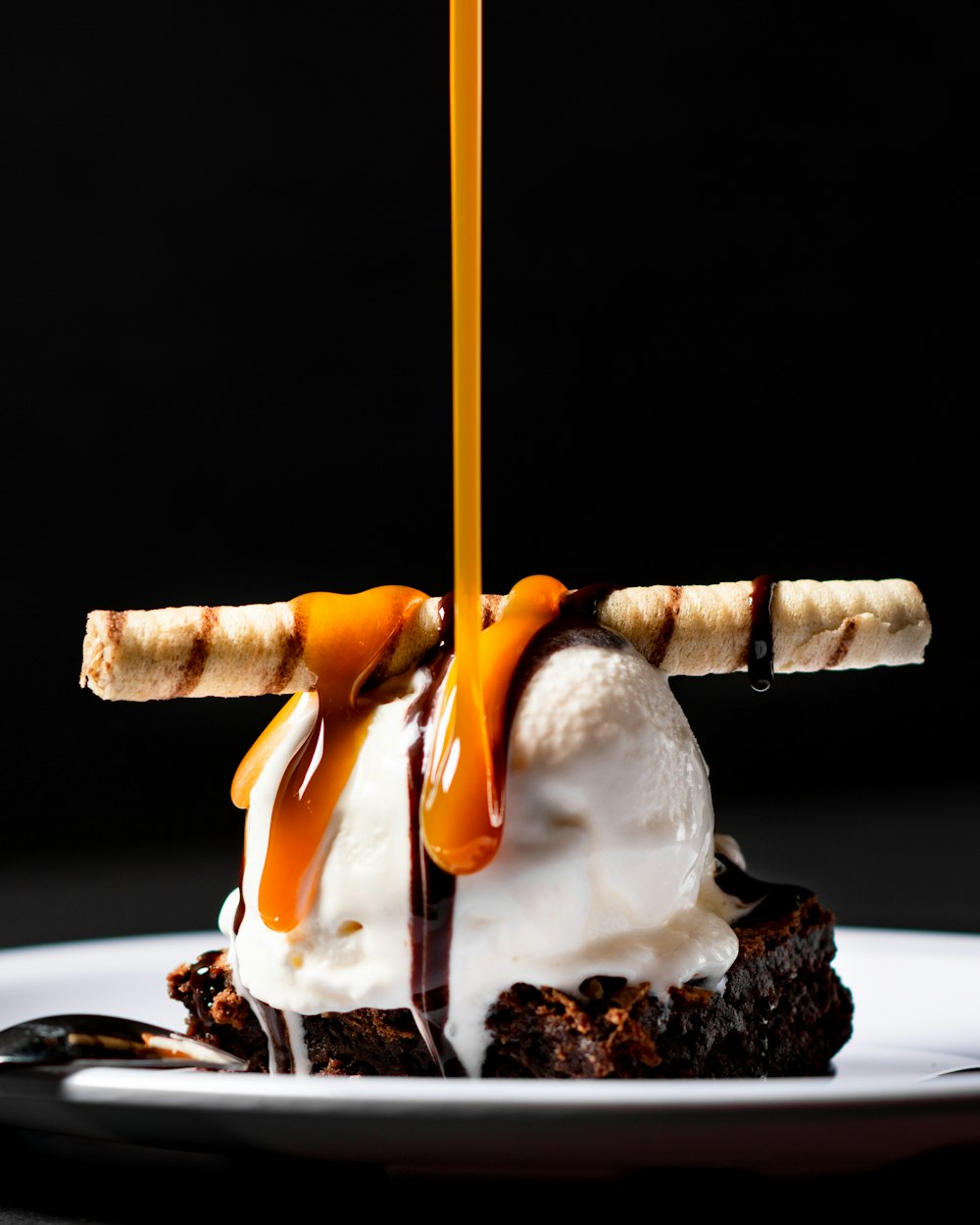
Areeka is gaining international recognition as food lovers seek authentic Middle Eastern flavors.
The global food landscape is shifting. Consumers are increasingly drawn to authentic, heritage-based recipes that tell a story. Areeka fits this trend perfectly. It is simple, deeply rooted in tradition, and offers a flavor profile that is both familiar and exotic.
Consider these statistics:
- The Middle East and Africa dessert market is projected to grow at a CAGR of 8.54% from 2026 to 2034.
- Middle Eastern-inspired desserts like Dubai chocolate saw a 300% increase in international sales within a year of going viral.
- Consumers in Australia and New Zealand have reported a 35% year-on-year increase in purchases of baking staples for traditional puddings like sticky date pudding.
These numbers suggest a growing global appetite for date-based and heritage desserts. Areeka, with its naturally sweet and nutrient-rich profile, is perfectly positioned to ride this wave.
🔍 Global Insight: In Saudi Arabia, date-based dishes like Areeka are being actively promoted as part of the Kingdom's culinary heritage initiatives, which align with Vision 2030's cultural preservation goals.
Future Trends and Vision 2030
Saudi Arabia's Vision 2030 is not just about economic diversification; it is also about preserving and celebrating cultural heritage. Traditional foods play a central role in this mission. The Culinary Arts Commission has launched initiatives to document and promote regional dishes, including date-based desserts like Areeka.
Looking ahead, we can expect to see:
- Increased Documentation: More academic and culinary research into the nutritional profiles and cultural significance of traditional dishes.
- Global Fusion: Areeka-inspired desserts appearing in Western bakeries, perhaps as parfaits, cheesecakes, or even ice cream flavors.
- Health-Conscious Adaptations: Lower-sugar, higher-protein versions tailored to modern dietary preferences.
- Tourism-Driven Demand: As Saudi Arabia opens its doors to international tourists, dishes like Areeka will become must-try experiences for visitors.
The future of Areeka is bright. As more people discover the joy of this date and bread pudding, it will undoubtedly take its place alongside other globally beloved desserts.
Frequently Asked Questions
1. What is Areeka made of?
Areeka is made from a combination of mashed dates and crumbled bread, typically khubz or paratha. It also includes ghee, honey, cream, and spices like cardamom and cinnamon.
2. Is Areeka healthy?
Areeka can be part of a healthy diet when enjoyed in moderation. It is rich in fiber, potassium, and magnesium from dates. However, it is also high in calories and fat due to ghee and cream, so portion control is important.
3. What does Areeka taste like?
Areeka has a sweet, rich, and creamy flavor with deep caramel notes from the dates. The spices add warmth, while the nuts and cornflakes provide crunch.
4. Can I make Areeka without dates?
While dates are the star ingredient, some variations use bananas (masoub) or other dried fruits. However, for an authentic Areeka experience, dates are essential.
5. Is Areeka vegan?
Traditional Areeka is not vegan because it contains ghee and cream. However, you can make a vegan version by substituting ghee with coconut oil and using coconut cream instead of dairy cream.
6. When is Areeka typically eaten?
Areeka is commonly eaten for breakfast, as a snack, or as a dessert. It is especially popular during Ramadan and Eid celebrations.
7. How many calories are in Areeka?
Areekah contains approximately 306.9 kcal per 100 grams, making it a high-energy food.
8. Can I store Areeka in the fridge?
Yes, Areeka can be stored in an airtight container in the refrigerator for up to 2–3 days. Reheat gently with a little ghee or milk before serving.
Conclusion
Areeka date and bread pudding is more than a recipe. It is a taste of history, a celebration of simple ingredients, and a bridge between cultures. From the bustling streets of Sana'a to the modern kitchens of Riyadh and beyond, this traditional Middle Eastern dessert continues to bring people together.
Whether you are looking for a nutritious breakfast, a show-stopping dessert for your next gathering, or simply a new culinary adventure, Areeka delivers. Its combination of sweet dates, warm spices, and creamy textures is universally appealing. With its growing global presence and alignment with heritage food trends, Areeka is poised to become the next big thing in the world of desserts.
So why not bring a taste of the Middle East into your home? Gather your ingredients, follow the simple recipe above, and experience the magic of Areeka for yourself. Your taste buds will thank you.
Ready to Make Areeka?
Try this traditional date and bread pudding recipe today and share your creation with the world.
Get the Full Recipe →Tags
Suggested Internal Links
- Traditional Middle Eastern Desserts You Must Try
- 10 Healthy Date Recipes for Natural Sweetness
- Best Ramadan Recipes for Iftar and Suhoor
- Classic Bread Pudding Recipes from Around the World
- A Beginner's Guide to Saudi Arabian Cuisine