Meta Description: Discover an authentic Aseeda recipe with simple ingredients, step-by-step instructions, serving ideas, nutrition tips, regional variations, and expert techniques for making smooth, comforting Aseeda at home.
Aseeda Recipe: How to Make Traditional Aseeda at Home
Aseeda is a traditional comfort food made from simple ingredients such as flour, water, butter or oil, and sweetener. This Aseeda recipe is especially popular across parts of the Middle East, North Africa, and South Asia, where similar versions are prepared for breakfast, family gatherings, celebrations, and special occasions. Its soft texture and rich flavor make it a satisfying homemade dish.
If you are looking for an easy Aseeda recipe, you do not need complicated equipment or expensive ingredients. The key is careful cooking, consistent stirring, and choosing the right balance of flour, liquid, fat, and sweetness. Once you understand the basic technique, you can easily adjust the recipe to suit your taste.
In this complete guide, you will learn how to make Aseeda step by step, how to avoid common mistakes, how to serve it, how different cultures prepare it, and how you can customize this traditional dish for your family. You will also find practical cooking tips, a comparison table, nutrition information, frequently asked questions, and useful ideas for serving Aseeda around the world.
Quick Answer: Traditional Aseeda is prepared by cooking flour with water until it becomes thick and smooth, then combining it with butter or oil and serving it with a sweet topping such as honey, sugar, date syrup, or another preferred sweetener.
Table of Contents

Suggested Image 1 — Place below the introduction. Recommended width: 1000–1200px. Use an authentic, clearly identified Aseeda photograph when publishing.
What Is Aseeda?
Aseeda is a traditional flour-based dish known for its soft, thick, comforting consistency. Depending on the country and family tradition, the recipe can vary considerably. Some versions are mildly sweet, while others are strongly sweetened and served with honey, date syrup, butter, or other toppings.
The word Aseeda is commonly associated with traditional cuisines of North Africa and the Arabian Peninsula. Similar preparations can also be found in other regions, with differences in flour type, cooking method, sweetness, and presentation.
At its simplest, an authentic Aseeda recipe uses flour and water as the foundation. Fat is then added for richness, while a sweetener provides the characteristic dessert-like flavor in many versions.
“Simple ingredients become something special when traditional cooking techniques, patience, and good ingredients come together.”
Aseeda Ingredients
One of the biggest advantages of this traditional Aseeda recipe is its short ingredient list. You can prepare a basic version with ingredients that are commonly available in supermarkets around the world.
Basic Ingredients
| Ingredient | Amount | Purpose |
|---|---|---|
| All-purpose flour | 1 cup | Creates the main body and texture |
| Water | 2½–3 cups | Hydrates and cooks the flour |
| Butter or ghee | 3–4 tablespoons | Adds richness and flavor |
| Honey, sugar, or date syrup | 2–4 tablespoons | Provides sweetness |
| Salt | A small pinch | Balances the flavor |
Optional Ingredients
- Cinnamon for warm aroma.
- Cardamom for a fragrant Middle Eastern-style variation.
- Sesame seeds for texture and presentation.
- Chopped dates for natural sweetness.
- Extra honey or date syrup for serving.
- Nuts such as almonds, walnuts, or pistachios for garnish.
Tip: If you are making Aseeda for the first time, start with the basic recipe. Once you understand the desired consistency, experiment with spices, toppings, and different sweeteners.
How to Make Aseeda Step by Step
The most important part of making homemade Aseeda is controlling the texture. The mixture should become thick and cohesive without developing a raw flour taste or large lumps.
Step 1: Prepare the Flour
Place the flour in a dry bowl and break up any visible lumps. For a smoother result, you can sift the flour before cooking. Sifting is particularly helpful when you want a silky texture.
Step 2: Heat the Water
Pour the water into a heavy-bottomed saucepan and bring it close to a boil. Add a small pinch of salt. Do not allow the water to evaporate excessively because the liquid ratio affects the final consistency.
Step 3: Add the Flour Carefully
Reduce the heat and gradually add the flour while stirring continuously. A sturdy wooden spoon works particularly well because the mixture becomes thick as it cooks.
Keep stirring to prevent dry pockets and lumps. If the mixture becomes extremely difficult to stir immediately, add a small amount of warm water and continue working it until the flour is incorporated.
Step 4: Cook Until Thick and Smooth
Continue cooking over low to medium-low heat. Stir and fold the mixture repeatedly until the flour is fully cooked and the Aseeda develops a thick, smooth consistency.
This stage can take approximately 10–20 minutes depending on the quantity, cookware, heat level, and flour. Do not rush the process by using very high heat.
Important Note: Cooking time is only an estimate. Texture is a better indicator than the clock. Properly cooked Aseeda should not taste strongly of raw flour and should hold together as a thick, soft mass.
Step 5: Add Butter or Ghee
Add butter or ghee and work it into the cooked mixture. Continue stirring until the fat is absorbed and the texture becomes glossy and rich.
Ghee gives a deeper, more traditional richness, while butter provides a creamy flavor. You can also use a neutral cooking oil if you prefer a lighter or dairy-free preparation.
Step 6: Add Sweetness
Once the Aseeda is cooked, add your preferred sweetener. Honey, sugar syrup, and date syrup are all practical options. You can also keep the base less sweet and add the sweetener directly when serving.
Step 7: Shape and Serve
Transfer the Aseeda to a serving plate while it is warm. Shape it into a rounded mound or create a shallow well in the center. Add butter, ghee, honey, or date syrup to the center.
For a more attractive presentation, finish with a small amount of cinnamon, sesame seeds, chopped nuts, or dates.
Best Tips for a Perfect Aseeda Recipe
- Control the heat: Low to medium-low heat gives you more control and reduces the risk of burning.
- Stir continuously: Frequent stirring helps prevent lumps and uneven cooking.
- Adjust liquid gradually: Flour absorbs water differently depending on the type and brand.
- Cook thoroughly: A raw flour taste indicates that the mixture needs more cooking.
- Use a heavy saucepan: Heavy cookware distributes heat more evenly.
- Balance sweetness: Start with less sweetener and add more according to your preference.
- Serve warm: Aseeda is generally most enjoyable when freshly prepared and warm.
- Do not overcook: Excessive cooking can make the mixture unnecessarily dense.
Suggested Image 2 — Place near the serving section. Recommended width: 800–1000px. A close-up of honey, date syrup, or butter makes a strong supporting image.
Aseeda Variations Around the World
There is no single universal Aseeda recipe. Traditional cooking develops differently from one region to another, and families often adapt recipes based on available ingredients and local preferences.
North African Aseeda
In North Africa, Aseeda is associated with traditional celebrations and family meals. Some regional versions are served with honey or other sweet toppings, while ingredients and textures differ from country to country.
Arabian Peninsula Variations
In parts of the Arabian Peninsula, flour-based traditional dishes can be enriched with ghee, dates, honey, or spices. The use of dates is especially practical because dates have historically been an important ingredient in the region.
South Asian Adaptations
South Asian cooks may recognize similarities between Aseeda and other flour-based sweet dishes. However, the ingredients and cooking methods are not necessarily identical. If you adapt the recipe, keep the flour-to-liquid ratio under control and introduce spices gradually.
Modern Aseeda Ideas
Modern home cooks can create variations using whole-wheat flour, reduced sweetener, plant-based fats, or natural toppings. These adaptations can make the recipe fit different dietary preferences while preserving the basic cooking concept.
How to Serve Aseeda
Aseeda is versatile enough to be served as breakfast, dessert, a snack, or part of a traditional family meal. The best serving style depends on the version you prepare.
- Serve warm with honey.
- Add date syrup for a naturally rich sweetness.
- Top with melted butter or ghee.
- Sprinkle cinnamon or cardamom over the top.
- Add chopped dates for additional texture.
- Garnish with almonds, walnuts, or pistachios.
- Serve alongside tea or coffee.
- Prepare smaller portions for children or dessert servings.
For a family gathering, place the Aseeda in a large serving dish and create a small center well for melted butter and syrup. This presentation is simple, traditional-looking, and easy to share.
Aseeda Compared With Similar Flour-Based Dishes
| Dish | Main Base | Typical Texture | Common Serving Style |
|---|---|---|---|
| Aseeda | Flour | Thick and soft | Honey, dates, butter, syrup |
| Porridge | Various grains | Creamy | Milk, fruit, sugar |
| Halwa | Flour, semolina, nuts, or other bases | Dense and rich | Nuts, ghee, syrup |
| Polenta | Cornmeal | Creamy or firm | Savory or sweet toppings |
The comparison shows why Aseeda deserves its own place in traditional cuisine. Although several dishes use grains or flour and water, the final flavor and serving traditions can be very different.
Aseeda Nutrition and Portion Guide
The nutritional profile of Aseeda depends heavily on the flour, amount of butter or ghee, and sweetener used. Because recipes vary widely, exact nutritional values should be calculated from your specific ingredients and portion sizes.
A basic serving provides carbohydrates from flour and additional energy from added fats and sweeteners. Whole-wheat flour can increase fiber compared with refined flour, while reducing added sugar or syrup can lower the overall sweetness.
Ways to Adjust the Recipe
- Use whole-wheat flour for a more robust flavor and additional dietary fiber.
- Reduce the amount of added sugar if you are using naturally sweet dates or date syrup.
- Use less butter or ghee for a lighter version.
- Choose smaller portions when serving Aseeda as a dessert.
- Add nuts in moderate amounts for texture and flavor.
For specific dietary needs, check every ingredient carefully and adapt the recipe according to your nutritional requirements.

Suggested Image 3 — Place near the variations or nutrition section. Recommended width: 800–1000px. Dates provide strong visual context for traditional sweet Aseeda.
Common Aseeda Mistakes and How to Fix Them
1. The Aseeda Is Too Lumpy
Lumps usually develop when flour is added too quickly or the mixture is not stirred sufficiently. Add the flour gradually and stir continuously. If necessary, use a sturdy whisk during the early stage before switching to a wooden spoon.
2. The Mixture Is Too Thick
Add a small amount of hot water and mix thoroughly. Do this gradually because adding too much water at once can make the Aseeda difficult to recover.
3. The Mixture Is Too Thin
Continue cooking over low heat while stirring. Additional cooking allows excess moisture to evaporate. Avoid adding large amounts of dry flour directly into an already cooked mixture because it can create raw flour pockets.
4. It Tastes Like Raw Flour
The solution is usually additional cooking. Keep the heat moderate and continue stirring until the flour has fully cooked. Taste carefully after the mixture has cooled slightly.
5. The Aseeda Burns
Burning often results from excessive heat or insufficient stirring. A heavy-bottomed saucepan and low heat can make a significant difference.
Kitchen Tip: If you are cooking a large batch, allow yourself extra time. Aseeda becomes progressively thicker, so a larger quantity requires more effort to stir evenly.
How to Make Aseeda More Flavorful
The basic recipe is intentionally simple, which gives you plenty of room for customization. The easiest way to create a richer flavor is to improve the quality of the toppings rather than adding too many ingredients to the flour mixture.
Honey and Butter Aseeda
Serve warm Aseeda with a small amount of melted butter and honey. The combination provides creamy richness and floral sweetness.
Date Aseeda
Date syrup or chopped dates can give the dish a deep caramel-like sweetness. This is particularly useful if you want to reduce refined sugar.
Spiced Aseeda
Cardamom and cinnamon are excellent choices for a warm aromatic variation. Use them lightly at first because strong spices can overpower the delicate flour base.
Nut-Topped Aseeda
Almonds, walnuts, and pistachios provide contrasting texture. Toast them lightly before serving for a deeper nutty aroma.
Aseeda for Different Occasions
Traditional dishes become especially valuable when they can adapt to modern lifestyles without losing their cultural character. Aseeda works well for both everyday meals and special occasions.
- Breakfast: Serve a small warm portion with tea, coffee, honey, or dates.
- Family gatherings: Prepare a larger serving dish with toppings placed in the center.
- Celebrations: Garnish with nuts, dates, and high-quality honey.
- Cold-weather meals: Serve warm Aseeda as a comforting, filling dish.
- Dessert: Make smaller portions and add a controlled amount of syrup.
Because Aseeda uses accessible ingredients, it can also be a practical recipe for cooks living outside its traditional regions. International home cooks can find most of the ingredients in ordinary supermarkets.
Global and Future Food Trends
Traditional recipes are increasingly being rediscovered through food blogs, social media, recipe videos, and global interest in heritage cuisine. Dishes such as Aseeda benefit from this movement because they combine simple ingredients with a strong cultural story.
By 2030, food discovery is likely to become even more personalized through artificial intelligence, visual search, multilingual recipe platforms, and digital cooking assistants. This means traditional recipes can reach audiences far beyond their original geographic communities.
For home cooks, the trend is valuable because it encourages experimentation while preserving traditional methods. For food creators, clear recipes, accurate ingredient information, high-quality photography, and culturally respectful explanations can make heritage dishes easier for a global audience to understand.
When publishing traditional recipes online, you should clearly explain regional differences rather than presenting one version as the only authentic preparation. This creates a better experience for readers from different cultural backgrounds.
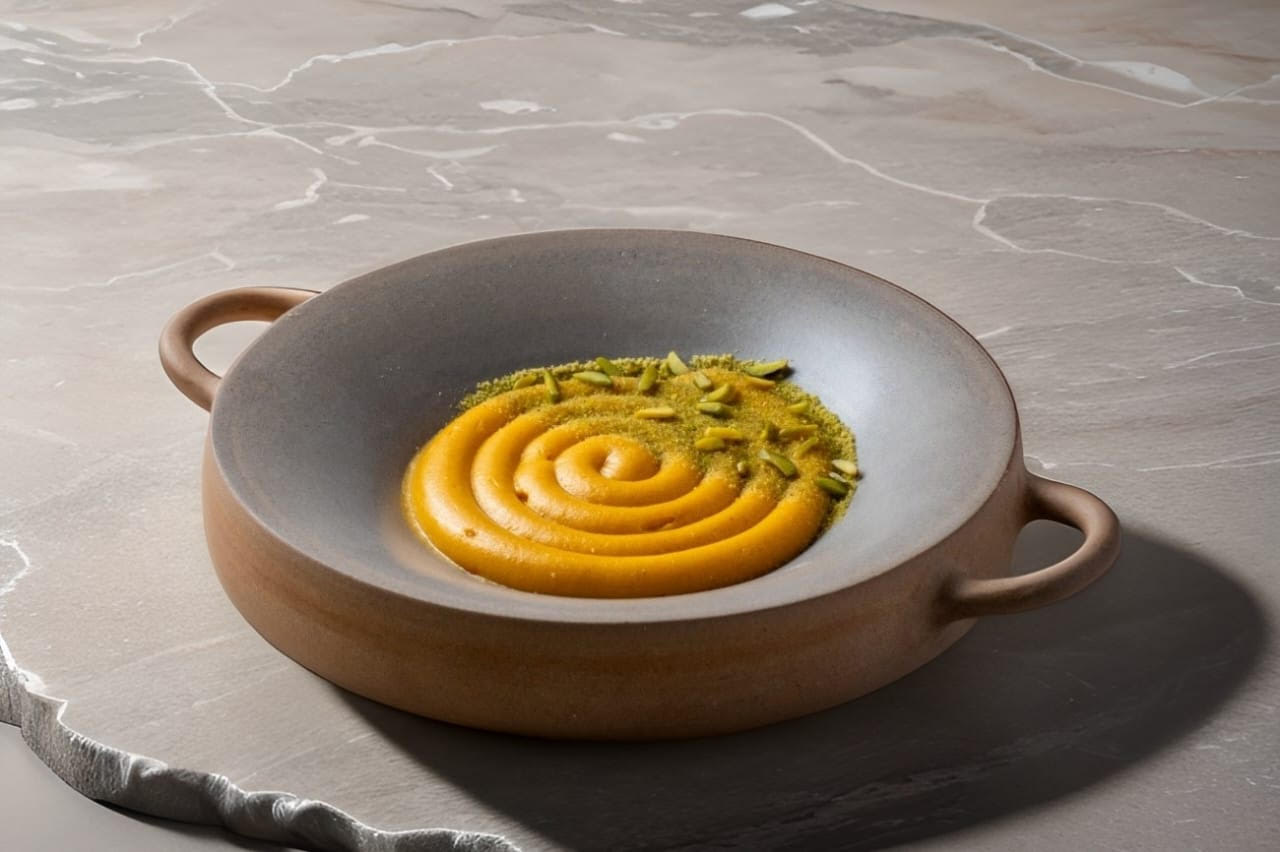
Suggested Image 4 — Place near the ingredients or traditional food section. Recommended width: 800–1000px. Replace with a genuine Aseeda preparation photo for stronger Google Images relevance.
Frequently Asked Questions About Aseeda
What is Aseeda made of?
Aseeda is generally made from flour and water, with butter, ghee, or oil added for richness. Sweet versions are commonly served with honey, sugar, date syrup, or other sweet toppings. Ingredients vary by region and family tradition.
Is Aseeda sweet or savory?
Aseeda can be prepared in different ways. Many traditional versions are served as a sweet dish with honey, dates, butter, or syrup, while regional variations may use different flavor profiles. The final taste depends on the recipe and serving style.
How do you make Aseeda smooth?
To make smooth Aseeda, add flour gradually, stir continuously, and cook over controlled heat. A heavy-bottomed saucepan also helps distribute heat evenly. If lumps appear, continue working the mixture thoroughly while it cooks.
Can I use whole-wheat flour for Aseeda?
Yes. Whole-wheat flour can be used for a more rustic version. It generally produces a stronger flavor and denser texture than refined flour, so you may need to adjust the liquid gradually.
What is the best topping for Aseeda?
Honey, date syrup, melted butter, and ghee are popular choices. You can also add cinnamon, cardamom, dates, sesame seeds, almonds, walnuts, or pistachios depending on your preferred flavor.
Can Aseeda be prepared in advance?
It can be prepared ahead of time, but freshly cooked Aseeda generally has the best texture. If it becomes too firm after cooling, gently reheat it and add a small amount of warm water while stirring to restore some softness.
How long does homemade Aseeda last?
For food safety, refrigerate leftovers promptly in a covered container and follow standard local food-storage guidance. Reheat only the portion you plan to eat and check the food carefully before serving.
Is Aseeda the same in every country?
No. Aseeda recipes vary by region, culture, flour type, fat, sweetener, spices, and serving method. It is better to think of Aseeda as a family of traditional preparations rather than one fixed recipe.
Helpful Resources for Traditional Food Research
When researching traditional dishes, you can learn more about regional food traditions and ingredients through reputable culinary and cultural resources. For broader food and nutrition information, consult trusted organizations rather than relying only on social media posts.
- Food and Agriculture Organization (FAO) — useful background on food systems and traditional food cultures.
- World Health Organization (WHO) — general information related to healthy diets and nutrition.
- Encyclopaedia Britannica — useful for general cultural and historical research.
Conclusion: Make This Traditional Aseeda Recipe at Home
Aseeda is a wonderful example of how a few everyday ingredients can create a dish with deep culinary and cultural value. Its basic preparation is straightforward, but the final result depends on patience, proper stirring, controlled heat, and a good balance between flour and liquid.
This Aseeda recipe gives you a flexible starting point. You can keep it traditional with butter, honey, and dates, or create your own version using whole-wheat flour, spices, nuts, or different sweeteners.
If you are preparing Aseeda for the first time, focus on getting the texture right before experimenting with toppings. Once you have mastered the basic technique, you can confidently adapt the recipe for breakfast, dessert, family gatherings, and special occasions.
Try This Aseeda Recipe Today
Make a warm batch of traditional Aseeda, add your favorite topping, and share this recipe with someone who enjoys discovering traditional foods from around the world.
Save this recipe, try your favorite variation, and explore more homemade recipes from NightRecipe.
Tags
Aseeda, Aseeda Recipe, Traditional Aseeda, Homemade Aseeda, Easy Aseeda Recipe, How to Make Aseeda, Authentic Aseeda Recipe, African Recipes, Middle Eastern Recipes, Traditional Desserts, Flour Recipes, Honey Recipes, Date Syrup Recipes, Easy Traditional Recipes, Homemade Comfort Food
Image SEO Publishing Note: For the strongest Google Images performance, use original photographs of your finished Aseeda whenever possible. Recommended image width is 800–1200px. Rename image files descriptively, such as traditional-aseeda-recipe.jpg, use the supplied English alt text and title, compress images before uploading, and keep the image directly relevant to the surrounding section.
Suggested Image 5: A finished bowl or serving plate of homemade Aseeda with honey, butter, dates, and nuts. Alt Text: "homemade Aseeda recipe served with honey dates and butter". Image Title: "Homemade Aseeda Recipe With Honey and Dates". Placement: Just before the conclusion or CTA. Recommended Width: 1000–1200px.