Bacon Substitutes That Give You the Smoke and the Fat: The Ultimate Guide
Let’s be honest — what makes bacon so irresistible isn’t just the taste. It’s that perfect combination of smoky aroma, savory umami, and rich, rendered fat that crisps up in the pan and melts in your mouth. For anyone cutting back on pork — whether for health, ethical, or environmental reasons — the challenge has always been finding a bacon substitute that gives you the smoke and the fat without the guilt.
The good news? The plant-based food industry has invested billions into solving this exact problem. In 2024, the global plant-based bacon market was valued at USD 715.03 million and is projected to reach USD 1.87 billion by 2032, growing at a staggering 12.80% CAGR. Companies are now engineering plant fats, smoke condensates, and mycelium proteins that rival traditional pork bacon in crispiness, chew, and flavor release.
In this guide, you’ll discover the best bacon substitutes for smoke and fat, from commercial products to homemade recipes, plus nutrition comparisons, cooking tips, and global use cases. Whether you want crispy strips for breakfast, smoky lardons for carbonara, or fatty crumbles for pizza, there’s a plant-based option engineered just for you.
Table of Contents
- What Makes Bacon Irresistible: The Smoke and Fat Factor
- Why People Are Switching to Bacon Substitutes
- Top Bacon Substitutes That Deliver Smoke and Fat
- Homemade Bacon Substitutes: Recipes for Smoke and Fat
- Nutrition Comparison: Plant-Based vs. Pork Bacon
- Global Use Cases: How Different Cultures Enjoy Bacon Substitutes
- Future Trends: Mycelium, Fermentation, and Vision 2030
- Frequently Asked Questions
- Conclusion: Smoke and Fat Without Compromise
What Makes Bacon Irresistible: The Smoke and Fat Factor
Bacon’s magic comes down to two things: smoke and fat. The smoke delivers that deep, woody aroma from wood-fired curing, while the fat carries flavor compounds directly to your taste receptors. When bacon hits a hot pan, the fat renders, the proteins brown through the Maillard reaction, and you get that signature sizzle and crunch.
Plant-based bacon substitutes must replicate this exact experience. That’s why manufacturers now use structured plant fats, encapsulated oils, and natural smoke condensates to create marbling, controlled melt, and that familiar release of smoky volatiles when heated.
💡 Tip: The best bacon substitutes combine both smoke and fat. Products that only add smoke flavoring without a fat component will taste flat and dry. Look for ingredients like coconut oil, sunflower oil, or structured plant fats on the label.
Why People Are Switching to Bacon Substitutes
The shift toward plant-based bacon isn’t just about ethics. Health concerns are a massive driver. The World Health Organization classifies processed meats like bacon as Group 1 carcinogens, linked to colorectal cancer. Traditional pork bacon is also high in saturated fat and sodium, with about 65% of its calories coming from fat.
Plant-based bacon alternatives tend to be nitrite-free, cholesterol-free, and lower in saturated fat. A 2024 audit found that conventional bacon has 99% more sodium than plant-based bacon on average. For health-conscious consumers, that’s a compelling reason to make the switch.
Beyond health, environmental concerns are pushing demand. Plant-based proteins require significantly less land and water than pork production. As flexitarian eating goes mainstream, smoky bacon substitutes have moved from niche health food stores to mainstream supermarket shelves.
“Fat engineering unlocks realism. Structured plant fats, emulsions, and encapsulated oils create marbling and controlled melt — delivering the bacon cue without greasiness.”
Top Bacon Substitutes That Deliver Smoke and Fat
Not all plant-based bacon is created equal. Some prioritize crispiness; others focus on chew. Here are the best bacon substitutes for smoke and fat that actually deliver on both fronts.
1. MyForest Foods MyBacon (Mycelium-Based)
Made from organic oyster mushroom mycelium, MyBacon has become a benchmark for realistic texture. The mycelium provides a naturally meaty bite, while organic coconut oil delivers the fat that crisps up beautifully in a pan. Ingredients include mushroom mycelium, coconut oil, organic sugar, natural flavors, and salt — just five simple components.
Sporked gave it a 9.5/10 rating, calling it “one of the best plant-based meat substitutes we’ve ever had”. Each serving has 60 calories, 3g total fat, 2g saturated fat, and 420mg sodium.
2. La Vie Plant-Based Smoked Bacon (Fat-First Engineering)
French company La Vie has staked its entire brand on mastering imitation pork fat. Their patented process uses sunflower oil to create a vegetable fat that cooks, crisps, and sizzles like the real thing. The result is a rasher with visible fat strips that melt in the pan.
Nutritionally, La Vie’s bacon contains 15g fat per 100g, but only 1.3g saturated fat — less than 2% of the product. That’s a dramatic improvement over pork bacon, which typically contains 3-4g saturated fat per strip.
3. Umaro Foods Superfood Bacon (Seaweed Protein)
California-based Umaro Foods uses protein extracted from red seaweed to create a bacon that’s crispy on the bite yet melts into smoky, umami richness. The seaweed provides natural umami and a meaty color without artificial additives. Available in Applewood Smoky and Black Pepper flavors, Umaro bacon retails around $8.99 per pack.
4. THIS Isn’t Bacon (High-Protein, Low-Fat)
UK-based THIS offers both rashers and lardons made from soy and pea proteins. Their rashers pack an impressive 20.1g protein per 100g while keeping fat to just 0.6g and saturated fat to 0.1g. They’re fortified with iron and vitamin B12, making them nutritionally substantial. The lardons version has slightly more fat (5.2g per 100g) for those who want a fattier mouthfeel.
5. Lightlife Smart Bacon (Everyday Affordable Option)
Lightlife Smart Bacon is the affordable everyday bacon found in most grocery stores. Made from wheat gluten and soy protein, it’s marinated in smoky flavor and has a toothsome texture. While it doesn’t render fat the way coconut oil-based products do, it delivers consistent smoke flavor and crisps well with a little added oil.
6. Sweet Earth Benevolent Bacon (Hickory Sage Flavor)
Sweet Earth’s seitan-based bacon delivers a hickory sage flavor profile that’s thick-cut and satisfying. It’s best for topping a vegan scramble or building a hearty BLT. The seitan base provides a chewy, meaty texture that holds up well in sandwiches.
7. Tempeh Bacon (Fermented, Nutty, Versatile)
Tempeh bacon is arguably the most versatile homemade option. Made from fermented soybeans, tempeh has a naturally dense texture and nutty flavor that absorbs marinades beautifully. When marinated in liquid smoke, tamari, and maple syrup, then pan-fried or baked, it develops crispy edges with a satisfying chew. Lightlife offers a ready-made Tempeh Smoky Bacon Strips version, but homemade is easy and cost-effective.
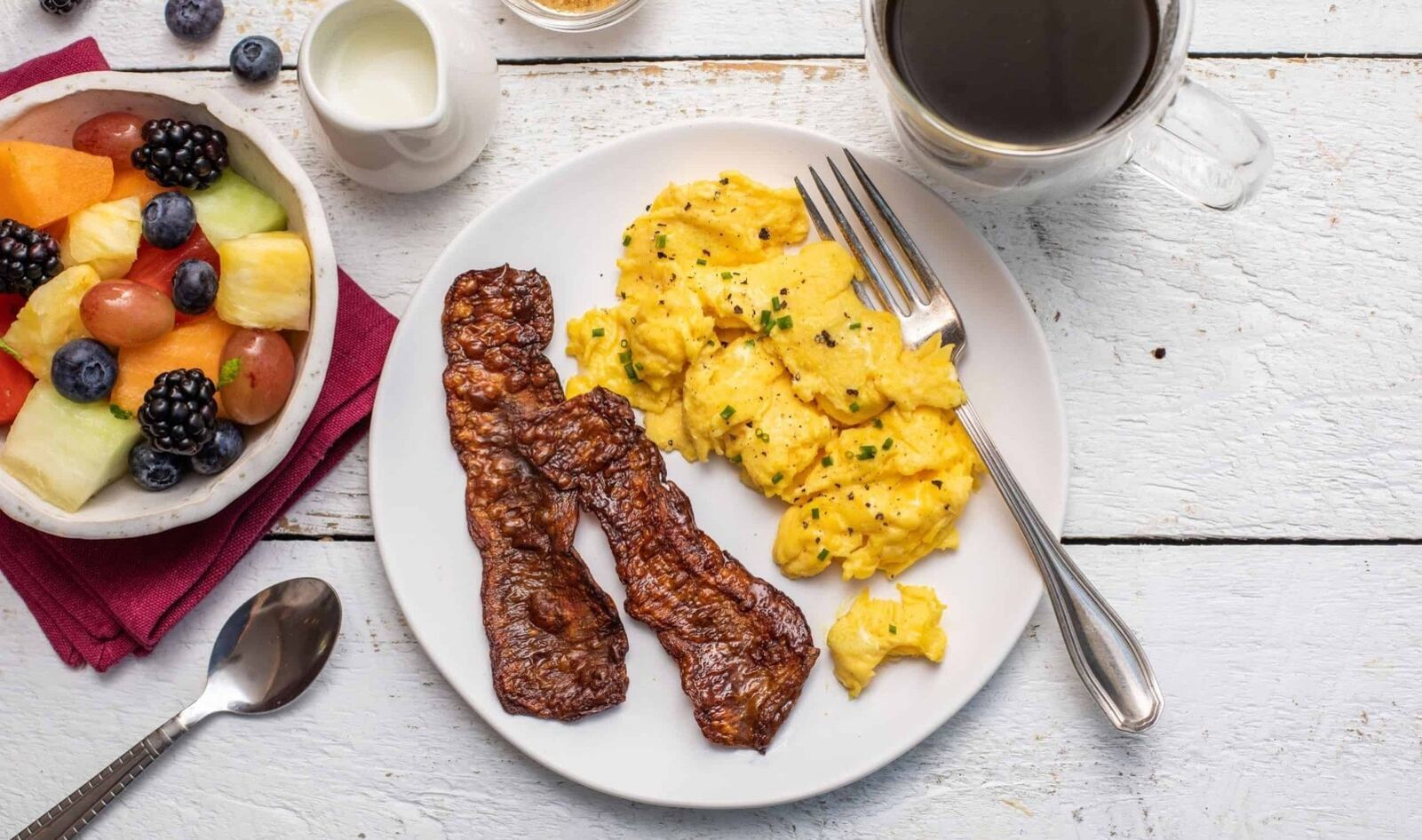
Crispy plant-based bacon substitutes delivering the smoke and fat you crave — without the pork.
Homemade Bacon Substitutes: Recipes for Smoke and Fat
If you prefer to control your ingredients — and your fat content — making bacon substitutes at home is easier than you think. Here are four proven methods that deliver both smoke and fat.
Coconut Bacon (Crunchy, Fatty, 15 Minutes)
Coconut flakes are naturally high in fat, making them perfect for a bacon substitute with real fat content. The recipe requires just three core ingredients: coconut flakes, tamari (or soy sauce), and liquid smoke, plus a drizzle of maple syrup.
Method: Mix the marinade, coat the coconut flakes evenly, then bake at 325°F for 6 minutes, stir, and bake for another 5-7 minutes until golden and crispy. The result is a crunchy, smoky topping that’s ideal for salads, baked potatoes, and sandwiches.
Rice Paper Bacon (Crispy, Low-Fat, Gluten-Free)
Rice paper bacon is the crispiest homemade option. Two sheets of rice paper are pressed together, soaked briefly in water, then marinated in a smoky soy-maple blend and baked at 400°F for about 10 minutes. The result is a shatteringly crisp strip that mimics the crunch of well-done bacon.
While rice paper itself contains minimal fat, you can brush the strips with olive or coconut oil before baking to add richness. This method is naturally gluten-free and lower in oil than most commercial alternatives.
King Oyster Mushroom Bacon (Meaty, Umami-Rich)
King oyster mushrooms are prized for their firm, meaty texture. Sliced paper-thin on a mandoline, they absorb marinades deeply and develop a bacon-like chew when pan-fried or baked. A marinade of soy sauce, maple syrup, smoked paprika, and a touch of miso creates a deep umami profile.
Carrot Bacon (Budget-Friendly, Naturally Sweet)
Thinly sliced carrots marinated in tamari, maple syrup, and smoked paprika transform into surprisingly convincing bacon strips when baked or air-fried. Carrots provide natural sweetness that caramelizes beautifully, and their firm texture holds up well. Air-fry at 380°F for 5 minutes for a quick, crispy result.
⚠️ Note: For the crispiest results, always cook plant-based bacon in a single layer without overcrowding the pan. Crowding causes steaming instead of frying, and you’ll lose the texture contrast that makes bacon so satisfying.
Nutrition Comparison: Plant-Based vs. Pork Bacon
How do these bacon substitutes stack up nutritionally? Here’s a side-by-side comparison of key metrics per 100g serving.
| Product | Protein (g) | Total Fat (g) | Sat. Fat (g) | Sodium (mg) |
|---|---|---|---|---|
| Pork Bacon | 37 | 42 | 14 | 1,700 |
| THIS Isn’t Bacon | 20.1 | 0.6 | 0.1 | 1,950 |
| La Vie Bacon | 14.9 | 15 | 1.3 | — |
| MyForest MyBacon | 3 | 3 | 2 | 420 |
| Tempeh Bacon | ~20 | 6 | 1.5 | ~600 |
Note: Values are approximate and vary by brand and preparation method. Pork bacon data from USDA reference values.
The key takeaway? Plant-based bacon substitutes dramatically reduce saturated fat while maintaining respectable protein levels. THIS Isn’t Bacon leads in protein density, while La Vie delivers the most bacon-like fat experience with minimal saturated fat.
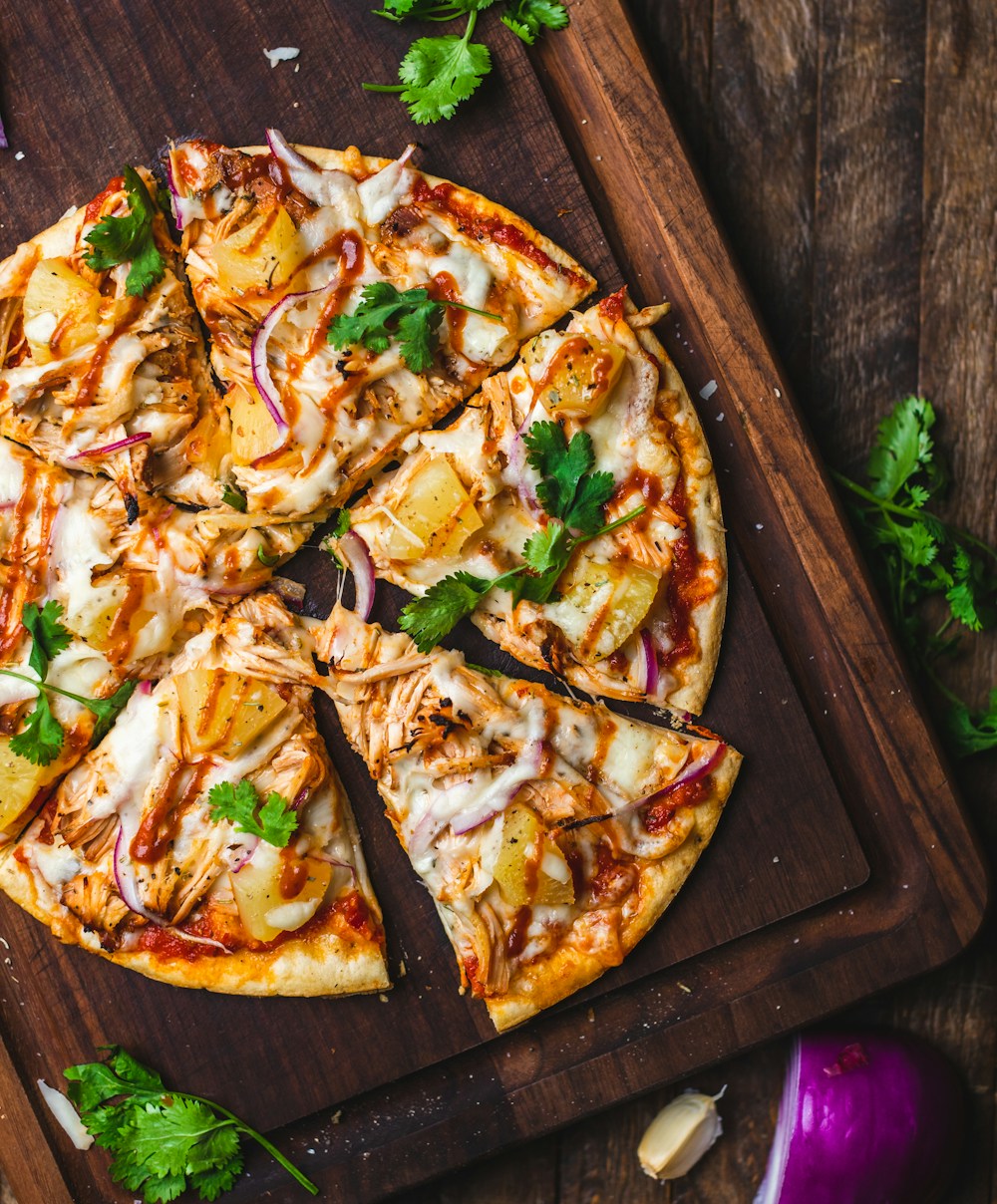
Plant-based bacon substitutes render fat and develop crispy edges when cooked properly.
Global Use Cases: How Different Cultures Enjoy Bacon Substitutes
Bacon is a global ingredient, and plant-based alternatives are finding their way into cuisines worldwide. The applications are broadening beyond breakfast into BLTs, burgers, salads, pasta, pizza, and foodservice toppings.
North America: The BLT and Breakfast Plate
North America dominates the plant-based bacon market with a 38.5% revenue share. Here, the focus is on recreating the classic BLT and breakfast sides. Upton’s Naturals Bacon Seitan is praised for making “an excellent BLT loaded with heirloom tomatoes, vegan mayonnaise, arugula, and sprouted grain toast”.
Europe: Carbonara, Lardons, and Charcuterie
In Europe, La Vie’s lardons are designed specifically for French cuisine — carbonara, quiches, and salads. The company’s patented sunflower fat ensures the lardons render properly, releasing smoky flavor into dishes. European consumers also favor nitrite-free and non-GMO formulations, driving brands to simplify ingredient lists.
Asia-Pacific: The Fastest-Growing Market
The Asia-Pacific region is expected to witness the highest growth rate in plant-based bacon, driven by government initiatives promoting healthier diets, rising flexitarian adoption, and local manufacturers making products more affordable. In markets like Japan and South Korea, seaweed-based bacon from Umaro Foods aligns naturally with traditional umami-rich cuisine.
Middle East and Africa: Halal and Plant-Based Innovation
In the Middle East, tempeh bacon is emerging as the most satisfying plant-based option for halal-conscious consumers. Unlike commercial products that may contain traces of pork-derived flavorings, homemade tempeh bacon is genuinely excellent — a completely different experience from most commercial plant-based bacon products.
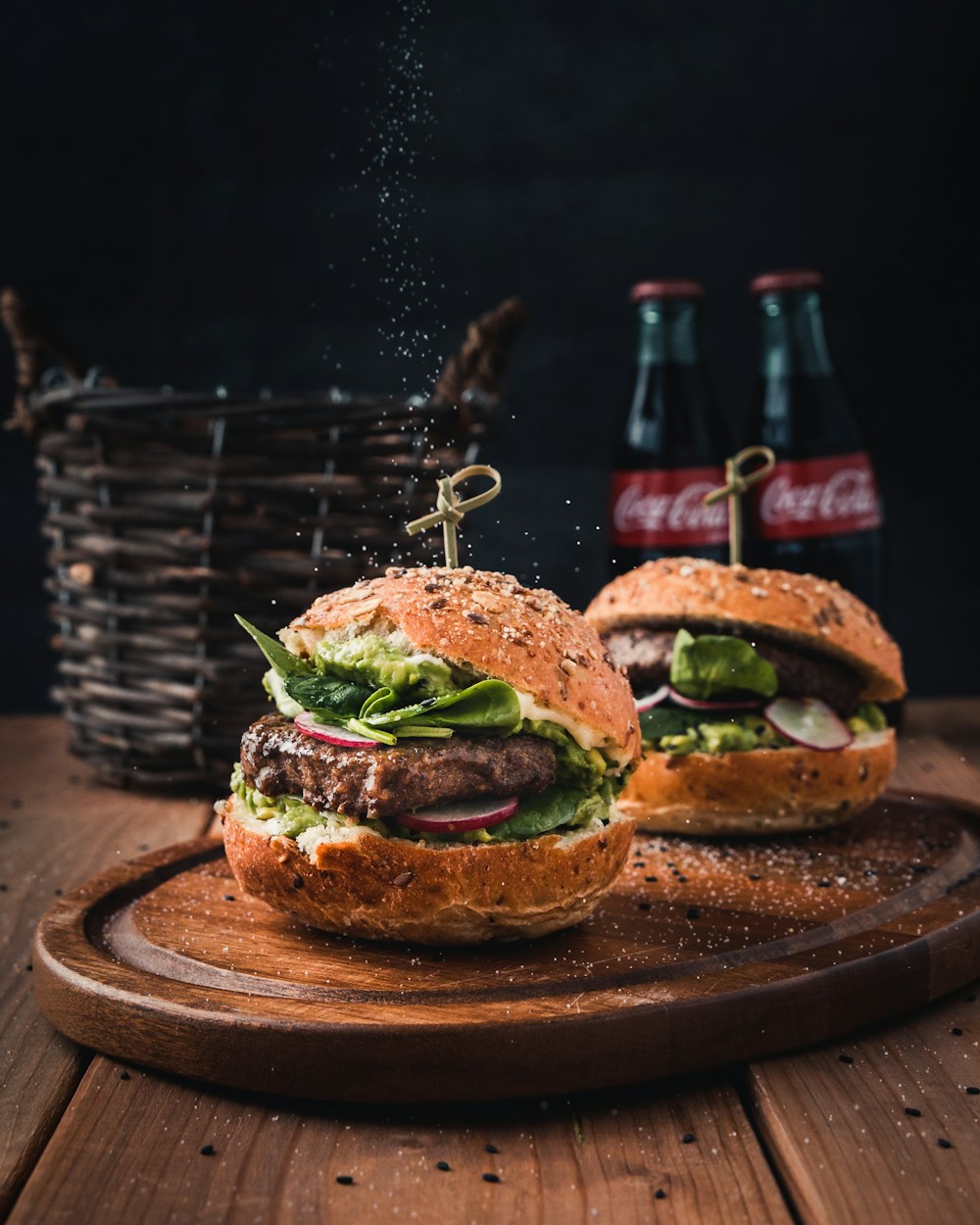
A vegan BLT featuring smoky, fatty plant-based bacon — a global favorite.
Future Trends: Mycelium, Fermentation, and Vision 2030
The future of bacon substitutes is being shaped by three powerful forces: fermentation technology, mycelium cultivation, and global sustainability goals.
Mycelium: The Next Protein Frontier
Mycelium — the root network of mushrooms — is emerging as a game-changer. It’s a complete protein containing all nine essential amino acids and is naturally fat-free until coconut oil is added. MyForest Foods is already farming mycelium at scale, and other companies are racing to follow.
Fermentation: Cleaner Labels, Better Taste
Fermentation reduces beany notes and improves protein digestibility. Brands are using precision fermentation to create heme proteins and fat molecules that behave exactly like animal-derived versions, without the animal. This technology will likely dominate the next generation of bacon substitutes.
Alignment with Vision 2030 and Global Sustainability
Plant-based bacon substitutes align directly with Saudi Vision 2030 goals of food security and economic diversification. As Gulf nations invest in alternative proteins, we’ll see more local production and regional brands emerging. Globally, the push toward lower land and water intensity in food production makes plant-based bacon an environmentally strategic choice.
💡 Tip: When evaluating bacon substitutes, prioritize products with shorter ingredient lists and transparent sourcing. The clean-label movement is gaining momentum, and brands that simplify formulations are winning consumer trust.
Mycelium and fermentation are shaping the next generation of smoky, fatty bacon substitutes.
Frequently Asked Questions
What is the best bacon substitute for smoke and fat?
The best bacon substitutes for both smoke and fat are La Vie Plant-Based Smoked Bacon (patented sunflower fat that renders) and MyForest Foods MyBacon (mycelium + coconut oil). For homemade options, coconut bacon delivers the highest fat content and crispiest texture.
Do plant-based bacon substitutes taste like real bacon?
Modern plant-based bacon has come remarkably close. Products like MyBacon have earned 9.5/10 ratings from food critics, with descriptions like “smoky and bacon-tasting with no discernible mushroom flavor”. The key is in the fat engineering and smoke condensate formulation.
Are bacon substitutes healthier than pork bacon?
Generally, yes. Plant-based bacon is cholesterol-free, nitrite-free, and significantly lower in saturated fat. Conventional bacon has 99% more sodium than plant-based bacon on average. However, some plant-based products are still high in sodium, so always check the label.
How do I make tempeh bacon crispy?
Slice tempeh thinly (about 1/8 inch), marinate in a smoky liquid (tamari, liquid smoke, maple syrup), then pan-fry over medium heat in a single layer for 3-4 minutes per side. Alternatively, bake at 400°F for 15-20 minutes, flipping halfway. Air-frying at 375°F for 7-10 minutes also works well.
Can I use bacon substitutes in carbonara and pizza?
Absolutely. La Vie’s lardons are specifically designed for carbonara and pasta dishes. For pizza, tempeh bacon or king oyster mushroom bacon work best because they hold their shape and release smoky flavor without becoming soggy. Crumbles and bits are ideal for pizza toppings.
What is the best vegan bacon for a BLT?
For a BLT, you want a bacon substitute that’s crispy, smoky, and holds up between bread. Upton’s Naturals Bacon Seitan and MyForest MyBacon are top choices. Rice paper bacon is also excellent for a shatteringly crisp texture.
Is plant-based bacon high in protein?
It varies by product. THIS Isn’t Bacon leads with 20.1g protein per 100g. Tempeh bacon typically contains around 20g protein per 100g. Coconut and rice paper bacon are lower in protein, so if protein is your priority, choose soy, pea, or tempeh-based options.
Where can I buy plant-based bacon substitutes?
Most major supermarkets now stock plant-based bacon. Look for brands like Lightlife, Sweet Earth, and Upton’s Naturals in the refrigerated or frozen sections. Online retailers like Amazon and specialty vegan stores carry a wider range, including Umaro Foods and MyForest Foods products.
Conclusion: Smoke and Fat Without Compromise
Finding a bacon substitute that gives you the smoke and the fat is no longer a compromise. From mycelium-based strips that rival pork in texture to sunflower-fat rashers that render and crisp like the real thing, the options have never been better.
The global plant-based bacon market is growing at over 12% annually, and product innovation is accelerating. Whether you’re a flexitarian looking to cut back on processed meat, a vegan craving a proper BLT, or a chef exploring new ingredients, there’s a smoky, fatty bacon substitute engineered for you.
Start with one product from this guide. Try it in your favorite recipe. And discover for yourself that you don’t need pork to get that perfect combination of smoke and fat.
Ready to Make the Switch?
Start with one of the top-rated bacon substitutes in this guide. Your taste buds — and your health — will thank you.
Tags
bacon substitutes vegan bacon plant-based bacon smoky bacon alternatives healthy bacon substitutes crispy vegan bacon tempeh bacon mycelium bacon