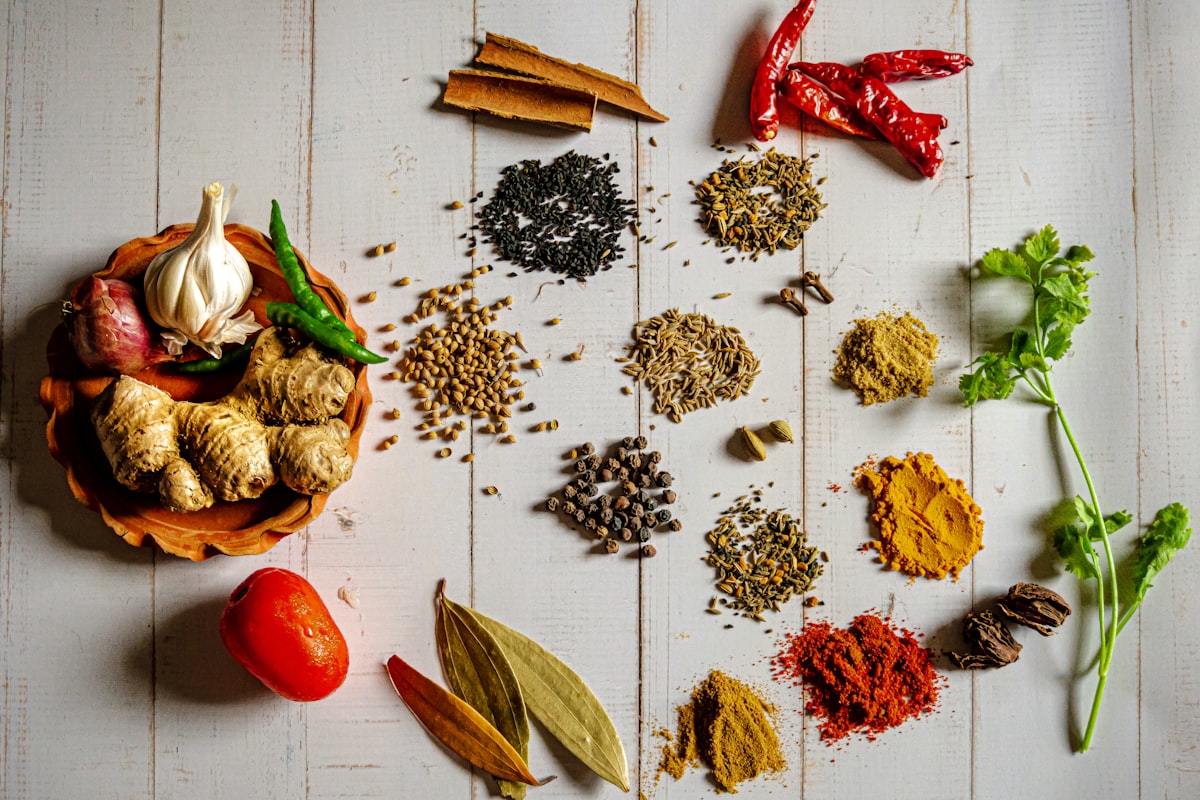
A well-organized Gulf spice pantry is the foundation of authentic Middle Eastern cooking.
Building a Gulf Spice Pantry from Scratch: Your Ultimate Guide to Authentic Middle Eastern Flavors
Imagine unlocking the bold, aromatic soul of Middle Eastern cuisine right in your own kitchen. Building a Gulf spice pantry from scratch is the single most transformative step you can take toward creating authentic, restaurant-quality Gulf dishes at home. According to a 2024 report by Grand View Research, the global spice market reached $22.3 billion, with Middle Eastern spice blends growing at a remarkable 7.8% CAGR—a testament to the surging demand for these irreplaceable flavors.
Whether you live in New York, London, Sydney, or Toronto, sourcing and organizing the right Gulf spices does not require a trip to a souk in Dubai or Doha. With the right knowledge, you can curate a powerful collection of whole spices, ground powders, and hand-mixed blends that will elevate everything from machboos to margooga. This guide walks you through every essential step: identifying core spices, understanding authentic blends, sourcing with confidence, storing for longevity, and avoiding costly beginner mistakes.
By the end of this article, you will have a complete roadmap to build a professional-grade Gulf spice pantry—one that brings the warmth, depth, and cultural richness of the Arabian Gulf directly to your dinner table, no matter where in the world you call home.
📋 Table of Contents
- 1. Understanding Gulf Cuisine and Its Spice Heritage
- 2. Essential Gulf Spices: The Core Collection
- 3. Authentic Gulf Spice Blends You Must Master
- 4. Where to Source Authentic Gulf Spices Globally
- 5. Smart Storage and Organization Systems
- 6. Step-by-Step Guide: Building Your Pantry
- 7. 7 Common Mistakes to Avoid
- 8. Starter Recipes to Test Your New Pantry
- 9. Frequently Asked Questions (FAQ)
Understanding Gulf Cuisine and Its Spice Heritage
The Arabian Gulf region—encompassing Saudi Arabia, the United Arab Emirates, Qatar, Bahrain, Kuwait, and Oman—boasts one of the world's most distinctive culinary traditions. At its heart lies a sophisticated spice culture shaped by centuries of trade along the historic Incense Route and maritime spice trade networks connecting Arabia to India, Persia, East Africa, and Southeast Asia.
Gulf cooking is not about overwhelming heat. Instead, it relies on layered, warm, and deeply aromatic spices that create complexity and depth. Think cinnamon mingling with cardamom, turmeric warming alongside dried lime, and saffron lending its golden hue to celebratory rice dishes. This nuanced approach to spicing is what separates Gulf cuisine from other Middle Eastern traditions and makes building a dedicated Gulf spice pantry so rewarding.
💡 Did You Know? The spice trade through the Gulf dates back over 4,000 years. Archaeological evidence from the Dilmun civilization (modern-day Bahrain) shows extensive spice trading with the Indus Valley as early as 2000 BCE. This deep history explains the remarkable sophistication of Gulf spice blending.
What sets Gulf spices apart is their emphasis on sweet-savory balance. Unlike North African cuisine which favors fiery harissa, or Levantine cooking which celebrates bright herbs, Gulf cuisine harmonizes sweet spices (cinnamon, cardamom, cloves) with earthy spices (cumin, coriander, turmeric) and souring agents (dried lime, tamarind). This trio creates the signature taste profile that defines dishes like kabsa, machboos, saloona, and harees.
For the global home cook, understanding this philosophy is the first step. You are not just collecting jars of powder—you are assembling a flavor toolkit rooted in millennia of culinary wisdom. Let's explore what actually belongs in your pantry.
Essential Gulf Spices: The Core Collection
When building a Gulf spice pantry from scratch, quality matters more than quantity. A focused collection of 15-20 core spices will serve you far better than 50 rarely-used jars gathering dust. Here are the non-negotiable essentials, organized by category for clarity.
🔥 Warming Spices (The Foundation)
These spices provide the comforting, aromatic backbone of countless Gulf dishes. They are typically used in small quantities but contribute massively to the final flavor profile.
- Green Cardamom (هيل): The undisputed king of Gulf spices. Used whole in rice, ground in coffee (gahwa), and as a key component of baharat. Approximately 70% of Gulf households consider cardamom their most-used spice, according to a 2023 culinary survey by the Arab Food Institute.
- Cinnamon (قرفة): Gulf cooks prefer Ceylon cinnamon (true cinnamon) over cassia for its delicate, sweet profile. Essential in meat stews, rice dishes, and desserts.
- Cloves (قرنفل): Used sparingly due to their potency, cloves add depth to rice dishes and are critical in baharat and kabsa spice mix.
- Nutmeg (جوزة الطيب): A small amount of freshly grated nutmeg transforms creamy dishes and adds warmth to spice blends.
- Black Pepper (فلفل أسود): Always grind fresh. Gulf cuisine uses pepper generously but never overwhelmingly.
🌍 Earthy Spices (The Body)
These spices contribute savory depth, color, and a grounding quality that anchors the sweeter notes of warming spices.
- Cumin (كمون): The second most-used spice in Gulf kitchens. Essential in rice, grilled meats, and virtually every savory dish.
- Coriander Seeds (كزبرة): Toasted and ground, coriander adds citrusy warmth. Pairs beautifully with cumin.
- Turmeric (كركم): Provides the golden color characteristic of Gulf rice dishes like machboos. Use high-quality ground turmeric with a minimum 2-3% curcumin content for best results.
- Ginger (زنجبيل): Ground ginger adds gentle heat and is essential in baharat. Fresh ginger is also widely used in Gulf cooking.
- Paprika (بابريكا): Sweet paprika, not smoked, is preferred in Gulf cuisine for its color and mild sweetness.
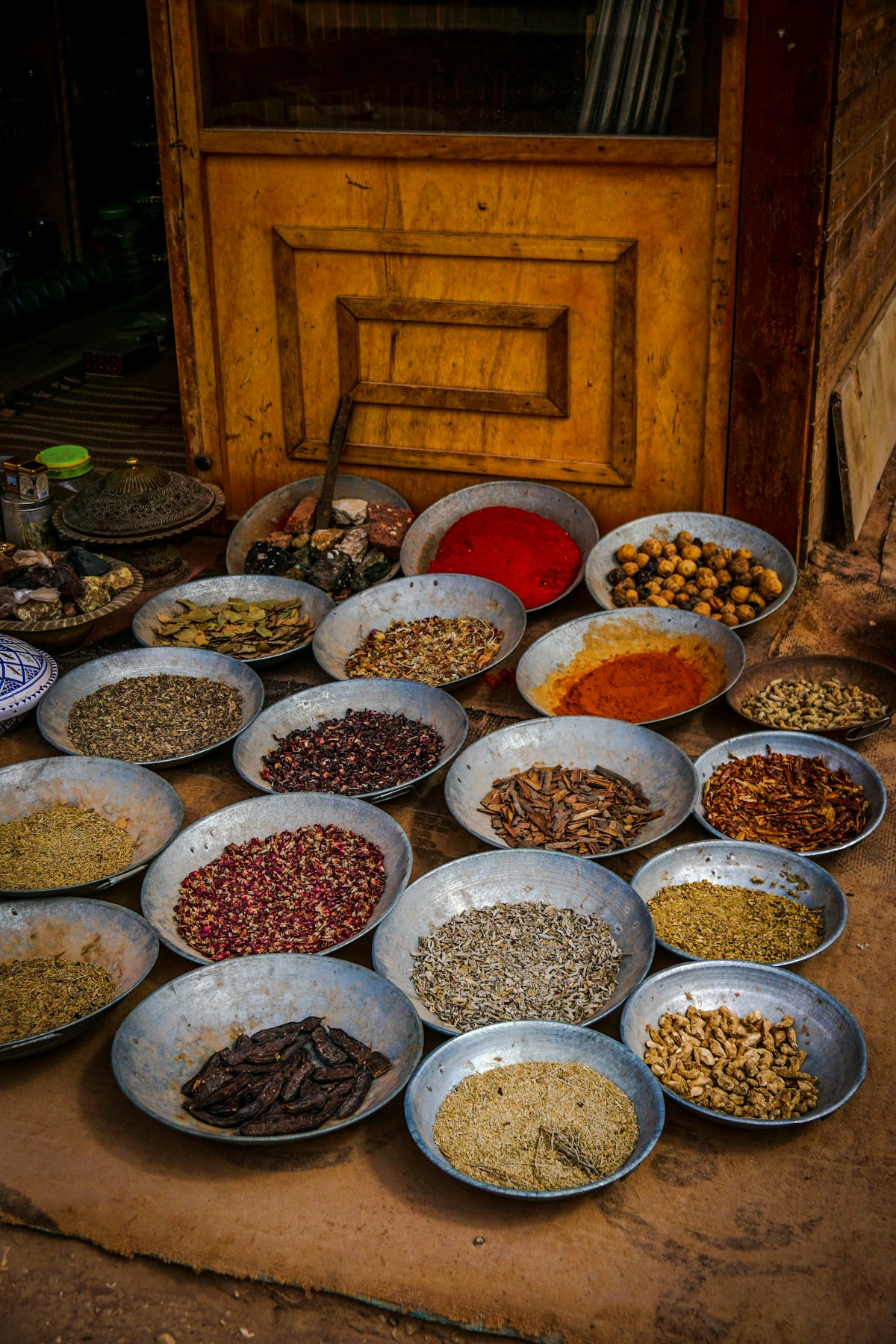
The foundational spices of Gulf cooking: cardamom, cinnamon, cumin, turmeric, and dried black lime.
🍋 Souring Spices (The Signature)
These distinctive ingredients set Gulf cuisine apart and are absolutely essential for authenticity.
- Dried Black Lime / Loomi (لومي): Whole dried limes that impart a deep, tangy, almost fermented citrus note. Used whole (pierced) in stews or ground into powder. No Gulf spice pantry is complete without loomi.
- Sumac (سماق): A tangy, deep-red spice used as a finishing touch on grilled meats and salads.
- Tamarind (تمر هندي): Typically used as a paste rather than a powder in Gulf cooking, adding complex sourness to fish dishes and stews.
✨ Luxury Spices (The Special Touch)
- Saffron (زعفران): The most precious spice in the world, and Gulf cuisine uses it with reverence. A pinch of high-quality saffron threads soaked in warm water or rosewater creates the iconic golden rice of celebratory dishes. Budget-conscious cooks can substitute turmeric, but saffron's subtle honey-floral notes are irreplaceable.
- Rose Petals (ورد مجفف): Dried rose petals and rosewater add a distinctive floral note to desserts, drinks, and some savory dishes.
- Fenugreek (حلبة): Used in smaller quantities in Gulf cooking, fenugreek adds a subtle maple-like bitterness. Essential in some traditional dishes like saloona.
📊 Gulf Spice Comparison at a Glance
Authentic Gulf Spice Blends You Must Master
While individual spices are the building blocks, Gulf spice blends are the masterpieces. These carefully balanced mixtures save time, ensure consistency, and unlock the deepest flavors of Gulf cuisine. Learning to make them at home is both economical and far superior to store-bought versions.
🌶️ Baharat (بهارات)
Baharat literally translates to "spices" in Arabic, but as a blend, it is the workhorse seasoning of Gulf cooking. Every Gulf family has its own recipe, but the core typically includes black pepper, coriander, cinnamon, cloves, cumin, cardamom, nutmeg, and paprika. Some variations add dried rose petals or allspice.
📝 Basic Baharat Recipe (Makes ~1/2 cup)
- 2 tablespoons ground black pepper
- 2 tablespoons ground coriander
- 1 tablespoon ground cinnamon
- 1 tablespoon ground cloves
- 1 tablespoon ground cumin
- 1 teaspoon ground cardamom
- 1 teaspoon ground nutmeg
- 1 tablespoon sweet paprika
Mix all ingredients thoroughly and store in an airtight container. For enhanced flavor, toast whole spices before grinding.
🍗 Kabsa Spice Mix (بهارات الكبسة)
Kabsa is the national dish of Saudi Arabia, and its dedicated spice blend is essential for authentic flavor. While similar to baharat, kabsa spice tends to include more warming spices and often features dried lime powder for that signature tang.
- Includes: black pepper, cumin, coriander, cinnamon, cloves, cardamom, nutmeg, paprika, dried lime powder, and sometimes a touch of saffron.
- Used in: Kabsa, machboos, and other festive rice dishes.
- Pro tip: Make a large batch—it stores well for up to 6 months in an airtight container.
🌿 Za'atar (زعتر)
Though more closely associated with Levantine cuisine, za'atar has a strong presence in Gulf kitchens, especially in the UAE and Kuwait. The blend combines dried thyme, sumac, toasted sesame seeds, and salt. Gulf versions sometimes incorporate dried oregano or marjoram.
Use za'atar as a topping for flatbreads, mixed with olive oil as a dip, or sprinkled over labneh and eggs. Its bright, tangy, nutty profile provides a welcome contrast to heavier meat dishes.
🍋 Loomi Powder (مطحون لومي)
Ground dried black lime is technically a single-ingredient spice rather than a blend, but it functions as a signature seasoning in Gulf cooking. Making your own loom i powder at home is simple: grind whole dried limes in a spice grinder until fine, then sift to remove any tough bits. The result is a tangy, smoky, deeply savory powder that transforms stews, rice, and even grilled fish.
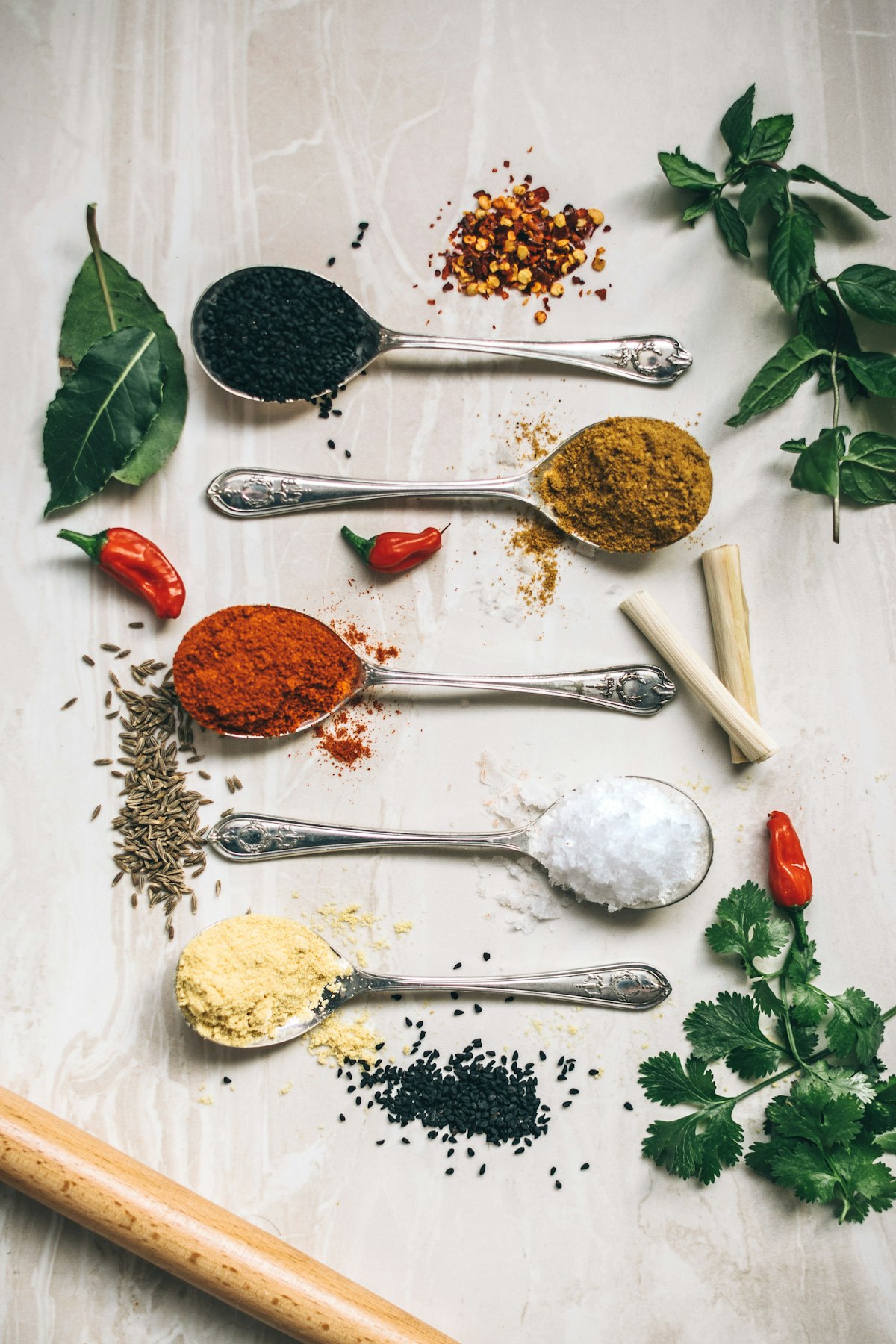
Homemade blends like baharat and za'atar keep your Gulf spice pantry versatile and cost-effective.
Where to Source Authentic Gulf Spices Globally
One of the biggest challenges for home cooks outside the Middle East is finding authentic, high-quality Gulf spices. Fortunately, the global spice trade has made sourcing easier than ever. Here are your best options, ranked by reliability and quality.
1. Middle Eastern Grocery Stores (Best Overall)
If you live in a major city—London, New York, Toronto, Sydney, or Berlin—you likely have access to Middle Eastern or Arabic grocery stores. These shops import spices directly from Gulf countries and the broader region, often at excellent prices. Look for stores in neighborhoods with Arab communities. The advantages include authentic sourcing, knowledgeable staff, and competitive pricing on bulk purchases.
2. Online Specialty Retailers (Most Convenient)
E-commerce has transformed spice sourcing. Websites like Hashems, The Spice House, Penzeys, and Amazon's specialty food section now carry authentic Gulf spices and blends. Look for retailers that provide harvest dates, origin information, and third-party quality testing. When buying online, read reviews carefully and prioritize small-batch, family-owned suppliers who specialize in Middle Eastern ingredients.
3. Indian and South Asian Grocers (Budget-Friendly Alternative)
Many Gulf spices overlap with Indian and South Asian cooking. Stores specializing in Indian groceries often carry cardamom, cinnamon, cloves, cumin, coriander, turmeric, and black pepper at very competitive prices. While the specific varieties may differ slightly from Gulf-favored types, they work well as substitutes. This is an excellent option for building your base collection affordably before sourcing Gulf-specific items like loomi and sumac from specialty retailers.
4. Direct from the Source (For Enthusiasts)
If you have connections in the Gulf or travel there, buying spices from traditional souks is an unforgettable experience. The Spice Souk in Dubai and the Souq Waqif in Doha are legendary for their quality and variety. Many vendors will vacuum-pack spices for travel, and most spices pass through customs without issue when properly sealed and labeled. If you cannot travel, some Gulf-based online shops now ship internationally.
💡 Quality Check Tip: Before buying any spice, examine it carefully. Whole spices should be aromatic, vibrant in color, and free of dust or debris. Ground spices should have a strong, immediate aroma when you open the container. If you cannot smell it, it is likely old. Trust your senses—they are your best quality-control tools.
For readers interested in exploring the broader regional context of these spices, consider reading about the history of the spice trade and Arab cuisine traditions from authoritative sources.
Smart Storage and Organization Systems
Building a Gulf spice pantry is only half the battle—proper storage is essential for preserving flavor, extending shelf life, and making cooking enjoyable. Spices degrade through exposure to light, heat, air, and moisture. Here is how to protect your investment.
Storage Container Options
- Glass Jars with Airtight Lids: The gold standard for spice storage. Glass is non-reactive, provides a complete seal, and allows you to see what is inside. Amber or dark glass offers additional light protection.
- Stainless Steel Containers: Excellent for bulk storage and for protecting spices from light. The downside is that you cannot see the contents, so labeling is crucial.
- Ceramic Jars with Rubber Seals: Beautiful and functional, these work well for frequently used spices that benefit from easy access.
- Avoid: Plastic containers, which can absorb oils and flavors, and clear glass in direct sunlight, which accelerates degradation.
Organization Strategies
An organized spice pantry makes cooking faster and more enjoyable. Consider these approaches:
- By Frequency of Use: Place your most-used spices (cumin, cardamom, turmeric) at the front and eye level. Reserve lower shelves for less frequently used items.
- By Category: Group warming spices together, souring spices together, and blends together. This mirrors how you actually cook.
- Alphabetical: A simple but effective system, especially for larger collections.
- By Cuisine Application: Create a "Gulf Essentials" section that contains everything you need for a typical week of Gulf cooking.
💡 Storage Tip: Label every container with the spice name, purchase date, and source. Most ground spices retain optimal flavor for 6-12 months, while whole spices can last 2-4 years when stored properly. Create a simple spreadsheet or use a kitchen app to track your inventory and prevent waste.
Ideal Storage Conditions
The best location for your Gulf spice pantry is a cool, dark, dry place away from the stove, oven, dishwasher, and direct sunlight. Avoid storing spices above your cooktop where heat and steam rise—this is a common mistake that dramatically shortens shelf life. A dedicated drawer, a pantry shelf away from heat sources, or a wall-mounted spice rack in a shaded area are all excellent options.
Step-by-Step Guide: Building Your Gulf Spice Pantry from Scratch
Now that you understand the components, here is a practical, week-by-week plan to build your complete Gulf spice pantry without overwhelm or unnecessary expense. This approach prioritizes usability so you can start cooking authentic dishes immediately.
Week 1: The Essential Foundation (Budget: $25-35)
Start with the spices that appear in 80% of Gulf recipes. This foundational set allows you to cook basic rice dishes, simple stews, and grilled meats with authentic flavor.
- Ground cumin — the most versatile savory spice
- Ground coriander — cumin's essential partner
- Ground turmeric — for color and earthy warmth
- Ground cinnamon — the key warming spice
- Green cardamom pods — for rice and coffee
- Black peppercorns (whole, for fresh grinding)
- Sweet paprika — for color and mild sweetness
- Ground cloves — a little goes a long way
Action step: Purchase these from your local Middle Eastern or Indian grocery, buying smaller quantities for less frequently used items and larger amounts for cumin and coriander.
Week 2: The Gulf Signature Additions (Budget: $15-25)
Now add the spices that make Gulf cuisine distinctive—the ingredients that separate a generic curry from an authentic machboos.
- Dried black lime (loomi) — whole and/or ground
- Sumac — for bright, tangy finishing
- Nutmeg (whole, for grating fresh)
- Fenugreek — for depth in stews
- Saffron threads — even a small amount (1 gram) elevates dishes
Week 3: Blend-Making Session (Budget: $10-20)
With your individual spices assembled, it is time to create your own blends. This is both economical and ensures maximum freshness.
- Baharat — using the recipe provided above
- Kabsa spice mix — the essential seasoning for festive rice
- Loomi powder — grind whole dried limes
- Za'atar — combine dried thyme, sumac, sesame seeds, and salt
💡 Pro Tip: Toast whole spices (cumin seeds, coriander seeds, cinnamon sticks, cloves) in a dry skillet over medium heat for 2-3 minutes until fragrant before grinding. This simple step dramatically enhances flavor by releasing essential oils.
Week 4: Organization and First Recipes
Transfer all your spices and blends into proper storage containers, label everything clearly, and cook your first authentic Gulf dishes. Start with simple recipes that use your new pantry, like cumin-scented basmati rice, grilled chicken with baharat, or a simple lentil soup with loomi. Success breeds confidence and momentum.
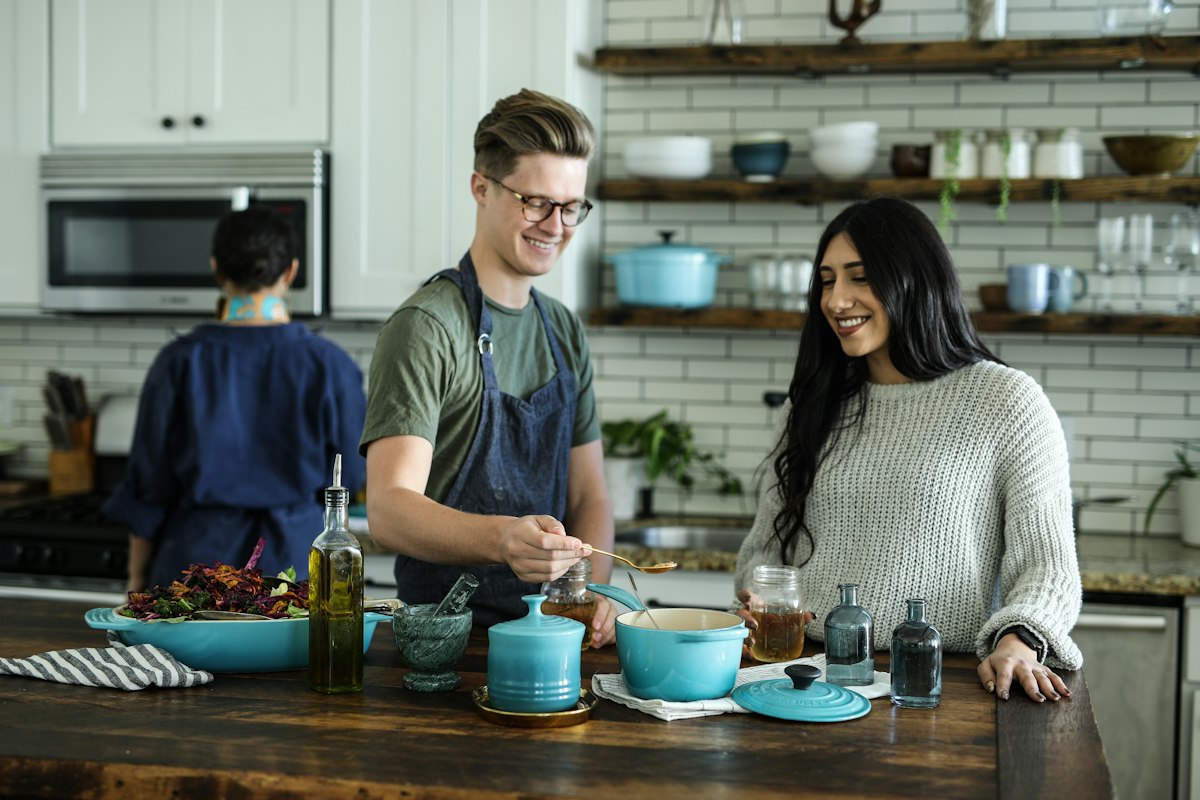
A well-organized spice pantry makes authentic Gulf cooking effortless and enjoyable.
7 Common Mistakes to Avoid When Building Your Gulf Spice Pantry
Learning from others' mistakes saves time, money, and frustration. Here are the most common errors home cooks make when starting their Gulf spice collection—and how to avoid them.
- Buying Everything at Once: It is tempting to purchase a full spice set immediately, but this often leads to waste as you discover which spices you actually use. Start with the essentials and expand gradually.
- Buying Pre-Ground Everything: Ground spices lose potency quickly. Buy whole spices for items you use less frequently (cardamom, cloves, nutmeg, cinnamon) and grind as needed. For high-turnover spices like cumin and coriander, ground is acceptable.
- Storing Spices Near Heat: Keeping your spice rack above the stove or near the oven is a classic error. Heat accelerates flavor loss. Move your spices to a cool, dark location.
- Ignoring Dried Lime (Loomi): Many Western cooks skip this ingredient because it is unfamiliar. This is a mistake. Loomi is the single most distinctive flavor in Gulf cuisine and absolutely essential for authenticity.
- Using Low-Quality Saffron: Cheap "saffron" is often dyed safflower or other substitutes. Invest in genuine Grade 1 saffron threads from a reputable source. A little genuine saffron goes far.
- Not Toasting Spices: Skipping the toasting step means missing out on significant flavor enhancement. Toasting whole spices before grinding is a simple habit that elevates every dish.
- Forgetting to Label: Ground spices of similar color can be easily confused (cumin vs. coriander, cinnamon vs. nutmeg). Always label containers clearly with the name and date.
"A spice pantry is not just a collection of ingredients—it is a passport to a culture. Every jar of cardamom, every pinch of saffron, every dried lime tells a story of trade routes, family recipes, and centuries of culinary wisdom. Build your pantry with intention, and it will reward you with a lifetime of extraordinary meals."
— Traditional Gulf Cooking Wisdom
Starter Recipes to Test Your New Gulf Spice Pantry
The best way to validate your new Gulf spice pantry is to cook with it. Here are three simple, approachable recipes that showcase your spices beautifully and build confidence.
🍚 Cumin-Cardamom Basmati Rice
This fragrant rice is the perfect accompaniment to any Gulf meal and demonstrates the power of simple spicing.
- 2 cups basmati rice, rinsed and soaked for 30 minutes
- 4 green cardamom pods, lightly crushed
- 1 cinnamon stick
- 1 teaspoon whole cumin seeds
- 3 tablespoons ghee or neutral oil
- Salt to taste
- Optional: a pinch of saffron soaked in 2 tablespoons warm water
Method: Heat ghee in a pot, add cardamom, cinnamon, and cumin seeds. Sauté for 30 seconds until fragrant. Add drained rice and stir to coat. Add water (1.5 cups water per cup of rice), salt, and saffron water if using. Bring to a boil, cover, reduce heat to low, and cook for 15 minutes. Let rest 5 minutes before fluffing.
🍗 Baharat-Grilled Chicken
A simple marinade that showcases the depth of your homemade baharat blend.
- 4 chicken thighs or breasts
- 2 tablespoons baharat
- 3 tablespoons olive oil
- 2 cloves garlic, minced
- Juice of 1 lemon
- Salt to taste
Method: Combine all marinade ingredients and coat the chicken thoroughly. Marinate for at least 2 hours (ideally overnight). Grill or pan-sear until cooked through and lightly charred. Serve with the cumin-cardamom rice and a simple salad.
🍋 Loomi Lentil Soup
This comforting soup highlights the unique flavor of dried black lime.
- 1 cup red lentils, rinsed
- 1 whole dried black lime, pierced several times with a knife
- 1 onion, finely chopped
- 2 tablespoons olive oil
- 1 teaspoon ground cumin
- 1/2 teaspoon ground turmeric
- 4 cups vegetable or chicken broth
- Salt and pepper to taste
- Fresh cilantro for garnish
Method: Sauté the onion in olive oil until soft. Add cumin and turmeric, stir for 30 seconds. Add lentils, broth, and the pierced dried lime. Simmer for 25-30 minutes until lentils are tender. Remove the lime before serving. Garnish with fresh cilantro and a drizzle of olive oil.
Frequently Asked Questions About Building a Gulf Spice Pantry
❓ How much does it cost to build a Gulf spice pantry from scratch?
A well-stocked Gulf spice pantry typically costs between $50 and $100 depending on quality and sourcing. The essential foundation (Week 1) can be assembled for $25-35, with signature Gulf additions (loomi, sumac, saffron) adding another $15-25. Budget-conscious cooks can start smaller and expand gradually. Buying from Indian or Middle Eastern grocery stores typically reduces costs by 30-50% compared to premium online retailers.
❓ What is the most important spice in Gulf cooking?
Green cardamom is widely considered the most essential Gulf spice. It is used daily in rice dishes, coffee (gahwa), desserts, and spice blends. A close second is cumin, which appears in nearly every savory dish. However, for authentic Gulf flavor, dried black lime (loomi) is the most distinctive ingredient—it is what sets Gulf cuisine apart from other Middle Eastern traditions.
❓ Can I substitute Gulf spices with regular supermarket spices?
Yes, with some caveats. Common spices like cumin, coriander, cinnamon, and turmeric are available in most supermarkets and work well. The challenges lie with Gulf-specific items like dried lime (loomi), sumac, and high-quality saffron. These require specialty sourcing. For the best results, use supermarket spices for the basics and seek out authentic sources for signature Gulf ingredients.
❓ How long do Gulf spices last in the pantry?
Storage life varies significantly by form. Whole spices (cardamom pods, cinnamon sticks, whole cloves) last 2-4 years when stored properly in airtight containers away from heat and light. Ground spices (cumin, coriander, turmeric) retain optimal flavor for 6-12 months. Blends like baharat should be used within 3-6 months for best flavor. Always check for aroma—if a spice has lost its smell, it has lost its flavor.
❓ Do I need to buy whole spices or is ground okay?
For maximum flavor and longevity, whole spices are always better. They retain their essential oils much longer and can be ground as needed. That said, ground spices are more convenient for daily cooking. A practical approach: buy whole for items you use less frequently (cardamom, cloves, nutmeg, cinnamon) and buy ground for high-turnover spices (cumin, coriander, turmeric, paprika) that you will use up before they degrade.
❓ What is the difference between Gulf cuisine and other Middle Eastern cuisines?
Gulf cuisine is distinct in its emphasis on warming spices (cardamom, cinnamon, cloves) combined with souring agents (dried lime, tamarind). It uses less heat than North African cooking, fewer fresh herbs than Levantine cuisine, and more sweet-savory balance than either. The use of dried black lime (loomi) is unique to Gulf cooking and is its most distinguishing feature. Rice is also more central to Gulf meals than in other Middle Eastern traditions.
❓ Can I make Gulf spice blends without a spice grinder?
Yes, though a spice grinder (or coffee grinder dedicated to spices) makes the process significantly easier. Without one, you can: (1) buy pre-ground individual spices and mix them in the correct proportions, or (2) use a mortar and pestle for small batches, or (3) purchase high-quality pre-made blends from Middle Eastern grocery stores. The flavor will be good with pre-ground spices, though not quite as vibrant as freshly ground.
Conclusion: Your Journey into Gulf Cooking Starts Now
Building a Gulf spice pantry from scratch is more than a shopping exercise—it is an invitation to explore one of the world's most refined and storied culinary traditions. From the golden saffron rice of Saudi Arabia to the tangy loom i stews of the Emirates, every dish begins with a well-stocked pantry and a willingness to learn.
You now have the complete roadmap: the essential spices, the authentic blends, the smart sourcing strategies, the proper storage systems, and the starter recipes to put it all into practice. The investment is modest—typically under $100—but the returns are immeasurable. Imagine serving your family a fragrant machboos on a weeknight or impressing guests with homemade baharat grilled chicken at your next gathering.
The global accessibility of authentic ingredients has never been better, and the resources available to home cooks are more abundant than ever. Whether you are in London, New York, Sydney, or anywhere in between, the flavors of the Arabian Gulf are within your reach. Start with the basics this week, add the signature Gulf spices next week, and begin cooking authentic dishes immediately. Your taste buds—and your dinner guests—will thank you.

Your new Gulf spice pantry opens the door to authentic, aromatic cooking every day.
Ready to Transform Your Kitchen with Gulf Flavors?
Start building your authentic Gulf spice pantry today. Download our free Gulf Spice Checklist and get exclusive access to our library of tested Gulf recipes, shopping guides, and video tutorials.
Join 12,000+ home cooks mastering Gulf cuisine worldwide.
🏷️ Tags
📎 Suggested Internal Links for Your Blog:
→ 10 Essential Middle Eastern Kitchen Tools | → How to Cook Perfect Basmati Rice Every Time | → Traditional Gulf Breakfast Recipes | → Guide to Saffron: Grades and Quality | → Spice Grinding Techniques for Home Cooks