Cooking Without Wine: The Complete Substitution Guide for Global Kitchens
Meta Description: Master cooking without wine using our complete substitution guide. Discover the best wine substitutes, exact ratios, halal-friendly swaps, and global techniques for delicious alcohol-free dishes.
You are halfway through a recipe, the pan is hot, the aromatics are sizzling, and then you read the next line: "Deglaze with one cup of dry white wine." Whether you avoid alcohol for religious reasons, are cooking for children, are in recovery, or simply forgot to buy a bottle, this moment of panic is more common than you might think. The good news is that cooking without wine is not a compromise — it is a skill that opens the door to new flavor possibilities. Wine contributes acidity, liquid, aroma, and the ability to lift caramelized bits from a pan, but every one of those functions can be replicated with ingredients you probably already have in your kitchen. This complete substitution guide covers the science behind wine's role in cooking, the best alcohol-free alternatives with precise ratios, halal and dietary considerations, global recipe applications, and practical tips for deglazing, braising, and building sauces without a single drop of alcohol. You will also find data on why alcohol does not fully cook off, a comparison table of substitutes, and answers to the most common questions home cooks ask.
Table of Contents
- Why Wine Is Used in Cooking (And What It Actually Does)
- The Science: Does Alcohol Really Cook Off?
- The Best Wine Substitutes with Exact Ratios
- Comparison Table: Red vs. White Wine Substitutes
- Halal and Dietary Considerations for Global Cooks
- Global Recipe Applications and Case Studies
- Techniques: Deglazing, Braising, and Sauce Building
- Future Trends: Vision 2030 and the Rise of Alcohol-Free Gastronomy
- Frequently Asked Questions
- Conclusion and Call to Action
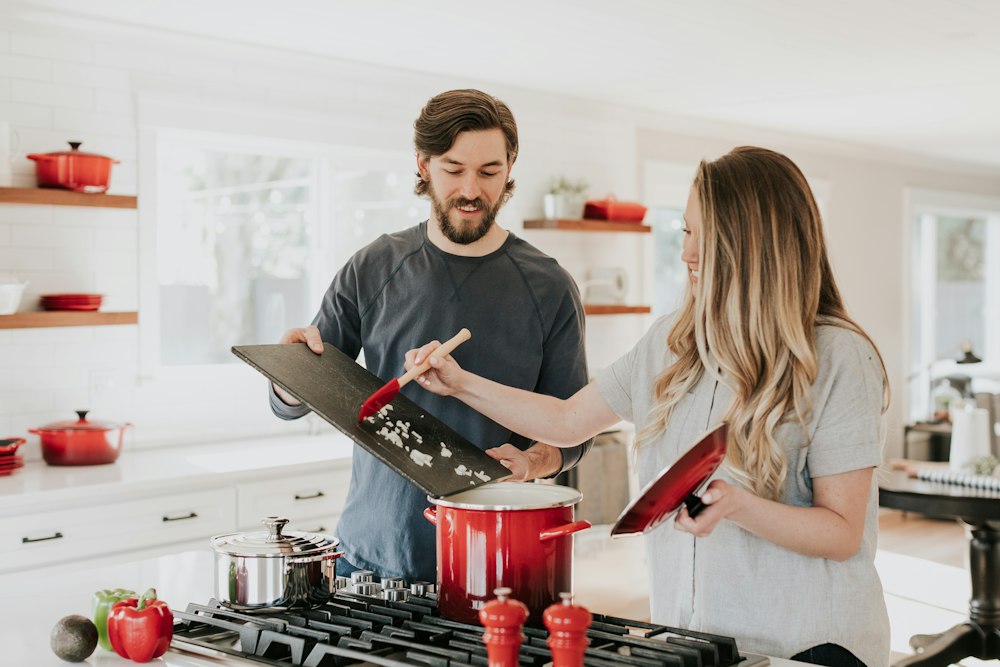
Deglazing a hot pan with broth and a splash of acid delivers the same savory lift as wine — without the alcohol.
Why Wine Is Used in Cooking (And What It Actually Does)
Wine earns its place in recipes because it performs four distinct jobs simultaneously. Understanding these functions is the key to replacing it effectively. When you know what to use instead of cooking wine, you stop guessing and start cooking with confidence.
First, wine provides acidity. This brightness cuts through richness in cream sauces, balances fatty meats, and wakes up flat flavors. Second, it adds liquid for building sauces, extending reductions, and hydrating grains like risotto rice. Third, wine contributes aromatic complexity — fruity, floral, or mineral notes that develop during cooking. Fourth, and often overlooked, wine has deglazing power. When you pour it into a hot pan, it dissolves the caramelized browned bits (called fond) that form the foundation of restaurant-quality pan sauces.
The alcohol itself is not the flavor. In fact, alcohol can taste harsh and bitter when reduced too aggressively. What matters is the liquid, the acid, and the aromatic compounds that wine carries. That is why non-alcoholic cooking works so well: you can deliver all four functions with alternatives that are safer, more accessible, and often more affordable.
💡 Tip: Before choosing a substitute, ask yourself which job the wine is doing in your recipe. If it is mainly for deglazing, broth with a splash of vinegar will work beautifully. If it is for depth in a slow braise, grape juice with balsamic will deliver richer results.
The Science: Does Alcohol Really Cook Off?
Many home cooks believe that alcohol evaporates completely during cooking. The research tells a different story. According to data from the U.S. Department of Agriculture's Nutrient Data Laboratory, a dish simmered for 15 minutes still retains about 40 percent of its added alcohol. Even after 2.5 hours of cooking, roughly 5 percent remains.
The retention varies dramatically by cooking method. Alcohol added to a boiling liquid and immediately removed retains up to 85 percent. Flambéing leaves approximately 75 percent. A marinade stored overnight without heat retains around 70 percent. This matters for anyone avoiding alcohol for religious, health, pregnancy, or recovery reasons. The idea that "it all cooks off" is a myth that has real consequences.
"The popular idea that the alcohol all cooks off is not accurate. USDA data shows a dish simmered for 15 minutes still retains about 40 percent of its added alcohol — which matters if you are avoiding alcohol for health, pregnancy, recovery, or religious reasons."
This is why alcohol-free cooking is not just about flavor. For Muslim cooks following halal dietary laws, for people in recovery, and for families cooking for children, choosing a true substitute is the only way to guarantee a dish contains zero alcohol.
The Best Wine Substitutes with Exact Ratios
The following substitutes are organized by function. Each entry includes the ideal ratio so you can swap with confidence. Remember that these are starting points — taste as you go and adjust.
1. Broth + Acid (Most Versatile)
Chicken, vegetable, or beef broth replaces wine cup-for-cup, but broth alone lacks the brightness wine provides. Add acid to compensate. For every 1 cup (250 ml) of broth, start with 1 teaspoon of lemon juice or a mild vinegar, then taste and adjust. This combination works exceptionally well in creamy sauces, risottos, poultry dishes, and seafood. Choose the broth flavor to match your dish: chicken broth for poultry, vegetable broth for vegetarian recipes, and beef broth for red meat.
2. Grape Juice + Vinegar (Best for Red Wine)
For red wine, combine 1 cup of unsweetened red or purple grape juice with 2 tablespoons of red wine vinegar or apple cider vinegar. This mixture delivers the color, tartness, and fruit-forward depth that red wine contributes to beef stews, marinades, and rich sauces. White grape juice paired with white wine vinegar serves the same purpose for white wine dishes.
3. Pomegranate or Cranberry Juice (Best for Bold Red Dishes)
Pomegranate juice offers a wine-like aroma and deep color that mimics red wine remarkably well. Cranberry juice provides a similar tartness ideal for rich meat dishes. Use these juices at a 1:1 ratio, but be aware they are naturally sweeter than wine. If your dish tastes too sweet, add a small squeeze of lemon or a splash of vinegar to restore balance.
4. Apple Juice + Lemon (Best for White Wine)
Apple juice has the light color and gentle sweetness that makes it an excellent white wine substitute. Combine 50 percent apple juice with 50 percent broth, then add a squeeze of lemon juice to introduce the acidity wine would provide. This blend shines in pork dishes, seafood, and light pasta sauces.
5. Verjus (Closest Wine-Like Flavor)
Verjus is pressed from unripe grapes and offers gentle acidity with grape aromatics that mimic wine more naturally than most alternatives. Use it 1:1 in seafood, poultry, pan sauces, and risotto. It is alcohol-free and prized in professional kitchens for its subtle complexity.
6. Non-Alcoholic Wine (Most Authentic)
Non-alcoholic wine is the closest match to traditional wine in both aroma and function. Use it 1:1 in any recipe. Note that some brands run sweeter than traditional wine, so you may need a slightly longer reduction. The global non-alcoholic wine market was valued at approximately USD 1.65 billion in 2025 and is projected to reach USD 2.85 billion by 2031, reflecting growing demand for authentic alcohol-free options.
📌 Note: Always dilute vinegar-based substitutes. Vinegar is significantly more acidic than wine and will overpower your dish if used at full strength. Start with a small amount, taste, and increase gradually.
Comparison Table: Red vs. White Wine Substitutes
The table below summarizes the best cooking wine alternatives for red and white wine applications, along with exact ratios and the dishes where each works best.
| Wine Type | Best Substitute | Ratio | Best For |
|---|---|---|---|
| Red Wine | Grape juice + red wine vinegar | 1 cup juice + 2 tbsp vinegar | Beef stews, marinades, rich sauces |
| Red Wine | Pomegranate or cranberry juice | 1:1 | Bold meat dishes, color matching |
| White Wine | Broth + lemon juice | 1 cup broth + 1 tsp lemon | Cream sauces, risotto, poultry |
| White Wine | Apple juice + broth + lemon | 50/50 juice and broth | Seafood, pork, light pasta |
| Both | Verjus | 1:1 | Delicate sauces, seafood, deglazing |
| Both | Non-alcoholic wine | 1:1 | All wine applications |

Your pantry already holds powerful wine substitutes: broths, juices, vinegars, and verjus each replicate a different function of wine.
Halal and Dietary Considerations for Global Cooks
For Muslim cooks, cooking without wine is not optional — it is a religious requirement. Alcohol in all forms is considered haram in Islamic dietary law. Even though some alcohol evaporates during cooking, trace amounts remain, rendering the dish impermissible. The global halal food market was valued at over USD 2.5 trillion in 2025, reflecting the scale of demand for alcohol-free culinary solutions.
Ingredients like mirin, sake, and Shaoxing wine are common in Japanese and Chinese cooking but contain alcohol and are generally avoided. Halal-friendly alternatives include rice vinegar combined with a pinch of sugar to mimic mirin's sweet-umami profile, or non-alcoholic Japanese cooking wine certified as halal. For Shaoxing wine, dry sherry and pure rice wines are recommended substitutes when their alcohol content is acceptable, or a mixture of white grape juice with a few drops of rice vinegar for a fully alcohol-free option.
Beyond halal considerations, many people avoid alcohol for health reasons, during pregnancy, or in recovery. The growing global trend toward reduced alcohol consumption supports this shift: global beverage alcohol volumes declined by 2 percent in 2025, marking the third consecutive year of decline. Non-alcoholic wine specifically grew by 12.5 percent in the same period.
Global Recipe Applications and Case Studies
Wine appears in cuisines around the world, and each tradition requires a slightly different substitution strategy. Here are practical examples from global kitchens.
French Cuisine: Coq au Vin Without Wine
Coq au vin traditionally relies on red wine for depth and color. A tested alcohol-free version combines 1½ cups of beef broth with ½ cup of unsweetened red grape juice and 2 tablespoons of balsamic vinegar. The broth provides body, the grape juice delivers fruit and color, and the balsamic adds the acid complexity that wine would contribute. This blend works beautifully in slow cookers and delivers a rich, satisfying result.
Italian Cuisine: Risotto and Pan Sauces
Italian cooking uses white wine to deglaze pans and add brightness to risotto. Replace it with an equal amount of warm chicken or vegetable broth, then add 1 teaspoon of lemon juice per cup of broth. Add the acid after the broth has reduced slightly to preserve its brightness. For creamy pasta sauces, this combination prevents the heavy, flat finish that can occur without wine's acidity.
Asian Cuisine: Stir-Fries and Marinades
Shaoxing wine is a staple in Chinese stir-fries and marinades. For a fully alcohol-free substitute, combine white grape juice with a few drops of rice vinegar, or use a splash of chicken stock with a pinch of sugar to replicate the wine's gentle sweetness and savory depth. In Japanese cooking, replace mirin with rice vinegar plus a small amount of sugar — approximately 1 tablespoon of rice vinegar and 1 teaspoon of sugar for every tablespoon of mirin.
Middle Eastern Cuisine: Braises and Stews
Middle Eastern cooking rarely uses wine, but when recipes call for it in braises or marinades, pomegranate juice is the natural substitute. Its tartness and deep color complement lamb, beef, and poultry beautifully. Use it 1:1, and add a splash of lemon juice if additional acidity is needed.
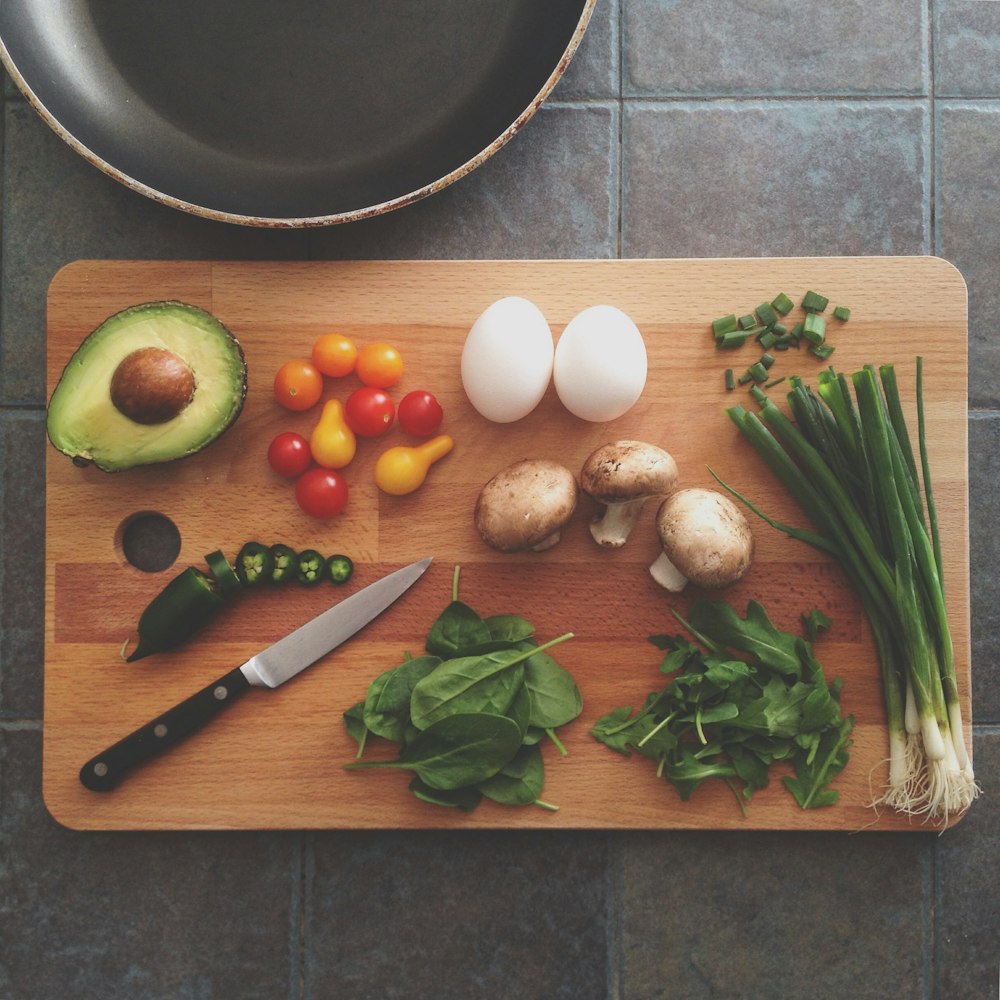
From French coq au vin to Asian stir-fries, every cuisine has an alcohol-free path to deep, complex flavor.
Techniques: Deglazing, Braising, and Sauce Building
Mastering the technique is as important as choosing the right substitute. These practical guidelines will help you achieve professional results every time.
Deglazing Without Wine
Deglazing is the technique of adding liquid to a hot pan to dissolve the browned bits of food left after searing. Wine is traditionally used because its acidity helps release the fond, but broth works just as well. Follow these steps:
- Keep the pan hot after removing your protein or vegetables.
- Pour in warm broth — cold liquid can shock the pan and make the fond harder to release.
- Scrape the bottom firmly with a wooden spoon or spatula to lift all the browned bits.
- Add lemon juice, verjus, or a mild vinegar once the fond has released.
- Reduce the liquid to concentrate flavor before finishing with butter or cream.
Braising and Slow Cooking
In braises, wine contributes depth that develops over hours. Replace it with a combination of broth and fruit juice. The natural sugars in grape, apple, or pomegranate juice caramelize during long cooking, mimicking the complexity that wine provides. Add a tablespoon of vinegar or tomato paste to introduce the savory-umami notes that alcohol helps extract from meat and vegetables.
Sauce Building
For pan sauces, the order of addition matters. Add your acid first and let it evaporate slightly to soften its sharpness, then add broth and reduce. This technique, recommended by professional chefs, prevents the vinegar from dominating the final sauce. Finish with a knob of cold butter to add gloss and roundness.
✅ Pro Tip: Keep a "flavor base" in your refrigerator: a jar of broth mixed with a small amount of white wine vinegar and lemon juice. Use it as a direct 1:1 replacement for white wine in any recipe. It stays fresh for up to a week and eliminates last-minute scrambling.
Future Trends: Vision 2030 and the Rise of Alcohol-Free Gastronomy
The global shift toward alcohol-free cooking is accelerating. Saudi Arabia's Vision 2030 framework, which emphasizes culinary heritage, food security, and sustainable gastronomy, has played a significant role in elevating alcohol-free dining to a position of sophistication rather than limitation. The Kingdom's investment in culinary innovation and the documentation of traditional recipes through initiatives like the Saudi Food Composition Tables demonstrate how alcohol-free cooking can be both culturally rooted and globally influential.
Globally, the non-alcoholic beverage sector is experiencing unprecedented growth. The non-alcoholic wine market alone is projected to grow at a compound annual growth rate of over 9 percent through 2031. Innovative products like fermented tea-based wine alternatives and botanical infusions are expanding the possibilities for cooks who want complexity without alcohol. These trends confirm that cooking without wine is not a niche practice — it is the future of inclusive, thoughtful gastronomy.
Frequently Asked Questions
What is the best substitute for white wine in cooking?
The most versatile substitute is broth combined with a small amount of lemon juice or mild vinegar. For every 1 cup of broth, add 1 teaspoon of lemon juice. This delivers the liquid, acidity, and savory base that white wine provides. For a more wine-like flavor, verjus or non-alcoholic white wine are excellent 1:1 replacements.
What is the best substitute for red wine in cooking?
Combine 1 cup of unsweetened red or purple grape juice with 2 tablespoons of red wine vinegar or apple cider vinegar. Pomegranate juice and cranberry juice also work well at a 1:1 ratio, delivering the tartness and deep color that red wine contributes to braises and rich sauces.
Does alcohol really cook off completely?
No. USDA research shows that a dish simmered for 15 minutes retains about 40 percent of its alcohol, and even after 2.5 hours of cooking, approximately 5 percent remains. For anyone avoiding alcohol for religious, health, or recovery reasons, using a true alcohol-free substitute is the only way to guarantee zero alcohol.
Can I just omit wine from a recipe without replacing it?
You can omit it, but you will lose both liquid and acidity. You should add extra broth to maintain moisture and a small amount of lemon juice or vinegar to restore the brightness that wine provides. Without this adjustment, dishes can taste flat or heavy.
What is a halal substitute for cooking wine?
Vinegar, lemon juice, and vegetable or chicken broth are the most commonly recommended halal substitutes. For specific cuisines, replace mirin with rice vinegar and a pinch of sugar, and replace Shaoxing wine with white grape juice combined with a few drops of rice vinegar.
What is verjus and where can I find it?
Verjus is the pressed juice of unripe grapes. It is alcohol-free and offers gentle acidity with grape aromatics that closely mimic wine. You can find it in specialty food stores, gourmet markets, and online retailers. It works best in delicate sauces, seafood, and poultry dishes.
Can I use non-alcoholic wine in any recipe that calls for wine?
Yes. Non-alcoholic wine is designed as a 1:1 replacement for traditional wine. Some brands are sweeter than their alcoholic counterparts, so you may need to reduce the liquid slightly longer or adjust added sugar in the recipe. It is the most authentic substitute available.
Conclusion: Cook with Confidence, With or Without Wine
Cooking without wine is not about sacrifice. It is about understanding what wine does — provides acidity, liquid, aroma, and deglazing power — and choosing ingredients that deliver those functions without alcohol. Whether you are following halal dietary laws, cooking for children, supporting a loved one in recovery, or simply out of wine at the wrong moment, you now have a complete toolkit of substitutes with exact ratios and proven techniques.
The global movement toward alcohol-free gastronomy is growing, supported by innovation in non-alcoholic wines, increased awareness of alcohol retention in cooking, and cultural shifts that prioritize inclusivity and health. Your kitchen can be part of that movement. Start with one substitution this week — replace the white wine in your favorite risotto with broth and lemon, or swap the red wine in your beef stew with grape juice and balsamic vinegar. Taste the difference. Adjust. And discover that the best dishes are not defined by what you leave out, but by how thoughtfully you bring flavors together.
Ready to Transform Your Cooking?
Download our free Wine Substitution Cheat Sheet with printable ratios for every recipe type, or explore our collection of alcohol-free recipes from global cuisines.
Get Your Free Cheat Sheet →Tags
cooking without wine wine substitutes non-alcoholic cooking halal cooking white wine substitute red wine substitute alcohol-free recipes cooking wine alternatives verjus non-alcoholic wine global cuisine Vision 2030 culinary