Coq au Vin Without Wine: The Ultimate Guide to a Rich, Alcohol-Free French Classic
Imagine the deep, savory aroma of a classic French coq au vin without wine filling your kitchen. This iconic dish traditionally relies on red wine, but millions of home cooks worldwide now seek a version that fits alcohol-free, halal, or family-friendly lifestyles. Whether you avoid alcohol for health, religious, or personal reasons, you do not have to sacrifice flavor. This complete guide reveals professional techniques for creating a coq au vin without wine that is every bit as rich, velvety, and impressive as the original. You will discover the best substitutes, a step-by-step recipe, nutritional insights, and global variations. Let us transform your dinner table with a dish that proves French comfort food belongs to everyone.
Table of Contents
The Rich History of Coq au Vin
Coq au vin translates from French as "rooster in wine." The dish originated as a rustic peasant stew designed to tenderize older, tougher birds through slow braising. While legends trace the recipe to ancient Gaul and even Julius Caesar's chef, the first documented mention appeared in an 1864 cookbook called Cookery for English Households. It was not until the early 20th century, however, that the recipe gained formal documentation.
The dish is most closely associated with the Burgundy region of France, where red wine production and poultry farming have long gone hand in hand. Julia Child famously included coq au vin in her 1961 cookbook Mastering the Art of French Cooking, and her television appearances introduced the dish to millions of American home cooks. Today, it remains a symbol of French culinary excellence, and its alcohol-free adaptation continues that proud tradition for modern global audiences.
"Coq au vin is not merely a recipe; it is a story of resourcefulness, patience, and the transformative power of slow cooking. Removing the wine does not remove the soul of the dish."
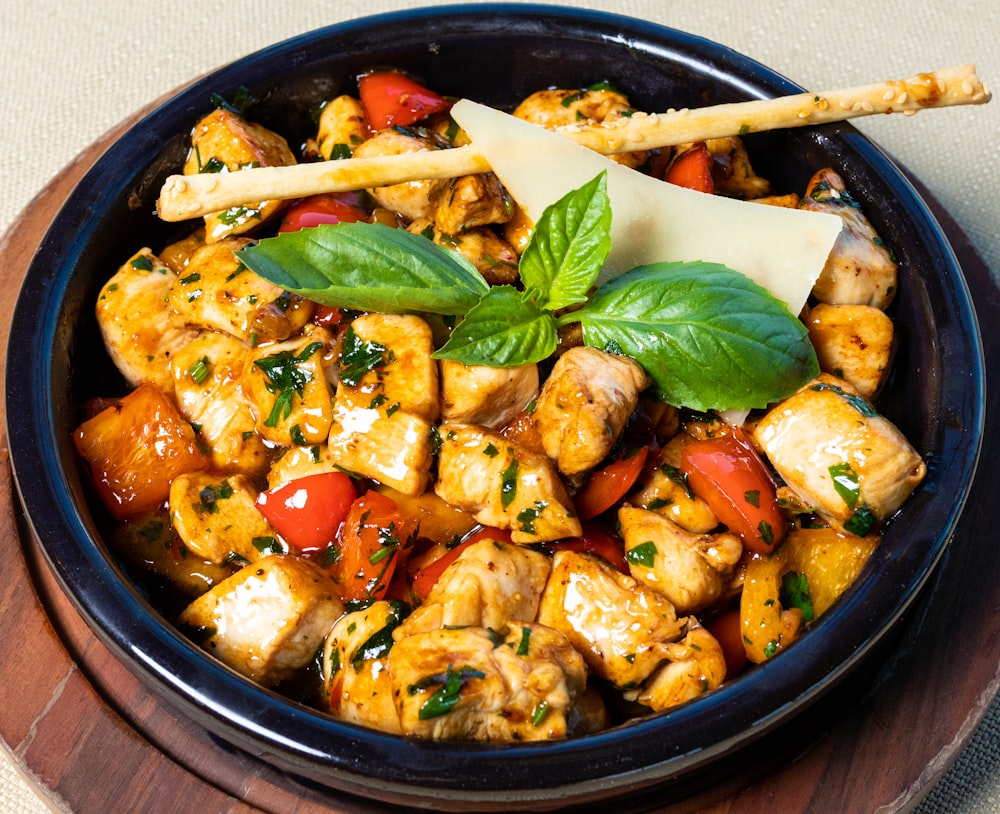
A beautifully braised coq au vin without wine, rich in color and depth from grape juice and stock.
Best Wine Substitutes for Coq au Vin Without Wine
The key to a successful coq au vin without wine lies in choosing the right substitute. Wine provides three essential elements: acidity, depth of flavor, and complexity. Your replacement must deliver all three. Here are the most effective options tested by professional chefs worldwide.
1. Unsweetened Red Grape Juice
This is the most popular and accessible substitute. Use 100% unsweetened red grape juice, preferably from Burgundy or Pinot Noir grapes, to mimic the fruity and acidic profile of traditional red wine. The natural sugars caramelize during cooking, adding remarkable depth.
2. Pomegranate Juice or Molasses
Pomegranate juice offers a bold, tangy flavor with deep color. Some chefs recommend pomegranate molasses for its concentrated acidity and depth, though you should choose a dry variety to avoid excessive sweetness.
3. Cranberry Juice with Red Wine Vinegar
A combination of unsweetened cranberry juice and a teaspoon of red wine vinegar creates a tart, complex liquid that closely mimics wine's acidity. This blend works exceptionally well in slow-braised dishes.
4. Beef or Chicken Stock with Vinegar
For a savory, less fruity profile, use high-quality beef or chicken stock combined with a splash of red wine vinegar. This approach delivers umami richness while the vinegar provides the necessary acid balance.
5. Non-Alcoholic Red Wine
Commercially available non-alcoholic red wines are designed specifically for cooking. They retain the tannins and complexity of traditional wine without the alcohol content. Always check the label to confirm the alcohol content is 0.0%.
💡 Pro Tip: Always taste your substitute before adding it to the dish. Pour a small amount of your chosen liquid into a bowl, add a pinch of salt, and adjust. A tiny splash of red wine vinegar or a pinch of mushroom powder can transform a flat sauce into a deeply savory masterpiece.
Comparison Table: Wine Substitutes for Coq au Vin
| Substitute | Flavor Profile | Best For | Ratio |
|---|---|---|---|
| Red Grape Juice | Fruity, mildly sweet | Classic flavor replication | 1:1 |
| Pomegranate Juice | Tangy, bold, deep color | Rich, festive meals | 1:1 |
| Cranberry + Vinegar | Tart, complex | Slow-braised dishes | 1 cup + 1 tsp |
| Stock + Vinegar | Savory, umami-rich | Low-sugar diets | 1:1 with splash |
| Non-Alcoholic Wine | Closest to original | Authentic experience | 1:1 |
Step-by-Step Recipe: Coq au Vin Without Wine
This recipe serves 6 and takes approximately 1 hour and 40 minutes from start to finish. It uses red grape syrup and chicken stock as the primary braising liquids, delivering a velvety sauce that clings beautifully to tender chicken.
Ingredients
- 1 whole chicken (3.5 to 4 lbs), cut into 8 pieces
- Kosher salt and freshly ground black pepper
- ¼ cup all-purpose flour
- 4 oz slab bacon or halal beef bacon, cubed (optional; substitute smoked turkey)
- 2 tbsp unsalted butter
- 10 pearl onions, peeled
- 8 oz button mushrooms, halved or quartered
- 2 garlic cloves, smashed
- 2 tbsp tomato paste
- 2 tbsp red grape syrup
- 2 cups chicken stock
- 1 cup unsweetened red grape juice (for extra liquid)
- 1 bay leaf
- 4 sprigs fresh thyme
- Chopped parsley, for garnish
Instructions
- Season and Dredge: Pat the chicken dry. Season with salt and pepper, then lightly coat with flour. Set aside.
- Cook the Bacon: In a large Dutch oven, cook the bacon until crisp. Remove with a slotted spoon and reserve.
- Brown the Chicken: In the same pot, sear the chicken on all sides until golden brown. Work in batches to avoid crowding. Remove and set aside.
- Sauté Aromatics: Melt butter in the pot. Add pearl onions, mushrooms, and garlic. Cook until tender and golden.
- Build the Sauce: Stir in tomato paste and cook for 1 minute. Add red grape syrup and deglaze the pan, scraping up the browned bits.
- Add Liquids and Simmer: Return chicken and bacon to the pot. Add chicken stock and a splash of grape juice if needed. Add thyme and bay leaf. Cover and simmer at 325°F (160°C) for 45 to 55 minutes, until the chicken is tender.
- Thicken and Finish: Remove chicken and vegetables. Simmer the sauce on the stove to reduce and thicken. Return chicken to warm through.
- Serve: Garnish with parsley and serve with mashed potatoes, buttered noodles, or crusty bread.
⚠️ Important Note: If you use grape juice, choose an unsweetened variety. Sweetened juices will create a sticky, overly sweet sauce that masks the savory notes of the dish. For the best results, reduce the sauce slowly over medium-low heat to concentrate flavors naturally.
Nutritional Benefits and Comparison
One of the most compelling reasons to prepare coq au vin without wine is the nutritional advantage. Traditional coq au vin contains residual alcohol that, while reduced during cooking, may still be present in small amounts. The alcohol-free version eliminates this concern entirely, making it suitable for children, pregnant women, and individuals observing religious dietary laws.
A typical serving of the alcohol-free version provides approximately 420 calories, 37 grams of protein, 25 grams of fat, and 10 grams of carbohydrates. Compare this to the traditional version, which can range from 455 to 785 calories depending on the recipe and wine used. The alcohol-free version is notably lower in calories while remaining high in protein, making it an excellent choice for health-conscious diners.
Nutritional Comparison Table
| Nutrient | Traditional Coq au Vin | Alcohol-Free Version |
|---|---|---|
| Calories | 455 to 785 kcal | ~420 kcal |
| Protein | 53 to 76 g | ~37 g |
| Fat | 17 to 64 g | ~25 g |
| Carbohydrates | 5 to 45 g | ~10 g |
| Alcohol Content | Trace amounts remain | 0% |
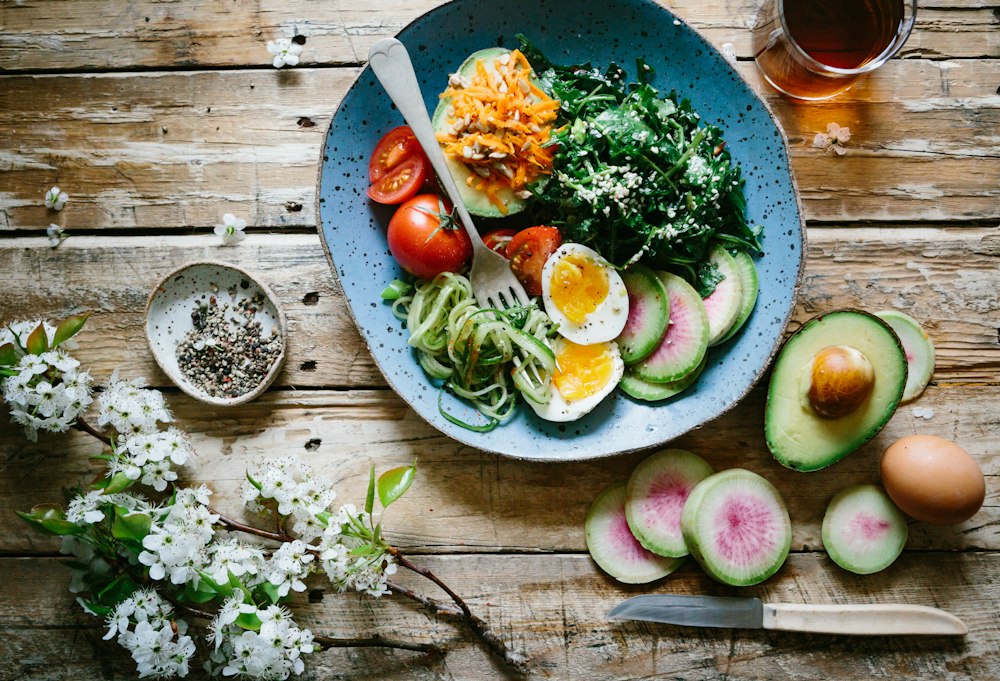
Alcohol-free coq au vin offers a lighter nutritional profile without sacrificing protein content.
Global Variations and Use Cases
The beauty of coq au vin without wine is its adaptability across cultures and dietary traditions. Around the world, home cooks have developed creative interpretations that honor the dish's French roots while embracing local ingredients and restrictions.
United States: The Family-Friendly Adaptation
American home cooks frequently turn to grape juice-based versions for family dinners. A Disney-inspired recipe shared by Dole uses 100% cranberry or pomegranate juice, pairing it with mashed potatoes for a kid-approved meal that still feels elegant.
Middle East and Southeast Asia: Halal-Friendly Cooking
In regions where alcohol is prohibited or avoided for religious reasons, cooks substitute the wine with pomegranate molasses, a staple ingredient in Persian and Middle Eastern cuisines. This substitution adds a distinctive sweet-tart complexity that complements the savory chicken beautifully.
Europe: The Whole30 and Paleo Movement
Health-focused European cooks have embraced alcohol-free coq au vin as part of the Whole30 and Paleo dietary movements. Using beef stock and red wine vinegar as the braising liquid, these versions eliminate grains, dairy, and alcohol while retaining the dish's signature depth.
Use Cases for Coq au Vin Without Wine
- Religious Observance: Halal, Kosher, and other faith-based dietary laws that prohibit alcohol.
- Family Dining: Meals suitable for children and pregnant women.
- Health and Wellness: Low-calorie, low-sugar diets and alcohol-free lifestyle choices.
- Recovery and Sobriety: Individuals in recovery who wish to enjoy gourmet cuisine without temptation.
- Allergy and Sensitivity: People with alcohol intolerance or sulfite sensitivities.
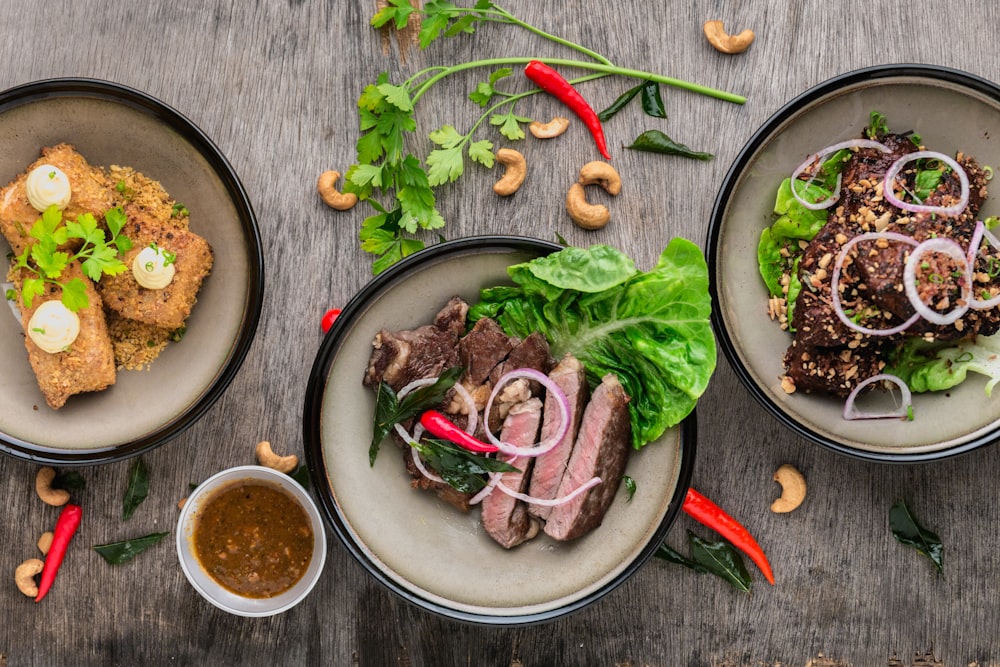
From pomegranate molasses in the Middle East to grape juice in America, coq au vin without wine adapts to every table.
Future Trends in Alcohol-Free Cooking
The global non-alcoholic beverage market is experiencing unprecedented growth. According to industry reports, the market for non-alcoholic wines and spirits is projected to exceed $30 billion by 2030, driven by health-conscious consumers and younger generations who drink less alcohol than their predecessors.
This shift aligns with broader wellness movements, including the "sober curious" lifestyle and the rise of mindful drinking. As more people embrace alcohol-free living, dishes like coq au vin without wine will transition from niche adaptations to mainstream staples.
In the context of Vision 2030 and similar national transformation programs worldwide, culinary innovation plays a vital role in promoting healthier communities. Alcohol-free cooking supports public health objectives while preserving cultural and gastronomic heritage. The future of French cuisine is inclusive, and the alcohol-free coq au vin stands at the forefront of this delicious revolution.
Frequently Asked Questions
Can I make coq au vin without wine and still call it coq au vin?
Yes. While the traditional name translates to "rooster in wine," the alcohol-free adaptation has become widely accepted in modern culinary circles. The dish retains its characteristic braising technique, flavor profile, and presentation. Many chefs now refer to it as "coq no vin" or simply "alcohol-free coq au vin."
What is the best substitute for red wine in coq au vin?
Unsweetened red grape juice is the most accessible and effective substitute. For a more complex flavor, combine cranberry juice with a teaspoon of red wine vinegar, or use pomegranate molasses for a deeper, tangier profile.
Does the alcohol really cook off in traditional coq au vin?
Research shows that alcohol does not completely evaporate during cooking. After 30 minutes of simmering, approximately 35% of the original alcohol remains. After 2.5 hours, about 5% may still be present. For this reason, individuals avoiding alcohol entirely should choose the alcohol-free version.
How long should I cook coq au vin without wine?
The dish requires approximately 1 hour and 40 minutes total, including 25 minutes of preparation and 1 hour and 15 minutes of cooking. The chicken should reach an internal temperature of 165°F (74°C) before serving.
Can I prepare coq au vin without wine in advance?
Yes. You can prepare the dish up to one day ahead. The flavors deepen overnight, making it an excellent choice for entertaining. Store it in an airtight container in the refrigerator for up to 3 days or freeze it for up to 2 months.
What can I use instead of brandy in coq au vin?
Substitute brandy with white grape juice, apple cider, or diluted peach, pear, or apricot syrups. Each of these options provides the fruitiness and caramelization that brandy contributes to the dish.
Is coq au vin without wine suitable for a Whole30 diet?
Yes, with modifications. Omit the flour and use compliant bacon or pancetta. Replace the butter with olive oil or ghee. Use beef stock and red wine vinegar as the braising liquid to create a Whole30-compliant version.
What side dishes pair best with coq au vin without wine?
Classic pairings include creamy garlic mashed potatoes, buttered egg noodles, roasted root vegetables, and crusty French bread. For a lighter option, serve with cauliflower mash or a simple green salad with a lemon vinaigrette.
Conclusion
Coq au vin without wine is more than a simple substitution—it is a celebration of inclusivity, health, and culinary creativity. By choosing the right ingredients, you can create a dish that rivals the original in depth, richness, and elegance. The techniques are straightforward: brown the chicken, build a flavorful base, and braise slowly until the meat is fork-tender.
Whether you are cooking for a family dinner, a religious observance, or a personal commitment to an alcohol-free lifestyle, this recipe empowers you to enjoy one of France's greatest culinary treasures. The global trend toward mindful drinking and wellness makes this the perfect moment to master this adaptation.
Ready to Master the Art of Alcohol-Free French Cooking?
Join thousands of home cooks worldwide who are redefining classic cuisine. Try this coq au vin without wine recipe tonight and discover a world of flavor without compromise.
Get the Complete Recipe GuideTags
Suggested Internal Links
- How to Make Rich Chicken Broth from Scratch
- Creamy Garlic Mashed Potatoes
- Classic French Fondant Potatoes
- Buttery Green Beans with Herbs
- Glazed Carrots Vichy
Suggested External Links
- UCHealth: Cooking Without Wine or Beer
- Healthy Food Guide: Wine Substitutes in Cooking
- GoDairyFree: Dairy-Free and Alcohol-Free Coq au Vin
Image Optimization Summary
| Image | Alt Text | Placement | Size |
|---|---|---|---|
| Hero Image | Traditional coq au vin without wine served in a rustic Dutch oven with fresh herbs and pearl onions | After history section | 1000px |
| Nutrition Chart | Nutritional comparison chart of coq au vin without wine versus traditional recipe | After nutrition table | 1000px |
| Global Variations | Global variations of coq au vin without wine including Middle Eastern pomegranate and American grape juice versions | After global variations | 1000px |