Fish Sauce, Oyster Sauce, and Halal Alternatives: A Complete Global Guide
Meta Description: Discover whether fish sauce and oyster sauce are halal, explore certified halal alternatives, and learn how to make informed choices for your kitchen. A comprehensive guide for global Muslim consumers and food businesses.
Navigating the world of Asian condiments can be tricky when you follow a halal diet. Two of the most common questions Muslims ask are: Is fish sauce halal? And is oyster sauce halal? The answers depend on several factors, including your school of thought, the specific product, and its certification. This guide cuts through the confusion. You will learn the Islamic rulings on both sauces, discover the best halal alternatives, and find practical tips for shopping with confidence. Whether you are a home cook, a food business owner, or simply curious about halal food choices, this article gives you clear, reliable answers.
Table of Contents
What Is Fish Sauce?
Fish sauce is a liquid condiment made from fermented fish, usually anchovies, mixed with salt. The mixture ferments for six months to two years, producing a deep, savory liquid rich in umami. This umami flavor comes from natural glutamates created during fermentation.
The sauce is a staple in Southeast Asian cooking. It appears in Thai, Vietnamese, Cambodian, Filipino, and Laotian dishes. You will find it in dipping sauces, marinades, soups, and stir-fries. The global fish sauce market was valued at approximately US$2.0 billion in 2025 and is projected to reach US$2.7 billion by 2032. This growth reflects the ingredient's rising popularity in fusion cuisine worldwide.

Image 1: Traditional fish sauce fermentation barrels. Alt text: "Traditional fish sauce fermentation barrels used in Southeast Asian cuisine production." Suggested size: 1000px wide.
How Fish Sauce Is Made
The traditional method involves layering fresh fish with sea salt in large wooden barrels or ceramic jars. The salt draws moisture from the fish, creating a brine. Natural enzymes and bacteria break down the fish proteins over time. This process releases amino acids, particularly glutamate, which creates the signature umami taste.
Premium fish sauces age for over a year. Some producers age their sauce in wooden barrels for added depth. The first press, called "first extraction," produces the highest quality sauce. Subsequent extractions yield lower-grade products.
Is Fish Sauce Halal?
The short answer is: fish sauce is generally considered halal by most Islamic scholars, but there are important conditions. Fish itself is halal in Islam. The Quran states that all creatures of the sea are lawful for consumption. However, the fermentation process and potential additives can create uncertainty.
"Fish sauce is derived from fish, which is generally halal. However, the fermentation process and potential additives can make its status doubtful (mushbooh) unless certified halal."
The key concern is alcohol. Fermentation can produce trace amounts of ethanol. Some Islamic authorities allow this if the alcohol is incidental and not intoxicating. Others require zero alcohol content. This is why halal certification matters so much for fish sauce.
Tip: Look for fish sauce brands with halal certification from recognized bodies like JAKIM (Malaysia), MUI (Indonesia), or IFANCA (USA). Certified products have been audited for ingredient sourcing, alcohol content, and cross-contamination risks.
Which Fish Sauces Are Halal Certified?
Several major brands produce halal-certified fish sauce. Squid Brand from Thailand carries halal certification and is widely available globally. Tiparos Fish Sauce, also from Thailand, holds halal certification and ranks as the top-selling Thai fish sauce in the United States. Vietnamese brands like Phu Nhi and Uncle Ba also offer halal-certified options.
Squid Brand even produces a vegan fish sauce made from kombu seaweed, shiitake extract, and salt. This product holds halal, vegan, and gluten-free certifications, making it an excellent choice for plant-based halal cooking.
What Is Oyster Sauce?
Oyster sauce is a thick, dark brown condiment made from boiled oysters, water, salt, and sugar. The mixture reduces until it caramelizes into a rich, savory sauce. Modern commercial versions often include starch for thickening and caramel color (E150d) for appearance.
This sauce originated in Chinese coastal cuisine and became popular through Cantonese cooking. It features heavily in stir-fries, braised dishes, marinades, and dipping sauces. The sauce adds a distinct savory-sweet depth that many cooks find indispensable.
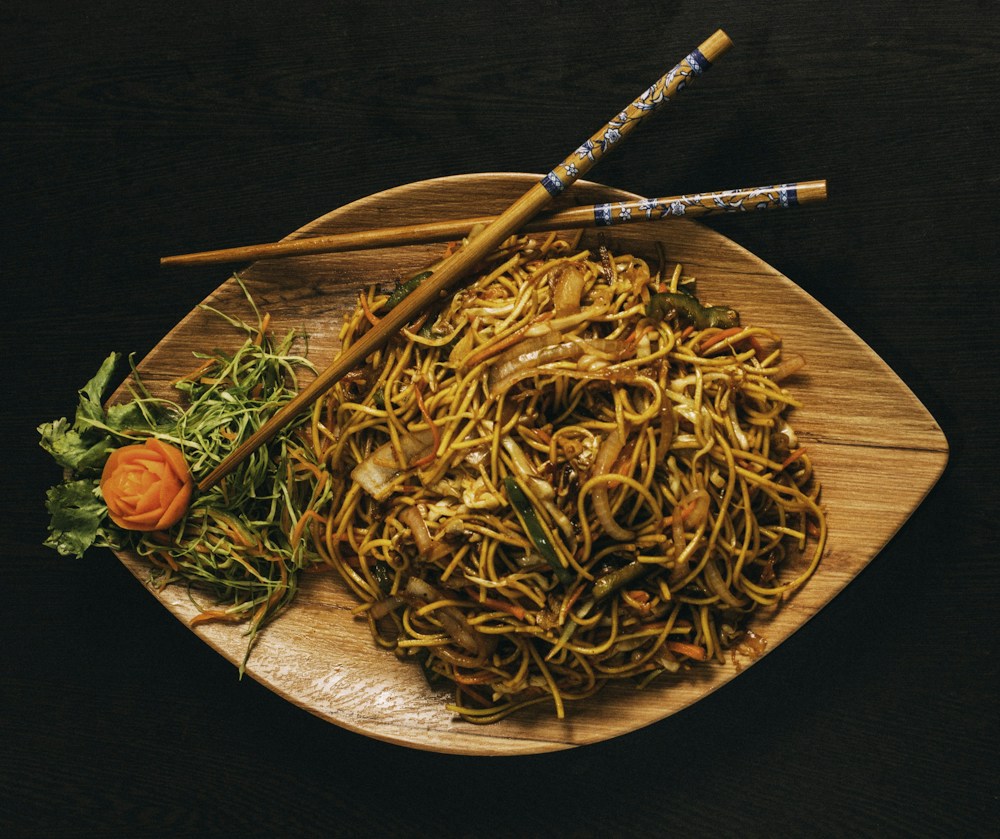
Image 2: Oyster sauce bottle with fresh oysters. Alt text: "Bottle of oyster sauce next to fresh oysters showing the main ingredient." Suggested size: 1000px wide.
Is Oyster Sauce Halal?
The answer to is oyster sauce halal depends on your school of jurisprudence (madhhab). This is where the topic becomes more complex. Oysters are bivalve molluscs, not fish. Islamic scholars differ on whether bivalves fall under the category of "fish" for dietary purposes.
The Hanafi Position
The Hanafi school holds that only true fish (samak) are permissible from the sea. Oysters are not fish, so they are impermissible. Several fatwas confirm this position. One Hanafi authority states clearly: "Oyster sauce is not permissible according to the Hanafi mazhab, as it contains extracts of oyster". Another fatwa explains that "oyster is not a fish (samak) hence it is Makrooh Tahreemi and impermissible to consume".
The Shafi'i, Maliki, and Hanbali Positions
The other three major Sunni schools take a broader view. They hold that all sea creatures are halal. According to this position, oysters are permissible, and oyster sauce is therefore halal by ingredient. This is why many halal-certified oyster sauces exist in Muslim-majority markets like Malaysia and Indonesia.
Note: If you follow the Hanafi school, avoid standard oyster sauce. If you follow another school, oyster sauce from a halal-certified brand is acceptable. Always check for a certification logo from a recognized halal authority.
Halal-Certified Oyster Sauce Brands
Lee Kum Kee, the world's leading oyster sauce brand, produces halal-certified variants for Muslim markets. The JAKIM-certified version carries Malaysia's halal logo and is available in halal supermarkets worldwide. Adabi Oyster Sauce from Malaysia holds JAKIM certification and offers a thick, aromatic seafood flavor. Sin Tai Hing Oyster Sauce Factory in Malaysia is also JAKIM-certified.
For those seeking a plant-based option, Lee Kum Kee Vegetarian Oyster Flavoured Sauce uses shiitake mushrooms to replicate the umami depth of traditional oyster sauce. It carries halal certification and is 100% vegetarian.
Halal Alternatives to Fish Sauce and Oyster Sauce
If you want to avoid uncertainty entirely, or if you follow the Hanafi school, excellent halal alternatives exist. These alternatives deliver the same umami punch without any questionable ingredients.
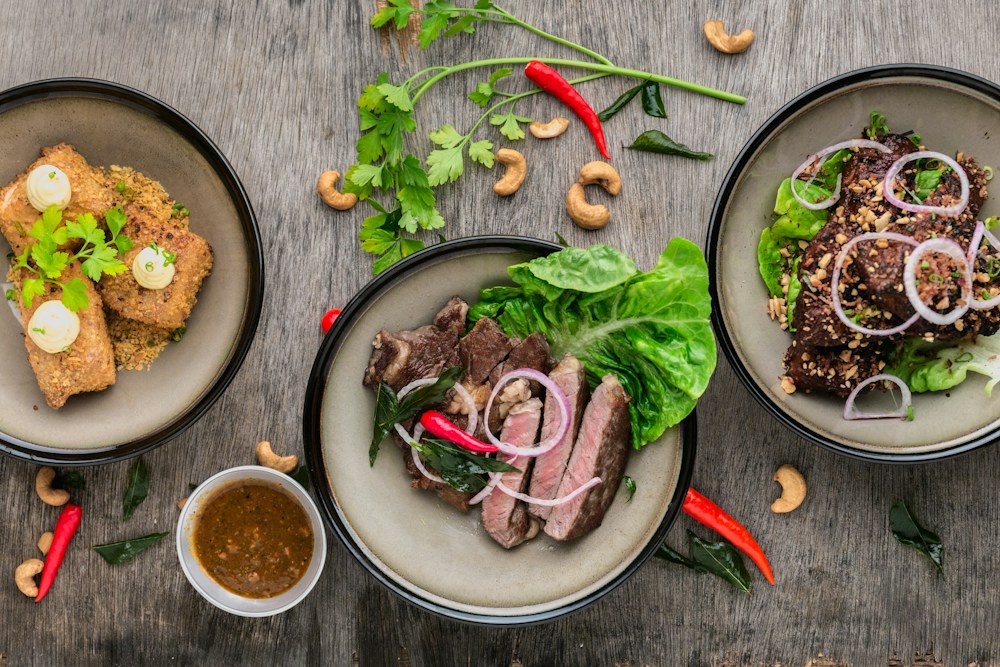
Image 3: Halal umami alternatives. Alt text: "Halal umami sauce alternatives including mushroom sauce and seaweed seasoning for Asian cooking." Suggested size: 1000px wide.
1. Mushroom Sauce
Mushroom sauce is the most popular halal oyster sauce alternative. It captures the earthy, savory depth of traditional oyster sauce using shiitake or button mushrooms. Brands like Dek Som Boon (Healthy Boy) offer mushroom vegetarian sauce that is vegan, halal, and kosher certified. Lee Kum Kee Vegetarian Oyster Flavoured Sauce is another excellent option for stir-fries, braises, and glazes.
2. Seaweed and Kombu-Based Sauces
Kombu seaweed is naturally rich in glutamates, the compounds responsible for umami. A halal fish sauce alternative can be made from dried shiitake mushrooms, kombu seaweed, and soy sauce. This combination delivers genuine umami depth without any animal-derived ingredients. Squid Brand Vegan Fish Sauce uses this exact approach, combining kombu, shiitake extract, and salt.
3. Coconut Aminos
Coconut aminos is a soy-free, gluten-free seasoning sauce made from coconut sap. It offers a mild sweetness and savory notes. While it lacks the intense umami of fish sauce, it works well in marinades and dressings. Always verify halal certification on the specific brand.
4. Soy Sauce and Miso
Fermented soy products like soy sauce and miso paste provide deep umami. They are not direct substitutes for fish sauce in every recipe, but they can replace oyster sauce in many stir-fries and braised dishes. Choose halal-certified soy sauce brands like Kikkoman (which offers halal variants) or Haday.
5. Nutritional Yeast
Nutritional yeast is a deactivated yeast that delivers a cheesy, savory flavor. It is naturally vegan and typically halal. You can add it to soups, sauces, and gravies to boost umami. It is not a liquid sauce, but it works well as a flavor enhancer in many dishes.
Comparison: Fish Sauce vs. Oyster Sauce vs. Halal Alternatives
| Sauce Type | Main Ingredient | Halal Status | Best Use |
|---|---|---|---|
| Traditional Fish Sauce | Fermented anchovies, salt | Generally halal; certification recommended | Thai, Vietnamese, Cambodian cuisine |
| Halal-Certified Fish Sauce | Fermented fish, salt (certified supply chain) | Halal | All Southeast Asian dishes |
| Vegan Fish Sauce | Kombu, shiitake, salt, soy | Halal (certified) | Plant-based halal cooking |
| Traditional Oyster Sauce | Boiled oysters, water, salt, sugar | Hanafi: impermissible; others: permissible | Chinese, Cantonese cooking |
| Halal-Certified Oyster Sauce | Oyster extract (certified supply chain) | Halal (non-Hanafi) | Stir-fries, marinades, glazes |
| Mushroom Sauce | Shiitake/button mushrooms, soy sauce | Halal (all schools) | Universal oyster sauce substitute |
Global Market and Future Trends
The halal food market is experiencing explosive growth. It grew from $1.97 trillion in 2025 to $2.24 trillion in 2026, representing a compound annual growth rate of 13.4%. The market is expected to reach $3.66 trillion by 2030. This growth creates massive opportunities for halal-certified condiment producers.
Within this broader market, the halal sauce segment was valued at 3,360 USD Million in 2024. It is projected to grow from 3,520 USD Million in 2025 to 5.5 USD Billion by 2035, at a CAGR of 4.5%. The Middle East and North Africa (MENA) region leads demand, followed closely by Southeast Asia and a growing market in Western countries.
Key Trends Shaping the Future
- Plant-based halal sauces: Consumers increasingly demand vegan products that are also halal-certified. Mushroom and seaweed-based sauces are meeting this demand.
- Clean-label ingredients: Shoppers want simple, recognizable ingredients without artificial additives or preservatives.
- E-commerce expansion: Halal sauce brands are reaching global audiences through online retail platforms.
- Certification transparency: Blockchain and QR-code verification are making it easier to trace halal supply chains.
- Fusion cuisine adoption: Non-Muslim consumers are discovering halal-certified Asian sauces as high-quality, ethical products.
Tip: If you run a halal restaurant or food business, consider stocking both traditional halal-certified fish sauce and vegan mushroom sauce. This covers all customer preferences and dietary requirements.
Frequently Asked Questions
1. Is fish sauce halal in Islam?
Yes, fish sauce is generally considered halal because it is made from fish, which is permissible in Islam. However, you should choose a halal-certified brand to ensure no alcohol or non-halal additives are present. Major certification bodies like JAKIM, MUI, and IFANCA certify fish sauce products.
2. Is oyster sauce haram?
It depends on your madhhab. In the Hanafi school, oyster sauce is impermissible because oysters are not classified as fish. In the Shafi'i, Maliki, and Hanbali schools, oysters are permissible seafood, so oyster sauce is halal if certified. Always check for a halal certification logo if you follow a school that permits oysters.
3. What is the best halal alternative to fish sauce?
Vegan fish sauce made from kombu seaweed and shiitake mushrooms is the closest match. Squid Brand Vegan Fish Sauce is a popular certified option. You can also make your own by simmering dried shiitake, kombu, and soy sauce together.
4. Can I use soy sauce instead of oyster sauce?
Yes, soy sauce works as a substitute in many recipes. However, soy sauce is thinner and saltier than oyster sauce. For a closer match, mix soy sauce with a little sugar and mushroom powder or cornstarch to achieve the right thickness and sweetness.
5. Which brands make halal-certified fish sauce?
Squid Brand, Tiparos, Phu Nhi, and Uncle Ba all produce halal-certified fish sauce. Look for the halal logo on the label or check the brand's certification details online.
6. Is Lee Kum Kee oyster sauce halal?
Lee Kum Kee produces both standard and halal-certified oyster sauce. The standard version sold in mainstream supermarkets may not carry certification. The JAKIM-certified variant, available in halal supermarkets, is fully halal. Always check the label for a certification logo.
7. How can I verify if a sauce is halal?
Look for a halal certification logo from a recognized authority on the packaging. Common certification bodies include JAKIM (Malaysia), MUI (Indonesia), IFANCA (USA), and the Halal Food Council of Europe. You can also scan QR codes on some products to verify certification online.
8. Are there halal-certified vegan fish sauces?
Yes. Squid Brand Vegan Fish Sauce is halal, vegan, and gluten-free certified. It uses kombu seaweed, shiitake extract, and salt to replicate the umami of traditional fish sauce without any animal products.
Conclusion
Understanding whether fish sauce and oyster sauce are halal requires attention to both Islamic jurisprudence and product certification. Fish sauce is broadly permissible, but halal certification removes any doubt about alcohol or additives. Oyster sauce depends on your madhhab: Hanafis should avoid it, while other schools can consume certified versions.
The good news is that the global halal sauce market is growing rapidly, bringing more certified products to shelves everywhere. Vegan fish sauce, mushroom sauce, and other plant-based umami alternatives now offer delicious, fully halal options for every kitchen.
Your next step is simple: check labels, look for certification logos, and explore the halal alternatives available in your region. With the right knowledge, you can enjoy rich, savory Asian flavors without compromising your faith.
Ready to Make Halal-Certified Choices?
Explore our collection of halal-certified sauces and seasonings. Find the perfect umami boost for your next meal.
Shop Halal Sauces NowExternal Resources
- JAKIM – Department of Islamic Development Malaysia (Official Halal Certification Body)
- IFANCA – Islamic Food and Nutrition Council of America
- MUI – Indonesian Ulema Council (Halal Certification Authority)
Internal Links
- The Complete Guide to Halal Certification: What Every Consumer Should Know
- 10 Halal Pantry Staples Every Muslim Kitchen Needs
- Understanding Umami: The Fifth Taste in Halal Cooking
- Halal Asian Cooking: A Beginner's Guide to Authentic Flavors
Tags
fish sauce halal, oyster sauce halal, halal alternatives, halal certification, halal cooking, halal sauce market, vegan fish sauce, mushroom sauce, halal Asian cuisine, JAKIM certification, halal food guide, halal condiments