Halal Beef Bourguignon: The Ultimate Guide to Authentic French Cuisine Without Compromise
Table of Contents
- 1. Introduction: The Intersection of French Elegance and Halal Integrity
- 2. What Makes a Beef Bourguignon Halal?
- 3. The Authentic Halal Beef Bourguignon Recipe
- 4. Nutritional Benefits and Flavor Profile
- 5. Global Use Cases: Where Halal Beef Bourguignon Shines
- 6. Traditional vs. Halal: A Side-by-Side Comparison
- 7. Future Trends: Halal Cuisine and Vision 2030
- 8. Frequently Asked Questions (FAQ)
- 9. Conclusion & Call-to-Action
Introduction: The Intersection of French Elegance and Halal Integrity
Imagine a dish so rich, so deeply savory, and so perfectly tender that it has been celebrated as the very soul of French gastronomy for centuries. Now, imagine enjoying that same legendary meal while fully honoring your Islamic dietary values. This is the reality of halal beef bourguignon — a culinary masterpiece that proves you never have to choose between religious observance and world-class flavor.
Traditional beef bourguignon, or bœuf bourguignon, originates from the Burgundy region of France. It is a slow-braised beef stew traditionally prepared with red wine, pearl onions, mushrooms, and bacon. For many years, the inclusion of wine and pork products made this iconic dish inaccessible to Muslim diners. However, with the global rise of halal French cuisine, chefs and home cooks have engineered brilliant adaptations that preserve the essence of the dish while adhering to Islamic law.
The global halal food market is expanding at an extraordinary pace, growing from $1.97 trillion in 2025 to a projected $2.24 trillion in 2026, representing a compound annual growth rate (CAGR) of 13.4%. This massive demand has fueled innovation in halal cooking, making adaptations like halal beef bourguignon not just possible, but increasingly mainstream. In this comprehensive guide, you will learn the history, the preparation methods, the nutritional science, and the cultural significance of this remarkable dish. Whether you are a seasoned home chef or a curious food enthusiast, you are about to discover how to create a halal beef bourguignon that will impress even the most discerning French culinary purist.
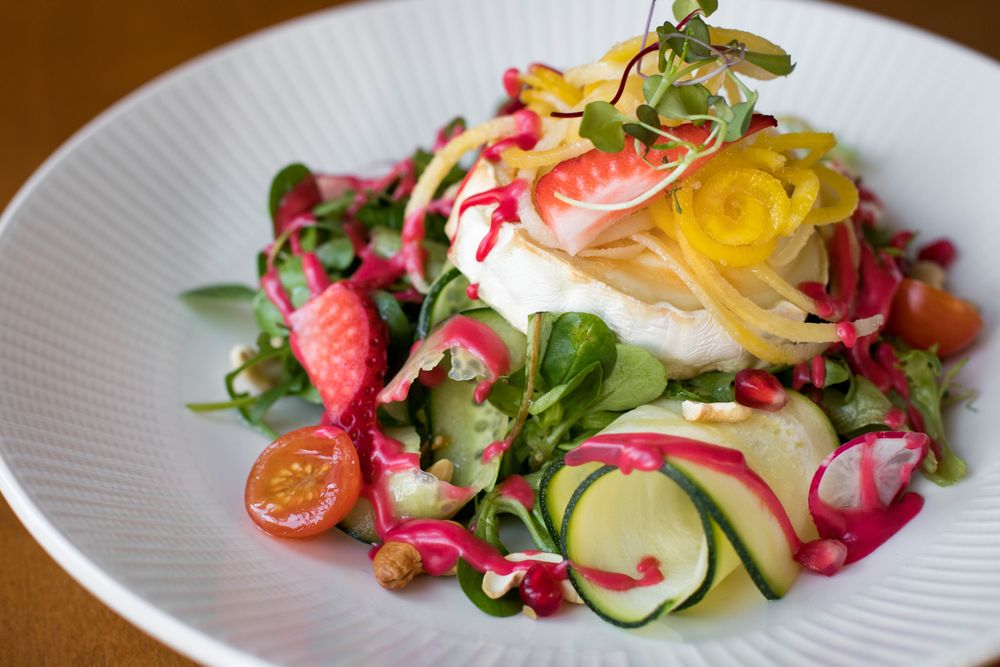
A perfectly braised halal beef bourguignon, rich with tender meat and aromatic vegetables
What Makes a Beef Bourguignon Halal?
Understanding what makes a dish halal requires a closer look at Islamic dietary law. Halal is an Arabic term meaning "permissible." When it comes to meat, the rules are precise and non-negotiable. For an animal to be considered halal, it must be of an acceptable species (beef, lamb, chicken, and goat are all permitted), and it must be slaughtered according to the method known as dhabiha (or zabiha).
Dhabiha slaughter requires that the animal is killed by a sane, adult Muslim who invokes Allah's name before the act. The slaughter must be performed with a single, swift cut across the throat that severs the esophagus, jugular veins, and windpipe, ensuring the animal experiences minimal pain. All blood must be completely drained from the carcass. Furthermore, the equipment, machinery, and utensils used in processing must be cleaned according to Islamic law to prevent cross-contamination.
"All dhabiha meat is halal, but not all halal meat is necessarily dhabiha. The distinction matters deeply to practicing Muslims who prioritize the integrity of their dietary choices." — Halal Foundation
Beyond the meat itself, halal beef bourguignon must exclude all impermissible (haram) ingredients. This means no pork, no bacon, no lard, and critically, no alcohol — including the red wine that defines traditional bourguignon. The challenge, therefore, is to replicate the deep, complex flavor that wine provides without using any intoxicating substances.
Tip: When purchasing meat for your halal beef bourguignon, always look for a certified halal symbol. If you are unsure whether a product is halal, ask your butcher or avoid purchasing it altogether. Cross-contamination can render an otherwise halal meal impermissible.
Fortunately, modern halal cooking has developed ingenious solutions for the wine problem. Non-alcoholic red wines, pomegranate juice reductions, and beef broth combined with balsamic vinegar are all popular substitutes that deliver the necessary acidity and depth. You will learn exactly how to use these substitutes later in this guide.
The Authentic Halal Beef Bourguignon Recipe
Creating a halal beef bourguignon that rivals the traditional version requires patience, quality ingredients, and a deep understanding of flavor layering. The recipe below serves four to six people and takes approximately three hours from start to finish. Most of that time is hands-off braising, allowing you to prepare sides or simply relax while your kitchen fills with an intoxicating aroma.
Ingredients You Will Need
- 1.2 kg (2.6 lbs) halal beef chuck, cut into 5 cm (2-inch) cubes
- 200 g halal beef bacon or smoked turkey bacon, diced (ensure it is pork-free)
- 2 tablespoons olive oil or halal-certified ghee
- 2 large carrots, peeled and cut into thick rounds
- 2 medium onions, finely chopped
- 4 cloves garlic, minced
- 2 tablespoons tomato paste
- 3 tablespoons all-purpose flour
- 750 ml (3 cups) halal-certified beef stock
- 250 ml (1 cup) non-alcoholic red wine OR 1 cup pomegranate juice mixed with 2 tablespoons balsamic vinegar
- 400 g pearl onions, peeled
- 300 g button mushrooms, quartered
- 2 bay leaves
- 4 sprigs fresh thyme
- Salt and freshly ground black pepper, to taste
- Fresh parsley, chopped, for garnish
Quality halal beef chuck is the foundation of an exceptional bourguignon
Step-by-Step Instructions
- Prepare the Beef: Pat the beef cubes dry with paper towels and season generously with salt and black pepper. Drying the meat is essential for achieving a proper sear. Heat the olive oil or ghee in a large Dutch oven over medium-high heat. Working in batches to avoid crowding, sear the beef on all sides until deeply browned. This may take 8 to 10 minutes per batch. Remove the beef and set it aside.
- Render the Bacon: In the same pot, add the diced halal beef bacon or turkey bacon. Cook until the fat renders and the pieces become crispy. Remove with a slotted spoon and set aside with the beef.
- Sauté the Aromatics: Add the chopped onions and carrots to the rendered fat. Cook for 5 to 7 minutes until softened and lightly caramelized. Add the minced garlic and cook for an additional minute until fragrant.
- Build the Base: Stir in the tomato paste and flour. Cook for 2 minutes, stirring constantly, to eliminate the raw flour taste. This step creates a roux that will thicken your sauce beautifully.
- Deglaze: Pour in the non-alcoholic red wine or your pomegranate-balsamic mixture. Use a wooden spoon to scrape up all the browned bits from the bottom of the pot. These fond particles are concentrated flavor.
- Braise: Return the beef and bacon to the pot. Add the beef stock, bay leaves, and thyme. Bring to a gentle simmer, then cover and transfer to a preheated oven at 160°C (325°F). Braise for 2.5 to 3 hours, or until the beef is fork-tender.
- Prepare the Garnishes: While the stew braises, sauté the pearl onions and mushrooms in a separate pan with a little oil or butter until golden brown. Set aside.
- Combine and Finish: Once the beef is tender, remove the pot from the oven. Stir in the sautéed pearl onions and mushrooms. Taste and adjust seasoning. If the sauce is too thin, simmer it uncovered on the stovetop for 10 to 15 minutes to reduce.
- Serve: Garnish with fresh chopped parsley. Serve with creamy mashed potatoes, buttered egg noodles, or crusty halal bread to soak up every drop of the rich sauce.
Tip: For the deepest flavor, make your halal beef bourguignon a day ahead. Refrigerate it overnight, then reheat gently. The flavors meld and intensify during the resting period, and any fat will solidify on the surface, making it easy to remove if desired.
Nutritional Benefits and Flavor Profile
Beef bourguignon is not merely a comfort food; it is a nutritional powerhouse. A single serving of this dish (approximately 387 grams) provides around 358 calories, with a macronutrient breakdown of 42% protein, 39% fat, and 20% carbohydrates. That serving delivers approximately 29 grams of high-quality protein, which is 52% of the daily value for an average adult.
The protein content makes this dish particularly valuable for muscle repair and satiety. You will feel full and satisfied for hours after eating. The fat content, while moderate, comes primarily from the beef and added oils, providing essential fatty acids and aiding in the absorption of fat-soluble vitamins.
| Nutrient | Amount Per Serving | % Daily Value |
|---|---|---|
| Calories | 358 kcal | — |
| Protein | 29 g | 52% |
| Total Fat | 12 g | 15% |
| Saturated Fat | 5 g | 23% |
| Carbohydrates | 14 g | 5% |
| Dietary Fiber | 3 g | 9% |
| Sodium | 288 mg | 13% |
| Cholesterol | 92 mg | 31% |
Nutritional data based on a standard serving of halal beef bourguignon prepared with lean beef chuck and non-alcoholic wine substitute.
The flavor profile of a well-made halal beef bourguignon is nothing short of extraordinary. You will experience a symphony of tastes: the deep umami of seared beef, the sweetness of caramelized onions and carrots, the earthy richness of mushrooms, and the subtle acidity from your chosen wine substitute. The long braising process breaks down the collagen in the beef chuck, transforming it into gelatin that gives the sauce a luxurious, velvety mouthfeel.
Global Use Cases: Where Halal Beef Bourguignon Shines
The versatility of halal beef bourguignon makes it a welcome addition to dining tables, restaurants, and events across the globe. Let us explore the most prominent use cases for this remarkable dish.
1. Fine Dining and Halal Restaurants
In major metropolitan areas such as London, Dubai, Kuala Lumpur, and New York, upscale halal restaurants are increasingly featuring French-inspired dishes. Halal beef bourguignon allows these establishments to offer a taste of European elegance without compromising their commitment to Islamic principles. According to market research, consumers are broadening their halal food choices beyond basic compliance, associating halal certification with ingredient transparency, ethical handling, and premium quality. Halal beef bourguignon perfectly embodies this premiumization trend.
2. Family Gatherings and Celebrations
Few dishes are as well-suited to feeding a crowd as beef bourguignon. It can be prepared in large quantities, actually improves when made ahead, and pairs beautifully with simple side dishes like mashed potatoes or rice. For Muslim families celebrating Eid, Ramadan iftar gatherings, or weekend dinners, halal beef bourguignon offers a show-stopping centerpiece that feels both special and comforting.
3. Halal Meal Prep and Convenience
The demand for halal convenience foods is surging. Urbanization and dual-income households are driving demand for convenient, shelf-stable halal meals. Halal beef bourguignon freezes exceptionally well. You can portion it into individual containers and freeze for up to three months. On busy weeknights, simply reheat and serve — a gourmet meal in minutes.
4. Cross-Cultural Dining Experiences
One of the most exciting trends in the global food market is the growing consumption of halal food by non-Muslims. Research indicates that halal food is gaining traction among younger, urban consumers who value transparency, hygiene, and ethical sourcing. Halal beef bourguignon serves as an ambassador for this trend, introducing diners to the richness of French cuisine through a halal lens.
Traditional vs. Halal: A Side-by-Side Comparison
Understanding the differences between traditional beef bourguignon and its halal counterpart is essential for appreciating the thought and care that goes into the adaptation. The table below outlines the key distinctions.
| Element | Traditional Beef Bourguignon | Halal Beef Bourguignon |
|---|---|---|
| Beef Source | Conventional beef, no religious slaughter requirements | Certified halal beef, slaughtered according to dhabiha rules |
| Bacon/Pork | Smoked pork lardons or bacon | Halal beef bacon or smoked turkey bacon |
| Liquid Base | Red Burgundy wine (alcoholic) | Non-alcoholic red wine, pomegranate juice, or beef stock with balsamic vinegar |
| Cooking Fat | Butter, pork fat, or olive oil | Halal-certified ghee, olive oil, or vegetable oil |
| Flavor Profile | Deep wine-forward notes with pork smokiness | Rich umami with fruit-forward acidity and subtle smokiness from halal bacon |
| Preparation Time | 3–4 hours | 3–4 hours (identical technique) |
| Certification | Not applicable | Halal certification bodies such as JAKIM, MUI, SMIIC, or AHF |
As you can see, the halal adaptation preserves the technique, texture, and soul of the dish while making thoughtful substitutions that honor Islamic law. The result is a meal that is every bit as impressive as the original.
Future Trends: Halal Cuisine and Vision 2030
The future of halal beef bourguignon is intertwined with broader global trends in food security, ethical consumption, and economic diversification. Perhaps no initiative better illustrates this than Saudi Arabia's Vision 2030.
Saudi Vision 2030 is a comprehensive national transformation program focused on local production, food security, and the growth of non-oil exports. Recent developments in the Kingdom's halal food sector are directly aligned with these objectives. For example, JBS, one of the world's largest meat processing companies, recently inaugurated a new facility in Jeddah aimed at boosting local production, enhancing food industry capabilities, and supporting the Kingdom's position as a regional hub for halal food production and export. A JBS spokesperson commented, "By investing in local production in Jeddah, we strengthen food security, expand halal capacity, and support Vision 2030 through resilient supply chains and the development of local talent".
This level of investment signals a bright future for halal cuisine on a global scale. As halal certification standards become more harmonized through organizations like the Standards and Metrology Institute for Islamic Countries (SMIIC) and the World Halal Council, consumers can expect even greater accessibility to premium halal products. Halal beef bourguignon will undoubtedly benefit from this infrastructure, becoming more widely available in restaurants, supermarkets, and meal delivery services worldwide.
The halal food market is projected to reach $3.66 trillion by 2030, driven by demand for premium halal cuisine
Beyond economics, the future of halal cuisine is also about innovation. Manufacturers are increasingly focusing on convenience-driven ready-to-eat and frozen meal solutions, such as heat-and-eat and frozen meal kits. Imagine a future where you can find a premium frozen halal beef bourguignon in your local supermarket — ready to heat and serve in minutes. That future is already arriving.
Frequently Asked Questions (FAQ)
Can I make beef bourguignon without red wine and still call it halal?
Yes, absolutely. The alcohol in wine is haram, so you must substitute it. The best substitutes include non-alcoholic red wine (available at many halal grocers), a mixture of pomegranate juice and balsamic vinegar, or simply additional beef stock with a splash of balsamic vinegar for acidity. The dish will still be called bourguignon because the technique and the spirit of the recipe remain intact.
What is the best cut of halal beef for bourguignon?
Chuck is the ideal cut for halal beef bourguignon. It is rich in connective tissue and collagen, which break down during long, slow braising to create an incredibly tender and flavorful result. Other excellent options include brisket, round, and short ribs. Always ensure your beef is certified halal.
How do I know if my beef is truly halal?
Look for a halal certification symbol on the packaging. A certified butcher must label foods as halal. If you are unsure, ask the butcher directly about the slaughter method and the certifying body. If you cannot confirm the meat is halal, it is safer to avoid purchasing it.
Can I freeze halal beef bourguignon?
Yes, halal beef bourguignon freezes beautifully. Allow the stew to cool completely, then transfer it to airtight containers or freezer bags. It will keep for up to three months. To reheat, thaw overnight in the refrigerator and warm gently on the stovetop or in the microwave.
Is bacon essential in beef bourguignon?
Bacon adds smokiness and richness, but it is not essential. In halal beef bourguignon, you can use halal beef bacon or smoked turkey bacon as a substitute. If these are unavailable, you can omit the bacon entirely and add a teaspoon of smoked paprika for a similar depth of flavor.
Can I make halal beef bourguignon in a slow cooker?
Yes, halal beef bourguignon adapts wonderfully to a slow cooker. After searing the beef and sautéing the aromatics on the stovetop, transfer everything to your slow cooker. Cook on low for 7 to 8 hours or on high for 4 to 5 hours. Add the sautéed mushrooms and pearl onions during the last 30 minutes of cooking to maintain their texture.
What side dishes pair best with halal beef bourguignon?
Classic pairings include creamy mashed potatoes, buttered egg noodles, or crusty halal bread. For a lighter option, serve it over cauliflower purée or with a simple green salad dressed in a mustard vinaigrette. Steamed green beans or roasted root vegetables also complement the rich flavors beautifully.
Conclusion: A Dish That Honors Both Tradition and Faith
Halal beef bourguignon is more than a recipe. It is a statement — a declaration that culinary excellence and religious devotion can coexist beautifully on the same plate. For too long, Muslim food lovers have had to watch from the sidelines as others enjoyed iconic dishes like bœuf bourguignon. Today, that is no longer the case.
With the global halal food market growing at a phenomenal rate and major investments pouring into halal food production infrastructure, the accessibility of premium halal adaptations like this one will only continue to increase. Whether you are preparing this dish for a family dinner, a festive gathering, or simply to treat yourself, you are participating in a centuries-old culinary tradition reimagined for a modern, inclusive world.
So gather your ingredients, preheat your oven, and get ready to create something truly extraordinary. Your halal beef bourguignon will be rich, tender, aromatic, and deeply satisfying — a meal that nourishes both body and spirit.
Ready to Master Halal French Cuisine?
Discover more authentic halal recipes, expert cooking tips, and global food trends on our blog.
Explore Halal Recipes →Tags
Halal Beef Bourguignon Halal French Cuisine Halal Recipes Dhabiha Beef Halal Cooking Beef Stew Recipe French Comfort Food Halal Food Market Non-Alcoholic Wine Substitute Halal Beef Recipe