Halal Char Siu: The Complete Guide to Enjoying Chinese BBQ Without Compromise
Meta Description: Discover how to make halal char siu at home with our easy recipes using chicken or beef. Learn about halal certification, marinade secrets, and the global halal food trend.
Table of Contents
- What Is Halal Char Siu?
- Why Halal Char Siu Matters Globally
- How to Make Halal Char Siu at Home
- Halal Char Siu Variations: Chicken vs Beef
- Expert Tips for Perfect Halal Char Siu
- Where to Find Halal Char Siu
- Global Halal Food Market and Trends
- The Future of Halal Char Siu
- Frequently Asked Questions
- Conclusion
Introduction: Halal Char Siu Opens New Culinary Doors
Imagine walking past a Cantonese roast meat shop, the window filled with glistening, caramelized strips of char siu hanging under warm lights. For millions of Muslims worldwide, that scene has long represented a culinary experience just out of reach. Traditional char siu is made from pork, which is strictly prohibited in halal dietary laws. But what if you could enjoy that same sweet, smoky, fork-roasted flavor without compromising your faith?
That's exactly what halal char siu delivers. This innovative adaptation of the beloved Cantonese classic uses halal-certified chicken or beef, paired with a carefully crafted marinade that eliminates alcohol and non-halal ingredients while preserving the signature sticky glaze and aromatic five-spice profile. The result is a dish that tastes remarkably close to the original, yet fully complies with Islamic dietary requirements.
In this comprehensive guide, you'll discover everything you need to know about halal char siu: its cultural significance, step-by-step recipes, expert cooking tips, and the booming global market for halal Chinese cuisine. Whether you're a home cook craving authentic flavors or a food enthusiast exploring inclusive dining, this article will show you how to enjoy halal char siu with confidence. The global halal food market was valued at USD 2,956.4 billion in 2025 and is projected to reach USD 6,329.3 billion by 2034, reflecting an 8.56% CAGR. Clearly, halal char siu is riding a powerful wave of culinary innovation.
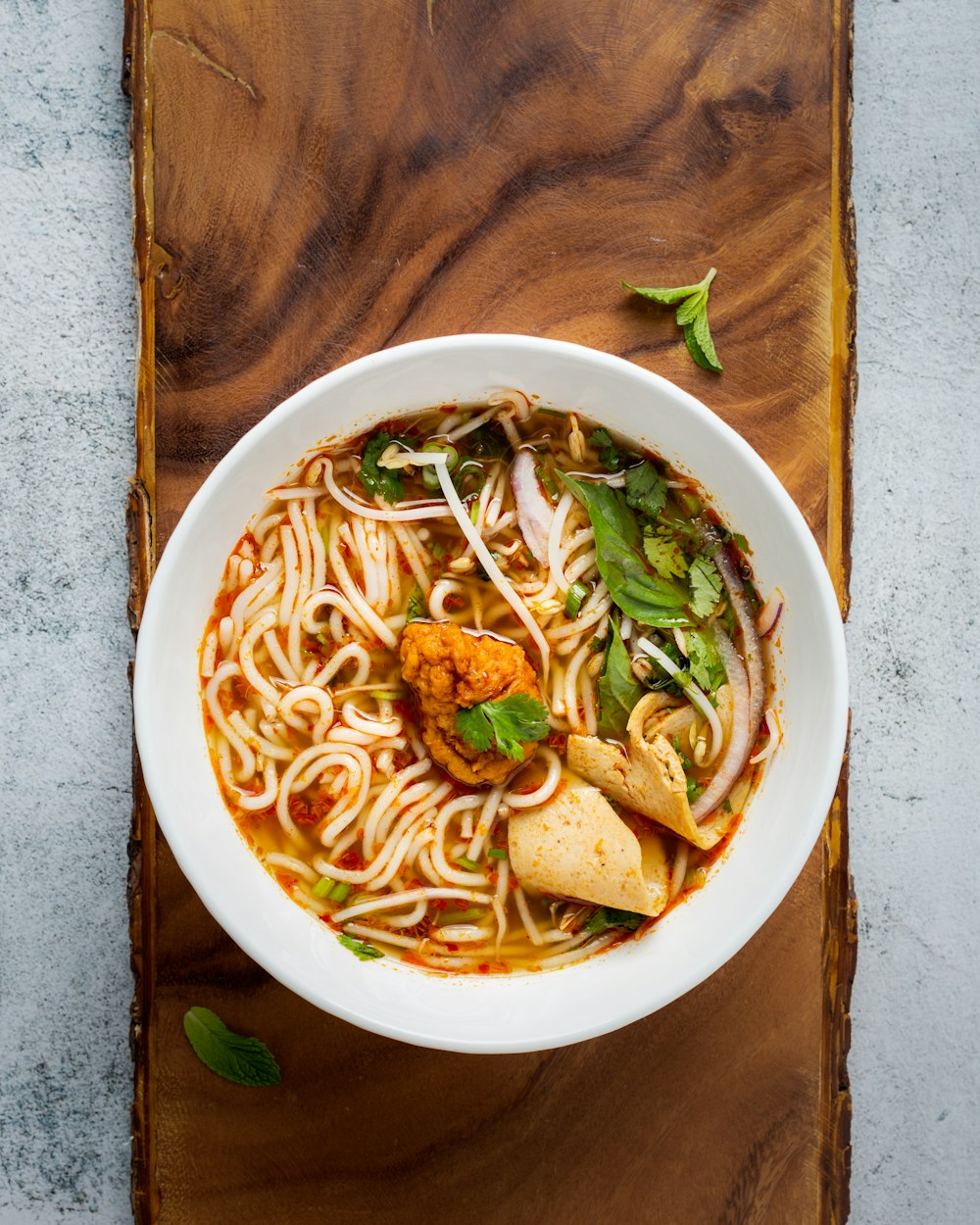
Halal char siu chicken glazed to perfection — sweet, smoky, and completely pork-free.
What Is Halal Char Siu? Understanding the Basics
Char siu (叉燒) literally means "fork roasted" in Cantonese, a reference to the traditional method of skewering seasoned pork with long forks and roasting it over an open fire. The dish originated in Guangdong, China, and has become a cornerstone of Cantonese cuisine, beloved across Hong Kong, Singapore, Malaysia, and beyond.
The classic version uses boneless pork shoulder marinated in a mixture of hoisin sauce, soy sauce, Chinese wine, and five-spice powder, then glazed with honey or maltose during roasting. The result is a sweet, savory, and aromatic meat with a distinctive red hue.
Halal char siu reimagines this beloved dish by replacing pork with halal-certified chicken or beef, and substituting alcohol-based ingredients like Shaoxing wine with halal-friendly alternatives such as rice vinegar or apple juice. The marinade still features the same aromatic spices, the glaze still caramelizes beautifully, and the meat still delivers that unforgettable sweet-savory punch.
💡 Key Insight: Halal char siu isn't just a substitution — it's a thoughtful culinary adaptation that respects both cultural tradition and religious dietary law.
The Core Ingredients of Halal Char Siu
A proper halal char siu marinade balances sweet, savory, and aromatic notes. Here are the essential components:
- Halal-certified hoisin sauce — provides the signature sweet-savory base (check for halal certification, as some brands may contain non-halal additives)
- Soy sauce — adds umami depth and saltiness
- Honey or brown sugar — creates the sticky, caramelized glaze
- Chinese five-spice powder — delivers the quintessential aromatic warmth
- Garlic and ginger — freshly minced for maximum flavor
- Rice vinegar or apple juice — replaces Shaoxing wine as a halal-friendly acid
- Sesame oil — adds nutty richness
- Red yeast powder or food coloring — optional, for the signature red appearance
Each ingredient must be verified as halal to maintain the dish's integrity. This means avoiding any alcohol content and ensuring all sauces are produced in halal-certified facilities.
Why Halal Char Siu Matters Globally
The significance of halal char siu extends far beyond a single recipe. It represents a broader movement toward culinary inclusivity — a recognition that food should bring people together, not divide them.
For decades, Muslims in regions with strong Cantonese food cultures — Hong Kong, Singapore, Malaysia, and parts of Southeast Asia — have been excluded from enjoying iconic dishes like char siu, siu mai, and roast duck. The pork-centric nature of Cantonese cuisine meant that entire culinary traditions remained off-limits.
That's changing rapidly. As Zahoor, a Pakistani resident of Hong Kong, told RTHK: "I've seen it in the local shops... but I've never actually tasted pork myself. If it is advertised as beef char siu, then we would actually have an appetite to go and have it".
"Char siu is part of our culture. We wanted to find a way to share that experience with our Muslim guests too."
— Don, General Manager at Chinesology, Hong Kong
The Three Pillars of Halal Food Compliance
Understanding halal requires looking beyond the absence of pork. The Arabic term "halal" means "permissible," and for food to qualify, it must meet specific criteria:
- Ethical slaughter: All meat must come from animals slaughtered according to Islamic law, with proper certification.
- Ingredient integrity: Every component — from sauces to spices — must be free from prohibited substances, including alcohol and non-halal additives.
- Cross-contamination prevention: Separate utensils, cooking surfaces, and storage areas must be maintained to prevent contact with non-halal items.
In Hong Kong, the Incorporated Trustees of the Islamic Community Fund oversees halal certification with a three-tiered system. The strictest tier requires everything from cooking to serving to be fully halal. The second tier allows alcohol to be served to guests but not used in the kitchen. The third tier permits mixed establishments with strict separation.
How to Make Halal Char Siu at Home: Step-by-Step Recipe
Making halal char siu at home is surprisingly straightforward. The key is a flavorful marinade and a cooking method that achieves that signature caramelized exterior. This recipe uses chicken thighs, but you can substitute beef (see the variations section below).
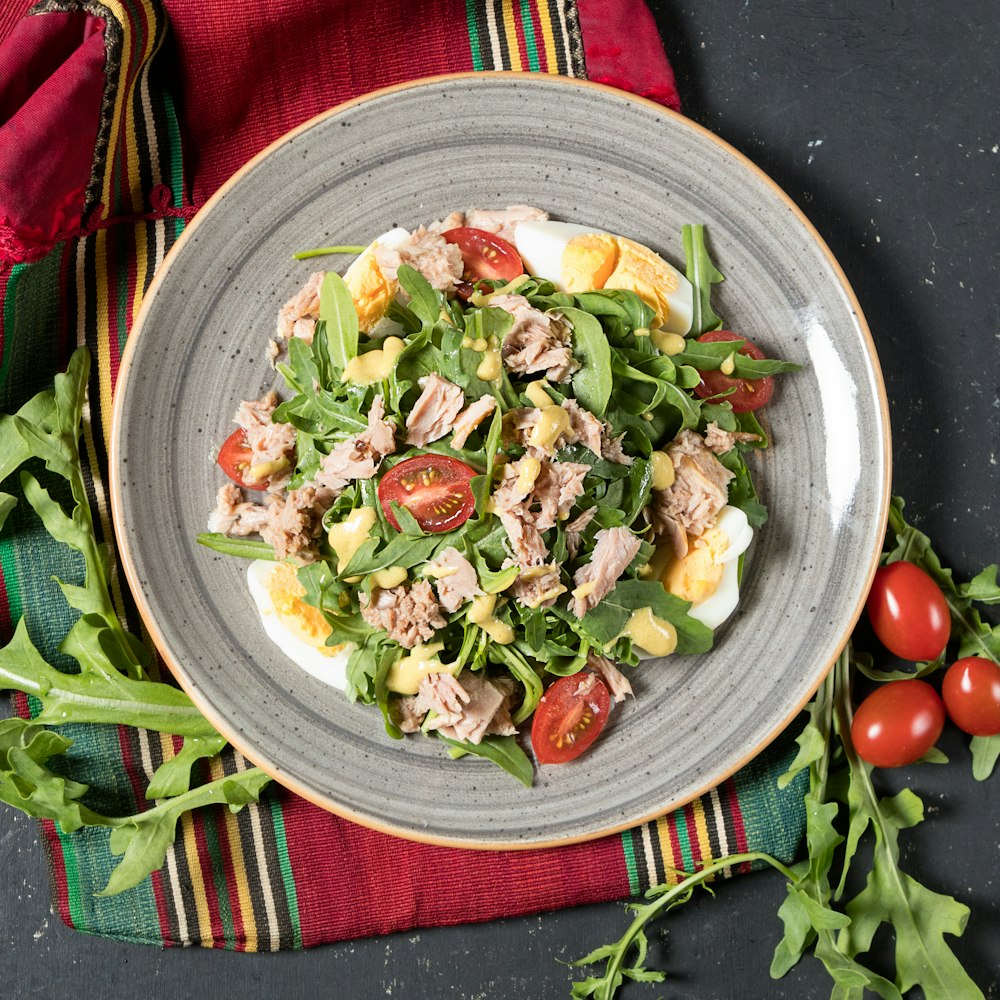
Marinating the chicken overnight allows the halal char siu flavors to penetrate deeply.
Ingredients (Serves 4-6)
| Ingredient | Quantity | Notes |
|---|---|---|
| Halal chicken thighs (boneless, skinless) | 1 kg (about 4 pieces) | Chicken thighs stay juicier than breast |
| Halal-certified hoisin sauce | 2 tbsp | Check the label for halal certification |
| Light soy sauce | 1½ tbsp | Use naturally brewed soy sauce |
| Honey | 2 tbsp | Amber-colored honey works best |
| Brown sugar | 2 tbsp | Adds depth to the glaze |
| Rice vinegar | 2 tsp | Replaces Shaoxing wine |
| Chinese five-spice powder | ½ tsp | The signature aromatic blend |
| Garlic cloves, minced | 4 cloves | Fresh, not powdered |
| Sesame oil (optional) | 2 tsp | Adds nutty richness |
| Red yeast powder or food coloring (optional) | 1½ tsp | For the signature red appearance |
Instructions
- Prepare the marinade: In a large bowl or zip-top bag, combine hoisin sauce, soy sauce, honey, brown sugar, rice vinegar, five-spice powder, minced garlic, sesame oil, and red yeast powder (if using). Stir until well blended.
- Marinate the chicken: Trim the chicken thighs and pat them dry. Add them to the marinade, tossing to coat evenly. Cover and refrigerate overnight, or for at least 4 hours. The longer, the better — up to 24 hours delivers maximum flavor.
- Preheat your cooking appliance: If using an air fryer, preheat to 200°C (390°F). For oven roasting, preheat to 200°C (400°F) and line a baking sheet with foil, placing a wire rack on top.
- Cook the chicken: Remove the chicken from the marinade, shaking off excess. Reserve the marinade for basting. Arrange the chicken in a single layer. Air-fry for 5 minutes, then brush with reserved marinade, flip, and glaze the other side. Repeat this basting and flipping process 3 more times, for a total cook time of about 20 minutes, or until the edges are crispy and slightly charred.
- Rest and slice: Let the halal char siu rest for 5-10 minutes before slicing. This allows the juices to redistribute, keeping the meat tender and moist.
- Serve: Slice thinly and serve over steamed rice, noodles, or use as a filling for halal char siu bao (steamed buns). Garnish with chopped scallions and sesame seeds.
✅ Pro Tip: For an even deeper flavor, score the chicken thighs lightly with a knife before marinating. This allows the halal char siu marinade to penetrate more effectively.
Halal Char Siu Variations: Chicken vs Beef
The beauty of halal char siu lies in its versatility. You can adapt the recipe to different proteins, each offering a unique texture and flavor experience.
Halal Char Siu Chicken
Chicken is the most popular protein for halal char siu, particularly in Malaysia and Singapore where halal chicken char siu is widely available. Boneless, skinless chicken thighs work best because their higher fat content keeps the meat juicy during roasting. The marinade clings beautifully to chicken, creating that signature sticky glaze.
For air fryer preparation, chicken thighs cook in about 20 minutes at 200°C, with basting every 5 minutes. Oven roasting takes slightly longer, around 25-30 minutes at 200°C, depending on thickness.
Halal Char Siu Beef
Beef offers a richer, more robust flavor that closely mimics the texture of traditional pork char siu. In Hong Kong, upscale restaurant Chinesology pioneered a halal beef char siu that has become a signature dish. The restaurant invested over HK$100,000 and six months of research to perfect the recipe, including sourcing halal-certified ingredients and redesigning kitchen zones.
When making beef char siu, choose cuts like beef shoulder, chuck, or flank steak. These have enough marbling to stay tender. Slice the beef against the grain for maximum tenderness.
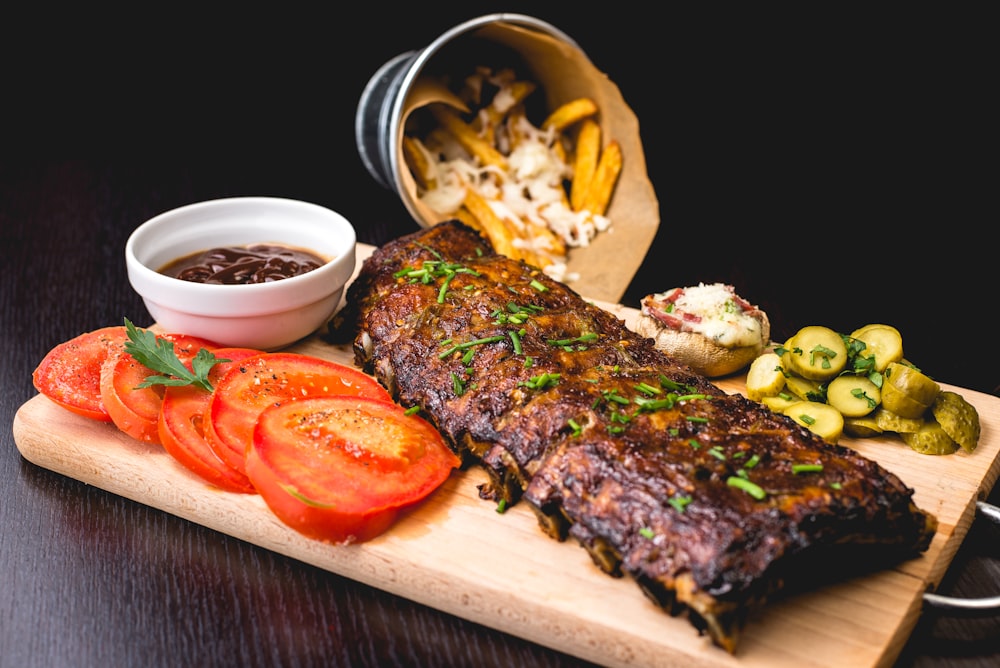
Halal beef char siu delivers a rich, meaty flavor with the same sweet-savory glaze.
Comparison Table: Chicken vs Beef Halal Char Siu
| Feature | Halal Chicken Char Siu | Halal Beef Char Siu |
|---|---|---|
| Texture | Tender, juicy, softer bite | Firmer, meatier, closer to traditional pork char siu |
| Cooking Time | 15-20 minutes (air fryer) | 25-35 minutes (oven) |
| Best Cut | Boneless, skinless thighs | Beef shoulder, chuck, or flank |
| Flavor Profile | Lighter, absorbs marinade readily | Richer, more robust, stands up to bold spices |
| Popular Regions | Malaysia, Singapore, Indonesia | Hong Kong, Middle East, UK |
| Calories (per serving) | ~360 kcal | ~420 kcal |
Expert Tips for Perfect Halal Char Siu Every Time
Mastering halal char siu requires attention to a few critical details. Here are the tips that separate good char siu from exceptional char siu.
1. Marinate Overnight for Maximum Flavor
The single most important step in making halal char siu is patience. Marinating overnight — ideally 24 hours — allows the sweet, savory, and aromatic notes to fully penetrate the meat. If you're short on time, a minimum of 4 hours will still yield good results, but overnight is transformative.
2. Choose the Right Cut of Meat
For chicken, boneless skinless thighs are superior to breast meat because their fat content keeps them moist during high-heat cooking. For beef, look for cuts with some marbling, such as beef shoulder or chuck. Avoid lean cuts, which can dry out.
3. Baste Frequently
Basting is what creates that glossy, caramelized exterior. Brush the reserved marinade onto the meat every 5 minutes during cooking. This builds layers of flavor and ensures even glazing.
4. Achieve the Perfect Char
The hallmark of great char siu is slightly charred edges. To achieve this, finish the meat under a broiler for 2-3 minutes, or increase the air fryer temperature to 220°C for the final 3 minutes. Watch carefully — the sugar in the marinade can burn quickly.
⚠️ Important Note: Always verify that your hoisin sauce, soy sauce, and oyster sauce are halal-certified. Some brands contain alcohol or non-halal additives. Lee Kum Kee's Malaysian range is halal-certified, but availability varies by region.
5. Let It Rest Before Slicing
Resist the temptation to slice immediately. Resting for 5-10 minutes allows the juices to redistribute throughout the meat, ensuring every slice is tender and moist.
Where to Find Halal Char Siu Around the World
The availability of halal char siu has expanded significantly in recent years. Here's what you can expect in different regions.
Southeast Asia
Malaysia and Singapore lead the way in halal Chinese cuisine. In Malaysia, halal chicken char siu is widely accessible, and many Chinese restaurants have obtained halal certification to serve Muslim customers. The nationwide lockdown during the COVID-19 pandemic actually accelerated home cooking of halal char siu, as families learned to recreate restaurant flavors in their own kitchens.
Hong Kong
Hong Kong has historically lagged in halal dining options, but that's changing fast. Until early 2024, there were only around 100 halal-certified restaurants in the city. Today, that number has grown to approximately 300, with a government target of 500 by the end of 2025. Pioneering restaurants like Chinesology in Central now serve halal beef char siu, while the Wan Chai Islamic Centre Canteen has been serving halal dim sum — including halal siu mai made with chicken and fish — for over two decades.
United Kingdom
In the UK, halal char siu chicken is available through delivery platforms like Uber Eats, where it's described as "tender barbecued chicken with a sweet sticky glaze". The dish has found particular popularity in London's diverse food scene.
Middle East
With the rise of halal tourism and Saudi Vision 2030's focus on economic diversification, the Middle East is rapidly becoming a hub for halal food innovation. Saudi Arabia is positioning itself as a global exporter of halal products, with government backing encouraging investment in halal food infrastructure.
Global Halal Food Market and Trends
The halal food market is experiencing explosive growth, and halal char siu sits at the intersection of several powerful trends.
Market Size and Growth
The global halal food market was valued at USD 2,956.4 billion in 2025 and is projected to reach USD 6,329.3 billion by 2034, growing at a CAGR of 8.56%. This growth is driven by several factors:
- Growing Muslim population: The global Muslim population continues to expand, increasing demand for halal-certified products.
- Rising disposable income: The Muslim middle class is growing, particularly in Southeast Asia and the Middle East.
- Halal tourism boom: The halal travel market is projected to surge from USD 256.5 billion in 2023 to USD 410.9 billion by 2032.
- Increasing awareness: Non-Muslim consumers are also gravitating toward halal products for their perceived quality, hygiene, and ethical standards.
The Halal Tourism Connection
Halal food and tourism are deeply interconnected. Muslim international tourist arrivals reached 176 million in 2024, a 25% increase from 2023, and are projected to reach 245 million by 2030. Destinations that offer halal-certified local cuisine — including halal char siu — gain a significant competitive advantage in attracting these travelers.
For many Muslim tourists, the ability to enjoy local dishes without compromising their faith is a powerful draw. A Malaysian diner at the Wan Chai Islamic Centre Canteen in Hong Kong noted: "Having halal-certified local dishes makes us feel included. I hope to see halal roast duck next".
The Future of Halal Char Siu: Trends and Vision 2030
The future of halal char siu looks exceptionally bright, driven by innovation, inclusivity, and strategic government initiatives.
Saudi Vision 2030 and Halal Food Leadership
Saudi Arabia's Vision 2030 framework explicitly identifies halal food production as a key economic diversification strategy. The Kingdom aims to become a global exporter of high-value halal products, leveraging its position as the birthplace of Islam to build trust and credibility in the global halal market, which is projected to reach $10 trillion by 2030.
This initiative opens new avenues for halal food exports from countries with strong halal production capabilities, including Pakistan, Malaysia, and the UAE. As the halal food ecosystem matures, we can expect to see more innovative products — including ready-to-eat halal char siu — entering global markets.
Culinary Innovation and Inclusivity
The growing demand for halal versions of beloved dishes is driving culinary innovation. Restaurants are investing in halal certification, developing new recipes, and training staff in halal compliance. This trend is particularly pronounced in cosmopolitan cities where diverse populations demand inclusive dining options.
We can also expect to see halal char siu featured more prominently in mainstream grocery stores and meal delivery services. The rise of cloud kitchens and halal-certified food manufacturing facilities makes it easier than ever for consumers to access halal Chinese BBQ at home.
Technology and Convenience
Air fryer recipes for halal char siu have made the dish more accessible to home cooks. The air fryer's ability to achieve crispy, charred edges without a traditional oven or grill has democratized char siu preparation. As smart kitchen appliances become more sophisticated, we can expect even more convenient ways to prepare halal char siu.
Frequently Asked Questions About Halal Char Siu
1. Is traditional char siu halal?
No, traditional char siu is made from pork, which is prohibited in halal dietary laws. Additionally, the marinade often contains Shaoxing wine, a rice wine that contains alcohol. For char siu to be halal, both the meat and all marinade ingredients must be halal-certified and alcohol-free.
2. What is the best meat substitute for halal char siu?
Chicken thighs are the most popular substitute because their fat content keeps the meat juicy during high-heat cooking. Beef is another excellent option, offering a texture that closely mimics traditional pork char siu. Lamb can also work for a unique flavor profile.
3. How do I make halal char siu marinade without wine?
Simply replace Shaoxing wine with rice vinegar (sometimes with a pinch of sugar added) or apple juice. These alternatives provide the acidity and depth that wine contributes, without the alcohol content.
4. Can I use an air fryer to make halal char siu?
Absolutely. Air fryers are excellent for making halal char siu. Cook at 200°C for about 20 minutes, basting and flipping every 5 minutes. The circulating hot air creates a beautifully caramelized exterior.
5. Where can I buy halal-certified hoisin sauce?
Halal-certified hoisin sauce is available in Asian grocery stores, specialty halal markets, and online retailers. Lee Kum Kee's Malaysian range is halal-certified. Always check the label for a halal certification mark.
6. Is halal char siu healthy?
Halal char siu can be part of a balanced diet. A serving of chicken char siu contains approximately 360 calories, 27g protein, and 14g sugar. To make it healthier, reduce the honey and brown sugar content, and serve with plenty of vegetables and brown rice.
7. What is the difference between halal char siu and regular char siu?
The main differences are the protein source (halal chicken or beef instead of pork) and the marinade ingredients (no alcohol, all sauces halal-certified). The flavor profile — sweet, savory, aromatic with five-spice — remains remarkably similar.
8. Can non-Muslims eat halal char siu?
Yes, of course. Halal char siu is enjoyed by people of all backgrounds. Many non-Muslim diners appreciate halal char siu for its perceived higher standards of hygiene, ethical sourcing, and quality control.
Conclusion: Halal Char Siu Brings Cultures Together
Halal char siu represents more than just a recipe adaptation — it's a celebration of culinary inclusivity. By reimagining a beloved Cantonese classic with halal-certified ingredients, this dish bridges cultural divides and allows everyone to enjoy the sweet, smoky, and aromatic flavors that have made char siu a global favorite.
Whether you're making halal char siu at home with chicken thighs and an air fryer, or seeking out halal-certified versions at restaurants and delivery services, you're participating in a movement that values tradition, faith, and flavor in equal measure.
The global halal food market is booming, halal tourism is surging, and culinary innovation is breaking down barriers. There has never been a better time to explore halal char siu — whether you're a lifelong fan of Cantonese cuisine or discovering these flavors for the first time.
Ready to Make Halal Char Siu at Home?
Gather your halal-certified ingredients, fire up your air fryer or oven, and experience the magic of sweet, smoky, fork-roasted flavor — without compromise.
Jump to the Recipe ↑Tags
#HalalCharSiu #HalalChineseFood #CharSiuRecipe #HalalBBQ #ChineseBBQ #HalalCuisine #HalalChickenCharSiu #HalalBeefCharSiu #HalalFood #CantoneseCuisine #HalalRecipes #AirFryerCharSiu #HalalCooking #HalalDiet #MuslimFoodie #HalalFoodBlog #ChineseFoodHalal #HalalMarinade #CharSiuAtHome #GlobalHalal