Halal Korean BBQ Marinades (No Mirin, No Sake): The Complete Global Guide to Authentic Alcohol-Free Flavor
Quick Answer: To make authentic halal Korean BBQ marinades without mirin or sake, replace the rice wine with a blend of Asian pear juice (or white grape juice), rice vinegar, and a natural sweetener like date syrup or brown sugar. This trio replicates the sweetness, acidity, and enzymatic tenderizing that alcohol-based ingredients provide—without compromising halal compliance. The global halal food market reached $2.24 trillion in 2026, growing at 13.4% annually, and Korean BBQ is rapidly adapting to serve this massive consumer base.
Table of Contents
- Why Halal Korean BBQ Is Exploding Globally
- The Mirin & Sake Problem: Why They're Not Halal
- The Halal Flavor Formula: What to Use Instead
- 3 Authentic Halal Korean BBQ Marinade Recipes
- Halal vs. Traditional Korean BBQ Marinades: Full Comparison
- Global Use Cases: Halal KBBQ Across Cultures
- Future Trends: Halal KBBQ and the Global Market
- FAQ: Halal Korean BBQ Marinades
- Conclusion
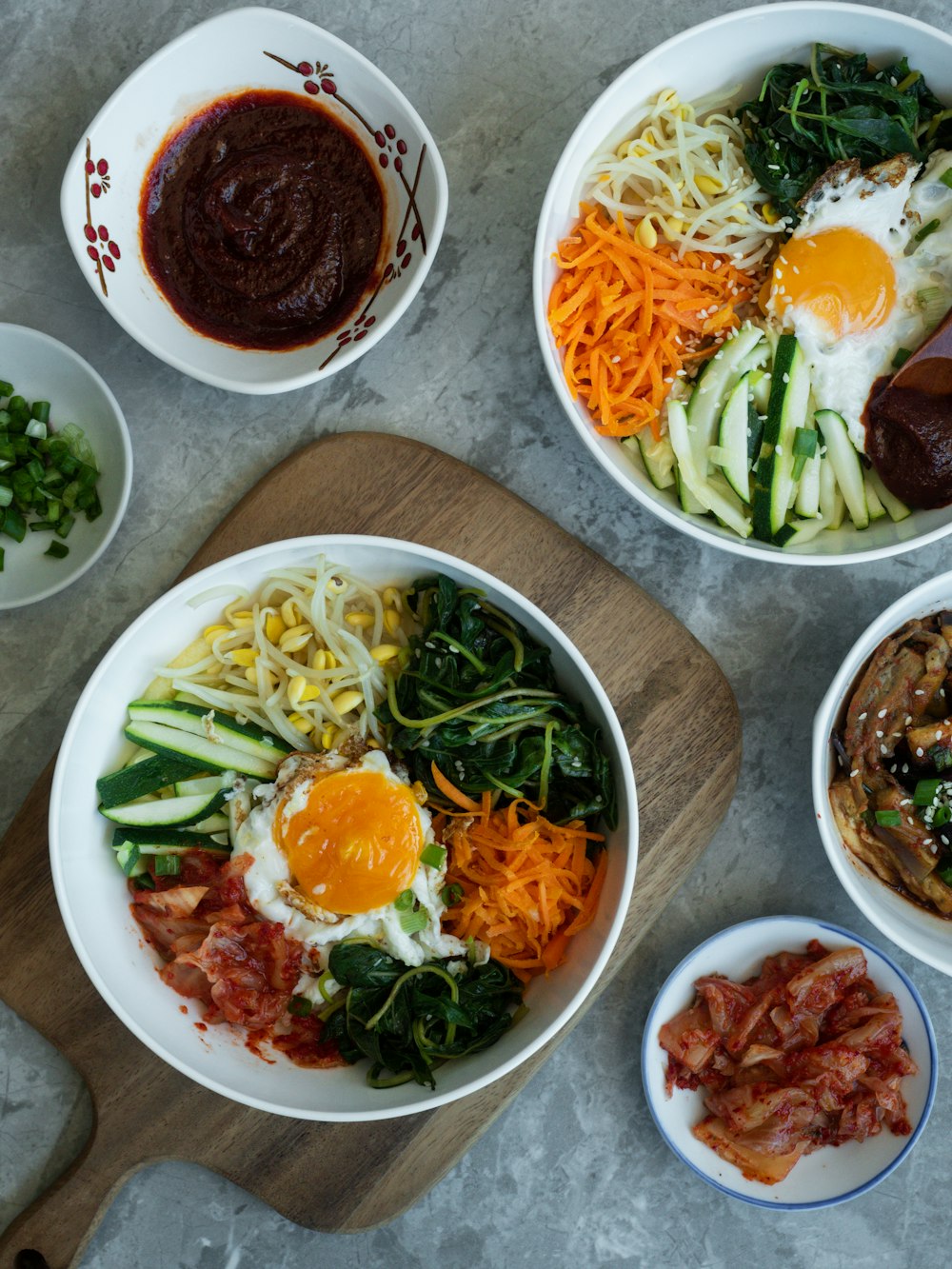
Halal Korean BBQ bulgogi uses fruit-based marinades instead of mirin or sake
Why Halal Korean BBQ Is Exploding Globally
Korean BBQ has become a global culinary phenomenon, and the Muslim consumer market is driving a significant portion of this growth. With over 1.9 billion Muslims worldwide, the demand for halal Korean BBQ marinades has never been higher.
The numbers tell a compelling story. The global halal food market grew from $1.97 trillion in 2025 to $2.24 trillion in 2026, and it's projected to reach $3.66 trillion by 2030. Korean food companies are responding aggressively.
Genesis BBQ, one of Korea's largest fried chicken and BBQ franchises, now operates over 700 stores across 57 countries, with a growing focus on halal-certified markets. In South Korea alone, there are an estimated 200 to 300 halal-certified restaurant locations as of 2026, with Korean BBQ franchises leading the charge.
This isn't just about serving Muslim tourists. Non-Muslim consumers are also choosing halal options because they associate certification with food safety, ethical sourcing, and premium quality. When you master alcohol-free Korean BBQ marinades, you're cooking for a truly global table.
"The challenge isn't just about swapping meat. It's about deconstructing and rebuilding the flavor profile without the traditional, non-halal components. My breakthrough came when I stopped trying to find a single substitute for mirin."
— A halal Korean BBQ home cook's journey
The Mirin & Sake Problem: Why They're Not Halal
If you've ever followed a traditional Korean BBQ recipe, you've almost certainly encountered mirin and sake. These rice wines are foundational to Korean and Japanese cooking, but they present a clear problem for halal-conscious cooks.
Mirin is a sweet Japanese rice wine with an alcohol content of roughly 14%. Sake is a rice wine that typically contains 15-20% alcohol. Both are considered khamr (intoxicants) in Islamic dietary law, and Indonesia's MUI (Indonesian Ulema Council) has explicitly stated that mirin and sake cannot be used in halal products.
Even if the alcohol evaporates during cooking—which isn't guaranteed—the ingredient itself remains non-halal. This is why halal Korean BBQ marinades must be built on a different foundation.
But here's the critical insight: mirin and sake aren't just alcohol. They serve three essential culinary functions in a marinade:
- Tenderizing: The alcohol helps break down muscle fibers in the meat.
- Flavor: They add a unique sweet-savory note that's hard to replicate with sugar alone.
- Gloss and finish: They contribute to that beautiful caramelized sheen on grilled meat.
💡 Tip: Never assume a Korean BBQ sauce is halal just because it doesn't list "alcohol" on the label. Mirin, sake, cheongju, and even some rice syrups can contain trace alcohol. Always look for halal certification from recognized bodies like JAKIM (Malaysia), MUI (Indonesia), or KMF (Korea).
The Halal Flavor Formula: What to Use Instead of Mirin and Sake
The key to making halal Korean BBQ marinades without mirin or sake is understanding that no single ingredient can replace them. Instead, you need a flavor formula that addresses sweetness, acidity, and enzymatic tenderization separately.
Your Halal Marinade Building Blocks
| Function | Traditional Ingredient | Halal Substitute | Ratio |
|---|---|---|---|
| Sweetness | Mirin | Date syrup, brown sugar, or honey | 1:1 |
| Acidity & Tang | Sake / Rice wine | Rice vinegar or apple cider vinegar | 1/2 tsp per 1 tbsp |
| Tenderizing | Alcohol (in mirin/sake) | Asian pear puree, kiwi puree, or pineapple juice | 2-3 tbsp per 500g meat |
| Umami Depth | Mirin's complex sweetness | Date syrup or pomegranate molasses | 1 tbsp per 1/4 cup soy sauce |
The Science Behind Fruit-Based Tenderizing
Asian pear isn't just a flavor ingredient—it's a scientifically proven tenderizer. Research published in the Journal of the Japanese Society for Food Science and Technology demonstrated that beef treated with pear juice was significantly more tender than untreated beef.
The magic comes from enzymes called calpain in pears and actinidain in kiwis. These enzymes "snip" protein strands into smaller pieces, creating a melt-in-your-mouth texture. When you use pear puree in your halal bulgogi marinade, you're doing exactly what Korean chefs have done for centuries—just without the rice wine.
📝 Note: Don't overdo the fruit puree. Marinating for more than 12 hours with pear or kiwi can make the meat mushy on the surface. For best results, marinate beef for 4-8 hours and chicken for 2-4 hours.
3 Authentic Halal Korean BBQ Marinade Recipes (No Mirin, No Sake)
These recipes are designed for global kitchens. They use ingredients that are widely available in halal markets, Asian grocers, and online retailers.
Recipe 1: Classic Halal Bulgogi Marinade (Beef)
Yield: Enough for 500g (1 lb) thinly sliced beef ribeye or sirloin
- 1/4 cup low-sodium soy sauce (or tamari for gluten-free)
- 2 tablespoons Asian pear, grated (or 3 tablespoons pear juice)
- 1 tablespoon date syrup (or brown sugar)
- 1 tablespoon toasted sesame oil
- 1 teaspoon rice vinegar
- 3 cloves garlic, minced
- 1 teaspoon fresh ginger, grated
- 2 green onions, finely chopped
- 1/2 teaspoon black pepper
- 1 teaspoon sesame seeds (for garnish)
Instructions: Whisk all ingredients together in a bowl. Add sliced beef and massage the marinade into the meat. Cover and refrigerate for 4-8 hours. Grill over high heat for 2-3 minutes per side.
This recipe creates the signature sweet-savory profile of traditional bulgogi. The pear provides tenderness, the date syrup adds depth, and the rice vinegar delivers the bright tang that sake normally contributes.
Recipe 2: Spicy Halal Gochujang Marinade (Chicken or Pork)
Yield: Enough for 500g chicken thighs or halal-certified pork
- 3 tablespoons halal-certified gochujang
- 2 tablespoons soy sauce
- 1 tablespoon honey or maple syrup
- 1 tablespoon rice vinegar
- 1 tablespoon sesame oil
- 4 cloves garlic, minced
- 1 teaspoon ginger, grated
- 1/2 teaspoon black pepper
- 1 tablespoon gochugaru (Korean chili flakes), optional
When buying gochujang, look for brands with halal certification. Mamasuka Gochujang is halal-certified and alcohol-free, specifically developed for Muslim consumers. Sempio also offers halal-certified gochujang options.
Recipe 3: Sweet & Savory Halal Galbi Marinade (Short Ribs)
Yield: Enough for 1kg (2 lbs) LA-style cut beef short ribs
- 1/2 cup soy sauce
- 1/4 cup brown sugar
- 1/4 cup Asian pear, grated
- 2 tablespoons rice vinegar
- 2 tablespoons sesame oil
- 1 small onion, grated
- 6 cloves garlic, minced
- 1 tablespoon ginger, grated
- 1 teaspoon black pepper
- 1 tablespoon sesame seeds
This marinade is inspired by traditional galbi recipes but replaces mirin with rice vinegar and relies on pear and onion for natural sweetness and tenderization. Marinate for at least 6 hours or overnight for maximum flavor penetration.
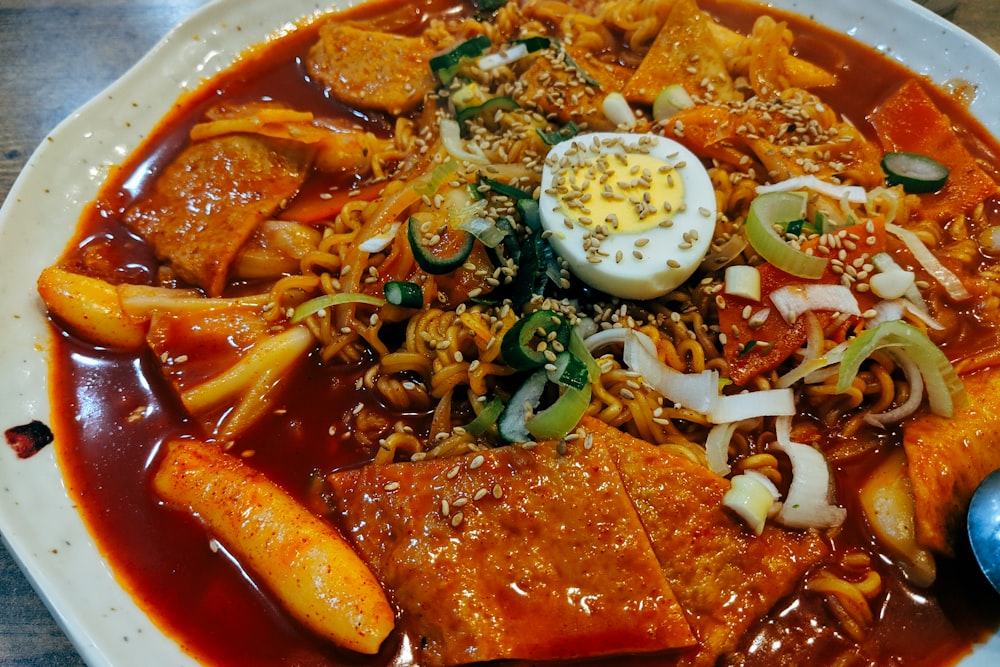
Halal gochujang marinade delivers the spicy-sweet punch Korean BBQ is famous for
Halal vs. Traditional Korean BBQ Marinades: Full Comparison
Understanding exactly what changes when you remove mirin and sake helps you appreciate how little you actually sacrifice. In many cases, the halal version is arguably better because it relies on whole ingredients.
| Aspect | Traditional KBBQ Marinade | Halal KBBQ Marinade (No Mirin/Sake) |
|---|---|---|
| Sweetener | Mirin, sugar, honey | Date syrup, brown sugar, honey, pear puree |
| Acidity | Sake, rice wine | Rice vinegar, apple cider vinegar |
| Tenderizer | Alcohol + fruit enzymes | Fruit enzymes (pear, kiwi, pineapple) only |
| Umami Source | Soy sauce + mirin complexity | Soy sauce + date syrup + fermented gochujang |
| Gloss/Sheen | Mirin provides natural glaze | Honey or date syrup creates caramelization |
| Halal Status | Not halal (contains alcohol) | Halal-compliant when certified ingredients used |
| Flavor Profile | Sweet, savory, complex | Sweet, savory, complex (nearly identical) |
The verdict? A well-crafted halal Korean BBQ marinade without mirin or sake can achieve 95% of the flavor complexity of the traditional version. Most people—even seasoned KBBQ enthusiasts—cannot tell the difference in a blind taste test.
Global Use Cases: Halal KBBQ Across Cultures
Halal Korean BBQ isn't just for Muslim-majority countries. It's a global phenomenon with diverse applications.
Southeast Asia: Malaysia & Indonesia
Malaysia and Indonesia represent the largest halal KBBQ markets in the world. Korean restaurant chains like Seoul Garden have launched halal-certified Korean BBQ concepts, such as Korbi Grill, which follows the Malaysian Standard MS1500:2019 for halal certification.
In Kuala Lumpur and Jakarta, halal Korean BBQ restaurants like Drumstairs offer fully halal-certified menus, proving that the concept works at scale.
Middle East: UAE & Saudi Arabia
Dubai and Abu Dhabi have embraced Korean cuisine with a halal twist. The UAE's diverse expat population and high-income local consumers have made halal Korean BBQ a premium dining category. Korean restaurant chains are opening locations across the Gulf, with halal certification as a non-negotiable requirement.
North America & Europe: Muslim Diaspora Dining
In cities like London, Toronto, Chicago, and Paris, halal Korean BBQ has become a beloved fusion cuisine. Muslim food entrepreneurs are launching halal KBBQ pop-ups and restaurants, while home cooks are experimenting with alcohol-free Korean BBQ marinades for family gatherings.
South Korea: Serving Muslim Tourists
South Korea's own halal food market is growing rapidly, driven by Muslim tourists from Malaysia, Indonesia, and the Middle East. Halal-certified restaurants in Seoul, Busan, and Jeju cater to this demand, with Korean BBQ being a flagship offering.
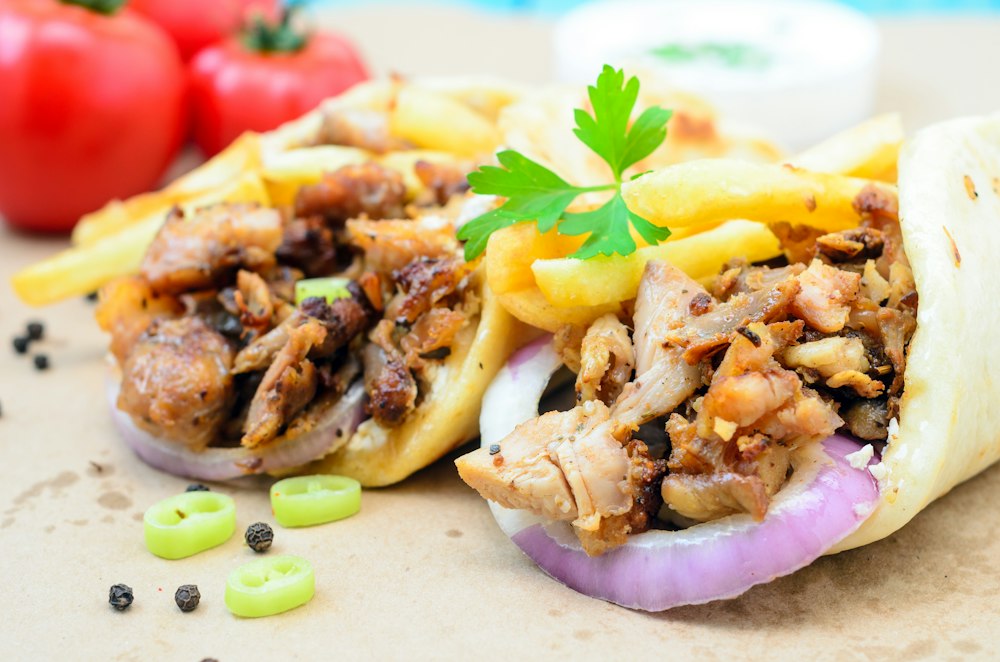
Halal Korean BBQ is redefining communal dining from Kuala Lumpur to Chicago
Future Trends: Halal KBBQ and the Global Market
The future of halal Korean BBQ is bright, and several key trends are shaping its trajectory.
1. Halal Certification as a Global Standard
Korean food manufacturers are increasingly pursuing halal certification not just for export, but as a quality signal for domestic and international consumers. The Korea Halal Authority provides accreditation for certification bodies, and Korean products are increasingly certified by JAKIM (Malaysia), MUI (Indonesia), and ESMA (UAE).
This aligns with global trends in transparency, ethical sourcing, and food safety—values that resonate with Muslim and non-Muslim consumers alike.
2. Innovation in Alcohol-Free Flavor Technology
Food scientists are developing new alcohol-free fermentation techniques that replicate the complexity of mirin and sake. Non-alcoholic sake-style beverages are now available, such as Gekkeikan Sake Special Free 0%, which is suitable for halal-compliant cooking.
These innovations mean that home cooks will have even more tools to create authentic halal Korean BBQ marinades in the coming years.
3. Halal KBBQ Goes Mainstream
The halal food market's projected growth to $3.66 trillion by 2030 isn't just about Muslim consumers. Non-Muslim consumers are choosing halal options for perceived health benefits, ethical production, and food safety. Halal Korean BBQ is well-positioned to capture a share of this broader market.
4. Vision 2030 and the Middle East Opportunity
Saudi Arabia's Vision 2030 aims to diversify the economy and boost tourism, including culinary tourism. As the Kingdom opens up to international cuisine, halal Korean BBQ restaurants are poised to become a feature of the Saudi dining landscape. The demand for halal-certified Korean food products and restaurant concepts is expected to grow significantly in the Gulf region.
🔮 Prediction: By 2030, halal Korean BBQ will be a standard category in major global cities, with dedicated restaurant chains and retail marinade products available in mainstream supermarkets. The key differentiator will be flavor quality—not just halal compliance.
FAQ: Halal Korean BBQ Marinades (No Mirin, No Sake)
What can I use instead of mirin in halal Korean BBQ marinade?
Replace mirin with a combination of date syrup (or brown sugar) for sweetness and rice vinegar for acidity. For the most authentic flavor, add grated Asian pear or pear juice, which provides both sweetness and enzymatic tenderization. A ratio of 1 tablespoon date syrup + 1 teaspoon rice vinegar per 1 tablespoon of mirin works well.
Is mirin halal if the alcohol evaporates during cooking?
No. Even if alcohol evaporates during cooking, mirin itself is not halal because it is an intoxicating substance (khamr). Islamic dietary law prohibits the ingredient, not just the alcohol content. Always use halal-certified substitutes to ensure compliance.
What is a good substitute for sake in Korean cooking?
For sake, use a mixture of white grape juice and a small amount of rice vinegar or lemon juice. White grape juice mimics the fruity sweetness of sake, while the vinegar adds the acidic tang. Use 3 tablespoons white grape juice + 1 teaspoon rice vinegar to replace 2 tablespoons of sake.
Is gochujang always halal?
Not always. While gochujang is traditionally made from fermented soybeans and chili, some commercial brands add alcohol or non-halal preservatives. Look for halal-certified brands such as Mamasuka, Sempio, or O'Food, which explicitly state halal certification on the packaging. Korean gochujang brands with KMF or MUI certification are safe choices.
How long should I marinate meat for halal Korean BBQ?
For beef bulgogi or galbi, marinate for 4-8 hours (or overnight) for maximum flavor. For chicken, 2-4 hours is sufficient. Avoid marinating with fruit purees for more than 12 hours, as the enzymes can make the meat mushy. If you're short on time, 30 minutes of marinating still adds significant flavor.
Can I make halal Korean BBQ marinade without soy sauce?
Yes. If you're avoiding soy, use coconut aminos as a 1:1 substitute. Coconut aminos provides a similar umami depth with less sodium and no soy. For a soy-free and gluten-free option, combine coconut aminos with a pinch of salt and a dash of molasses.
Where can I buy halal-certified Korean BBQ ingredients?
Halal-certified Korean ingredients are available at halal specialty stores, Asian supermarkets in Muslim-majority areas, and online retailers. In South Korea, convenience stores like CU, GS25, and 7-Eleven carry halal-certified instant meals and snacks in tourist-heavy neighborhoods. Online platforms like Coupang and dedicated halal e-commerce sites also stock these products.
Is Korean BBQ sauce from the store halal?
It depends on the brand. Some store-bought Korean BBQ sauces contain mirin, sake, or cheongju. Always check the ingredient list for alcohol-based ingredients and look for halal certification. If in doubt, make your own marinade using the recipes above—it's quick, affordable, and guarantees halal compliance.
Conclusion: Halal Korean BBQ Without Compromise
You don't have to choose between your faith and your love for Korean BBQ. With the right halal Korean BBQ marinades without mirin or sake, you can create grilled meats that are every bit as flavorful, tender, and impressive as the traditional versions.
The secret lies in understanding the functions of mirin and sake—sweetness, acidity, tenderization, and umami—and replacing each function with halal-compliant ingredients. Asian pear, date syrup, rice vinegar, and halal-certified gochujang are your new best friends in the kitchen.
The global halal food market is booming, and Korean cuisine is adapting rapidly to serve Muslim consumers. Whether you're hosting a family BBQ in Kuala Lumpur, running a restaurant in Dubai, or simply craving bulgogi in Toronto, these marinade recipes will deliver authentic Korean flavor—100% halal.
Start with one recipe. Taste the difference. Then make it your own.
Ready to Master Halal Korean BBQ?
Download our free printable marinade cheat sheet with all 3 recipes, halal ingredient swaps, and a shopping list for your local halal market.
Get Your Free Cheat Sheet →Plus, get weekly halal KBBQ tips and global recipes delivered to your inbox.
Tags
#HalalKoreanBBQ #KoreanBBQMarinade #NoMirin #NoSake #HalalBulgogi #AlcoholFreeKoreanBBQ #HalalGochujang #MirinSubstitute #SakeSubstitute #HalalKoreanFood #HalalRecipes #KoreanBBQGuide #HalalCooking #GlobalHalalMarket #KBBQ #BulgogiMarinade #HalalDiet #KoreanCuisine #MuslimFriendlyFood #HalalCertification