Halal Tonkotsu-Style Ramen: The Complete Guide to Japan's Creamy Pork-Free Noodle Revolution
Imagine slurping a bowl of rich, creamy, umami-packed ramen — the kind that coats every strand of noodle with silky broth and warms you from the inside out. That's tonkotsu ramen, Japan's legendary pork bone noodle soup from Fukuoka. Now imagine enjoying that exact same experience without compromising your faith. Welcome to the world of halal tonkotsu-style ramen — a culinary innovation that's transforming how millions of Muslim food lovers experience Japanese cuisine across the globe.
The global halal food market was valued at approximately $650 billion, representing nearly 20% of the entire world food industry. With over 1.9 billion Muslims worldwide, the demand for halal-certified Japanese food — including halal ramen — has never been higher. In this comprehensive guide, you'll discover everything you need to know about halal tonkotsu-style ramen: its origins, how it's made, where to find it, and why it represents one of the most exciting developments in global culinary fusion.
📋 Table of Contents
- What Is Tonkotsu Ramen?
- Why Halal Tonkotsu-Style Ramen Matters
- How Halal Tonkotsu-Style Ramen Is Made
- Halal Certification Standards in Japan
- Global Market and Vision 2030
- Key Benefits of Halal Tonkotsu-Style Ramen
- Traditional vs. Halal Tonkotsu-Style: Comparison
- Future Trends in Halal Ramen
- Frequently Asked Questions
- Conclusion & Call to Action
What Is Tonkotsu Ramen? A Journey Through Japan's Creamiest Noodle Soup
Tonkotsu ramen is a Japanese noodle dish famous for its thick, milky, pork bone broth and ultra-thin noodles. The name "tonkotsu" literally means "pork bone" in Japanese, and it refers specifically to the broth made by boiling pork bones — typically femur, trotters, and neck bones — for many hours until the collagen and marrow dissolve into a creamy, white liquid.
The dish was born in 1937 in Kurume City, Fukuoka Prefecture, on Japan's southern island of Kyushu. According to local legend, the distinctive milky broth was discovered by accident when a food stall owner accidentally over-boiled his soup, transforming what was supposed to be a clear broth into a thick, creamy concoction.
The owner tasted it, realized it was delicious, and decided to sell it. Word spread quickly, and soon other stalls began creating their own versions of this rich tonkotsu broth. The rest, as they say, is culinary history.
"Tonkotsu ramen is not just food — it is a testament to how beautiful things can emerge from happy accidents. A bowl of over-boiled soup became one of Japan's most beloved culinary treasures."
The Signature Characteristics of Tonkotsu Ramen
What makes tonkotsu ramen so distinctive? Several key features set it apart from other ramen varieties:
- Creamy, opaque broth: The signature white, milky soup results from hours of vigorous boiling that emulsifies fat and collagen from pork bones into the liquid.
- Ultra-thin noodles: Unlike the thicker noodles used in Tokyo-style ramen, tonkotsu ramen features very thin, straight noodles that cook quickly and pair perfectly with the rich broth.
- Kaedama culture: Many tonkotsu ramen shops offer "kaedama" — a second serving of noodles for customers who still have soup left, a tradition that started in Fukuoka's Nagahama district.
- Customizable firmness: You can order your noodles from soft to very firm. In Fukuoka, locals almost always choose firm noodles — the firmer, the better.
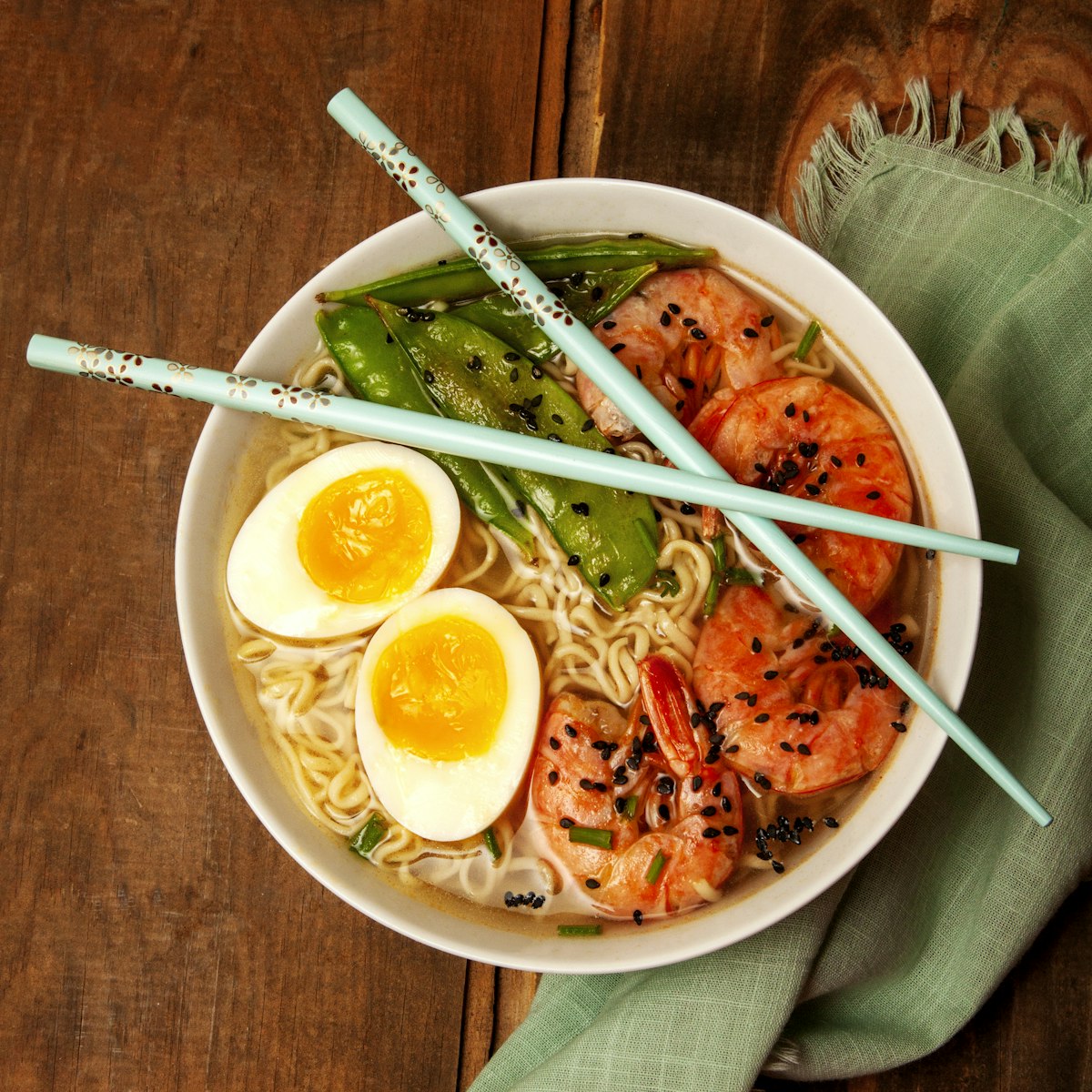
A steaming bowl of halal tonkotsu-style ramen made with beef bone broth — rich, creamy, and completely pork-free.
Why Halal Tonkotsu-Style Ramen Matters: A Global Culinary Shift
For millions of Muslim travelers and food enthusiasts around the world, traditional tonkotsu ramen has always been off-limits. The broth is made from pork bones, and pork is explicitly haram (forbidden) in Islam. This meant that one of Japan's most iconic dishes remained inaccessible to a significant portion of the global population.
But that's changing rapidly. Halal tonkotsu-style ramen uses alternative ingredients — most commonly beef bones, chicken bones, or a combination of both — to recreate the same creamy, rich, umami-packed broth without any pork content. The result is a bowl of ramen that delivers the authentic tonkotsu experience while fully complying with Islamic dietary law.
💡 TIP: When searching for halal ramen in Japan, look for restaurants that display halal certification from recognized bodies like the Japan Halal Association (JHA) or the Nippon Asia Halal Association (NAHA). Many establishments in Tokyo, Osaka, and Fukuoka now cater specifically to Muslim diners.
The demand is enormous. The global Muslim population continues to grow, and the halal food market is projected to reach $1.6 trillion, accounting for over 17% of the entire global food market. For Japanese ramen businesses, this represents not just a moral imperative but a massive economic opportunity.
How Halal Tonkotsu-Style Ramen Is Made: Ingredients and Process
Creating a halal version of tonkotsu ramen that captures the same depth and creaminess requires careful ingredient selection and precise technique. Here's how master chefs approach it.
The Key Ingredients
The foundation of halal tonkotsu-style ramen lies in the broth. Instead of pork bones, chefs use:
- Beef leg bones (tibia) and marrow bones: These provide the collagen and marrow that create the signature creamy texture and deep, savory flavor.
- Chicken bones and feet: Rich in natural gelatin, chicken bones add body and silkiness to the broth.
- Aromatics: Onion, garlic, ginger, and green onions are essential for building layers of flavor.
- Dashi and kombu: Japanese seaweed and stock powder add authentic umami without any animal-derived haram ingredients.
- Halal-certified noodles: Ramen noodles must be free from alcohol and any non-halal additives.
The Broth-Making Process
The process of making halal tonkotsu-style broth is a labor of patience and precision. Here's a simplified overview:
- Initial blanching: Beef and chicken bones are boiled in water for 5–10 minutes, then drained and rinsed to remove impurities and blood.
- High-heat boiling: Fresh water is added, and the bones are boiled vigorously for about 1 hour. This aggressive boiling is what emulsifies the fat and collagen.
- Low and slow simmer: The heat is reduced, and the broth simmers gently for 6–8 hours (or longer for deeper flavor). The liquid gradually transforms from clear to opaque white.
- Seasoning with tare: A "tare" (seasoning base) made from halal soy sauce, mirin alternatives, and miso is added to the bowl before the broth is poured in.
- Assembly: Thin ramen noodles are cooked to the desired firmness, placed in the bowl, and topped with halal chashu (braised beef or chicken), soft-boiled eggs, green onions, nori, and bamboo shoots.
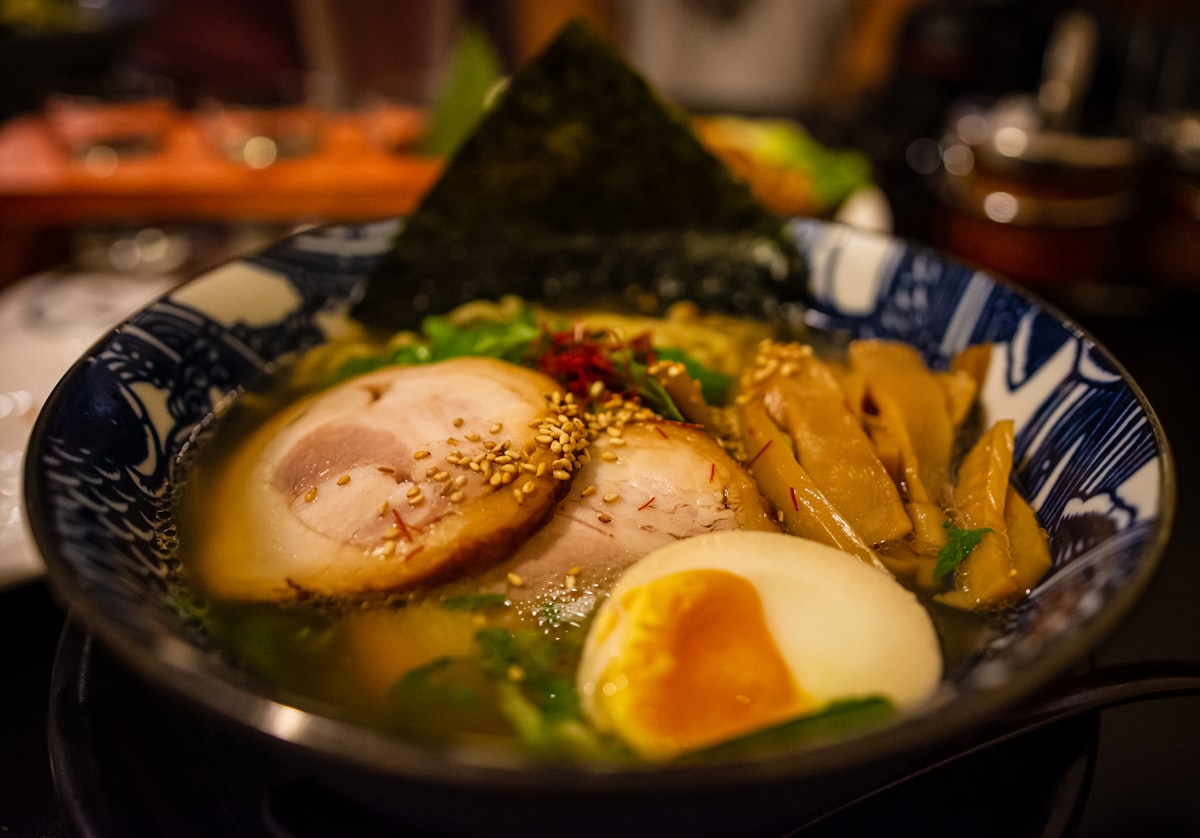
Master chefs simmer halal-certified beef bones for hours to achieve the signature creamy tonkotsu-style broth.
⚠️ IMPORTANT NOTE: Even if a broth is made from halal ingredients, the entire production process must comply with halal standards. This includes ensuring no cross-contamination with pork products, using separate cooking utensils, and verifying that all seasoning ingredients (soy sauce, vinegar, etc.) are alcohol-free or within permissible limits.
Halal Certification Standards in Japan: What You Need to Know
Japan has developed a robust halal certification infrastructure to support its growing halal food industry. Several organizations are authorized to issue halal certifications, each with their own standards and recognition by different countries.
| Certification Body | Year Established | Recognized By | Key Focus |
|---|---|---|---|
| Japan Muslim Association (JMA) | 1952 | Malaysia (JAKIM), Indonesia (LPPOM-MUI) | General halal food products |
| Japan Halal Association (JHA) | 2010s | GCC countries, Indonesia (BPJPH) | Food, cosmetics, restaurants |
| Nippon Asia Halal Association (NAHA) | 2010s | Malaysia, Indonesia | Food products, exports |
| Muslim Professional Japan Association (MPJA) | 2010s | Multiple GCC countries | Comprehensive halal certification |
Each certification body conducts rigorous audits that include initial inspection, surveillance audits, and recertification on a 3-year cycle. The certification process requires food safety management systems based on HACCP and ISO standards, with additional halal-specific criteria.
For halal tonkotsu-style ramen specifically, the key certification considerations include:
- Verification that no pork or pork-derived ingredients are used anywhere in the production process
- Confirmation that all alcohol content in soy sauce, vinegar, and other seasonings falls within permissible limits
- Ensuring separate production lines or thorough cleaning protocols prevent cross-contamination
- Documenting the entire supply chain from raw ingredient sourcing to final packaging
Global Market and Vision 2030: The Halal Ramen Opportunity
The halal food market is experiencing unprecedented growth, and halal ramen is positioned perfectly to capture a significant share of this expanding pie.
Key Market Statistics
- The global halal food market was valued at approximately $650 billion, representing nearly 20% of the world food industry.
- Some analysts project the global halal market to reach $2.86 trillion with a compound annual growth rate (CAGR) exceeding 10.5%, potentially reaching $9.67 trillion by 2037.
- The global instant noodle market alone consumes approximately 123 billion servings annually, with China leading at 43.8 billion servings, followed by Indonesia and India.
- Saudi Arabia's halal food and beverage market was valued at $18.56 billion in 2024 and is projected to reach $29.34 billion by 2030, growing at a CAGR of 7.93%.
Vision 2030 and the Halal Economy
Saudi Arabia's Vision 2030 initiative has emerged as a powerful catalyst for the global halal food industry. The Kingdom's strategic goal of economic diversification away from oil dependence has placed halal food exports and infrastructure development at the forefront of its economic agenda.
At the 2025 Makkah Halal Forum, Saudi Arabia announced 13 new deals to strengthen its position as a global halal leader, aligning with Vision 2030's goals of private sector expansion and economic diversification. The Kingdom is leveraging its religious and cultural authority as the birthplace of Islam to lead what is projected to become a $10 trillion global halal market by 2030.
💡 TIP: For ramen businesses looking to enter the halal market, obtaining certification from a body recognized by both JAKIM (Malaysia) and BPJPH (Indonesia) opens access to the two largest Muslim consumer markets in Southeast Asia, plus Gulf Cooperation Council (GCC) countries.
Key Benefits of Halal Tonkotsu-Style Ramen
Whether you're a Muslim food enthusiast, a restaurant owner, or simply someone curious about global culinary trends, halal tonkotsu-style ramen offers compelling benefits for everyone involved.
For Muslim Consumers
- Inclusive dining experiences: You can finally enjoy one of Japan's most celebrated dishes without worrying about haram ingredients.
- Authentic taste: Modern halal tonkotsu-style recipes deliver the same creamy, rich, umami-packed flavor as the original.
- Travel confidence: Japan now has a growing number of halal-certified ramen restaurants, making food tourism more accessible than ever.
- Health benefits: Beef bone broth is rich in collagen, amino acids, and minerals that support joint health, skin elasticity, and immune function.
For Restaurants and Businesses
- Access to a massive market: The global halal food market represents over $650 billion in annual spending.
- Competitive differentiation: Few ramen shops offer halal options, creating a significant first-mover advantage.
- Tourism revenue: Muslim travelers increasingly seek halal-certified dining, and Japan welcomes millions of visitors from Muslim-majority countries each year.
- Brand reputation: Offering halal options demonstrates inclusivity and cultural awareness, enhancing brand image globally.
Traditional Tonkotsu vs. Halal Tonkotsu-Style: A Detailed Comparison
| Feature | Traditional Tonkotsu | Halal Tonkotsu-Style |
|---|---|---|
| Primary Bones | Pork femur, trotters, neck bones | Beef leg bones, chicken bones |
| Broth Color | Milky white, opaque | Milky white to light golden |
| Flavor Profile | Rich, porky, deeply savory | Rich, beefy, subtly sweet, umami-forward |
| Noodle Type | Ultra-thin, straight | Ultra-thin, straight |
| Toppings | Pork chashu, soft-boiled egg, green onion | Beef/chicken chashu, soft-boiled egg, green onion |
| Halal Status | Haram (forbidden) | Halal (permitted) with certification |
| Availability | Widely available globally | Growing availability in Japan and worldwide |
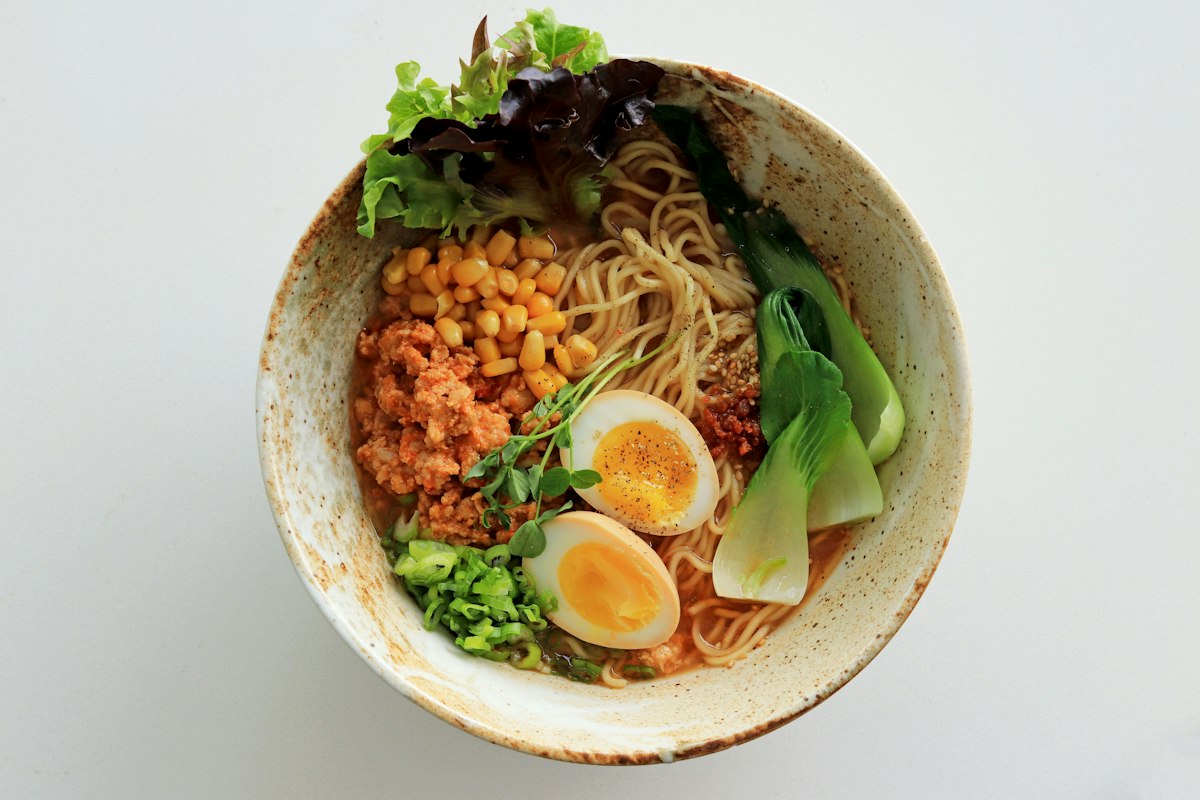
Traditional pork-based tonkotsu ramen (left) versus halal beef bone tonkotsu-style ramen (right).
Future Trends in Halal Ramen: What's Next for the Industry?
The halal ramen industry is evolving rapidly, driven by technological innovation, changing consumer preferences, and strategic government initiatives. Here are the key trends shaping the future.
1. Plant-Based Halal Ramen
A growing number of companies are developing vegan tonkotsu-style ramen using plant-based ingredients to replicate the creamy texture and rich flavor. Companies like Gluten Free Meister offer instant ramen in creamy Tonkotsu (vegetarian) flavors, targeting both health-conscious consumers and those seeking halal options.
2. Instant Halal Ramen Expansion
Major food companies are entering the halal instant ramen space. Nongshim, a leading Korean food company, reported $1 million in halal-certified Shin Ramyun exports in the first half of the year alone — a 54% increase year-over-year. These products are distributed to nine Muslim-majority countries including Indonesia, Saudi Arabia, Qatar, and the UAE.
3. Vision 2030 Integration
Saudi Arabia's Vision 2030 continues to drive investment in halal food infrastructure, positioning the Kingdom as a global hub for halal exports. This creates opportunities for Japanese ramen brands to partner with Saudi distributors and manufacturers to bring halal tonkotsu-style ramen to the Middle East market.
4. Technology-Driven Certification
Blockchain and digital traceability solutions are being explored to streamline halal certification and provide consumers with greater transparency about ingredient sourcing and production processes. These technologies will make it easier for ramen businesses to prove halal compliance across complex global supply chains.
Frequently Asked Questions About Halal Tonkotsu-Style Ramen
What exactly is halal tonkotsu-style ramen?
Halal tonkotsu-style ramen is a pork-free version of Japan's famous creamy ramen. Instead of using pork bones for the broth, it uses halal-certified beef bones, chicken bones, or plant-based ingredients. The result is a broth that is just as rich, creamy, and flavorful as traditional tonkotsu, but fully compliant with Islamic dietary laws.
Is halal tonkotsu-style ramen really halal-certified?
Yes, when produced by certified manufacturers and restaurants. In Japan, organizations like the Japan Halal Association (JHA) and Nippon Asia Halal Association (NAHA) issue halal certifications after rigorous audits. Look for the halal certification logo on packaging or restaurant displays. For instant ramen products, check the ingredient list to confirm there are no pork-derived ingredients or alcohol.
Does halal tonkotsu-style ramen taste the same as regular tonkotsu?
While the flavor profile differs slightly — beef bone broth has a subtly sweeter and more robust taste compared to the porky richness of traditional tonkotsu — the overall experience is remarkably similar. The creamy texture, the umami depth, and the satisfaction of slurping thin noodles in a rich broth are all preserved. Many Muslim diners say they can't tell the difference.
Where can I find halal tonkotsu-style ramen in Japan?
Major cities like Tokyo, Osaka, and Fukuoka have a growing number of halal-certified ramen restaurants. In Osaka, for example, Ichiran Namba Midosuji offers halal ramen with beef instead of pork, customized to your preferences. Yodobashi Kiba's Ramen Iroha also serves halal-friendly options. Many restaurants display halal certification prominently, so look for the logo.
Can I make halal tonkotsu-style ramen at home?
Absolutely! Home cooks around the world are creating halal tonkotsu-style ramen using accessible recipes. The key is to use beef leg bones, marrow bones, and chicken bones for the broth, and to ensure all seasonings (soy sauce, mirin alternatives, etc.) are alcohol-free. Many online recipes and Cookpad entries provide detailed step-by-step instructions for homemade halal tonkotsu ramen.
How long does it take to make halal tonkotsu-style broth?
Traditional tonkotsu broth takes 8–12 hours of simmering, and halal versions require similar time commitments for the best results. However, pressure cookers can reduce this to 2–3 hours. For instant satisfaction, high-quality halal instant ramen products are now widely available online and in specialty stores.
Is halal tonkotsu-style ramen healthy?
Beef bone broth is rich in collagen, amino acids like glycine and proline, and essential minerals. It supports joint health, skin elasticity, and immune function. However, tonkotsu-style ramen is also high in fat and sodium, so it's best enjoyed as an occasional indulgence rather than a daily staple. Balance it with plenty of vegetables and lean protein toppings.
What certifications should I look for when buying halal ramen?
Look for certifications from recognized bodies such as JAKIM (Malaysia), BPJPH (Indonesia), JHA (Japan Halal Association), NAHA (Nippon Asia Halal Association), or MPJA (Muslim Professional Japan Association). These organizations are recognized by major Muslim-majority countries and ensure the product meets strict halal standards.
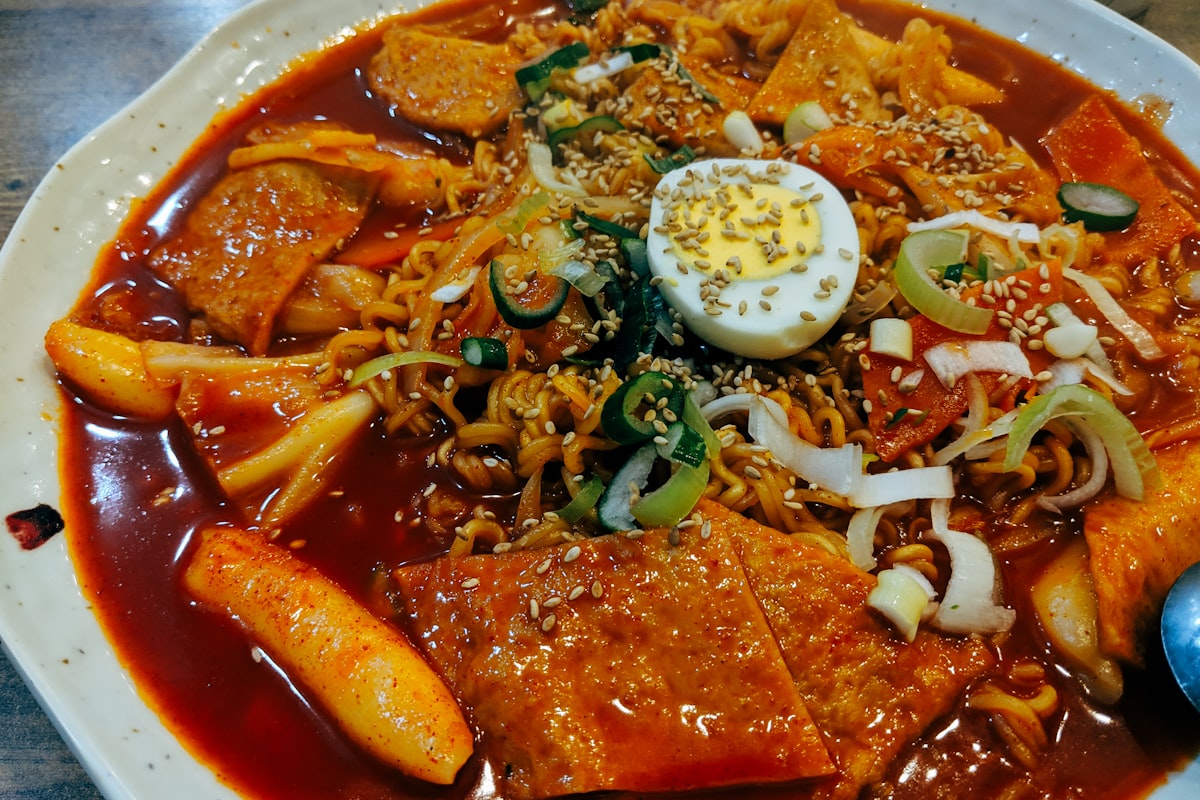
Look for halal certification logos when dining at ramen restaurants in Japan.
Conclusion: A Bowl of Ramen for Everyone
Halal tonkotsu-style ramen represents more than just a culinary adaptation — it's a symbol of how food can bridge cultures, respect religious traditions, and create inclusive dining experiences for everyone. From the accidental discovery of creamy tonkotsu broth in 1937 Kurume to the sophisticated halal-certified ramen bowls served in Tokyo and exported worldwide today, this dish has come a long way.
Whether you're a Muslim traveler exploring Japan, a home cook eager to recreate this iconic dish, or a restaurant owner looking to tap into the booming halal market, halal tonkotsu-style ramen offers something for everyone. The global halal food market is projected to reach $10 trillion by 2030, and ramen is perfectly positioned to be a leading category in this growth story.
So the next time you sit down to a steaming bowl of creamy, umami-rich halal tonkotsu-style ramen, remember: you're not just eating a meal. You're participating in a global movement toward more inclusive, culturally respectful, and deliciously innovative food.
🍜 Ready to Experience Halal Tonkotsu-Style Ramen?
Whether you're planning your next meal or your next business venture, the world of halal ramen is waiting for you. Start your journey today.
Explore Halal Ramen Recipes → Find Halal Ramen Near You →Suggested Internal Links
- Complete Guide to Japanese Ramen: Types, Toppings, and Regional Styles
- Halal Food in Japan: A Complete Traveler's Guide
- Health Benefits of Beef Bone Broth: Science-Backed Guide
- Halal Certification Explained: What It Means and Why It Matters
- Japanese Cuisine Global Trends: From Sushi to Ramen
Suggested External Links
- Japan National Tourism Organization (JNTO) — Official travel and food guide
- Ministry of Agriculture, Forestry and Fisheries (MAFF), Japan — Halal certification information
- JAKIM (Malaysia) — Global halal certification authority
Tags
#HalalRamen #TonkotsuStyleRamen #HalalJapaneseFood #MuslimFriendlyJapan #HalalCertification #JapaneseCuisine #HalalTravelJapan #RamyeonHalal #HalalFoodMarket #Vision2030 #GlobalHalalEconomy #BeefBoneBroth #PorkFreeRamen #HalalNoodles #JapanTravelMuslim
Meta Description: Discover halal tonkotsu-style ramen — Japan's creamy pork-free noodle soup. Learn how it's made, where to find it, halal certification standards, and the booming global halal ramen market projected to reach $10 trillion by 2030.