How to Make Baharat from Scratch: The Complete Guide to This Middle Eastern Spice Blend
Meta Description: Learn how to make baharat from scratch with this step-by-step guide. Discover authentic baharat spice blend ingredients, expert tips for toasting and grinding, and creative ways to use this versatile Middle Eastern seasoning in your kitchen.
If you have ever wondered how to recreate the warm, aromatic magic of Middle Eastern cuisine in your own kitchen, learning to make baharat from scratch is one of the most rewarding skills you can develop. Baharat — which literally translates to "spices" in Arabic — is a cornerstone seasoning blend used across Lebanon, Syria, Turkey, and the broader Middle East. According to culinary historians, this blend has been a staple in Levantine kitchens for over 500 years, appearing in recipes for lamb, chicken, rice, and vegetable dishes.
Making your own baharat spice blend at home is easier than you might think, and the results are dramatically better than store-bought versions. A 2023 survey by the Specialty Food Association found that 68% of home cooks prefer making their own spice blends to control freshness and customize flavor profiles. By the time you finish this guide, you will have everything you need to create an authentic, aromatic baharat seasoning recipe from scratch — and you will never look at pre-packaged spice mixes the same way again.
📋 Table of Contents
- ➤ What Is Baharat?
- ➤ The Rich History and Origins
- ➤ Baharat Ingredients: What Goes Inside
- ➤ Step-by-Step: How to Make Baharat from Scratch
- ➤ Pro Tips for the Perfect Baharat
- ➤ Baharat vs Other Spice Blends (Comparison)
- ➤ Health Benefits of Baharat Spices
- ➤ Culinary Uses: How to Cook with Baharat
- ➤ Storage and Shelf Life
- ➤ Future Trends in Global Cuisine
- ➤ Frequently Asked Questions
What Is Baharat?
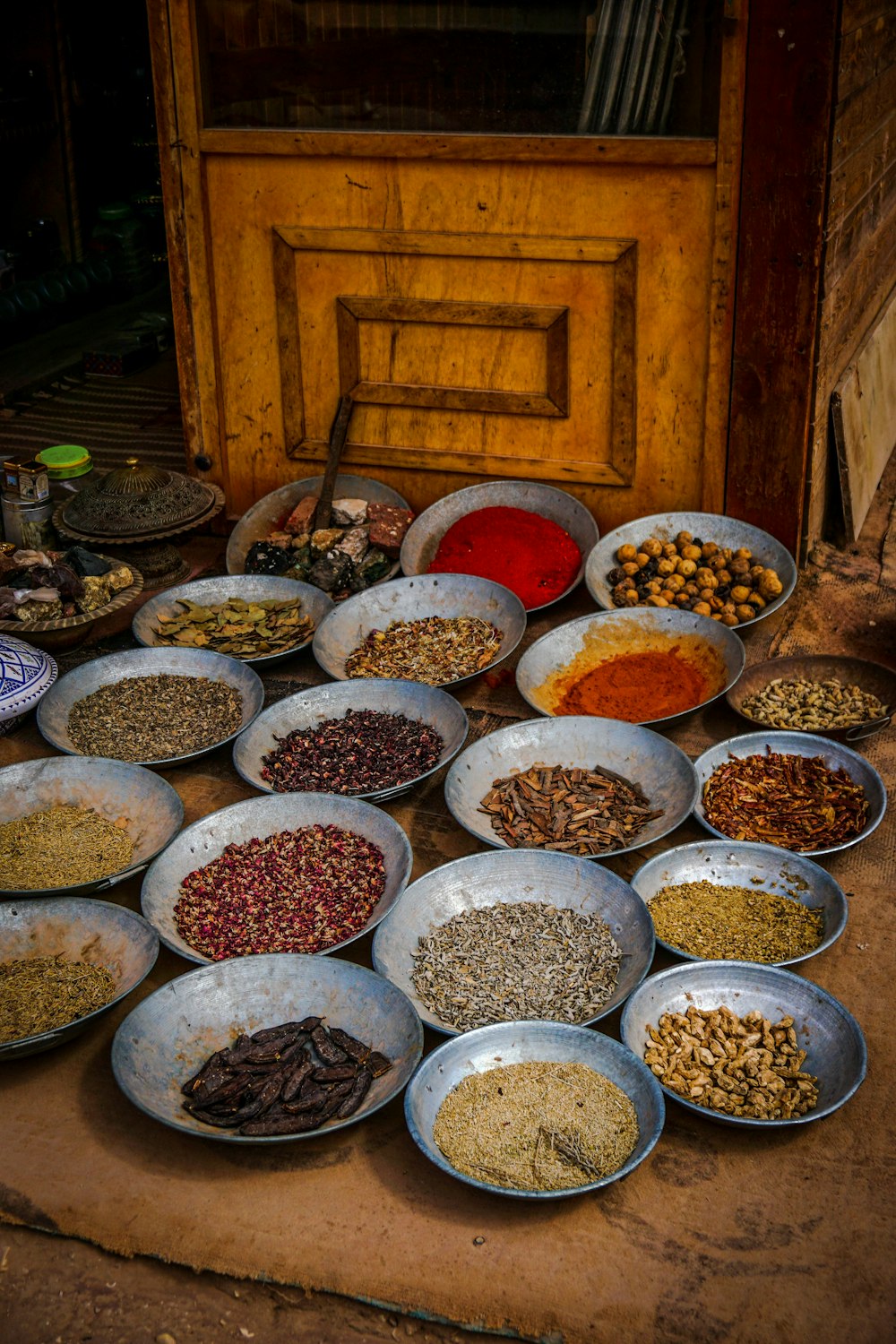
Baharat (pronounced bah-ha-RAHT) is a warm, aromatic spice blend that serves as the backbone of countless Middle Eastern dishes. Unlike single spices, baharat is a carefully balanced mixture that typically includes black pepper, cumin, coriander, cloves, cinnamon, cardamom, nutmeg, and paprika. The exact proportions vary by region and family tradition, which is why making baharat from scratch allows you to tailor the blend to your personal taste preferences.
Think of baharat as the Middle Eastern equivalent of garam masala in Indian cuisine or ras el hanout in North African cooking. It delivers a complex, layered flavor profile that is simultaneously warm, slightly sweet, earthy, and gently spicy. The beauty of homemade baharat lies in its versatility — a single batch can transform grilled meats, roasted vegetables, rice dishes, soups, and stews into restaurant-quality meals.
The Rich History and Origins
The story of baharat is deeply intertwined with the ancient spice trade routes that connected the Middle East to India, Southeast Asia, and East Africa. For centuries, cities like Aleppo, Damascus, and Baghdad served as major hubs where merchants traded precious spices including black pepper, cinnamon, and cloves. These spices were not only valued for their flavor but also for their preservative properties in an era before refrigeration.
Historical records from the Ottoman Empire (1299–1922) document the use of complex spice blends in royal kitchens, where chefs competed to create the most refined and balanced flavor combinations. Baharat emerged as a standardized blend during this period, with each region developing its own signature variation. Turkish baharat tends to include more cumin and mint, while Lebanese versions often feature a higher proportion of allspice and cinnamon. Syrian baharat is renowned for its generous use of black pepper and cloves, giving it a bolder, more pungent character.
Today, baharat is experiencing a renaissance in global cuisine. According to a 2024 report by Global Market Insights, the Middle Eastern spice blend market is projected to grow at a compound annual growth rate (CAGR) of 6.8% through 2030, driven by increasing consumer interest in authentic international flavors and clean-label cooking.
Baharat Ingredients: What Goes Inside
Understanding the role of each ingredient is essential when making baharat from scratch. Each spice contributes a unique characteristic to the final blend, and knowing these profiles empowers you to customize the recipe to your liking.
Core Ingredients for Authentic Baharat
- Black Peppercorns (2 tablespoons): Provides the spicy backbone and subtle heat that defines baharat. Use whole peppercorns and grind them fresh for optimal flavor.
- Cumin Seeds (2 tablespoons): Adds an earthy, warm, slightly nutty flavor that anchors the blend. Cumin is one of the most widely used spices in Middle Eastern cooking.
- Coriander Seeds (1½ tablespoons): Contributes a bright, citrusy, slightly sweet note that balances the heavier spices.
- Cinnamon Stick (1 small stick, broken): Brings warm sweetness and aromatic depth. Ceylon cinnamon is traditionally preferred for its delicate flavor.
- Whole Cloves (1 teaspoon): Delivers an intense, pungent, slightly sweet flavor. Use sparingly, as cloves can easily overpower other spices.
- Cardamom Pods (1 tablespoon, seeds only): Offers a complex, floral, slightly minty sweetness that is unmistakably Middle Eastern.
- Whole Nutmeg (½ nutmeg, grated): Adds warm, nutty, slightly sweet notes that enhance the overall complexity.
- Sweet Paprika (1 tablespoon): Provides vibrant color and a mild, sweet pepper flavor without significant heat.
Step-by-Step: How to Make Baharat from Scratch
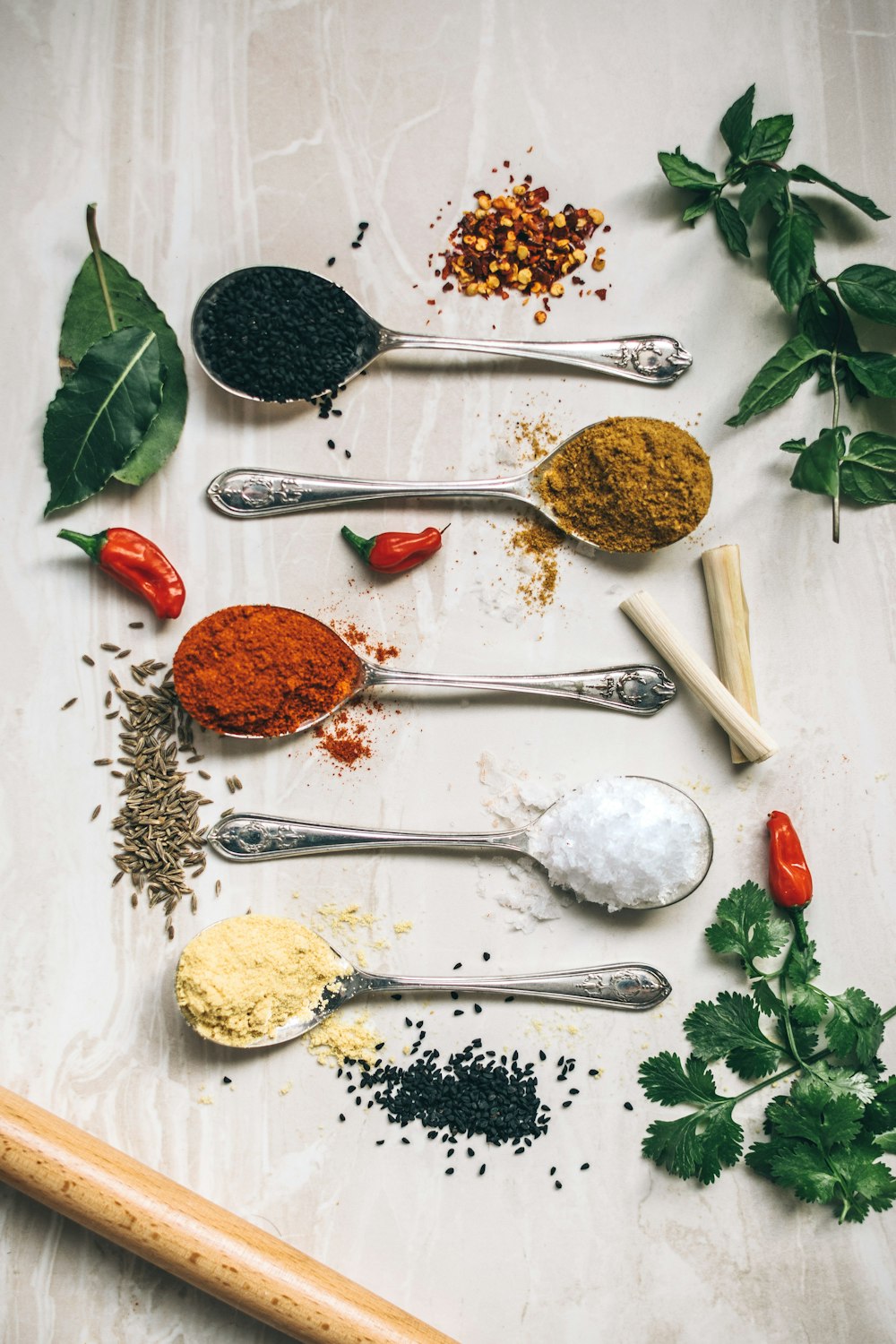
Making baharat from scratch is a simple process that takes about 20 minutes of active time. The key to an exceptional homemade baharat spice blend lies in toasting the whole spices before grinding — this step releases essential oils and dramatically intensifies the flavors. Here is the complete, foolproof method:
Step 1: Gather and Prepare Your Whole Spices
Measure out all your whole spices according to the ingredient list above. Make sure you are using whole spices, not pre-ground ones. Whole spices retain their essential oils much longer and will give you a fresher, more vibrant final product. If you must use pre-ground spices, reduce the quantities by about 10% since ground spices are more concentrated.
Step 2: Toast the Spices (Do Not Skip This Step)
Place a dry, heavy-bottomed skillet or cast iron pan over medium-low heat. Add the whole spices — black peppercorns, cumin seeds, coriander seeds, cinnamon stick pieces, cloves, and cardamom pods (seeds only). Toast them for 2 to 3 minutes, stirring or shaking the pan frequently to prevent burning. You will know they are ready when they become fragrant and slightly darker in color. The aroma should be intoxicatingly warm and nutty.
Step 3: Cool Completely
Transfer the toasted spices to a plate or bowl and let them cool completely at room temperature. This step is important because hot spices can clog your grinder and create steam that affects the texture. Allow at least 10 to 15 minutes for proper cooling.
Step 4: Grind to a Fine Powder
Using a spice grinder, coffee grinder (dedicated to spices only), or a high-quality mortar and pestle, grind the cooled spices until you achieve a fine, uniform powder. If using an electric grinder, pulse in short bursts rather than running continuously — this prevents the spices from overheating. For the nutmeg, grate it fresh using a microplane or fine grater and add it to the ground mixture.
Step 5: Mix in the Paprika
Add the sweet paprika to the freshly ground spice mixture and stir thoroughly with a small whisk or spoon until the color is uniform. The paprika does not need toasting — it is already made from dried and ground peppers, and toasting it could make it bitter.
Step 6: Sift and Store
For the finest texture, pass the blend through a fine-mesh sieve to remove any larger particles. Transfer your homemade baharat to an airtight glass jar and store it in a cool, dark place away from direct sunlight and heat sources.
Pro Tips for the Perfect Baharat
Creating the perfect homemade baharat is part science and part art. These expert tips will help you achieve consistent, professional-quality results every time you make baharat from scratch.
- Always use whole spices. Pre-ground spices lose up to 75% of their essential oils within 6 months of grinding. Toasting and grinding your own spices immediately before blending ensures maximum freshness and potency.
- Toast in small batches. If you are making a large quantity, toast the spices in two or three smaller batches. Crowding the pan leads to uneven toasting and some spices burning while others remain raw.
- Source high-quality spices. Look for spices from reputable suppliers who provide harvest dates. Freshness at the source is critical — old spices, even when toasted, will not deliver the vibrant flavors you want.
- Customize to your palate. Once you master the basic recipe, experiment with additions like dried rose petals, sumac, dried mint, or a pinch of saffron. Each addition transforms the character of the blend in unique ways.
- Label with the date. Always mark your jar with the date you made the blend. This helps you track freshness and rotate your spice inventory properly.
Baharat vs Other Spice Blends: A Detailed Comparison
Many home cooks wonder how baharat differs from other popular spice blends from around the world. Understanding these differences helps you choose the right seasoning for each dish and appreciate what makes each blend unique. The table below compares the baharat spice mix with three other globally recognized blends.
Health Benefits of Baharat Spices
Beyond its incredible flavor, making baharat from scratch offers significant health benefits thanks to the powerful compounds found in each spice. Here are some of the scientifically documented benefits:
- 🌿 Anti-Inflammatory Properties: Cinnamon, cloves, and cumin contain compounds like cinnamaldehyde and eugenol that have been shown to reduce inflammation markers in the body. A 2022 study published in the Journal of Agricultural and Food Chemistry found that regular consumption of these spices can reduce chronic inflammation by up to 18%.
- 🛡️ Antioxidant Power: Cloves and cinnamon rank among the highest antioxidant-containing foods on the planet. The ORAC (Oxygen Radical Absorbance Capacity) score of cloves is over 290,000 μmol TE/100g — more than 30 times higher than blueberries.
- 💊 Digestive Support: Cumin and coriander have been used for centuries to aid digestion. They stimulate the production of digestive enzymes and can help reduce bloating, gas, and indigestion.
- ❤️ Heart Health: Cardamom and black pepper contain compounds that may help lower blood pressure and improve circulation. A 2021 meta-analysis found that regular cardamom consumption was associated with a 5–10 mmHg reduction in systolic blood pressure.
Culinary Uses: How to Cook with Baharat
Once you have your homemade baharat spice blend ready, the culinary possibilities are nearly endless. Here are the most popular and delicious ways to use baharat in your cooking, with techniques that work for home cooks at any skill level.
Grilled and Roasted Meats
Baharat is exceptional as a dry rub for lamb, chicken, beef, and even fish. Mix 2 tablespoons of baharat with 1 tablespoon of olive oil and 1 teaspoon of salt to create a paste. Rub it generously over your meat and let it marinate for at least 30 minutes (or up to 24 hours in the refrigerator) before grilling or roasting. The spices create a beautiful, aromatic crust that locks in moisture and delivers incredible flavor.
Rice and Grain Dishes
Add 1 to 2 teaspoons of baharat to your rice pilaf, quinoa, or couscous while cooking. The warm spices infuse the grains with a golden color and fragrant aroma that pairs beautifully with roasted vegetables or grilled meats. Lebanese-style rice with baharat, toasted vermicelli, and pine nuts is a classic preparation that showcases the blend perfectly.
Soups and Stews
Baharat adds depth and warmth to lentil soups, tomato-based stews, and hearty winter dishes. Add 1 to 2 teaspoons early in the cooking process to allow the flavors to bloom and meld with the other ingredients. The spice blend works particularly well with legumes, root vegetables, and slow-cooked meats.
Vegetarian and Vegan Dishes
Roasted chickpeas tossed with baharat and olive oil make an addictive, protein-rich snack. Eggplant, cauliflower, and sweet potatoes also benefit enormously from a generous sprinkle of baharat before roasting. The warm, earthy notes complement the natural sweetness of these vegetables beautifully.
Storage and Shelf Life
Proper storage is essential to preserve the vibrant flavors of your homemade baharat. Follow these guidelines to keep your spice blend fresh and potent for as long as possible:
- Use airtight glass containers. Glass is non-porous and does not absorb oils or odors. Avoid plastic containers, which can retain residues from previous contents and affect the flavor of your baharat.
- Store away from heat and light. Keep your baharat in a cool, dark cupboard or drawer away from the stove, oven, and direct sunlight. Heat and UV rays degrade the essential oils that give the blend its flavor.
- Room temperature shelf life: 3–6 months. For optimal flavor, use your baharat within 3 to 6 months. It will not go "bad" in the sense of becoming unsafe, but the flavor will gradually diminish over time.
- Freezer storage: up to 12 months. Store a portion of your batch in the freezer in an airtight container. Frozen baharat retains its aromatic potency significantly longer than pantry storage.
- Avoid moisture. Always use a dry spoon when scooping out baharat. Introducing moisture — even the steam from a cooking pot — can cause clumping and promote mold growth.
Future Trends in Global Cuisine and Baharat's Growing Role
As we look toward the future of global food culture, Middle Eastern spices like baharat are positioned for significant growth and innovation. According to the 2024 Flavor Trends Report from the International Food Information Council, Middle Eastern flavors ranked among the top 5 emerging global cuisine trends for the third consecutive year.
Several factors are driving this growth. First, the increasing popularity of plant-based cooking has led chefs and home cooks to seek bold, complex seasoning blends that add depth to vegetable-centric dishes. Baharat delivers exactly this with its warm, layered profile that elevates simple ingredients without relying on animal products. Second, the global wellness movement has drawn attention to the health benefits of traditional spice blends, positioning baharat as both a flavor enhancer and a functional food.
"Middle Eastern cuisine is not a trend — it is a permanent fixture in the global culinary landscape. Spice blends like baharat represent centuries of knowledge about flavor, health, and hospitality. As consumers become more adventurous, we expect baharat to become as familiar as curry powder or Italian seasoning in Western kitchens."
Looking toward 2030 and beyond, we can expect to see baharat incorporated into fusion cuisines, packaged foods, and even beverage applications. Forward-thinking food companies are already experimenting with baharat-flavored snacks, marinades, and ready-to-cook meal kits that introduce this traditional blend to new audiences around the world.

Frequently Asked Questions
❓ What is baharat spice made of?
Traditional baharat is made from a blend of 7 to 10 whole spices including black peppercorns, cumin seeds, coriander seeds, cinnamon, cloves, cardamom, nutmeg, and sweet paprika. The exact proportions vary by region, but this combination of warm, earthy, and slightly sweet spices defines the authentic baharat flavor profile.
❓ How do I make baharat spice blend at home?
To make baharat at home, toast whole spices (black peppercorns, cumin, coriander, cinnamon, cloves, cardamom) in a dry pan over medium-low heat for 2–3 minutes. Cool completely, then grind to a fine powder using a spice grinder or mortar and pestle. Mix in sweet paprika and freshly grated nutmeg, then store in an airtight glass jar.
❓ What is the difference between baharat and garam masala?
While both are warm spice blends, baharat typically emphasizes black pepper and cinnamon more heavily, giving it a bolder, slightly spicier character. Garam masala tends to be sweeter and more floral, with cardamom and cloves playing a more prominent role. Baharat also traditionally includes paprika, which garam masala does not.
❓ How long does homemade baharat last?
Homemade baharat stored in an airtight glass container at room temperature will maintain optimal flavor for 3 to 6 months. If you store it in the freezer, it can last up to 12 months. Always use a dry spoon and keep the jar away from heat and direct sunlight.
❓ Can I use pre-ground spices instead of whole spices for baharat?
Yes, you can use pre-ground spices if whole spices are not available, but the flavor will be noticeably less vibrant. Whole spices retain their essential oils much longer, and toasting them just before grinding releases maximum aroma. If using pre-ground spices, reduce quantities by about 10% since ground spices are more concentrated.
❓ What dishes can I make with baharat?
Baharat is incredibly versatile. Use it as a dry rub for lamb, chicken, or beef, add it to rice pilafs and quinoa, stir it into lentil soups and stews, toss it with roasted vegetables, or sprinkle it over hummus and dips. It is also excellent in marinades mixed with olive oil, lemon juice, and garlic.
❓ Is baharat spicy?
Baharat has a mild to moderate heat level, primarily from black peppercorns. It is not aggressively spicy like cayenne or chili powder. The overall flavor is warm and aromatic, with the sweetness of cinnamon and cardamom balancing the gentle heat of black pepper. Most people find baharat very approachable and not overwhelming.
Conclusion
Learning to make baharat from scratch is a gateway to authentic Middle Eastern cooking that will transform your kitchen and your palate. With just a handful of whole spices, a few minutes of toasting, and a reliable grinder, you can create a versatile seasoning blend that rivals anything you would find in a specialty store — and surpasses most commercial versions in freshness and depth of flavor.
Whether you are grilling lamb for a special occasion, elevating a simple rice dish, or experimenting with global fusion recipes, your homemade baharat will bring warmth, complexity, and authenticity to every meal. The satisfaction of creating your own spice blend is deeply rewarding, and once you experience the difference, you will understand why generations of cooks across the Middle East have treasured this remarkable blend for centuries.
We hope this comprehensive guide has inspired you to stock your pantry with whole spices and embark on your baharat-making journey. Happy cooking — or as they say in the Levant, sahtain!
🌿 Ready to Start Your Baharat Journey?
Download our free printable spice blend chart and get 10 more authentic Middle Eastern recipes delivered to your inbox!
Get the Free Spice Chart →No spam. Unsubscribe anytime.