Loomi Dried Lime: What It Does, How to Use It, and Why You Need It in Your Kitchen
Loomi dried lime — also known as black lime, limoo amani, or dried lime — is one of the most underrated ingredients in global cuisine. This humble dried citrus, originating from the Middle East, delivers a uniquely complex flavor profile that combines sour, smoky, and slightly fermented notes. But what does loomi dried lime actually do for your cooking and your health? In this comprehensive guide, you'll discover the powerful dried lime benefits, learn how to use loomi in everyday dishes, and understand why chefs worldwide are embracing this black lime as a secret weapon. From loomi tea to hearty stews, from marinades to spice blends, this versatile ingredient deserves a place in your pantry. Whether you're a curious home cook or a professional chef, you'll find practical, actionable tips backed by nutritional data and culinary expertise. Let's dive into the world of dried lime and unlock its full potential.
📋 Table of Contents
What Is Loomi Dried Lime? A Complete Definition
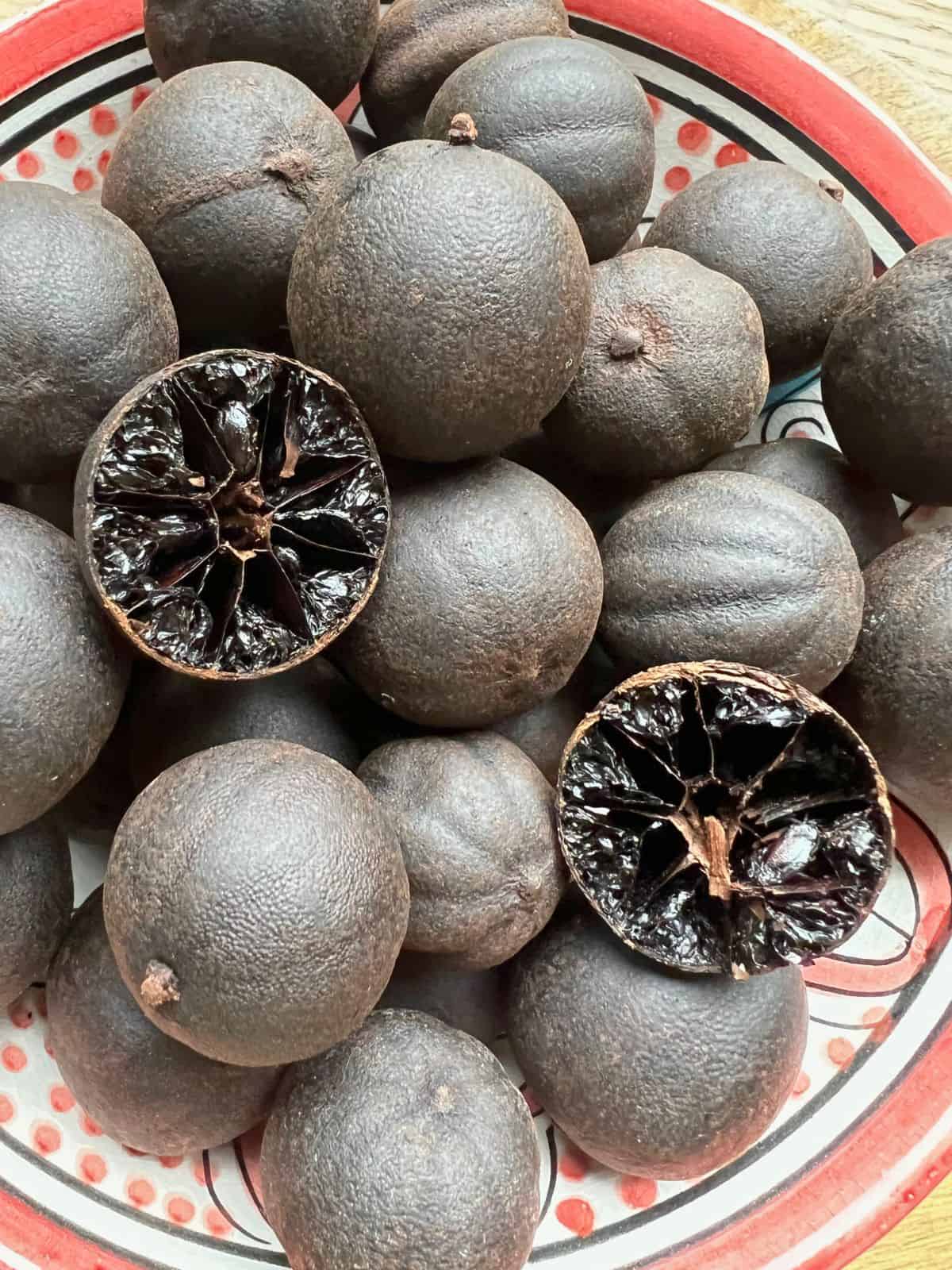
Loomi (also spelled lumi, loomi, or noomi basra) is a type of dried lime made by boiling fresh limes in saltwater and then sun-drying them until they turn dark brown to black in color. The result is a black lime with a hard, brittle exterior and a deeply concentrated, tangy, smoky flavor unlike anything you get from fresh citrus.
The Origins and Cultural Significance of Dried Lime
Loomi traces its roots to Oman, Iraq, and the broader Persian Gulf region, where it has been used for centuries in traditional dishes. Known as limoo amani in Persian (meaning "lime from Oman"), this ingredient is a cornerstone of Middle Eastern cooking. Historical records suggest that dried limes were traded along the ancient spice routes as early as the 9th century, valued for their long shelf life and intense flavor concentration.
Today, loomi is gaining global recognition. According to market research, the global dried citrus market is projected to grow at a compound annual growth rate (CAGR) of 4.7% from 2023 to 2030, driven by increasing consumer interest in Middle Eastern and North African cuisines.
"Loomi is not just an ingredient — it's a bridge between ancient culinary traditions and modern global gastronomy. Its complexity challenges the palate in ways fresh lime never could."
💡 TIP: When shopping for loomi, look for limes that are uniformly dark, lightweight, and hollow-sounding when tapped. Avoid any with signs of mold or excessive crumbling — these are indications of age or improper storage.
Health Benefits of Dried Lime: What Does Loomi Do for Your Body?
Beyond its culinary appeal, loomi dried lime offers a remarkable range of health benefits. The drying process concentrates the nutrients found in fresh limes, making loomi a nutrient-dense superfood in its own right.
Nutritional Profile of Dried Lime (per 100g)
*Based on a 2,000 calorie daily diet. Values may vary based on drying method and lime variety.
5 Evidence-Based Health Benefits of Loomi
- Boosts Digestive Health: Dried lime is rich in dietary fiber and natural enzymes that support healthy digestion. The compounds in loomi stimulate the production of digestive juices, helping your body break down food more efficiently. Studies suggest that the fermentation process during drying creates probiotics that support gut microbiome health.
- Powerful Antioxidant Activity: The drying process concentrates flavonoids and polyphenols in limes, giving loomi 3-5 times more antioxidant capacity than fresh lime. These compounds help neutralize free radicals and reduce oxidative stress.
- Supports Heart Health: The potassium content in dried lime helps regulate blood pressure, while its fiber content aids in lowering LDL (bad) cholesterol levels. Regular consumption as part of a balanced diet may reduce cardiovascular risk factors.
- Natural Detoxification: Traditional medicine has used loomi tea for centuries as a gentle detoxifying agent. The compounds in dried lime support liver function and help the body eliminate toxins more efficiently.
- Immune System Support: Despite the drying process, loomi retains significant levels of vitamin C — approximately 44% of your daily requirement per 100g serving. This makes it a valuable addition to your diet during cold and flu season.
How to Use Loomi in Cooking: A Practical Guide
Learning how to use loomi is simpler than you might think. This versatile ingredient can be used whole, pierced, crushed, or ground into dried lime powder. Each method imparts a different intensity of flavor to your dishes.
4 Ways to Prepare and Use Loomi
- Whole Loomi in Stews and Soups: Pierce the dried lime with a fork or knife in 2-3 places and add it directly to your pot. As the dish simmers, the loomi will slowly release its tangy, smoky flavor. Remove before serving or leave it in for a more intense taste. This method is perfect for Middle Eastern stews, lentil soups, and tagines.
- Ground Loomi as a Spice: Grind whole dried limes (with or without seeds) in a spice grinder or mortar and pestle to create dried lime powder. This powder can be used as a rub for meats, sprinkled over rice, or added to spice blends like baharat and za'atar.
- Crushed Loomi for Marinades: Break loomi into small pieces and add to marinades for chicken, fish, or lamb. The acidic nature of dried lime helps tenderize meat while infusing it with deep flavor.
- Loomi Infused Oil or Vinegar: Add a whole or halved dried lime to a bottle of olive oil or vinegar. Let it infuse for 2-3 weeks, and you'll have a uniquely flavored oil for dressings and finishing dishes.
⚠️ IMPORTANT: Always remove whole loomi before serving unless you intend for your guests to eat around it. The hard shell can be a choking hazard and is not meant to be consumed whole. The flavor it imparts is what matters.
Loomi Tea: The Ancient Wellness Drink
Loomi tea is perhaps the simplest and most accessible way to experience the benefits of dried lime. This caffeine-free beverage has been consumed for centuries in the Middle East, particularly in Iraq, Iran, and Oman, where it's known as noomi basra tea or limoo amani tea.
Simple Loomi Tea Recipe
🫖 Ingredients:
- 2-3 whole loomi dried limes
- 4 cups of water
- 1-2 tablespoons honey (optional)
- Fresh mint leaves (optional)
- Cinnamon stick (optional)
👨🍳 Instructions:
- Crack the dried limes slightly with the back of a knife or a rolling pin.
- Bring water to a boil in a saucepan.
- Add the cracked loomi and reduce heat to a simmer.
- Simmer for 15-20 minutes, or until the water turns a deep amber color.
- Strain into cups and sweeten with honey if desired.
- Garnish with fresh mint or a cinnamon stick for extra flavor.
Pro tip: For a stronger brew, use 3-4 dried limes and simmer for up to 30 minutes. The tea has a naturally tart, slightly smoky flavor that pairs beautifully with honey. Many people report that drinking loomi tea after meals aids digestion and reduces bloating — a claim supported by the digestive enzymes present in the dried fruit.

Global Culinary Uses: Loomi Around the World
While loomi is deeply rooted in Middle Eastern cooking, its unique flavor profile has made it a favorite among innovative chefs globally. Here's how different cuisines are embracing dried lime:
Middle Eastern Cuisine
- Iraqi Masgouf: The national dish of Iraq, grilled carp, is traditionally seasoned with ground loomi, giving it a distinctive tangy crust.
- Persian Ghormeh Sabzi: This iconic herb stew uses whole dried limes that slowly release their flavor during the long cooking process.
- Omani Shuwa: Slow-cooked lamb or goat seasoned with a spice blend that includes ground dried lime.
- Bahraini Machboos: A spiced rice dish similar to biryani, where loomi is a key ingredient in the spice mix.
Global Adaptations
- Latin American Fusion: Chefs in Mexico and Peru are experimenting with loomi in ceviches and marinades, creating a unique bridge between Middle Eastern and Latin flavors.
- European Fine Dining: Michelin-starred restaurants in London, Paris, and Copenhagen use ground loomi as a finishing spice for seafood and roasted vegetables.
- North American Craft Cooking: Artisan spice shops across the United States and Canada now sell dried lime powder, and home cooks are incorporating it into rubs, brines, and even cocktails.
- Asian Fusion: In Singapore and Malaysia, loomi is being used in laksa broths and curry pastes to add depth and acidity.
Fresh Lime vs. Dried Lime: A Comprehensive Comparison
While both fresh and dried limes come from the same fruit, their culinary applications and flavor profiles are vastly different. Understanding these differences helps you choose the right ingredient for your dish.

Buying and Storing Guide: Getting the Best Loomi
Finding high-quality loomi dried lime is easier than ever, with many options available online and in specialty stores. Here's what you need to know to make the best purchase and store your loomi properly for maximum freshness.
Where to Buy Loomi Dried Lime
- Middle Eastern Grocery Stores: The most reliable source for authentic, high-quality loomi. Look for stores that import directly from Oman, Iraq, or Iran.
- Online Retailers: Amazon, specialty spice shops, and Middle Eastern food websites offer convenient options. Check customer reviews for quality indicators.
- Global Spice Markets: Many international food markets in major cities now stock loomi in their spice sections.
- Health Food Stores: Some specialty health stores carry dried lime due to its growing reputation as a wellness ingredient.
Storage Tips for Maximum Freshness
- Store whole loomi in an airtight container in a cool, dark place away from direct sunlight.
- Ground dried lime powder should be used within 3-6 months for best flavor.
- Whole dried limes can last 1-2 years when stored properly.
- Avoid refrigeration, as moisture can cause mold growth.
- Check periodically for signs of moisture or pest infestation.
Future Trends: The Global Rise of Dried Lime
The future looks bright for loomi dried lime as global culinary trends continue to evolve. Here are the key developments shaping the market:
- Sustainability Factor: Dried lime production aligns with global sustainability goals by reducing food waste. Limes that might otherwise go unsold can be preserved through drying, extending their usable life from weeks to years.
- Wellness Integration: As consumers increasingly seek functional foods with health benefits, loomi tea and dried lime powder are gaining traction in the wellness community.
- Culinary Innovation: Chefs worldwide are discovering new applications for loomi, from cocktail infusions to dessert flavoring. This creative exploration is driving demand in new markets.
- Vision 2030 Alignment: In the Gulf region, particularly Saudi Arabia and the UAE, initiatives under Vision 2030 are promoting local and traditional food products, including loomi, as part of cultural heritage preservation and economic diversification.
- E-commerce Growth: The online spice market is growing rapidly, making loomi more accessible to global consumers than ever before. Market analysts predict that specialty dried ingredients will see 5-8% annual growth through 2030.

💡 PRO TIP: Start small when experimenting with loomi. Add half a dried lime to your next pot of lentil soup or stew and taste the difference. Once you understand its flavor profile, you can adjust the amount to suit your preferences. Most recipes call for 1-2 whole limes per 4-6 servings.
Frequently Asked Questions About Loomi Dried Lime
What is loomi dried lime good for?
Loomi dried lime is excellent for adding depth and complexity to stews, soups, rice dishes, and marinades. It's also prized for its health benefits, including digestive support, antioxidant properties, and vitamin C content. Many people use loomi tea as a natural remedy for indigestion and bloating.
How do you use whole dried limes?
To use whole dried limes, pierce them with a fork or knife in 2-3 places and add them directly to simmering dishes like stews, soups, or rice. The limes will slowly release their flavor over 20-30 minutes of cooking. Remove them before serving, or leave them in the pot for a stronger taste. You can also crack them open to expose more surface area for faster flavor release.
Can you eat loomi dried lime directly?
No, you should not eat whole loomi directly. The dried lime shell is extremely hard and leathery, and consuming it could damage your teeth or pose a choking hazard. The proper way to consume loomi is either by steeping it in liquid to extract its flavor, grinding it into a fine powder that can be sprinkled on food, or using it as a flavoring agent in cooking and then removing it before serving.
What is the difference between black lime and dried lime?
Black lime and dried lime refer to the same ingredient — loomi. The term "black lime" describes the dark color that limes develop during the drying process. Some varieties may be darker or lighter depending on the specific drying method and the type of lime used, but they are essentially the same product with the same culinary applications.
How long does loomi last?
Whole loomi dried limes can last 1-2 years when stored in an airtight container in a cool, dark place. Ground dried lime powder has a shorter shelf life of 3-6 months before it begins to lose its potency. Always check for signs of mold or unusual odors before using stored loomi.
Is loomi tea good for weight loss?
While loomi tea is not a magic weight-loss solution, it can support weight management as part of a healthy lifestyle. The tea is naturally calorie-free, and its digestive benefits may help reduce bloating and improve metabolism. The fiber content in dried lime also contributes to feelings of fullness. However, sustainable weight loss requires a balanced diet and regular exercise.
Can I substitute fresh lime for loomi?
While fresh lime provides acidity, it cannot replicate the unique smoky, fermented, and complex flavor of loomi dried lime. The drying process fundamentally changes the flavor profile. However, in a pinch, you can combine fresh lime juice with a small amount of smoked paprika or liquid smoke to approximate the flavor. The result will not be identical, but it can work in some recipes.
Where does loomi come from?
Loomi originates from the Persian Gulf region, specifically Oman, Iraq, and Iran. The name "limoo amani" literally translates to "lime from Oman," reflecting its historical origin. Today, loomi is produced in several Middle Eastern countries, but Omani loomi is still considered the gold standard for quality.
Conclusion: Why Loomi Dried Lime Belongs in Your Kitchen
Loomi dried lime is far more than a niche ingredient — it's a culinary treasure that bridges ancient traditions and modern gastronomy. From its deep, smoky flavor that transforms ordinary stews into extraordinary meals, to its impressive array of health benefits including digestive support and antioxidant properties, loomi deserves a permanent place in your pantry.
Whether you're sipping loomi tea for wellness, grinding dried lime powder into your spice blends, or simmering whole limes in a hearty stew, you're participating in a tradition that spans centuries and continents. The global food community is increasingly recognizing what Middle Eastern cooks have known for generations: loomi is not just an ingredient — it's an experience.
As we look toward the future, the growing interest in sustainable cooking, functional foods, and global flavor exploration positions loomi perfectly for continued growth. By incorporating this versatile ingredient into your cooking today, you're not just enhancing your meals — you're connecting with a rich culinary heritage that continues to inspire chefs and home cooks around the world.
Ready to Transform Your Cooking with Loomi?
Start your loomi journey today. Order high-quality dried limes from a trusted source and discover the flavor that has captivated cooks for centuries.
Have questions? Leave a comment below — we'd love to hear about your loomi experience!