Masoub — Banana and Khameer: The Complete Guide to Yemen's Beloved Banana Bread Pudding
Meta Description: Discover Masoub — banana and khameer, Yemen's traditional banana bread pudding. Learn the authentic recipe, nutritional benefits, cultural significance, and how this comforting dish is winning hearts worldwide.
Have you ever tasted a dish so comforting, so simple, yet so deeply satisfying that it instantly transports you to another culture? Masoub — banana and khameer — is exactly that kind of food. This traditional Yemeni banana bread pudding, known across the Arabian Peninsula as Masoob, Malikia, or Fattah, transforms everyday ingredients into something extraordinary. Made from over-ripe bananas, ground flatbread, rich cream, and sweet honey, Masoub has nourished generations of families across Yemen, Saudi Arabia, the UAE, and beyond.
What makes Masoub so remarkable is its beautiful simplicity. You only need a handful of basic ingredients — ripe bananas, day-old flatbread, qishta (thick cream), and honey — yet the result is a dish that feels luxurious and deeply soulful. Whether you enjoy it as a hearty breakfast, a wholesome snack, or a decadent dessert, Masoub adapts to every occasion. In this comprehensive guide, you'll discover the full story behind this beloved banana and khameer dish, learn how to make it at home, explore its impressive nutritional profile, and understand why it continues to captivate food lovers around the world.
Table of Contents
- 1. What Is Masoub? Understanding Banana and Khameer
- 2. Key Ingredients of Masoub
- 3. Cultural Significance of Masoub
- 4. Nutritional Benefits of Masoub
- 5. How to Make Authentic Masoub
- 6. Popular Masoub Variations Around the World
- 7. Masoub vs. Similar Dishes
- 8. Why Masoub Is Going Global
- 9. Future Trends: Masoub and Vision 2030
- 10. Frequently Asked Questions About Masoub
- 11. Conclusion & Call to Action
What Is Masoub? Understanding Banana and Khameer
Masoub is a traditional banana-based pudding that originated in the Hadhramaut region of Yemen. The dish is made from a base of over-ripe bananas mixed with ground flatbread, then enriched with cream, honey, and sometimes dates or cheese. The Arabic word "masoub" literally refers to someone who is very hungry — a fitting name for this filling, energy-packed dish that warms you from the inside out.
The term "banana and khameer" in the context of Masoub refers to the combination of ripe bananas and khameer bread. Khameer, also spelled khamir or bakhmri, is a traditional Yemeni and Emirati flatbread made with yeast — the name "khameer" itself comes from the Arabic word for yeast. This soft, slightly sweet bread serves as the perfect base for the banana mixture, absorbing the creamy, honeyed flavours while adding a satisfying, earthy texture.
Today, Masoub is enjoyed across the Arabian Peninsula, particularly in Saudi Arabia, the UAE, and Oman, where Hadhrami immigrant communities introduced the dish generations ago. In Saudi Arabia, it is commonly sold at restaurants that specialise in ful (fava bean dip) and adas (lentil dip), positioning Masoub as part of a warm, filling breakfast tradition.
Masoub is traditionally served warm, topped with cream, honey, and nuts.
Key Ingredients of Masoub
The beauty of Masoub lies in its minimal ingredient list. You don't need exotic spices or complex techniques — just a few humble staples that come together to create something magical. Here are the core components:
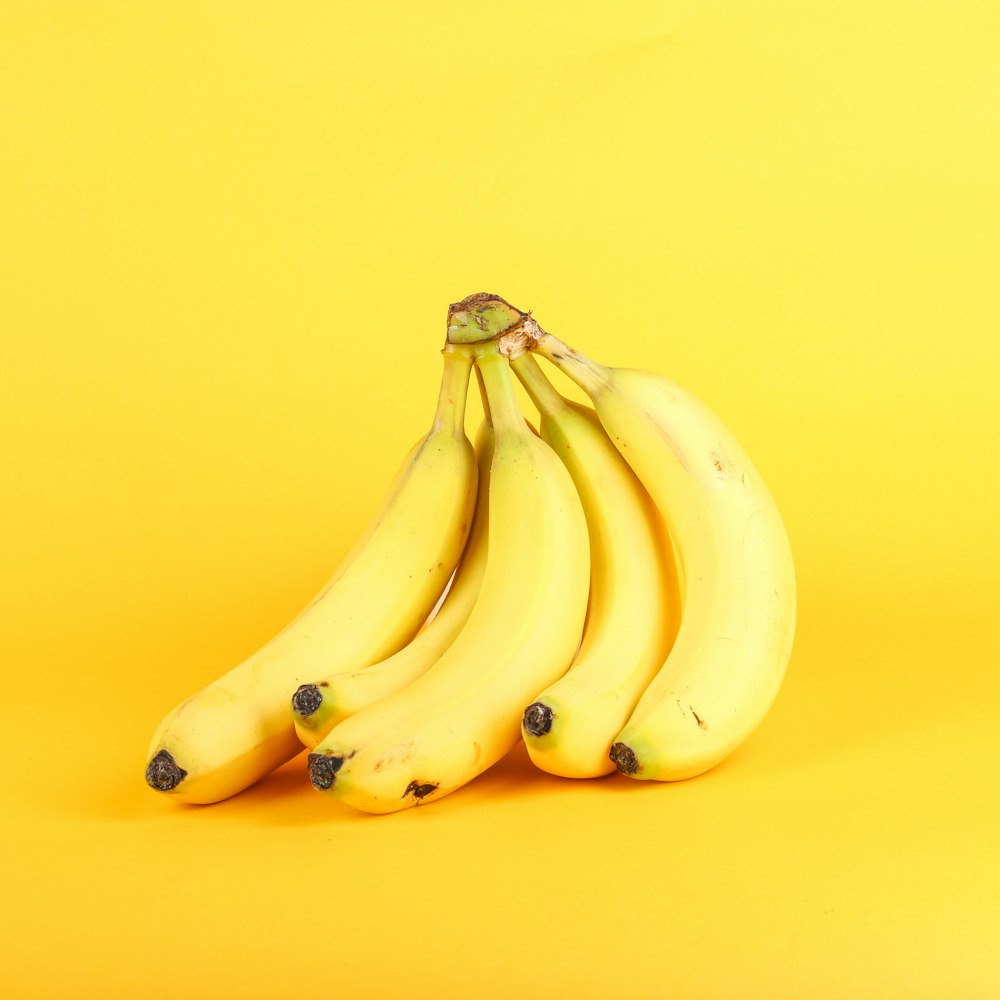
- Over-ripe Bananas: The star of the dish. The riper the bananas, the sweeter and more flavourful your Masoub will be. Most recipes call for 3-4 very ripe bananas for 4 servings.
- Khameer or Flatbread: Whole wheat flatbread, Arabic bread, or pita works perfectly. The bread is coarsely ground and mixed with the bananas at roughly a 1:1 ratio.
- Qishta (Thick Cream): Also known as table cream or clotted cream, qishta adds luxurious richness. You can also use heavy cream or whipped cream.
- Honey: Natural sweetness that complements the bananas. About 1/4 cup for 4 servings, adjusted to taste.
- Ghee or Melted Butter: Optional but highly recommended for added depth and richness.
- Toppings: Sliced almonds, golden raisins, dates, shredded cheddar, or fresh banana slices for garnish.
💡 Tip: The best Masoub starts with bananas that are almost too ripe to eat. Their natural sugars have developed fully, giving the dish a deep, caramel-like sweetness without needing extra sugar.
Cultural Significance of Masoub
In Yemeni and wider Arabian culture, Masoub is far more than just a breakfast dish. It is a symbol of hospitality, generosity, and communal dining. Traditionally, Masoub is served on large platters, and everyone gathers around to share it together. This communal aspect reflects the deeply ingrained Arab tradition of sharing food as an expression of warmth and welcome.
The dish holds a special place in the hearts of many who grew up in the region. One writer described Masoub as "a taste of childhood nostalgia" — a caramel-coloured banana and bread mash spotted with cream and honey, surrounded by a moat of melted ghee. For many, it evokes memories of cold winter mornings, family gatherings, and the comforting aromas of a home kitchen.
"Masoub is not just a dish — it is a memory, a tradition, and a warm embrace on a cold morning. It speaks to the soul in a way that only truly honest food can."
— A sentiment echoed across generations of Arabian families
Interestingly, the cultural reach of Masoub extends beyond Yemen. In Saudi Arabia, it has become a staple of traditional breakfast restaurants, often listed alongside other warming dishes like mutabbaq and arika. In the UAE, it is enjoyed as both a breakfast and a dessert, often served after large family meals. The dish's ability to bridge the gap between sweet and savoury, between breakfast and dessert, has made it universally appealing.
Nutritional Benefits of Masoub
While Masoub may taste indulgent, it also packs a surprising nutritional punch. The combination of bananas, whole wheat bread, and natural sweeteners provides a balanced mix of macronutrients and micronutrients that can fuel your day.
- Dietary Fibre: Both bananas and whole wheat bread are excellent sources of fibre, supporting digestive health and keeping you feeling full for longer.
- Potassium: Bananas are renowned for their potassium content, which is essential for controlling fluid balance, nerve impulses, and muscular contractions.
- Healthy Fats: The cream and optional ghee provide healthy fats that help absorb fat-soluble vitamins and add satiety.
- Natural Energy: The carbohydrates from bananas, bread, and honey deliver a steady release of energy, making Masoub an ideal choice for breakfast before a busy day.
- Vitamins and Minerals: Bananas contribute vitamin B6, vitamin C, and magnesium, while whole wheat bread adds iron and B vitamins.
📝 Note: To make a lighter version of Masoub, simply reduce the amount of cream or substitute it with Greek yogurt. This keeps the dish nutritious while cutting down on calories.
How to Make Authentic Masoub at Home
Making Masoub at home is remarkably easy — it takes just a few minutes and requires no cooking skills beyond basic mashing and mixing. Here's a step-by-step guide for four servings:
Ingredients
- 4 very ripe bananas
- 4 whole wheat flatbreads or pita loaves
- 4 teaspoons ghee or melted butter (optional)
- 1 can qishta (table cream) or 300 ml heavy cream
- 1/4 cup honey (adjust to taste)
- Toppings: sliced almonds, golden raisins, dates, shredded cheddar
Instructions
- Prepare the bananas: Peel and mash the ripe bananas in a large bowl using a fork or potato masher. Set aside.
- Grind the bread: Coarsely grind the flatbread in a food processor until it resembles breadcrumbs.
- Combine: Add the ground bread to the mashed bananas and mix until fully combined. The ratio should be roughly 1:1 — one flatbread per banana.
- Add richness: Stir in the ghee (if using), half the cream, and the honey. Mix until everything is evenly incorporated.
- Taste and adjust: Try the mixture and add more honey if you prefer it sweeter.
- Serve: Transfer to a serving dish, smooth the top, and garnish with the remaining cream, nuts, raisins, and a drizzle of honey.
- Optional warm-up: Heat in the microwave for 30 seconds if you prefer your Masoub warm.

Over-ripe bananas are the key to a sweet and flavourful Masoub.
Popular Masoub Variations Around the World
One of the most endearing qualities of Masoub is its adaptability. Every family, every region, and every restaurant puts its own spin on this classic dish. Here are some of the most popular variations you'll encounter:
Yemeni Masoub (Malikia)
The original version from Hadhramaut uses whole wheat flatbread, over-ripe bananas, qishta, and honey. It is often topped with dates and nuts, reflecting Yemen's rich agricultural heritage.
Saudi Arabian Masoub
In Saudi Arabia, Masoub is frequently served with a generous drizzle of honey and a sprinkle of shredded mild cheddar cheese, creating a delightful sweet-and-salty contrast. Some restaurants offer a "royal masoub" version with extra cream and premium toppings.
Emirati Masoub
In the UAE, Masoub is often enriched with saffron or cardamom, adding a fragrant, aromatic dimension. It is commonly served during Ramadan as a comforting dish after fasting.
Modern & Health-Conscious Versions
Contemporary cooks have adapted Masoub for modern diets. Some use gluten-free bread, replace honey with maple syrup or dates, or swap cream for coconut yogurt. There is even a vegan version that uses plant-based cream and maple syrup.
From classic to contemporary, Masoub adapts beautifully to every palate.
Masoub vs. Similar Dishes: A Quick Comparison
While Masoub shares some similarities with other banana-based dishes around the world, it has a distinct identity. Here's how it compares to some well-known alternatives:
| Dish | Origin | Key Ingredients | Texture |
|---|---|---|---|
| Masoub | Yemen | Banana, flatbread, qishta, honey | Thick, creamy, bread-like |
| Banana Pudding | United States | Banana, vanilla wafers, milk, sugar | Soft, custard-like |
| Pazham Pradhaman | India (Kerala) | Banana, jaggery, coconut milk, ghee | Smooth, liquid pudding |
| Areekah | Saudi Arabia | Brown bread, honey, ghee, cream | Soft, porridge-like |
The key difference lies in the use of flatbread as the primary thickening agent in Masoub, combined with the distinct flavour of qishta cream. Unlike banana pudding, which relies on eggs or cornstarch, Masoub gets its structure entirely from bread — making it a more rustic, wholesome dish.
Why Masoub Is Going Global
In recent years, Masoub has begun to attract attention far beyond the Arabian Peninsula. Food bloggers, travel writers, and culinary adventurers have discovered this humble dish and fallen in love with its story and its flavours. A survey of UAE residents found that 91% consider breakfast the most important meal of the day, and 76% eat breakfast daily — a statistic that highlights the cultural emphasis on starting the day with something nourishing and satisfying.
Masoub perfectly fits this demand for meaningful, traditional breakfasts. It is quick to prepare, requires no specialised equipment, and uses ingredients that are readily available in most parts of the world. The dish is also naturally gluten-free if you use gluten-free bread, and can easily be made vegan with plant-based cream and sweeteners.
Beyond its versatility, Masoub taps into a growing global appreciation for food traditions that embrace sustainability. With approximately 33.1% of Saudi Arabia's total available food being lost or wasted each year, and bread representing a significant portion of that waste, Masoub's clever use of day-old flatbread offers a delicious solution to a serious problem. This alignment with modern sustainability values is one reason why foodies and environmentally conscious consumers are embracing the dish.
Future Trends: Masoub and Vision 2030
Saudi Arabia's Vision 2030 initiative has placed a significant emphasis on celebrating and preserving the Kingdom's rich culinary heritage. One of the core goals of Vision 2030 is to diversify the economy and promote cultural tourism, with traditional foods playing a central role in this strategy.
Masoub is perfectly positioned to benefit from this cultural renaissance. As Saudi Arabia aims to attract 100 million visitors annually by 2030, traditional dishes like Masoub are becoming ambassadors of Arabian hospitality. Restaurants featuring Masoub are being recognised for their authentic, homemade-style comfort food that resonates with both locals and tourists.
Furthermore, culinary heritage and innovation in southern Saudi Arabia are being linked to tradition, smart agriculture, and sustainable gastronomy within the Vision 2030 framework. This includes creating new livelihood opportunities for farmers, chefs, artisans, and women-led enterprises. For Masoub, this could mean:
- Expanded cultivation of local banana varieties
- Artisanal production of qishta and traditional flatbreads
- Elevated presentation of Masoub in fine dining establishments
- Global export of packaged Masoub kits
- Food tourism experiences centred on traditional preparation methods
🔮 Looking Ahead: As global interest in sustainable and traditional foods grows, Masoub is poised to become one of the most recognisable symbols of Arabian cuisine — just like hummus and falafel before it.
Frequently Asked Questions About Masoub
What is Masoub made of?
Masoub is made from over-ripe bananas, ground flatbread (often khameer or whole wheat pita), qishta cream, honey, and optional ghee or butter. It is typically topped with nuts, raisins, dates, or even cheese.
Is Masoub eaten for breakfast or dessert?
Both! Masoub is traditionally enjoyed as a hearty breakfast, especially during the colder months, but it can also be served as a dessert after a meal. The toppings you choose determine whether it leans more toward breakfast or dessert.
What does Masoub taste like?
Masoub has a naturally sweet, creamy, and slightly nutty flavour. The bananas provide fruity sweetness, the cream adds richness, and the flatbread contributes an earthy, wholesome texture. It is mildly sweet and deeply comforting.
Can I make Masoub vegan or gluten-free?
Yes. To make Masoub vegan, use plant-based cream (such as coconut cream or soy cream) and replace honey with maple syrup or agave. For a gluten-free version, simply use gluten-free flatbread or bread. The dish remains delicious either way.
How long does Masoub last in the fridge?
Masoub is best enjoyed fresh, but you can store it in an airtight container in the refrigerator for up to 2 days. Reheat gently in the microwave or on the stovetop, adding a splash of cream or milk to restore its creamy texture.
Where can I find khameer bread for Masoub?
Khameer bread can be found at Middle Eastern bakeries and specialty grocery stores. If unavailable, you can substitute it with whole wheat pita, naan, or any soft flatbread. The taste will be slightly different but still delicious.
Is Masoub healthy?
Masoub can be part of a healthy diet. It provides dietary fibre, potassium, healthy fats, and natural energy from bananas and honey. To make it lighter, reduce the cream and use Greek yogurt instead. Like all sweet dishes, it is best enjoyed in moderation.
What is the difference between Masoub and Malikia?
Masoub and Malikia refer to essentially the same dish. In Yemen, it is commonly called Malikia, while in Saudi Arabia and other Gulf countries, it is known as Masoub. The core ingredients remain the same.
Conclusion: Why Masoub Deserves a Place in Your Kitchen
Masoub — banana and khameer — is more than just a recipe. It is a living piece of Arabian culinary heritage that has been passed down through generations. Its beauty lies in its honesty: simple ingredients, minimal preparation, and maximum comfort. Whether you're looking for a nutritious breakfast, a crowd-pleasing dessert, or a meaningful way to connect with a rich food culture, Masoub delivers on every level.
As the world continues to rediscover the value of traditional, sustainable, and soulful cooking, Masoub stands ready to take its place on the global stage. It embodies everything modern food lovers are searching for: authenticity, simplicity, and a story worth sharing. So why not bring a taste of Yemen into your own kitchen? With just a few ripe bananas, some day-old bread, and a drizzle of honey, you can create something truly special.
Ready to Make Your Own Masoub?
Gather your ripe bananas, warm up some flatbread, and treat yourself to a bowl of this traditional Yemeni comfort food. Your taste buds will thank you — and so will your soul.
👇 Share your Masoub creation with us in the comments below! 👇
#Masoub #BananaKhameer #YemeniCuisine #TraditionalRecipes #ArabianBreakfast