Saudi Dates: A Complete Guide to Khalas, Sukkari, Ajwa, and Medjool Varieties
Saudi dates are among the most prized fruits in the world, with the Kingdom producing over 1.9 million tons annually from more than 37 million palm trees. Whether you are exploring Khalas, Sukkari, Ajwa, or Medjool, each variety offers a distinct flavor, texture, and nutritional profile. This comprehensive guide covers everything you need to know about these four premium date types — from taste characteristics and health benefits to global market trends and practical buying tips. You will discover how Saudi Arabia's date industry supports Vision 2030, why these fruits dominate international markets, and how to choose the right variety for your needs. By the end, you will have a complete understanding of why Saudi dates are celebrated worldwide as a symbol of quality, heritage, and nutrition.
Table of Contents
- Introduction to Saudi Dates
- Khalas Dates: The Caramel Companion
- Sukkari Dates: The Sugar Date of Qassim
- Ajwa Dates: The Holy Date of Medina
- Medjool Dates: The Queen of Dates
- Comparison Table: All Four Varieties
- Health Benefits and Nutrition
- Global Market and Vision 2030
- How to Buy and Store Saudi Dates
- Frequently Asked Questions
- Conclusion and Call to Action
Introduction to Saudi Dates
Saudi Arabia holds a special place in the global date industry. The Kingdom cultivates more than 400 documented date varieties across its diverse climate zones, from the cooler highlands of Al Qassim and Medina to the humid oasis belt of Al Ahsa. Among these, Khalas, Sukkari, Ajwa, and Medjool stand out as the most sought-after varieties in both local and international markets.
The significance of Saudi dates goes beyond nutrition. The date palm appears on Saudi Arabia's national emblem, crossed beneath two swords, reflecting its deep cultural and historical importance. For thousands of years, dates have been central to Arabian hospitality, religious practice, and daily nutrition.
What makes Saudi dates truly distinctive is terroir — the specific soil, altitude, and water source of each growing region. The same variety grown in Medina tastes noticeably different from one grown in Al Qassim, much like wine grapes respond to their environment. This regional character gives each Saudi date variety its unique identity.
💡 Key Fact: Saudi Arabia is the world's second-largest date producer, harvesting over 1.5 million tonnes annually from more than 31 million palm trees. The country exports dates to over 125 countries worldwide.
Khalas Dates: The Caramel Companion
Khalas dates are a beloved variety known for their soft texture, caramel-like sweetness, and light amber hue. They are widely cultivated in Al-Ahsa Governorate in the Eastern Province of Saudi Arabia, where they ripen in the middle of the summer agricultural season.
The name "Khalas" translates roughly to "quintessence" or "the best," and this variety lives up to its name. Khalas dates have a firm texture with a pronounced yellow colour, good translucence, and a complex flavour profile that many describe as the perfect companion to Arabic coffee.
Why Khalas Dates Are Special
- Butterscotch sweetness: Al Ahsa's ancient spring-fed irrigation produces Khalas dates with an unmistakable butterscotch-like flavor
- Firm yet tender: The texture is firm enough to hold its shape but tender enough to melt in your mouth
- Versatile pairing: Excellent with Arabic coffee, tea, or as a natural sweetener in cooking
- High production: Khalas is the most renowned date variety from Al-Ahsa and stands out as the highest producer
- Cultural significance: Al-Ahsa Oasis, where Khalas thrives, is recognized as a UNESCO World Heritage Site
Khalas Dates Nutrition Profile
| Nutrient | Amount per 100g |
|---|---|
| Calories | 324.5 kcal |
| Total Carbohydrates | 79.53 g |
| Dietary Fiber | 10.17 g |
| Total Sugar | 68.96 g |
| Protein | 2.71 g |
Source: Bateel nutritional data
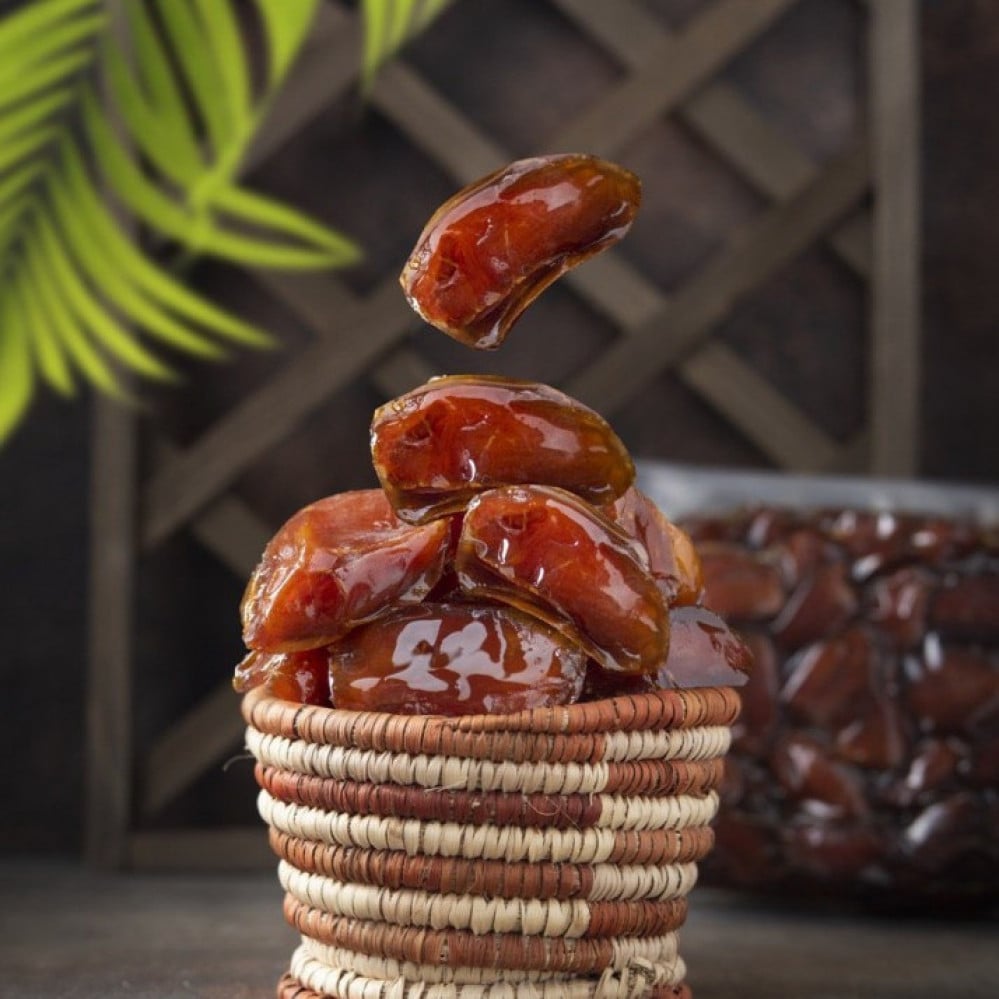
Khalas dates from Al Ahsa Oasis — known for their caramel sweetness and firm, tender texture.
Sukkari Dates: The Sugar Date of Qassim
Sukkari dates are the best-selling date variety in Saudi Arabia and the signature product of the Qassim region. These golden-brown dates have patches of lighter colour and are medium or small cone-shaped with a firm exterior and a luxuriously soft interior.
The name "Sukkari" comes from the Arabic word for "sugar," reflecting its exceptionally sweet, honey-like flavour. Sukkari dates account for more than 80% of the dates currently on offer in Qassim markets, making them the region's most popular variety.
Sukkari Dates in the Qassim Region
The Qassim region is the heartland of Sukkari date production. With more than 13,000 agricultural farms, 10.8 million palm trees, and date production exceeding 584,000 tons, Qassim maintains a prominent position in Saudi Arabia's palm and date sector.
Sukkari palm trees make up approximately 65 percent of the palms in Qassim, receiving special care from farmers and authorities. The Buraidah International Dates Carnival, held annually in Qassim, markets more than 85% of the region's Sukkari dates.
💡 Storage Tip: Sukkari dates are known for their ease of storage and freezing, making them an excellent choice for bulk purchases and long-term storage. They maintain their quality exceptionally well when properly preserved.
What Makes Sukkari Dates Unique
- Exceptional sweetness: Sukkari dates have a honey-like sweetness that is intense but not cloying
- Firm exterior, soft interior: The contrast in texture makes each bite satisfying
- Golden-brown colour: Distinctive patches of lighter colour make them easy to identify
- High antioxidant content: Research confirms that Sukkari dates possess significant natural antioxidant components
- Premium pricing: Sukkari dates typically range from SAR 30–70/kg ($8–19) depending on grade and quality

Sukkari dates from Qassim — the best-selling date variety in Saudi Arabia with a honey-like sweetness.
Ajwa Dates: The Holy Date of Medina
Ajwa dates are the most revered date in the Islamic world. Grown exclusively in the Medina region — specifically in and around Wadi Al Ajwa, the valley from which it takes its name — the Ajwa is a soft, dark-brown to near-black date with fine wrinkled skin and a rich, prune-like sweetness.
Ajwa dates have deep religious significance. A hadith in Sahih Bukhari records that the Prophet Muhammad said, "Whoever eats seven Ajwa dates in the morning will not be harmed by poison or magic that day". This makes Ajwa the most spiritually significant date variety for Muslims worldwide.
Scientific Evidence for Ajwa Dates
Modern scientific research supports many traditional claims about Ajwa dates. A 2021 study published in PMC confirmed that Ajwa dates possess significant amounts of natural antioxidant components, including phenolics, flavonoids, and tannins. The study found that dietary intake of Ajwa dates can prevent a number of oxidative damage-mediated diseases.
Additional research indicates that Ajwa dates are effective against diabetes, PCOS, various types of cancers, liver and heart diseases, and provide protective effects against toxins. The dates contain 77% sugar content (0.5% sucrose, 34.5% glucose, and 25.6% fructose) and a high proportion of minerals (3%) compared to other varieties.
Ajwa Dates at a Glance
- Origin: Medina region, specifically Wadi Al Ajwa
- Appearance: Dark brown to near-black with fine wrinkled skin
- Taste: Rich, prune-like sweetness with mineral depth
- Price range: SAR 25–60/kg ($7–16) for standard quality; premium gift boxes cost significantly more
- Best for: Religious observance, gifting, and health-conscious consumption

Ajwa dates from Medina — the most revered date variety in the Islamic world.
Medjool Dates: The Queen of Dates
Medjool dates are distinguished by their large size and wonderful sugary taste that leaves a long-lasting impression in the mouth. Also known as the California date, Medjool is one of the world's most popular date varieties, prized for its large size, soft texture, and natural caramel-like sweetness.
While Medjool originated in Morocco, it has found a second home in Saudi Arabia and is now grown across the Kingdom. The global dates market is a significant and growing industry, with an estimated size of over $29 billion in 2025, and the Medjool segment is a dominant force within this market.
Nutritional Profile of Medjool Dates
Medjool dates are packed with nutrition. One Medjool date contains approximately 66–70 calories with beneficial fibre and nutrients. They contain phenolic compounds, flavonoids, and carotenoids — antioxidants that help protect cells from oxidative stress.
A serving of about four Medjool dates provides 28% of the daily value for fiber and 12% for niacin, along with vitamin B6, folate, magnesium, and potassium. These nutrients support heart health, healthy digestion, bone health, and brain function.
"The global dates market is a significant and growing industry, with an estimated size of over $29 billion in 2025. The Medjool segment is a dominant force within this market, prized for its large size, soft texture, and natural caramel-like sweetness."
— Mohamed Anwar, CEO of Mudga
Comparison Table: Saudi Dates Varieties
This comparison table helps you quickly understand the key differences between the four premium Saudi dates varieties covered in this guide.
| Variety | Origin | Taste | Texture | Colour | Price (SAR/kg) |
|---|---|---|---|---|---|
| Khalas | Al Ahsa | Caramel, butterscotch | Firm, tender | Light amber | 20–50 |
| Sukkari | Qassim | Honey, sugar | Firm exterior, soft interior | Golden-brown | 30–70 |
| Ajwa | Medina | Rich, prune-like | Soft, wrinkled | Dark brown to black | 25–60 |
| Medjool | Multiple regions | Caramel, vanilla, honey | Large, soft, chewy | Dark amber-brown | 40–100 |
Prices are approximate and vary by quality grade, season, and retailer.
Health Benefits and Nutrition of Saudi Dates
Saudi dates are a nutrient-dense food that offers numerous health benefits. Whether you choose Khalas, Sukkari, Ajwa, or Medjool, you are consuming a fruit rich in natural sugars, dietary fiber, vitamins, and minerals.
Key Health Benefits
- Rich in antioxidants: All four varieties contain significant amounts of natural antioxidant components, including phenolics, flavonoids, and tannins
- Supports digestive health: Dates are an excellent source of dietary fiber, which supports healthy digestion and can help slow the rise in blood sugar after eating
- Heart health: The potassium and magnesium in dates help support healthy blood pressure by relaxing blood vessels and balancing sodium levels
- Natural energy source: Dates provide quick energy from natural sugars, making them ideal for breaking fasts or pre-workout snacks
- Immune support: Ajwa dates specifically have been shown to enhance immunity and provide protective effects against toxins
- Bone health: Medjool dates contain calcium, potassium, manganese, and copper — all important for bone health
⚠️ Note: While dates are highly nutritious, they are also high in natural sugars. If you are managing diabetes or blood sugar levels, consume dates in moderation and consult with your healthcare provider.
Nutritional Comparison
The table below compares the approximate nutritional values of the four Saudi dates varieties per 100g serving.
| Nutrient | Khalas | Sukkari | Ajwa | Medjool |
|---|---|---|---|---|
| Calories | 324 kcal | 310 kcal | 350 kcal | 277 kcal |
| Carbohydrates | 79.5 g | 75 g | 77 g | 75 g |
| Dietary Fiber | 10.2 g | 9.0 g | 8.0 g | 7.0 g |
| Protein | 2.7 g | 2.5 g | 3.0 g | 2.0 g |
| Potassium | 610 mg | 580 mg | 650 mg | 696 mg |
Values are approximate and may vary based on growing conditions and ripeness.
Global Market and Vision 2030
The global demand for Saudi dates has never been higher. In 2025, Saudi Arabia achieved record growth in date exports, with their value reaching SAR 1.938 billion — a 14.3% increase compared to 2024 and a 59.5% surge since 2021.
This milestone highlights the rising global demand for Saudi dates and the sector's enhanced production efficiency, directly supporting the objectives of Saudi Vision 2030 to diversify the national economy and increase the agricultural sector's contribution to GDP.
Key Export Markets in 2025
The Kingdom now exports unique Saudi dates varieties to over 125 countries. Several international markets recorded strong growth in 2025:
- Japan: 67% growth compared to 2024 — the highest among identified markets
- South Africa: 48% increase in exports
- Netherlands: 47% growth
- China: 39% rise during the same period
- India: 25% increase in 2025
Vision 2030 and the Date Industry
Saudi Vision 2030 aims to diversify the national economy away from oil dependence, and the date industry is a key contributor to this goal. The sector is one of the most vital contributors to economic diversification, with the National Center for Palms and Dates leading initiatives to expand market reach and empower exports.
The initiative to empower Saudi dates exports has been instrumental in expanding market reach. The Kingdom maintains a competitive edge through high-quality standards and production volume exceeding 1.9 million tons from more than 37 million palm trees.
📊 Market Insight: Saudi Arabia produces over 300 date varieties across more than 123,000 palm farms. The total value of date production exceeds SAR 9.2 billion annually.
How to Buy and Store Saudi Dates
Buying premium Saudi dates requires knowing what to look for and where to shop. Whether you are purchasing locally in Saudi Arabia or ordering internationally, these guidelines will help you make the best choice.
Where to Buy Saudi Dates
- Medina Central Date Market: The best place for authentic Ajwa dates directly from local farms
- Souq Al Tamr (Riyadh): A wide selection of all major varieties under one roof
- Buraidah Date Festival (August): The world's largest dates carnival, held annually in Qassim
- Al Balad (Jeddah): Historic markets with vendors selling premium dates
- Online retailers: Bateel, Lulu Hypermarket, Amazon.sa, and HungerStation offer convenient delivery options
Tips for Buying the Best Dates
- Check the skin: Premium dates have smooth, unbroken skin with no signs of shriveling or mold
- Feel the texture: Good quality dates are soft and pliable, not hard or brittle
- Smell the aroma: Fresh dates have a sweet, pleasant fragrance with no fermented or sour notes
- Buy during harvest season: July–October offers the freshest dates at the best prices
- Avoid unlicensed airport kiosks: Quality varies wildly and prices are often inflated
- Check the packaging date: Fresher is always better, especially for soft varieties like Ajwa and Medjool
Storage Guidelines
| Storage Method | Shelf Life | Best For |
|---|---|---|
| Room temperature (airtight container) | 1–2 weeks | Short-term storage |
| Refrigerator (sealed bag) | 1–3 months | Medium-term storage |
| Freezer (vacuum-sealed) | 6–12 months | Long-term storage, bulk purchases |
Frequently Asked Questions About Saudi Dates
1. What is the difference between Khalas and Sukkari dates?
Khalas dates are known for their caramel-like sweetness and firm texture, primarily grown in Al Ahsa. Sukkari dates have a honey-like sweetness with a golden-brown colour and are the signature variety of Qassim. Sukkari dates are generally sweeter and more popular in Saudi Arabia, while Khalas dates are celebrated for their complex flavour and cultural heritage.
2. Why are Ajwa dates more expensive than other varieties?
Ajwa dates are grown exclusively in the Medina region, specifically in and around Wadi Al Ajwa, which limits production volume. Their religious significance, unique nutritional profile, and limited supply contribute to higher prices. Ajwa dates typically range from SAR 25–60/kg ($7–16), with premium gift boxes costing significantly more.
3. Are Medjool dates from Saudi Arabia different from other origins?
Yes, Saudi Medjool dates have a distinct terroir influenced by the Kingdom's unique climate and soil conditions. While Medjool originated in Morocco and is also grown extensively in Israel, Jordan, and Egypt, Saudi-grown Medjool dates are prized for their large size and consistent quality. The global dates market is valued at over $29 billion, and Saudi Medjool commands a premium price in international markets.
4. What is the best time to buy Saudi dates?
The best time to buy fresh Saudi dates is during the harvest season, which runs from July to October. However, premium dried dates are available year-round. The Buraidah Date Festival in August is an excellent opportunity to buy directly from farmers at competitive prices.
5. How many dates should I eat per day?
Most nutritionists recommend consuming 2–4 dates per day as part of a balanced diet. This provides a good amount of fiber, potassium, and natural energy without excessive sugar intake. If you are managing diabetes or blood sugar levels, consult your healthcare provider for personalized guidance.
6. Can I eat dates during Ramadan?
Absolutely. Dates are traditionally used to break the fast during Ramadan because they provide quick energy and essential nutrients. Ajwa dates are particularly popular during Ramadan due to their religious significance. Consuming 2–3 dates at iftar helps restore blood sugar levels and provides hydration.
7. How can I tell if dates are authentic Ajwa?
Authentic Ajwa dates are dark brown to almost black with a fine, wrinkled skin and a rich, prune-like sweetness. They are smaller than Medjool dates and have a distinct mineral depth in their flavour. Purchase from reputable sellers or directly from Medina markets to ensure authenticity. Be cautious of very low prices, which may indicate counterfeit products.
8. What makes Saudi dates different from dates grown elsewhere?
The key difference is terroir. Saudi Arabia's diverse climate zones — from the cooler highlands of Qassim to the humid oasis belt of Al Ahsa — produce dates with distinctive flavour profiles that cannot be replicated elsewhere. The Kingdom's centuries-old cultivation traditions, combined with modern agricultural practices, result in dates of exceptional quality and consistency.
Conclusion: Why Saudi Dates Deserve a Place in Your Kitchen
Saudi dates represent the perfect combination of tradition, nutrition, and exceptional taste. Whether you prefer the caramel sweetness of Khalas, the honey-like richness of Sukkari, the spiritual significance of Ajwa, or the luxurious texture of Medjool, each variety offers a unique experience that reflects Saudi Arabia's rich agricultural heritage.
With the Kingdom's date industry growing stronger under Vision 2030, there has never been a better time to explore these premium fruits. Saudi dates are now exported to over 125 countries, making them more accessible than ever to global consumers.
Ready to Experience Premium Saudi Dates?
Whether you are buying for personal enjoyment, gifting, or religious observance, Saudi dates offer unmatched quality and flavour. Start your journey with a variety pack to discover your favourite.
Explore Premium Saudi Dates →🔗 Related Articles You May Enjoy
📚 External Resources
Tags
Disclosure: This article contains general information about Saudi dates and is not intended as medical advice. Always consult with a qualified healthcare provider regarding dietary choices and health conditions. Prices and statistics are accurate as of 2025–2026 and may change.