Sourcing Hard-to-Find Cheeses in Saudi Arabia: The Ultimate Guide for Food Lovers
Meta Description: Discover where and how to source hard-to-find cheeses in Saudi Arabia. From SFDA import rules and halal certification to specialty stores, online platforms, and local artisanal producers—your complete 2026 guide.
Finding hard-to-find cheeses in Saudi Arabia has never been more possible—or more exciting. Whether you are searching for an aged French Comté, a creamy Italian Gorgonzola, or a locally crafted camel milk cheese, the Kingdom's specialty cheese market is expanding rapidly. In 2024, Saudi Arabia's cheese market was valued at USD 4.73 billion, and it is projected to reach USD 7.32 billion by 2033, growing at a CAGR of 5%. The artisanal cheese segment alone reached USD 243.3 million in 2025 and is expected to hit USD 384.8 million by 2034.
This surge is driven by rising disposable incomes, growing exposure to international cuisines, and a young, health-conscious population eager to explore gourmet flavors. However, sourcing these cheeses requires navigating strict import regulations, halal certification requirements, and a unique distribution landscape. This guide walks you through every step—from understanding SFDA rules to discovering the best specialty stores, online platforms, and local producers across the Kingdom. You will learn exactly how to source hard-to-find cheeses in Saudi Arabia confidently and efficiently.
Table of Contents
- 1. Saudi Cheese Import Regulations & Halal Certification
- 2. Where to Buy Hard-to-Find Cheeses in Saudi Arabia
- 3. Local Artisanal Cheese Producers You Should Know
- 4. Global Cheese Varieties Available in the Kingdom
- 5. Comparison: Sourcing Channels for Specialty Cheese
- 6. Future Trends & Vision 2030
- 7. Expert Tips for Buying Specialty Cheese
- 8. FAQ: Sourcing Hard-to-Find Cheeses in Saudi Arabia
- 9. Conclusion & Call to Action
1. Saudi Cheese Import Regulations & Halal Certification
Before you can enjoy that rare wedge of Époisses or a wheel of aged Gouda, you need to understand the regulatory landscape. The Saudi Food and Drug Authority (SFDA) governs all food imports, and cheese is no exception. In 2025, the SFDA reinforced mandatory halal certification requirements for imported food products, including cheese.
When Is Halal Certification Required for Cheese?
According to SFDA Circular No. 4/1445/11, halal certification is mandatory for dairy products, including cheese and labneh, if they contain animal-based oils, fats, rennet, or any other animal-derived component. The only exceptions are clearly stated whey, milk, butter, or milk-derived fats. If a cheese product carries a halal label, it must also be certified.
💡 Important Note: Many traditional European cheeses use animal rennet in their production. If you are importing or purchasing such cheeses, always verify that they come with a valid halal certificate from an SFDA-approved body. You can check the list of approved certifying bodies at halal.gov.sa.
Importer Registration & Documentation
If you plan to import cheese commercially, you must register your facility in the SFDA's FIRS system and obtain a licensed warehouse. Required documents include:
- Certificate of origin
- Health certificate for milk and milk products
- Halal certificate (if animal-derived ingredients are present)
- Commercial invoice and customs declaration
- Insurance certificate
The default customs duty for most cheese products (HS Code 0406) is 6%, though some specialty items may face higher rates. Proper storage is also critical: refrigerated cheese must be kept at or below 8°C, and all food must be covered and stored in compliance with SFDA temperature regulations.
Understanding these regulations is the first step toward successfully sourcing hard-to-find cheeses. Next, let's explore where you can actually find them.
2. Where to Buy Hard-to-Find Cheeses in Saudi Arabia
The Saudi specialty cheese market is served through several distinct channels. Each offers different advantages depending on what you are looking for.
Specialty Gourmet Stores & Cheese Counters
Premium retailers are expanding their cheese selections to meet growing demand. Spinneys, the UAE-based premium fresh food retailer, opened its first Saudi store in Riyadh's La Strada Yard, featuring a dedicated specialty cheese counter alongside a deli and bakery. For those seeking an immersive experience, Café Boulud at the Four Seasons Hotel Riyadh launched the Kingdom's first Cheese and Non-Alcoholic Wine Library in 2025. It offers a rotating collection of over 60 artisanal cheeses, curated by Philippe Caillouet, a Meilleur Ouvrier de France and Riyadh's first French cheesemonger.
Other notable destinations include Jones the Grocer in Riyadh, an Australian gourmet market known for its cheese boards, and Via Mercato at Via Riyadh, which stocks over 150 types of cheese. These venues often carry rare European varieties that are difficult to find elsewhere.
Online Platforms & Delivery Apps
E-commerce has transformed access to specialty cheese across the Kingdom. noon Minutes offers 15-minute delivery of imported cheeses in Riyadh and beyond, including brands like Zanetti, El Pastor, and Crystal Farms. HungerStation provides chilled dairy products, including Egyptian Roumy, Saudi Feta, and international varieties.
For French cheese lovers, Spinneys' online store delivers items like Président Comté Le Montarlier and Le Napoléon Extra Vieux Goat Cheese directly to your door. If you are looking for Italian specialties, Classic Fine Foods KSA partners with Caseificio Artigiana to bring authentic mozzarella, burrata, and scamorza to Saudi Arabia.
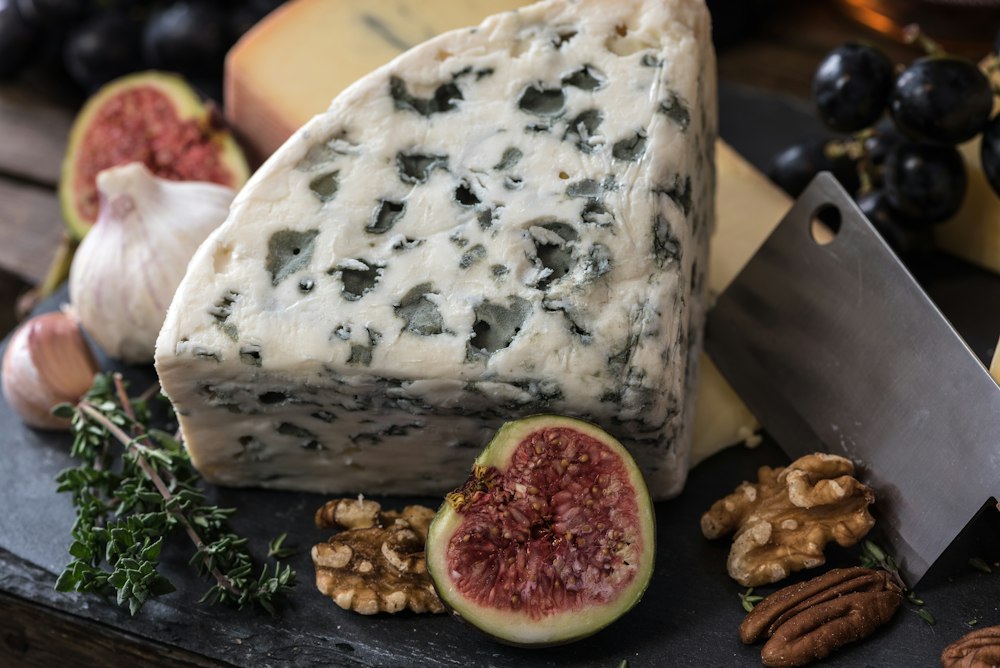
A premium specialty cheese counter featuring imported European varieties. Image description: Assorted artisanal cheeses arranged on a wooden board with labels, in a modern gourmet retail setting.
Local Markets & Supermarkets
Major supermarkets like Carrefour, Lulu Hypermarket, and Danube have expanded their imported cheese sections significantly. Carrefour KSA stocks Italian Parmesan, while Lulu offers French Feta and Valbreso cheese slices. These stores are excellent for finding staples and mid-range specialty cheeses, though the rarest varieties may require a trip to a dedicated gourmet store.
Now that you know where to look, let's turn to the local producers who are crafting exceptional cheeses right here in the Kingdom.
3. Local Artisanal Cheese Producers You Should Know
Saudi Arabia's local artisanal cheese scene is thriving, driven by entrepreneurs who are blending traditional methods with modern innovation.
Khairat Laziza: A Pioneer in Handmade Cheese
Based in Saihat, Eastern Province, Khairat Laziza was founded by Aziza Alghanim, who began making cheese in 2014 and now offers 118 products, including handmade cheeses, labneh, gelatos, jams, and dairy-free options. All products are natural, preservative-free, and traceable to her farm. Alghanim also runs cheesemaking workshops and channels profits into charitable initiatives through her foundation.
Sawani & Camel Milk Cheese
Camel milk cheese is one of Saudi Arabia's most unique dairy innovations. Sawani, a Public Investment Fund (PIF) company, produces Noug brand camel milk cheese, which won a Superior Taste Award. The camel milk cheese import trend grew by 60.84% from 2023 to 2024, with a CAGR of 36.18% from 2020 to 2024, reflecting surging consumer interest in this distinctive product. Camel cheese production in Saudi Arabia began under an FAO project using recombinant camel chymosin, producing varieties including Halloumi, Mozzarella, Feta, Camembert, and Saint-Paulin.
SanaFood: Italian Cheese, Made in Riyadh
Established in Riyadh in 2023, SanaFood is the first-of-its-kind cheese manufacturer in Saudi Arabia dedicated to producing authentic Italian cheese varieties. By combining semi-automation with traditional techniques, SanaFood is contributing to Vision 2030's local manufacturing goals.
✅ Pro Tip: When buying from local producers, ask about their production methods and aging processes. Many artisanal cheeses are made in small batches and may sell out quickly. Following producers on social media or subscribing to their newsletters can help you stay informed about new releases.
4. Global Cheese Varieties Available in the Kingdom
Saudi Arabia imports specialty cheeses from a diverse range of countries. Understanding what is available—and from where—can help you target your search.
| Country | Popular Cheese Types | Where to Find |
|---|---|---|
| France | Comté, Camembert, Brie, Valbreso Feta, Goat Cheese | Spinneys, Café Boulud, Lulu |
| Italy | Parmigiano Reggiano, Gorgonzola, Mozzarella di Bufala, Burrata | Classic Fine Foods, Carrefour, SanaFood |
| Greece | Kefalotiri, Feta, Graviera | Agora KSA, specialty stores |
| Netherlands | Aged Gouda, Edam | Lulu, Danube, online platforms |
| Saudi Arabia | Camel milk cheese, Halloumi, Labneh, Akkawi | Khairat Laziza, Sawani (Noug), local markets |
This diversity means that even the most discerning cheese enthusiast can find something new. However, the sourcing method you choose will depend on your priorities—whether that is convenience, price, or access to the rarest varieties.
5. Comparison: Sourcing Channels for Specialty Cheese
To help you decide the best approach for your needs, here is a side-by-side comparison of the main sourcing channels:
| Channel | Best For | Pros | Cons |
|---|---|---|---|
| Gourmet Stores | Rare, high-end varieties | Expert curation, tastings, advice | Limited locations, higher prices |
| Online Delivery | Convenience and speed | 15-minute delivery, wide selection | Cold-chain concerns, limited rare items |
| Supermarkets | Everyday and mid-range cheeses | Accessible, competitive pricing | Fewer artisanal options |
| Local Producers | Unique, fresh, locally made | Direct-to-consumer, preservative-free | Limited distribution, seasonal availability |
"The Saudi specialty cheese market is experiencing significant growth due to increasing consumer interest in gourmet and international food products. There is a rising demand for high-quality, artisanal cheeses from countries like France, Italy, and Switzerland."
— 6Wresearch, Saudi Arabia Specialty Cheese Market Report, 2025
6. Future Trends & Vision 2030
Saudi Arabia's cheese market is evolving rapidly, and several trends are shaping its future. The Kingdom's Vision 2030 initiative is playing a central role, with government support for domestic dairy production through subsidies and infrastructure development aimed at reducing reliance on imports and improving food self-sufficiency.
Growth of Local Manufacturing
Local production is expanding. Saudi Arabia has already achieved 129% self-sufficiency in dairy products, and companies like Almarai are investing heavily in farm-to-logistics capacity. The dairy market is projected to reach US$7.58 billion by 2031, with a shift from import reliance to a high-value, export-ready ecosystem.
Rise of Artisanal & Specialty Cheese
Specialty and artisanal cheese is expected to remain the fastest-growing product type, driven by health-conscious consumers seeking natural, preservative-free options. E-commerce platforms are making these products more accessible than ever, with the cheese eCommerce market experiencing a surge in demand for artisanal varieties.
Innovation in Camel Milk Cheese
Camel milk cheese represents a uniquely Saudi innovation. With import growth of 60.84% in 2024 alone, this segment is attracting significant attention. The use of recombinant camel chymosin has made production more viable, and products like Noug are gaining international recognition.
📊 Market Insight: Saudi Arabia's cheese retail sales grew by 8% in 2025, reaching SAR 3.4 billion. The market is forecast to reach SAR 5.0 billion by the end of the forecast period, driven by daily relevance and lifestyle alignment.
These trends suggest that sourcing hard-to-find cheeses in Saudi Arabia will only become easier in the coming years. But for now, let's look at some practical tips to make your search more effective.
7. Expert Tips for Buying Specialty Cheese in Saudi Arabia
Navigating the Saudi cheese market requires a bit of strategy. Here are some expert tips to help you find exactly what you are looking for:
- Check halal certification first. Before purchasing imported cheese, verify that it carries a valid halal certificate if it contains animal rennet. This is especially important for traditional European cheeses.
- Follow specialty retailers on social media. Stores like Café Boulud and Spinneys often announce new arrivals and limited-edition cheeses on Instagram and other platforms.
- Build relationships with local producers. Many artisanal cheese makers sell directly to consumers. Establishing a rapport can give you early access to new batches.
- Use multiple online platforms. No single platform carries everything. Compare noon Minutes, HungerStation, Spinneys Online, and Classic Fine Foods for the best selection.
- Consider the cold chain. When ordering online, ensure the delivery service maintains proper refrigeration. Cheese quality can degrade rapidly in Saudi Arabia's hot climate.
- Attend food festivals. Events like the Dairy Festival in Al-Kharj bring together major dairy companies and offer opportunities to discover new products.
- Explore camel milk cheese. For a uniquely Saudi experience, try locally produced camel milk cheeses from brands like Noug.
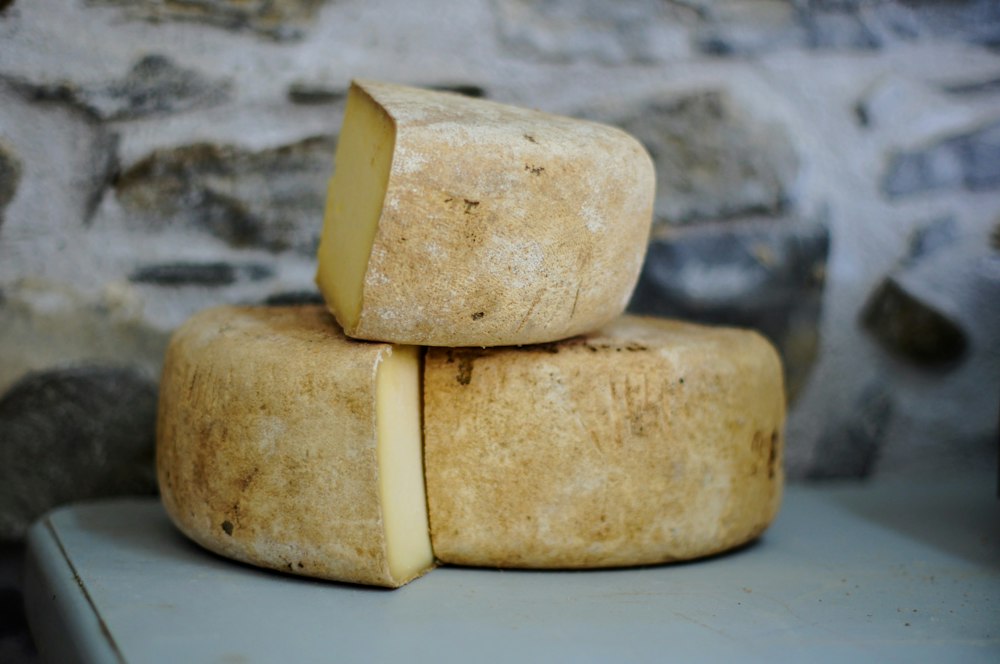
Aged cheese wheels in a temperature-controlled aging room. Image description: Rows of artisanal cheese wheels on wooden shelves in a climate-controlled cheese cave.
8. FAQ: Sourcing Hard-to-Find Cheeses in Saudi Arabia
Can I import cheese into Saudi Arabia for personal use?
Yes, but with restrictions. Personal imports may be allowed in limited quantities, but all food products must comply with SFDA regulations. If the cheese contains animal rennet, a halal certificate may be required. For commercial imports, full registration and documentation are mandatory.
What is the customs duty on imported cheese in Saudi Arabia?
The default customs duty for most cheese products (HS Code 0406) is 6%. However, certain specialty cheeses may be subject to higher rates, and the recent VAT rate has also affected overall costs.
Where can I find French cheese in Saudi Arabia?
French cheese is available at Spinneys (both in-store and online), Café Boulud Riyadh (which stocks over 60 artisanal cheeses), and Lulu Hypermarket. Popular varieties include Comté, Camembert, Brie, and French Feta.
Is camel milk cheese available in Saudi Arabia?
Yes. Sawani's Noug brand produces camel milk cheese that is available through noon Minutes and other platforms. Camel cheese varieties include Halloumi, Mozzarella, Feta, and Camembert.
Do I need halal certification for all imported cheese?
Not necessarily. Halal certification is required if the cheese contains animal-derived ingredients such as animal rennet, fats, or oils. Cheeses made exclusively with microbial rennet or milk-derived ingredients may be exempt, but documentation must clearly state this.
What are the best online platforms for buying specialty cheese in Saudi Arabia?
The top platforms include noon Minutes (15-minute delivery), HungerStation (chilled dairy), Spinneys Online (French cheeses), and Classic Fine Foods KSA (Italian cheeses).
Are there local cheese producers in Saudi Arabia?
Yes. Notable local producers include Khairat Laziza (handmade cheeses in the Eastern Province), SanaFood (Italian-style cheeses in Riyadh), and Sawani (camel milk cheese). These producers offer unique, preservative-free products that are difficult to find elsewhere.
How should I store specialty cheese in Saudi Arabia's climate?
Refrigerate cheese at or below 8°C. Wrap it in wax paper or cheese paper rather than plastic to allow it to breathe. For long-term storage, keep cheese in the vegetable crisper drawer. Avoid exposing cheese to room temperature for extended periods.
9. Conclusion
Sourcing hard-to-find cheeses in Saudi Arabia is no longer a challenge reserved for professional chefs and importers. With a growing specialty market, expanding online delivery options, and a new wave of local artisanal producers, food lovers across the Kingdom can now access an extraordinary range of cheeses from around the world—and from right here at home.
The key is to understand the regulatory landscape, leverage multiple sourcing channels, and stay informed about new products and producers. Whether you are hunting for a rare French Comté, a creamy Italian Burrata, or a uniquely Saudi camel milk cheese, the opportunities are more abundant than ever.
Ready to Start Your Cheese Journey?
Explore the specialty cheese counters at Spinneys, Café Boulud, and Jones the Grocer. Order from noon Minutes or HungerStation. And don't forget to support local producers like Khairat Laziza and SanaFood.
Your next great cheese discovery is just around the corner.
Tags
#HardToFindCheeseSaudi #SaudiCheeseMarket #SpecialtyCheeseKSA #ArtisanalCheeseSaudi #CamelMilkCheese #CheeseImportSaudi #HalalCheese #RiyadhCheeseShops #CheeseDeliverySaudi #Vision2030Dairy
Disclosure: This article contains external links to third-party websites for reference purposes. Always verify current regulations and product availability directly with suppliers and the Saudi Food and Drug Authority (SFDA).